 EN

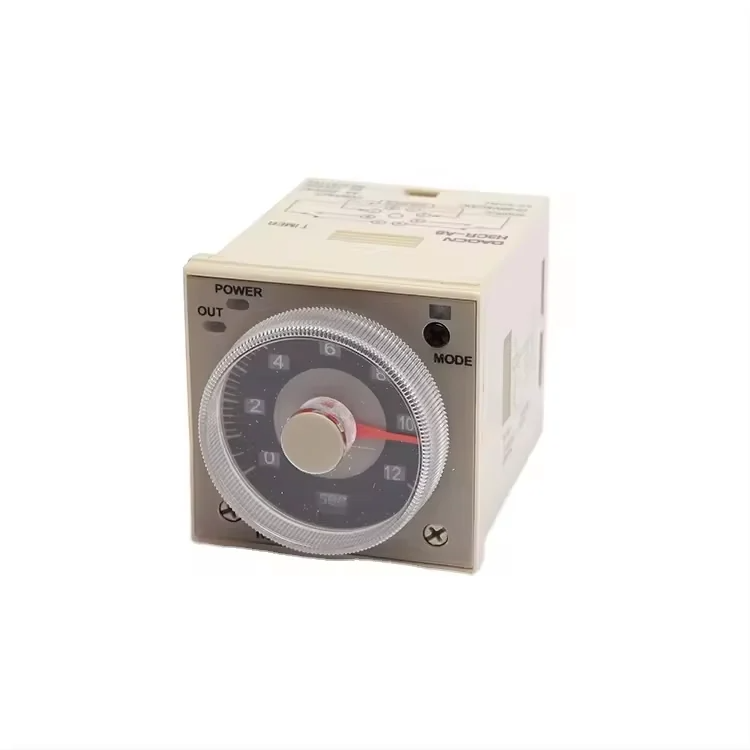
Precision timing is fundamental to modern industrial automation, and a timer relay serves as one of the most reliable mechanisms for achieving consistent, repeatable time-based control. In industrial settings where process synchronization, equipment sequencing, and production accuracy directly impact profitability, understanding how timer relay automation functions becomes essential for operations managers, automation engineers, and maintenance teams.
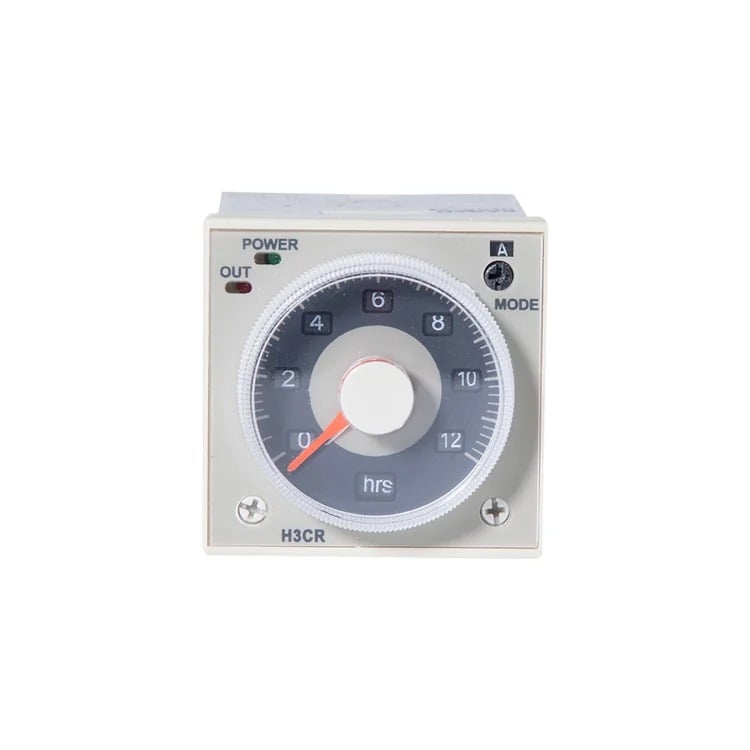
A timer relay improves timing in industrial automation by providing precise delay, interval, and sequencing functions that would otherwise require complex programmable logic controllers or manual intervention. By automating time-based switching operations, timer relay control reduces human error, increases production consistency, and enables scalable process management across diverse manufacturing environments. This article explores the mechanisms, applications, and strategic value of timer relay technology in modern industrial operations.
How Timer Relay Automation Enhances Process Precision
Eliminating Manual Timing Variability
Industrial processes often require exact timing between sequential operations. Manual timing introduces inconsistency, delays production cycles, and creates safety vulnerabilities when operators must manually trigger equipment at precise intervals. Timer relay control systems eliminate this variability by automating time-based switching with accuracy typically within milliseconds. This consistency directly translates to higher throughput, reduced scrap rates, and improved product quality across batch and continuous processes.
Synchronizing Multi-Stage Operations
Complex manufacturing workflows involve multiple stages that must operate in strict sequence: cooling periods, drying intervals, conveyor movements, valve switching, and motor sequencing. An industrial timer relay coordinates these stages automatically, ensuring each operation begins and ends at precisely the correct moment. This synchronization prevents bottlenecks, eliminates equipment collisions, and maintains the production schedule without requiring constant operator supervision or frequent adjustments.
Key Applications and Business Impact of Timer Relay Control
Manufacturing Assembly and Conveyor Systems
Conveyor-based assembly lines depend heavily on timer relay applications for controlling material flow, positioning work-in-progress components, and coordinating robotic arm movements. Timer relay automation ensures parts arrive at workstations at consistent intervals, preventing assembly line starvation or overflow. In automotive, food processing, and electronics manufacturing, this timing precision directly reduces cycle time and maximizes equipment utilization without operator intervention.
Thermal Processing and Curing Operations
Applications involving heating, cooling, or curing cycles benefit substantially from timer relay control. Whether managing oven preheat cycles, cooling periods after molding, or drying phases in coating processes, accurate timing ensures product quality and material consistency. Timer relay automation prevents premature part removal, reduces thermal stress on equipment, and enables operators to focus on value-added tasks rather than monitoring elapsed time manually.
Motor and Equipment Sequencing
Large industrial motors and hydraulic systems often require staged startup sequences to reduce inrush current and mechanical shock. Timer relay applications manage soft-start delays, pump priming sequences, and equipment warm-up periods automatically. This protective timing reduces electrical strain on facility infrastructure, extends equipment lifespan, and prevents production interruptions caused by overload conditions or equipment failures.
Operational and Strategic Advantages of Timer Relay Technology
Reducing Downtime and Maintenance Complexity
Timer relay control systems are simpler, more durable, and require less maintenance than alternative timing solutions. With fewer moving parts, no software dependencies, and straightforward calibration procedures, industrial timer relay technology maintains reliability across demanding plant environments. Quick replacement and easy troubleshooting minimize production downtime, and the plug-and-play nature of modern timer relay designs accelerates installation across new equipment or retrofitted production lines.
Cost-Effective Automation at Scale
Compared to programmable logic controllers or distributed control systems, timer relay automation offers a cost-effective entry point for achieving time-based automation in small to medium-sized processes. Organizations can deploy timer relay control across multiple workstations, production cells, or facilities without large capital investments in complex software or extensive training programs. This scalability makes timer relay applications particularly valuable for manufacturers seeking to automate specific timing functions without overhauling entire control architectures.
Improving Safety and Regulatory Compliance
Process consistency provided by timer relay control strengthens safety protocols by ensuring equipment operates predictably and according to established parameters. Timer relay automation reduces scenarios where operator fatigue or distraction leads to improper timing that could cause equipment damage or worker injury. Additionally, reliable timing records generated by timer relay systems facilitate compliance with industry standards, quality certifications, and regulatory audits that require documented proof of process consistency.
FAQ
What makes timer relay automation different from software-based timing solutions?
Timer relay control systems offer hardware-based reliability that operates independently of software, network connectivity, or computational complexity. Unlike programmable logic controllers, timer relay applications maintain their timing functions even during power fluctuations or system failures, making them ideal for safety-critical processes. This mechanical reliability, combined with simpler diagnostics and maintenance, makes industrial timer relay technology the preferred choice for dedicated timing applications where simplicity and robustness outweigh the flexibility requirements of programmable systems.
Can timer relay technology integrate with existing plant control systems?
Modern timer relay applications are designed for seamless integration into hybrid control environments. Timer relay control can operate standalone, work in tandem with programmable logic controllers, or coordinate with SCADA systems through relay outputs and input signals. This flexibility allows facilities to implement timer relay automation gradually, retrofitting existing equipment without requiring complete system overhauls or extended production shutdowns.
How do changing production requirements affect timer relay automation investments?
Timer relay control systems provide flexibility through adjustable timing parameters, interchangeable relay modules, and scalable configurations. If production requirements shift, operators can recalibrate timer relay settings or swap modules to accommodate new cycle times or sequences. This adaptability makes timer relay applications a sustainable investment that evolves with business needs, avoiding the costly obsolescence that sometimes affects overly specialized automation equipment.