 EN
EN

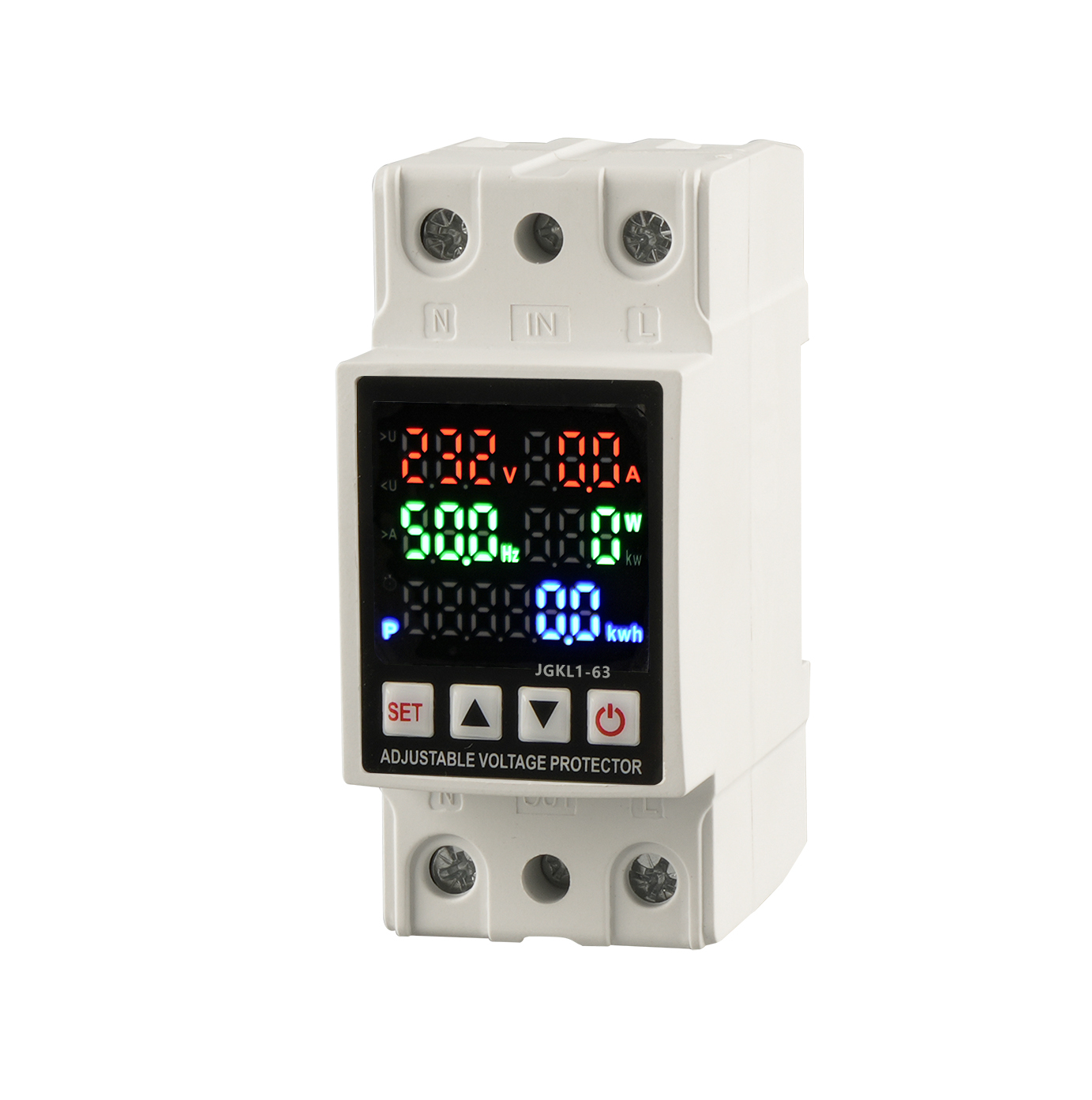
Selecting the right voltage protector is critical for safeguarding industrial and commercial equipment from electrical damage. Power fluctuations, surges, and drops occur frequently in electrical systems, and without proper protection, costly equipment failures, production downtime, and safety hazards can result. A properly chosen voltage protector acts as a first line of defense, automatically disconnecting circuits when voltage levels exceed safe thresholds or drop below operational minimums. Understanding how to evaluate and select the appropriate voltage protector for your specific application ensures equipment longevity, operational reliability, and personnel safety.
The process of choosing a voltage protector requires careful consideration of multiple technical and operational factors. Equipment voltage ratings, sensitivity to fluctuations, protection response time, and installation environment all influence which voltage protector solution delivers optimal performance. In 2025, modern voltage protector technologies offer improved precision, faster response capabilities, and enhanced compatibility with diverse industrial systems. This guide walks you through the essential decision criteria, helping you identify and implement the most effective voltage protector strategy for your operational needs.
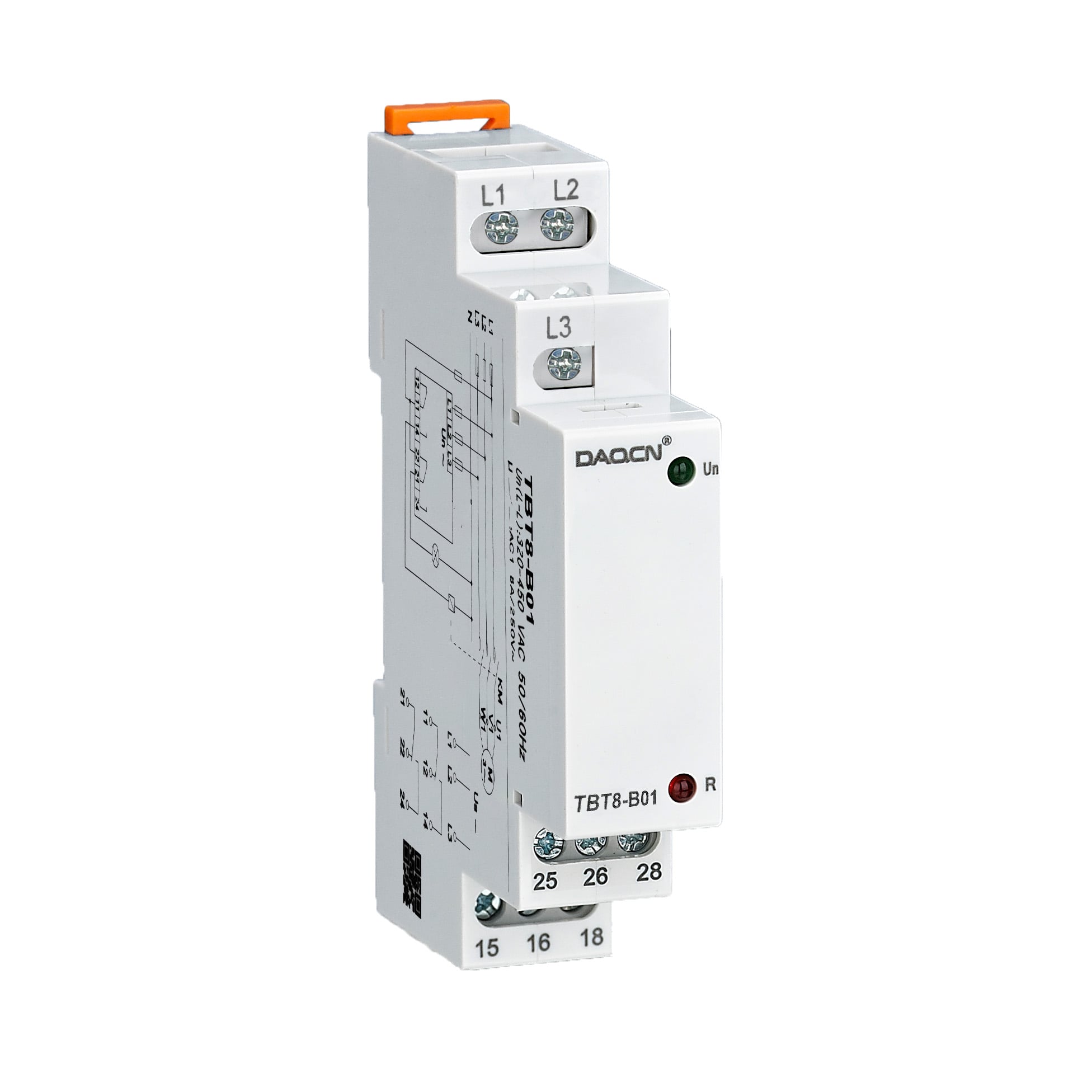
Understanding Voltage Protection Requirements
Identifying Your Equipment Voltage Specifications
The foundation of selecting any voltage protector begins with understanding your equipment's electrical specifications. Every industrial device, motor, transformer, or control system operates within defined voltage ranges, typically listed on equipment nameplates or technical documentation. A voltage protector must be calibrated to match these exact specifications, ensuring it activates only when voltage deviates beyond safe operating margins. Equipment designed for 480-volt three-phase systems requires a different voltage protector configuration than single-phase 120-volt equipment. Oversizing or undersizing the voltage protector rating creates serious risks, from inadequate protection to nuisance shutdowns that disrupt production schedules.
Assessing Environmental and Load Factors
Beyond basic voltage ratings, your specific operating environment directly influences voltage protector selection. Industrial facilities with variable load profiles, frequent motor starts, or proximity to heavy machinery experience more pronounced voltage fluctuations than stable office environments. Similarly, facilities in rural areas or regions with aging electrical infrastructure face greater over-voltage and under-voltage risks than modern urban systems. Your voltage protector choice must account for the frequency and magnitude of voltage disturbances typical in your location. Additionally, equipment sensitivity varies significantly; sensitive electronics and precision instruments require a more responsive voltage protector than hardier mechanical equipment. Understanding these environmental and load characteristics ensures your selected voltage protector provides appropriate response levels.
Key Selection Criteria for Voltage Protectors
Protection Thresholds and Response Sensitivity
Modern voltage protector devices offer adjustable protection thresholds, allowing you to set upper and lower voltage limits based on your equipment requirements. A quality voltage protector typically permits threshold adjustment within a range of plus or minus ten percent of nominal voltage, accommodating both conservative and flexible protection strategies. Response time is equally critical; your voltage protector should detect abnormal voltage conditions and disconnect circuits within milliseconds to prevent equipment damage. Fast-acting voltage protector systems minimize exposure time to harmful electrical conditions, reducing the risk of component degradation or catastrophic failure. When evaluating different voltage protector options, verify that response time specifications meet your equipment manufacturer's recommendations and industry standards for your specific application sector.
Protection Scope and Relay Configuration
The scope of protection provided by a voltage protector varies depending on whether you need over-voltage protection, under-voltage protection, or both simultaneously. Some applications require a voltage protector that addresses only one condition, while others demand comprehensive dual-protection from a single integrated device. Industrial automation environments typically benefit from multi-phase voltage protector configurations that monitor all three phases of three-phase power systems, detecting phase imbalances and single-phase losses. Your voltage protector must also support your facility's disconnect strategy, whether that means immediate circuit disconnection, gradual load shedding, or alarm activation with operator intervention. voltage protector relay specifications should clearly document all protection modes, enabling you to match device capabilities to your operational requirements.
Installation and Integration Considerations
Physical Installation and Control Panel Compatibility
Practical installation factors significantly impact voltage protector effectiveness and ease of deployment. Most modern voltage protector devices are designed for standard DIN rail mounting in electrical control panels, offering flexible integration into existing infrastructure. Your voltage protector installation location should position the device in a controlled environment with adequate ventilation and protection from environmental contaminants. Consider whether your facility requires a portable voltage protector unit for temporary protection during maintenance or commissioning, or if you need permanently installed voltage protector devices integrated into your control architecture. Additionally, verify that your voltage protector design supports the voltage and current specifications of your specific control circuits and protective relay arrangements.
Communication Features and Monitoring Capabilities
Contemporary voltage protector technology increasingly incorporates communication interfaces that enable real-time voltage monitoring and historical data logging. A voltage protector with integrated diagnostics provides visibility into power quality trends, helping identify chronic voltage problems before they cause equipment damage. Some advanced voltage protector systems offer remote monitoring capabilities through standard industrial protocols, allowing maintenance teams to observe voltage conditions across multiple locations from centralized dashboards. When selecting your voltage protector, evaluate whether communication and logging features align with your facility's maintenance philosophy and predictive maintenance initiatives. A feature-rich voltage protector becomes more valuable when its data informs maintenance decisions and helps optimize equipment protection strategies across your operation.
FAQ
What voltage ranges should my voltage protector protect?
Your voltage protector thresholds depend on your equipment specifications and local electrical standards. Most industrial equipment tolerates plus or minus ten percent variation from nominal voltage, though sensitive devices may require tighter protection. Consult your equipment documentation or contact manufacturers to determine the appropriate voltage protector settings for each protected device. Many facilities set their voltage protector limits slightly more conservatively than manufacturer specifications to provide additional safety margins.
How quickly should a voltage protector respond to abnormal conditions?
A reliable voltage protector should respond within one to ten milliseconds of detecting a voltage fault, depending on your equipment sensitivity and industry standards. Faster-responding voltage protector devices provide better protection for sensitive electronics, while slower thresholds may be acceptable for robust industrial motors. Your voltage protector response time specification should be verified against your equipment manufacturer's voltage tolerance specifications and matched to your operational requirements.
Can a single voltage protector protect multiple pieces of equipment?
A single voltage protector can sometimes protect multiple devices if they share similar voltage specifications and are on the same circuit. However, different equipment types with varying voltage tolerances typically require individual voltage protector configurations for optimal protection. Complex facilities often implement multiple voltage protector devices at different circuit levels, creating layered protection that safeguards critical equipment while maintaining operational flexibility across the facility.