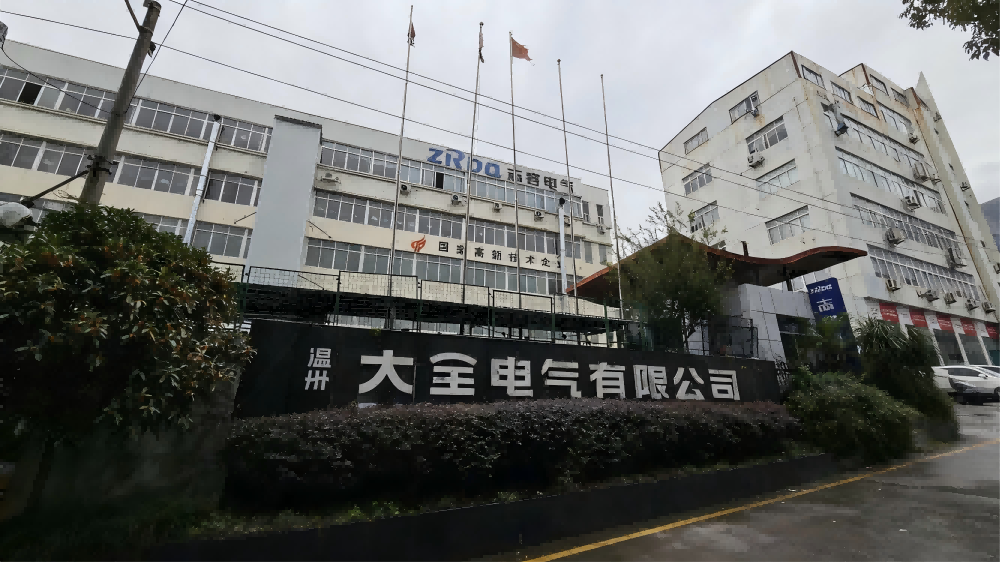

Introduction to High-Voltage DC Switching in Renewables
The global transition toward renewable energy has driven unprecedented growth in utility-scale solar installations, wind farms, and Battery Energy Storage Systems (BESS). These modern power systems rely heavily on high-voltage Direct Current (DC) architectures to maximize transmission efficiency and integrate seamlessly with battery chemistry. However, managing high-voltage DC electricity introduces significant engineering challenges that differ fundamentally from traditional Alternating Current (AC) systems. For B2B procurement directors and electrical project managers, selecting safety and control components for DC applications requires a specialized technical focus. Among these components, high-voltage DC relays (often called DC contactors) are vital for system isolation, pre-charging, and emergency disconnects. When switching high-voltage DC circuits, the generation of an electric arc is an inevitable physical phenomenon. Without highly effective arc suppression mechanisms, these relays can suffer catastrophic damage, posing a severe safety risk to the entire energy storage facility. Understanding the critical necessity of arc suppression is key to sourcing reliable, durable switching components for renewable energy projects.
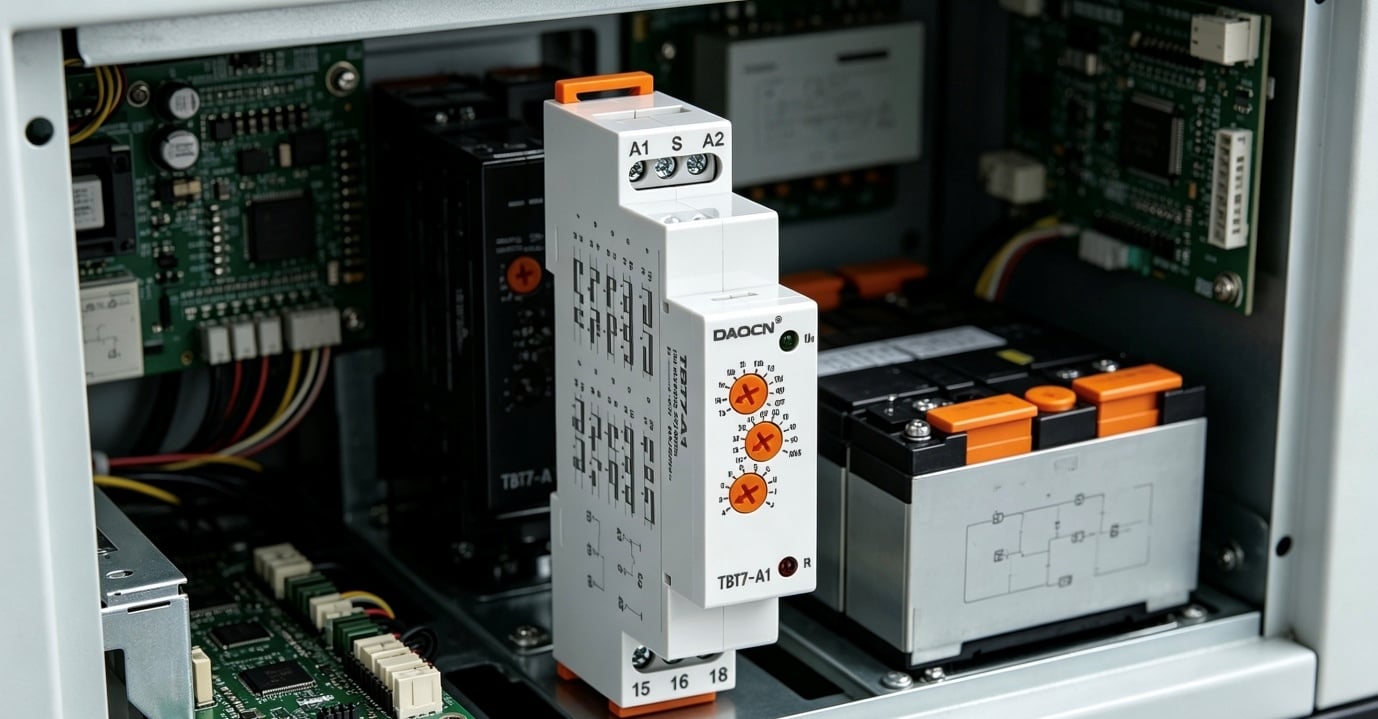
Q: Why is 'Arc Suppression' necessary for DC Relays in renewable energy storage systems?
Answer:
Arc suppression is absolutely necessary for DC relays in renewable energy storage systems because Direct Current lacks the natural zero-crossing point found in Alternating Current. When AC contacts open, the current drops to zero twice per cycle, naturally extinguishing any electrical arc. In contrast, DC current maintains a continuous, unbroken voltage and current level, which causes a highly stable and intense electrical arc to form between the contact points as they separate. Without rapid and effective arc suppression, this persistent arc, which can reach temperatures exceeding several thousand degrees Celsius, will melt the contacts, weld them shut, degrade the surrounding insulation, and potentially cause catastrophic physical explosions or electrical fires inside the control panel.
The Physics of DC Arcing vs. AC Arcing
To fully appreciate the importance of arc suppression, it is necessary to examine the physical behavior of electrical arcs in AC and DC circuits.
In an AC system, the voltage and current change direction periodically (typically fifty or sixty times per second). This means that every ten milliseconds (for a fifty-hertz system), the instantaneous voltage drops to zero. When the contacts of an AC relay open, an arc forms, but as soon as the AC waveform reaches its next zero-crossing point, the arc loses its driving voltage and naturally extinguishes. This makes AC arc management relatively straightforward and allows AC relays to be physically smaller and simpler.
In a DC system, the voltage is flat and continuous. There are no zero-crossing points. When the contacts of a DC relay begin to separate, the air gap between them is tiny. Because the voltage is high (often ranging from four hundred volts to over fifteen hundred volts in modern battery storage systems), the electrical field strength across this tiny gap is immense. This field ionizes the air molecules, turning the air into a highly conductive plasma channel—an electric arc.
Once formed, the DC arc will persist as long as the voltage source can overcome the resistance of the plasma channel. The arc acts as a highly efficient electrical conductor, continuing to carry the circuit current even though the contacts are physically separated. To extinguish this arc, the relay must physically stretch, cool, or extinguish the plasma channel extremely quickly.
Consequences of Unsuppressed Arcing in Battery Storage Systems
When a DC relay lacks adequate arc suppression, the consequences of contact separation under load are severe and immediate:
Modern Arc Suppression Technologies in Industrial DC Relays
To combat these hazards, manufacturers of high-voltage DC relays employ several highly sophisticated arc suppression technologies:
Sourcing High-Performance DC Relays: The DAQCN Advantage
For B2B procurement managers, sourcing DC relays with proven, reliable arc suppression is non-negotiable. At DAQCN, we have developed a specialized line of high-voltage DC contactors and relays specifically designed for the demanding requirements of renewable energy storage systems and electric vehicle charging infrastructure.
DAQCN DC relays utilize a combination of heavy-duty permanent magnetic blowout systems and robust ceramic arc chutes. Our premium models are hermetically sealed and backfilled with high-pressure gas to ensure extremely fast arc quenching, even under full-load emergency disconnect scenarios.
By choosing DAQCN, project managers can ensure that their battery storage systems are protected by relays engineered to handle the unique stresses of direct current, maximizing safety and ensuring compliance with international standards such as UL 60947-4-1 and IEC 60947-4-1.
Conclusion and Sourcing Advice
When designing and procuring systems for renewable energy storage, never compromise on DC switching safety. The physical reality of DC electricity makes arc suppression a vital necessity for preventing contact welding, equipment damage, and electrical fires. When evaluating suppliers, procurement directors must verify that the DC relays specified have integrated magnetic blowout, robust arc chutes, or hermetic gas sealing. Partnering with an expert manufacturer like DAQCN ensures that your installations are equipped with state-of-the-art DC switching technology, guaranteeing the safety, reliability, and longevity of your renewable energy investment.
Discover DAQUAN’s CE/TUV-certified relays, timers, energy meters & WiFi smart switches for industrial automation. ISO9001 factory in Wenzhou, 30 km to airport, global OEM/ODM.
No. 172, Xinguang Avenue, Xinguang Industrial Zone, Liushi Town
Copyright © 2026 WENZHOU DAQUAN ELECTRIC CO.,LTD All rights reserved. Privacy Policy
 EN
EN
 Hot News