
Introduction to Component Integrity and Storage
For B2B procurement directors and electronic warehouse managers, the storage of electrical and electronic components is a critical part of inventory control. When sourcing high-quality relays, switches, and connectors, much attention is paid to technical specifications, price, and lead times. However, the care of these components after they arrive at your warehouse can have a profound impact on their performance and reliability. Many premium electrical components utilize silver or silver-alloy contacts due to silver's outstanding electrical and thermal conductivity. While silver is an exceptional contact material, it is highly susceptible to chemical reactions with environmental pollutants, specifically sulfur compounds. If stored in a sub-optimal environment, these contacts can develop a layer of tarnish or oxidation, which increases electrical contact resistance and can cause components to fail immediately upon installation. Understanding how to establish and maintain the optimal storage environment for electronic components is essential to protect your inventory investment and ensure long-term project reliability.
Q: What is the optimal storage environment for electronic components to prevent oxidation of silver contacts?
Answer:
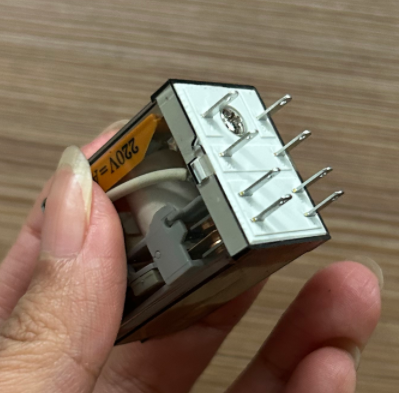
To prevent the oxidation and tarnishing of silver contacts during storage, electronic components must be kept in a highly controlled environment. The optimal storage parameters consist of a relative humidity (RH) maintained strictly between thirty percent and fifty percent, a stable ambient temperature between fifteen and twenty-five degrees Celsius, and a storage atmosphere completely free of sulfur-containing gases, chlorine, and acidic vapors. Furthermore, components should be stored in original, unopened hermetically sealed packaging, utilizing anti-static ESD bags with integrated desiccant packs and cobalt-free humidity indicator cards, while avoiding direct contact with cardboard, paper, or rubber materials that naturally release sulfur compounds over time.
The Chemistry of Silver Contact Oxidation and Tarnishing
To manage silver components effectively, it helps to understand the chemical reactions that cause silver contacts to degrade during storage.
Strictly speaking, pure silver does not oxidize readily in clean air at room temperature; it does not react with oxygen. Instead, what is commonly referred to as silver oxidation is actually tarnishing, which is caused by a chemical reaction with trace amounts of sulfur compounds in the air, primarily hydrogen sulfide (H2S). When silver (Ag) comes into contact with hydrogen sulfide and oxygen, it reacts to form silver sulfide (Ag2S), which appears as a dark grey or black film on the contact surface:
4Ag + 2H2S + O2 - 2Ag2S + 2H2O
Silver sulfide is a highly effective electrical insulator. When a tarnished relay or switch is installed in a circuit, this insulating layer prevents the flow of low-level electrical signals, leading to intermittent contact or total circuit failure. While high-voltage or high-current switching can sometimes burn off this tarnish layer through localized electrical arcing, low-voltage control circuits do not have enough energy to break through the silver sulfide film, making tarnish prevention critical for electronic control systems.
In addition to sulfur, high levels of humidity accelerate this chemical reaction. Water molecules in the air act as a catalyst, absorbing gaseous pollutants and concentrating them on the metal surface of the contacts, which speeds up the tarnish process dramatically.
Defining the Optimal Storage Parameters
Maintaining the optimal storage environment requires precise control over several environmental factors:
Packaging and Handling Best Practices
To ensure that your stored components remain in pristine condition, warehouse operations should implement the following packaging and handling procedures:
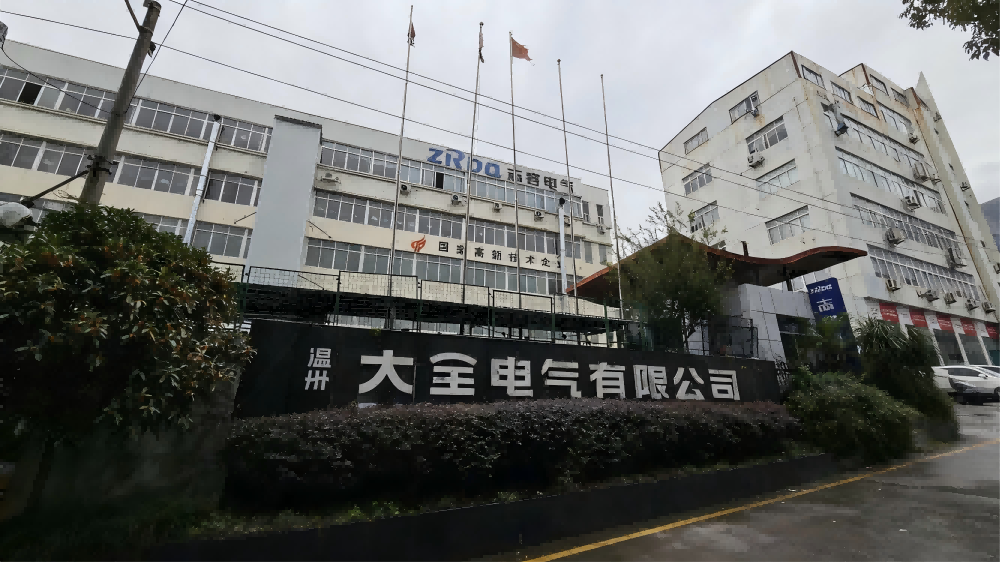
DAQCN Manufacturing: Protected Quality from Factory to Project
At DAQCN, we recognize that the quality of our industrial components is defined by their performance when they are installed on your machinery, not just when they leave our assembly line. To protect our products during transit and storage, we utilize advanced packaging protocols.
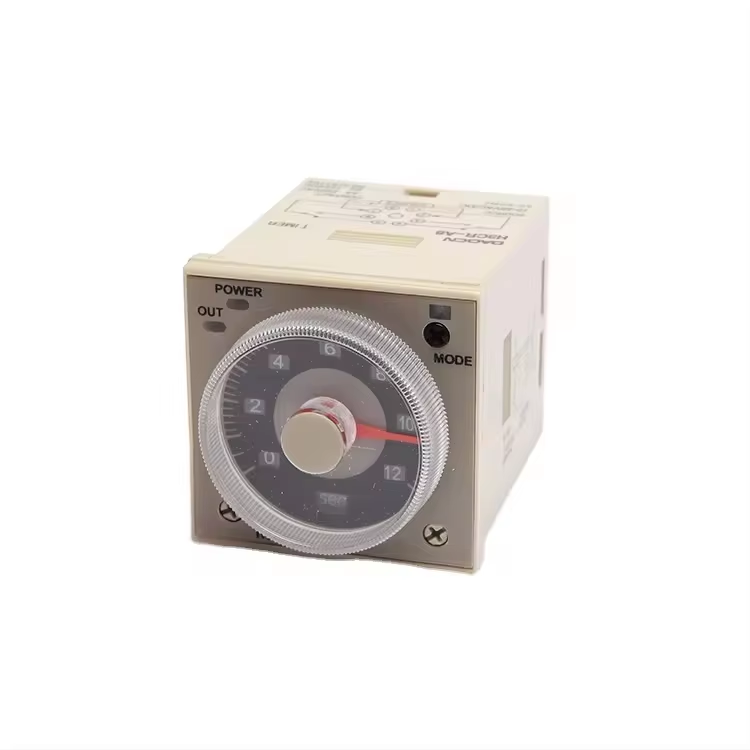
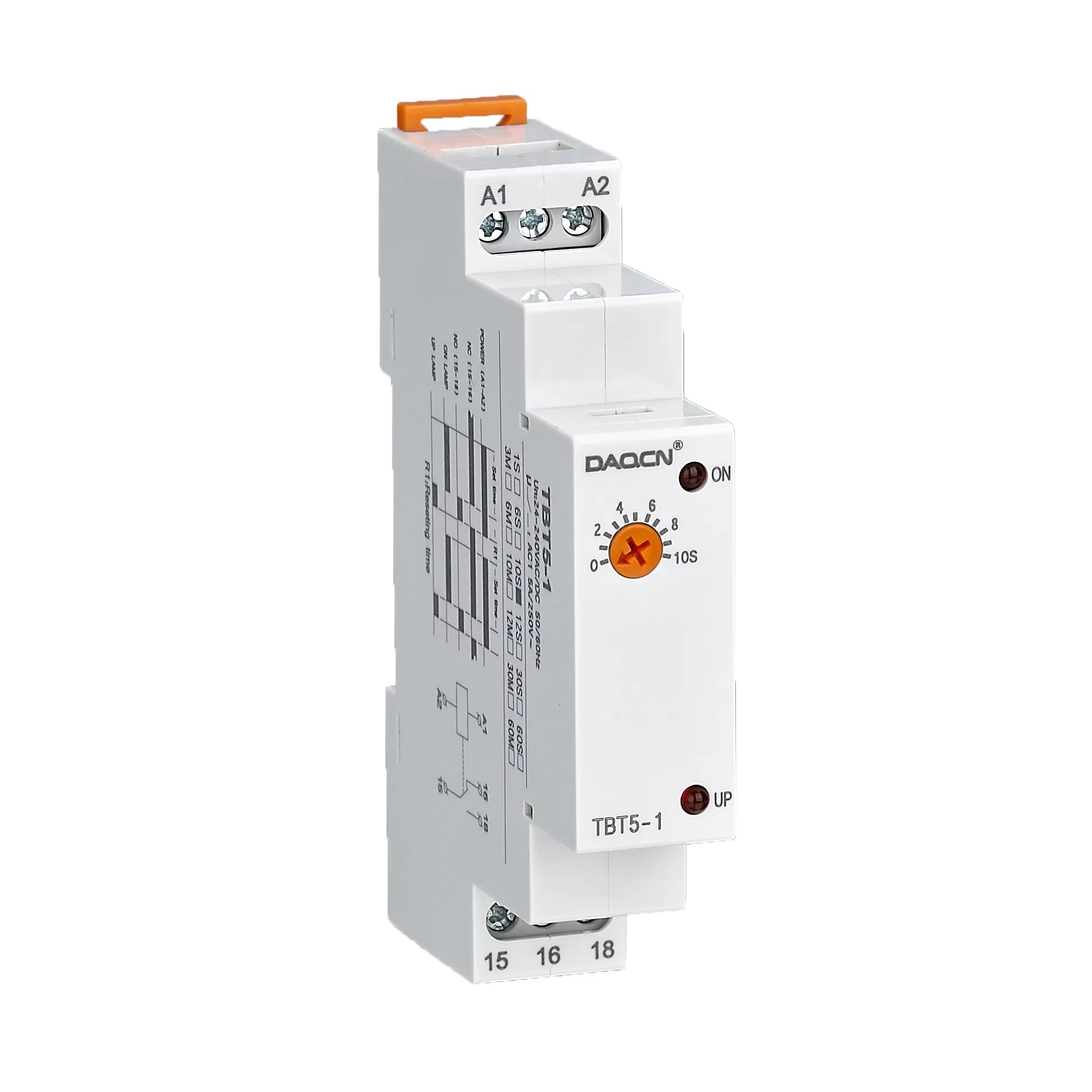
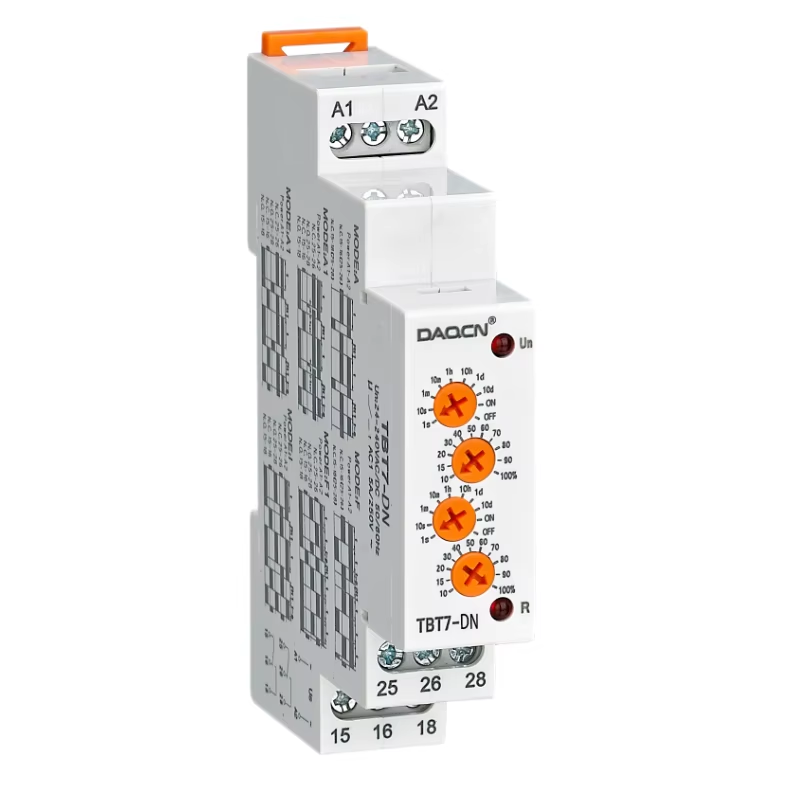
Our industrial relays, timers, and switches are assembled in climate-controlled environments and immediately packaged using moisture-barrier, anti-static materials. For components destined for overseas shipping or long-term B2B storage, we utilize sealed plastic trays and robust outer packaging designed to block the ingress of moisture and environmental sulfur.
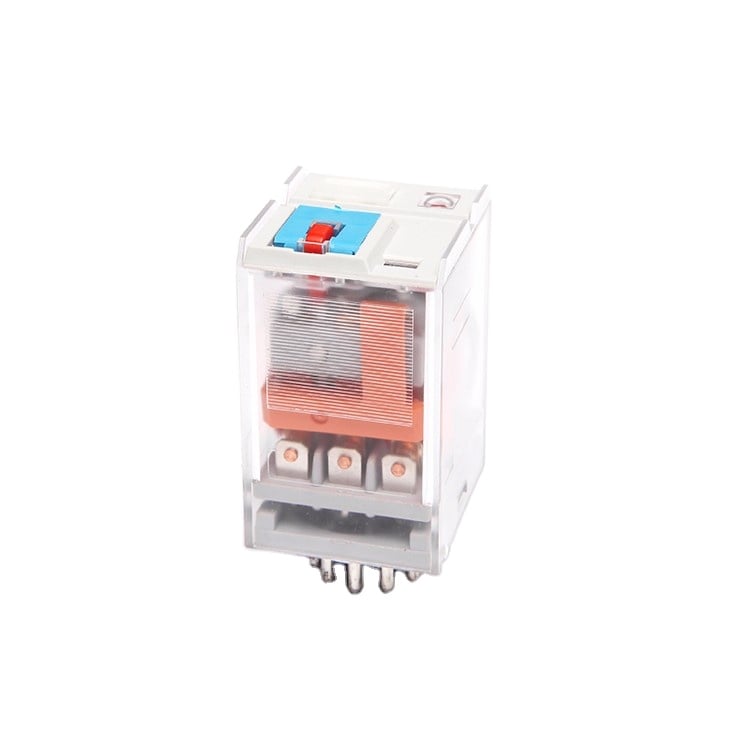
Furthermore, DAQCN select relays are built with special silver-alloy contacts, such as Silver Nickel (AgNi) or Silver Tin Oxide (AgSnO2), which are formulated to provide greater chemical stability and resistance to environmental tarnishing than pure silver contacts, ensuring that our products retain their high conductivity and performance even under less-than-ideal storage conditions.
Conclusion and Storage Sourcing Recommendations
Protecting silver-contact electrical components from tarnishing is a simple but vital part of quality assurance in modern B2B supply chains. By establishing a warehouse climate that maintains relative humidity between thirty and fifty percent and temperatures between fifteen and twenty-five degrees Celsius, and by keeping components in sealed, sulfur-free packaging, procurement and facility managers can eliminate the risk of contact failure due to oxidation. Sourcing your components from quality-conscious manufacturers like DAQCN, who invest in superior protective packaging and chemically stable contact alloys, is the best way to guarantee that your components will perform flawlessly from the moment they are installed on your factory floor.
Discover DAQUAN’s CE/TUV-certified relays, timers, energy meters & WiFi smart switches for industrial automation. ISO9001 factory in Wenzhou, 30 km to airport, global OEM/ODM.
No. 172, Xinguang Avenue, Xinguang Industrial Zone, Liushi Town
Copyright © 2026 WENZHOU DAQUAN ELECTRIC CO.,LTD All rights reserved. Privacy Policy
 EN
EN
 Hot News