
Introduction to Mounting Systems in Demanding Environments
For B2B procurement directors and mechanical systems engineers, designing control cabinets for industrial machinery involves solving complex physical challenges. While electrical specifications like voltage, current, and insulation are critical, physical and mechanical stability are equally vital to overall system reliability. Machinery environments, such as mining equipment, heavy textile looms, stamping presses, and automotive assembly lines, are subject to continuous, high-amplitude mechanical vibration and shock. In these environments, the mechanical interface between an electrical component and the control panel is under constant physical stress. If the mounting system fails, components can shake loose, causing immediate terminal disconnects, physical damage, and costly plant shut-downs. The choice of how to mount electrical components, specifically between DIN-rail mounting and direct screw mounting, is a fundamental decision that directly impacts how well your control systems can withstand long-term vibrational fatigue. This guide provides a detailed technical comparison to help procurement teams make the optimal selection for high-vibration machinery.
Q: How to select the correct mounting (DIN-rail vs. Screw mount) for high-vibration machinery environments?
Answer:
To select the correct mounting system for high-vibration machinery environments, engineers must analyze the frequency, amplitude, and direction of the expected mechanical vibrations. For low-to-moderate vibration environments with a need for rapid maintenance and modularity, a standard DIN-rail mount is acceptable, provided it is secured with heavy-duty metal end brackets and anti-vibration rail clips. However, for high-vibration, high-shock machinery—such as rock crushers, diesel generator sets, or stamping presses—direct screw mounting is the technically superior choice. Screw mounting provides a rigid, positive mechanical connection directly to the panel chassis, eliminating the risk of components sliding, popping off, or experiencing resonance-induced amplification of vibrational energy.
Engineering Overview: DIN-rail Mount vs. Screw Mount
To make an informed selection, it is necessary to compare the mechanics, advantages, and limitations of both mounting methods.
DIN-rail mounting utilizes a standardized thirty-five-millimeter metal rail (often referred to as a top-hat rail) onto which components are clipped. The primary advantages of DIN-rail mounting are speed, modularity, and space efficiency. Technicians can snap components onto the rail in seconds without drilling holes or using mounting screws. This makes DIN-rail systems highly cost-effective for standard control panels. However, DIN-rail mounting relies on a spring-loaded plastic or metal clip on the back of the component to grip the lip of the rail. Under continuous vibration, these spring clips can experience material fatigue. If the clip weakens, the component can slide laterally along the rail or, in extreme cases, pop completely off the rail, hanging loose by its electrical wires.
Screw mounting, or panel mounting, involves securing the component directly to the backplate of the control panel using integrated mounting flanges or ears and threaded fasteners (screws or bolts). This method provides a direct, highly robust mechanical connection. The physical load is distributed across several fixed screw points, making it virtually impossible for the component to detach due to vibration. The primary drawback of screw mounting is that it requires more panel space, precise drilling and tapping of the backplate, and longer installation and replacement times during maintenance.
Evaluating Vibration Severity and Machinery Profile
When specifying mounting methods, project managers must evaluate the machinery's vibration profile:
Best Practices for Securing Components in High-Vibration Settings
Regardless of the mounting method selected, incorporating these engineering best practices will significantly increase physical reliability:
DAQCN Solutions: Robust Mechanical Interface Designs
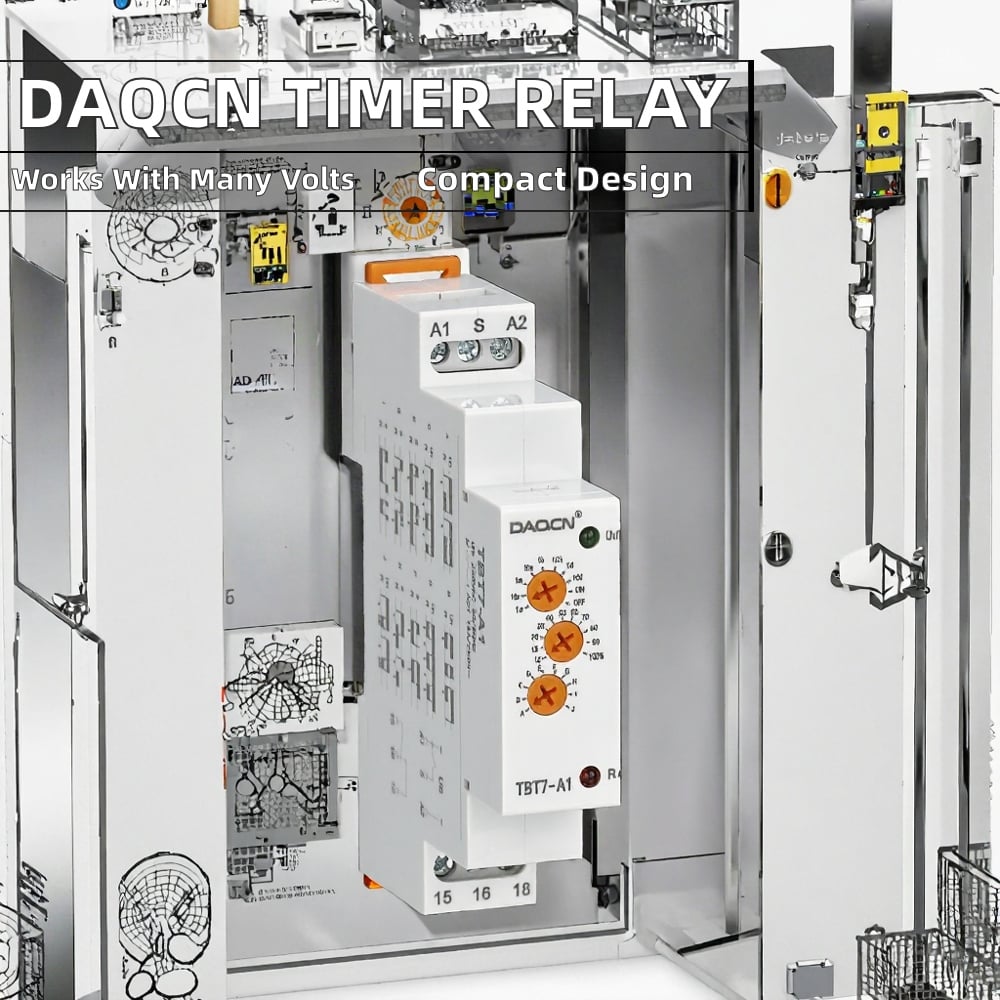
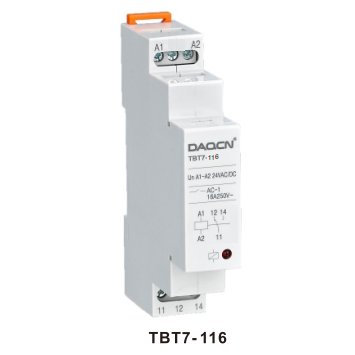
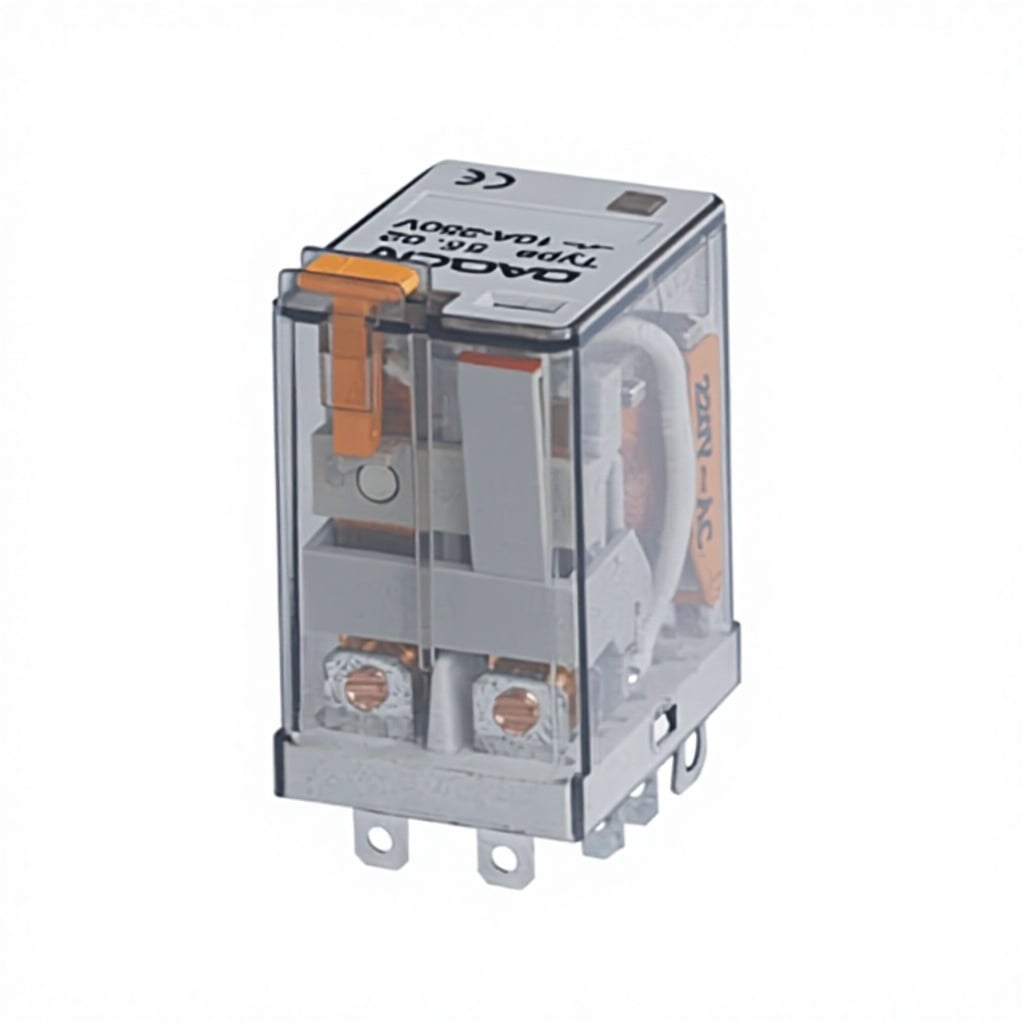
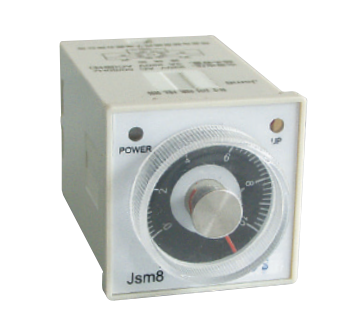
At DAQCN, we recognize that our industrial control products, such as power relays, timers, and phase protectors, must perform flawlessly in the world's most demanding physical environments. To accommodate diverse installation requirements, we design many of our products with dual-mounting capabilities.
DAQCN dual-mount components feature both a heavy-duty, reinforced DIN-rail spring clip on the back and integrated screw-mounting tabs with brass-reinforced screw holes on the outer flanges. This gives project managers the flexibility to standardize on a single DAQCN product model while using fast DIN-rail mounting for standard panels and robust direct screw-mounting for high-vibration machinery sections.
Our plastic housings are molded from high-impact, glass-filled polycarbonate materials, ensuring that our mounting flanges and spring clips do not become brittle or fracture under continuous physical stress and temperature variations.
Conclusion and Sourcing Summary
Selecting the correct mounting system is a fundamental step in ensuring the physical reliability of industrial electrical panels. For high-vibration and high-shock machinery, direct screw mounting with thread-locking fasteners is the safest, most durable engineering choice. For standard control applications where modularity is preferred, DIN-rail mounting is excellent, provided high-quality steel rails and secure end brackets are utilized. By partnering with manufacturers like DAQCN who offer dual-mounting flexibility and high-durability housing designs, B2B procurement professionals can streamline inventory, reduce project design complexity, and guarantee long-term operational success under any physical conditions.
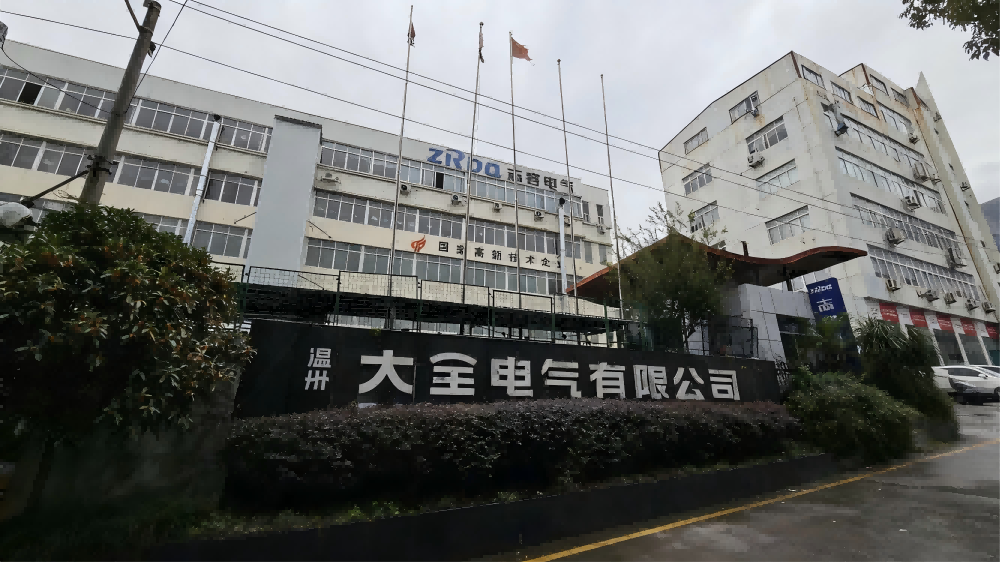
Discover DAQUAN’s CE/TUV-certified relays, timers, energy meters & WiFi smart switches for industrial automation. ISO9001 factory in Wenzhou, 30 km to airport, global OEM/ODM.
No. 172, Xinguang Avenue, Xinguang Industrial Zone, Liushi Town
Copyright © 2026 WENZHOU DAQUAN ELECTRIC CO.,LTD All rights reserved. Privacy Policy
 EN
EN
 Hot News