

Introduction to Medical-Grade Power Reliability
In the field of medical technology, power supply design is a matter of life and death. Modern hospitals and intensive care units rely on a complex network of sensitive electronic equipment, including ventilators, patient monitors, dialysis machines, and surgical lasers. These devices require extremely stable electrical power to operate safely and accurately. Any voltage fluctuation, such as an overvoltage surge or undervoltage brownout, can damage delicate medical microprocessors, corrupt patient data, or cause equipment to shut down unexpectedly during critical procedures. While medical-grade power supplies are designed with high internal reliability, relying on a single layer of defense is a dangerous practice. For B2B procurement directors, medical facility project managers, and system designers, implementing a redundant, fail-safe backup system using secondary voltage protectors is a vital engineering standard. This secondary protection layer ensures that even if the primary power supply or internal regulator fails, critical life-support equipment remains completely isolated from dangerous voltage anomalies.
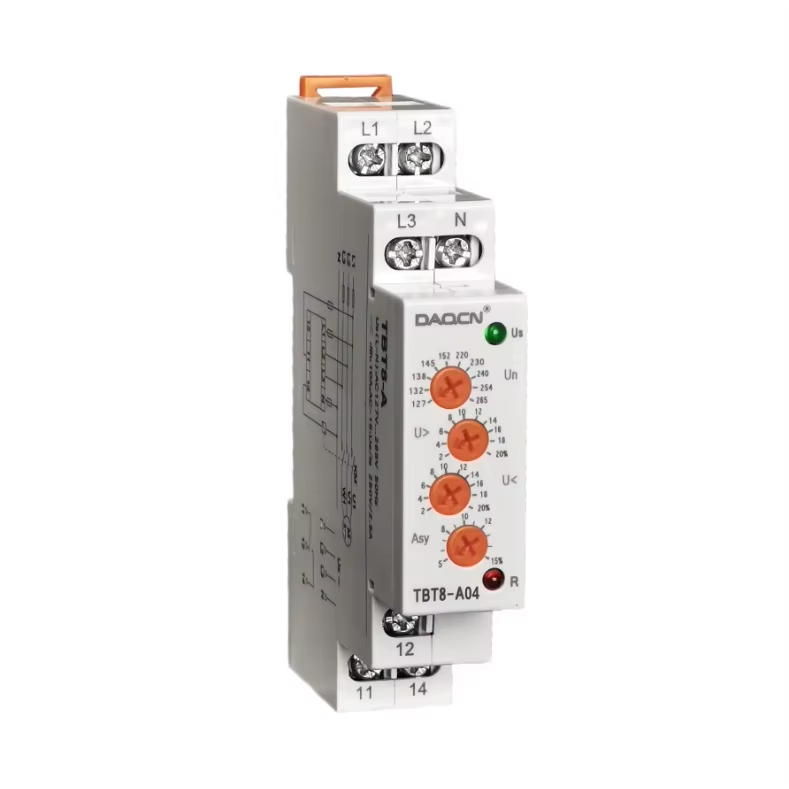
Q: How to design a fail-safe backup using secondary voltage protectors for critical medical power supplies?
Answer:
To design a fail-safe backup using secondary voltage protectors for critical medical power supplies, engineers must implement a dual-layer, redundant architecture. This involves installing an independent secondary voltage monitoring relay downstream of the primary power supply, configured in a normally-closed, fail-safe wiring arrangement. In this design, the secondary protector continuously monitors the output voltage. If the primary supply's internal feedback loop fails and causes an overvoltage or undervoltage condition, the secondary protector must disconnect the primary supply from the load in less than twenty milliseconds, while simultaneously triggering an audible alarm and automatically switching the critical load to a separate, isolated battery backup or secondary uninterruptible power supply (UPS) system.
The Need for Dual-Layer Protection in Medical Applications
To understand why secondary voltage protectors are so critical, it is necessary to examine the failure modes of standard primary power supplies.
Most medical-grade switched-mode power supplies (SMPS) utilize an internal feedback loop, consisting of optocouplers and integrated circuits, to regulate output voltage within tight tolerances. However, these electronic components can degrade or fail due to high operating temperatures, electrical noise, or age. If the optocoupler in the feedback loop fails, the power supply's output voltage can soar to unregulated, destructive levels—a condition known as run-away overvoltage.
While primary power supplies often include basic, integrated overvoltage protection (OVP) such as zener diodes or crowbar circuits, these internal protections are located on the same circuit board as the regulator. A major surge or component failure can damage both the regulator and the internal protection circuit simultaneously. Therefore, an independent, physically separated, and electromagnetically isolated secondary voltage protector is required to act as a reliable backstop, ensuring that a single component failure cannot lead to complete system destruction.
Designing the Fail-Safe System Architecture
Implementing a robust, redundant backup system requires a systematic approach to wiring and control logic:
Selecting Component Specifications: Speed, Accuracy, and Isolation
When sourcing secondary voltage protectors for medical systems, procurement directors must evaluate several critical performance metrics:
DAQCN Solutions: Medical-Grade Voltage Monitoring Relays
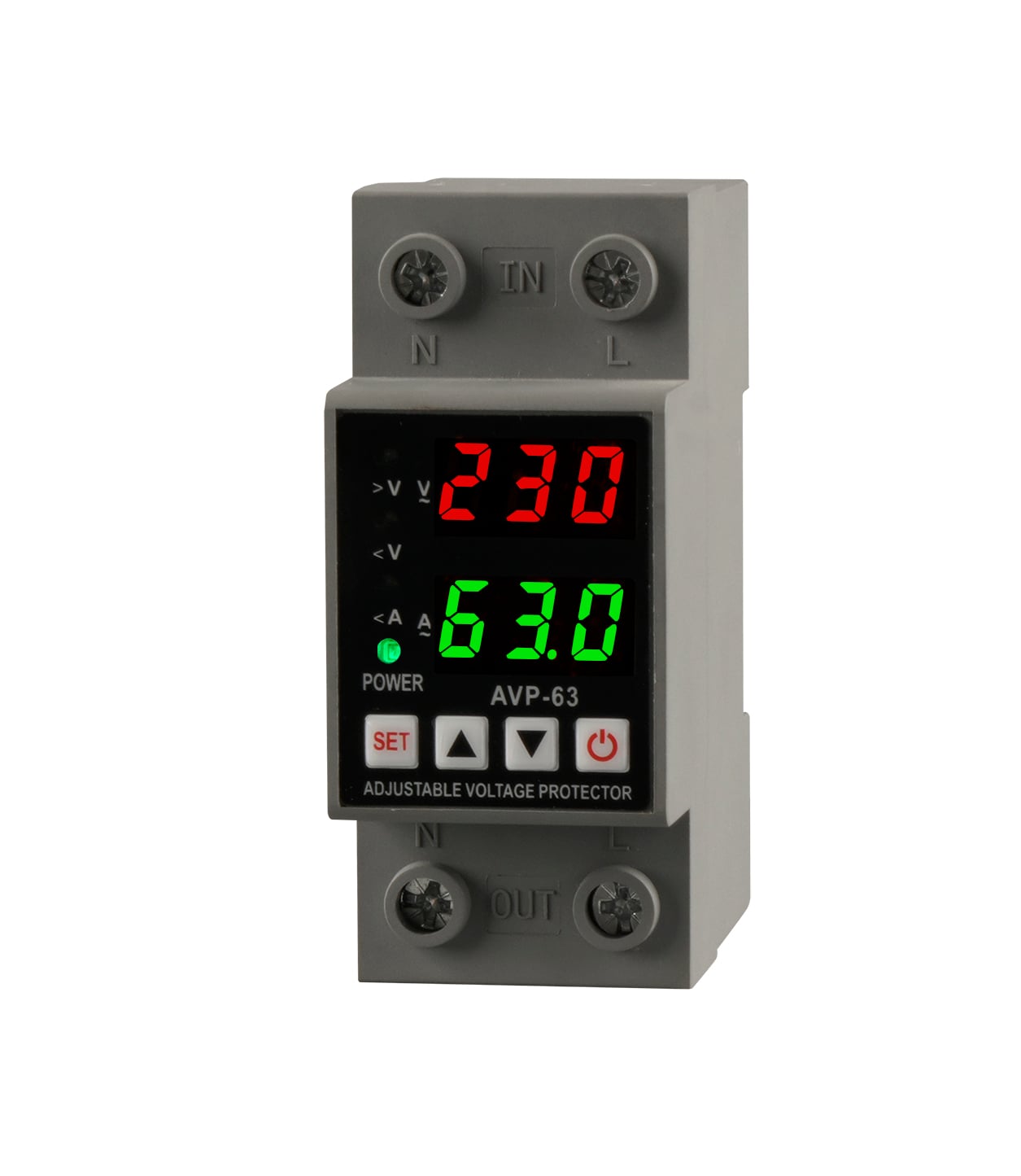
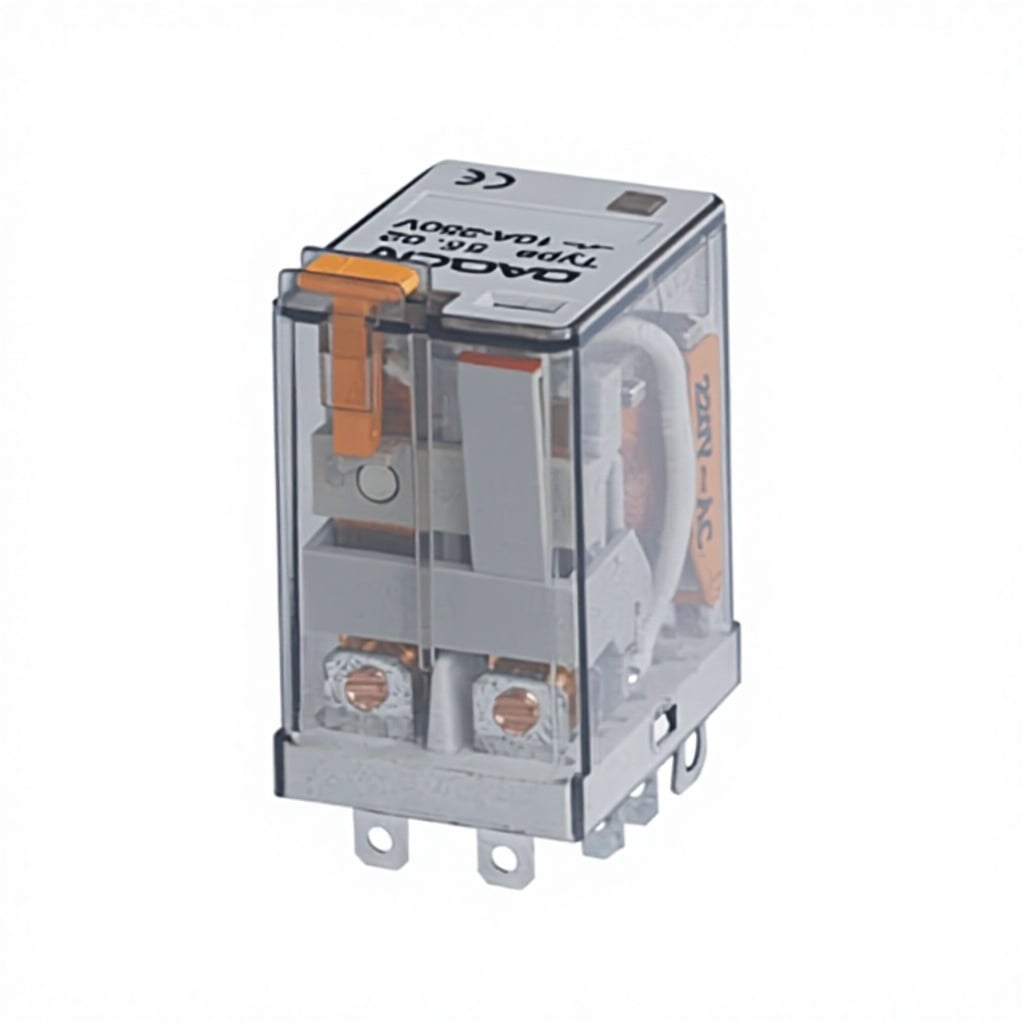
At DAQCN, we specialize in high-precision voltage monitoring and protection relays engineered for critical industrial and healthcare applications. Our protective relays utilize advanced microprocessors that sample voltage waveforms continuously, delivering outstanding measurement accuracy and extremely fast response times down to ten milliseconds.
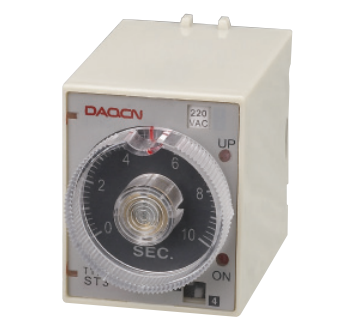
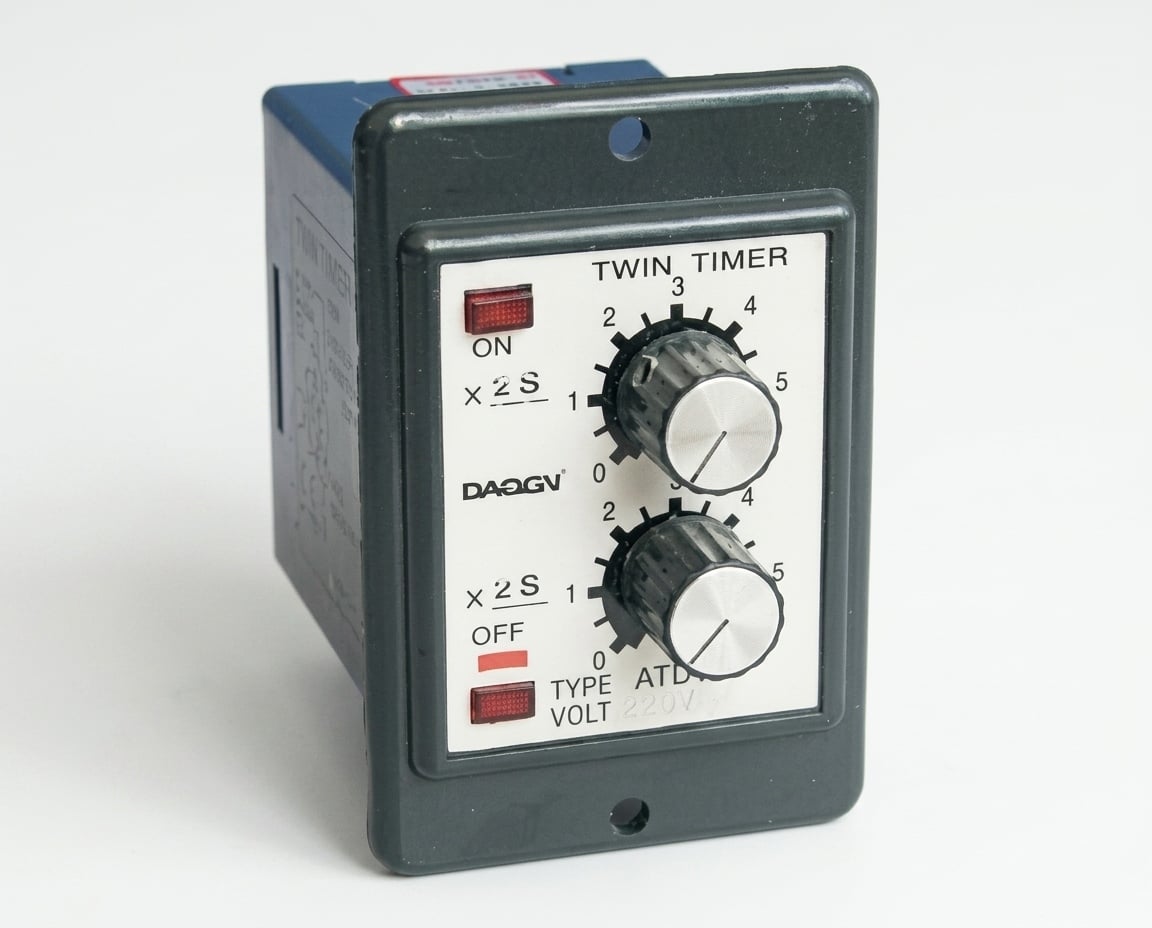
DAQCN voltage protectors feature adjustable overvoltage and undervoltage trip thresholds, as well as adjustable delay timers to prevent nuisance tripping from brief, harmless starting surges. Our products are housed in flame-retardant, high-dielectric materials that offer exceptional galvanic isolation, fully compliant with international safety and electromagnetic compatibility standards.
By integrating DAQCN voltage monitoring relays into your medical-grade power supply systems, you can establish a robust, fail-safe secondary protection layer that guarantees continuous power delivery and absolute safety for critical patient-care environments.
Conclusion and Sourcing Advice
In critical medical power supply design, redundancy is not a luxury—it is an absolute necessity. Designing a dual-layer backup system using high-speed, independent secondary voltage protectors is the most effective way to safeguard patient life and protect valuable medical equipment from catastrophic power failures. When sourcing these protective devices, B2B procurement teams must prioritize fast response times, high measurement precision, robust galvanic isolation, and fail-safe, normally-closed wiring designs. Partnering with a specialized, quality-focused manufacturer like DAQCN ensures that your critical medical installations are backed by the highest grade of electrical protection, delivering peace of mind to healthcare providers and patients alike.
Discover DAQUAN’s CE/TUV-certified relays, timers, energy meters & WiFi smart switches for industrial automation. ISO9001 factory in Wenzhou, 30 km to airport, global OEM/ODM.
No. 172, Xinguang Avenue, Xinguang Industrial Zone, Liushi Town
Copyright © 2026 WENZHOU DAQUAN ELECTRIC CO.,LTD All rights reserved. Privacy Policy
 EN
EN
 Hot News