 EN
EN

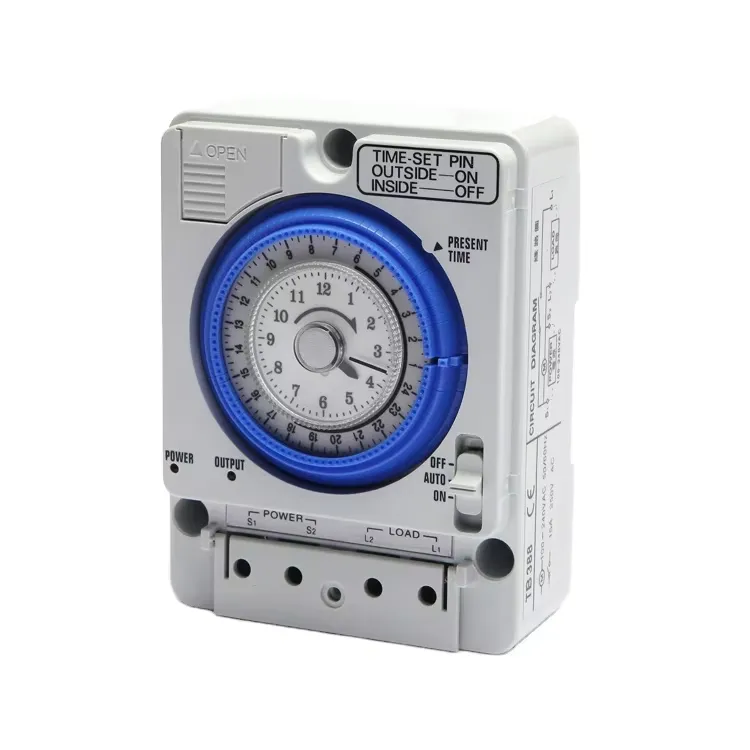
A timer relay serves as a critical component in electrical circuit control systems, providing precise timing functions that enable automated switching operations across numerous industrial and commercial applications. These sophisticated devices combine the reliability of traditional relays with advanced timing capabilities, allowing engineers to design circuits that operate on predetermined schedules or respond to specific timing requirements. Understanding how a timer relay functions within electrical circuits is essential for professionals working in automation, manufacturing, and electrical system design, as these components form the backbone of modern timing-controlled systems.
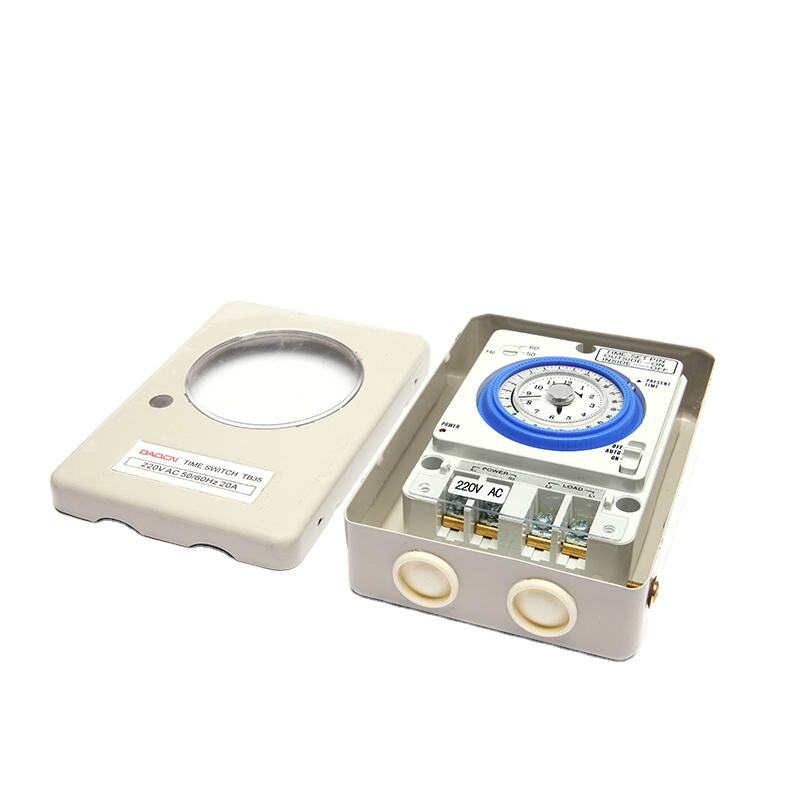
Fundamental Operating Principles of Timer Relays
Core Functionality and Circuit Integration
The fundamental operation of a timer relay involves receiving an input signal and then providing a delayed output response based on pre-configured timing parameters. When integrated into electrical circuits, the timer relay acts as an intelligent switching device that can either delay the activation of connected components or maintain power to specific circuit branches for predetermined durations. This timing functionality enables precise control over motor startups, heating elements, lighting systems, and various automated processes that require sequential or delayed operations.
Modern timer relay designs incorporate both mechanical and electronic timing mechanisms, with electronic versions offering superior accuracy and repeatability. The timing element within the device monitors the input signal and counts down or up to the specified time value before activating or deactivating the output contacts. This precise timing control allows electrical circuits to operate with remarkable consistency, ensuring that connected equipment receives power at exactly the right moments to optimize performance and prevent operational conflicts.
Input Signal Processing and Response Mechanisms
The input processing capability of a timer relay determines how effectively it can interpret control signals within complex electrical circuits. These devices typically accept various input voltages and signal types, including AC and DC power sources, enabling flexible integration across different circuit architectures. The timer relay continuously monitors its input terminals for voltage presence, voltage changes, or specific signal patterns that trigger its internal timing sequence.
Upon receiving the appropriate input signal, the internal timing mechanism begins its programmed sequence, which may involve immediate activation, delayed response, or pulse generation depending on the selected operating mode. The sophistication of modern timer relay designs allows for multiple timing functions within a single device, providing engineers with versatile solutions for complex circuit control requirements. This adaptability makes the timer relay an invaluable component in electrical systems where precise timing coordination between multiple circuits is essential.
Circuit Control Methods and Applications
Direct Load Control Techniques
Direct load control represents the most straightforward application of timer relay technology in electrical circuits, where the device directly switches power to connected equipment based on timing parameters. In this configuration, the timer relay output contacts handle the full load current, eliminating the need for intermediate switching devices while providing reliable timing control. This approach proves particularly effective in applications involving resistive loads, small motors, and lighting systems where the current requirements fall within the relay's contact rating specifications.
The direct control method offers several advantages in circuit design, including reduced component count, simplified wiring, and enhanced system reliability through fewer potential failure points. However, engineers must carefully consider the electrical characteristics of connected loads to ensure proper timer relay selection and prevent contact degradation due to excessive current or voltage stress. Proper load matching ensures optimal performance and extends the operational lifespan of both the timing device and connected circuit components.
Intermediate Control Circuit Applications
Intermediate control applications utilize the timer relay to operate secondary switching devices, such as contactors or motor starters, rather than directly controlling the final load. This approach enables the timer relay to manage high-power circuits while operating at relatively low control voltages and currents, significantly expanding the range of applications where timing control can be effectively implemented. The timer relay output energizes the coil of a larger switching device, which then handles the main power circuit connections.
This control methodology proves essential in industrial applications involving large motors, heating systems, or other high-power equipment where direct switching would exceed the capabilities of standard timer relay contacts. By separating the timing function from the power switching function, engineers can design more robust and maintainable electrical systems that benefit from precise timing control without compromising safety or reliability. The intermediate control approach also facilitates easier system modifications and troubleshooting, as timing adjustments can be made without affecting main power connections.
Timing Function Modes and Configuration Options
Delay-On and Delay-Off Operations
Delay-on operation represents one of the most commonly utilized timer relay functions, where the device waits for a specified time period after receiving an input signal before activating its output contacts. This timing mode proves invaluable in applications requiring sequential startup procedures, such as motor control systems where multiple motors must start in a predetermined order to prevent excessive power demand or mechanical interference. The delay-on function ensures that each circuit component receives power at precisely the right moment to maintain optimal system performance.
Conversely, delay-off operation maintains output activation for a specified duration after the input signal is removed, providing continued power to connected circuits even when the control signal disappears. This functionality proves essential in applications such as ventilation systems, where fans must continue operating for a predetermined period after equipment shutdown to ensure proper cooling or air circulation. The flexibility of modern timer relay designs allows for easy switching between delay-on and delay-off modes, accommodating diverse application requirements within the same device platform.
Pulse and Interval Timing Functions
Pulse timing functions enable the timer relay to generate output signals of predetermined duration regardless of input signal length, creating standardized control pulses for downstream circuit components. This capability proves particularly valuable in applications requiring consistent signal timing, such as valve control systems, where precise actuation periods ensure optimal flow control and prevent system instability. The pulse function transforms variable input signals into reliable, repeatable output timing that enhances overall circuit performance.
Interval timing functions provide periodic output activation at regular intervals, enabling automated cycling operations without continuous input signal management. This timing mode supports applications such as intermittent equipment operation, periodic sampling systems, and maintenance reminder circuits where regular activation schedules are essential for proper system function. The combination of pulse and interval timing capabilities within a single timer relay platform provides engineers with comprehensive timing solutions for complex circuit control requirements.
Installation and Wiring Considerations
Electrical Connection Requirements
Proper electrical connections form the foundation of effective timer relay integration within electrical circuits, requiring careful attention to voltage compatibility, current ratings, and signal types to ensure reliable operation. The timer relay input terminals must receive appropriate voltage levels that match the device specifications, while output connections must be sized to handle the expected load current without exceeding contact ratings. Understanding these electrical requirements prevents component damage and ensures consistent timing performance throughout the operational lifespan.
Wire sizing and routing considerations play crucial roles in timer relay installation success, as inadequate conductors can introduce voltage drops that affect timing accuracy, while improper routing may create electromagnetic interference that disrupts normal operation. Professional installation practices include using appropriately rated conductors, maintaining proper wire separation between control and power circuits, and implementing adequate grounding techniques to minimize electrical noise and ensure safe operation within the overall circuit architecture.
Environmental and Mounting Factors
Environmental conditions significantly impact timer relay performance and longevity, making proper selection and mounting essential for reliable circuit control applications. Temperature extremes, humidity levels, and vibration exposure all affect the internal components of timing devices, potentially altering timing accuracy or causing premature failure if not properly addressed during installation planning. Understanding environmental specifications ensures that the selected timer relay will maintain consistent performance under actual operating conditions.
Mounting considerations encompass both mechanical support and thermal management, as proper device positioning affects heat dissipation and protects against mechanical damage from vibration or shock. Standard DIN rail mounting provides secure installation while facilitating easy maintenance access, though alternative mounting methods may be necessary in specialized applications. Proper mounting techniques ensure that the timer relay remains securely positioned while maintaining adequate ventilation for optimal thermal performance throughout its operational life.
Troubleshooting and Maintenance Practices
Common Operational Issues and Solutions
Common timer relay operational issues typically involve timing inaccuracies, contact problems, or complete device failure, each requiring systematic diagnostic approaches to identify root causes and implement effective solutions. Timing inaccuracies may result from voltage variations, temperature effects, or component aging, necessitating careful measurement of input conditions and comparison with device specifications to determine appropriate corrective actions. Understanding these potential issues enables maintenance personnel to quickly identify and resolve problems before they impact overall circuit performance.
Contact-related problems often manifest as intermittent operation, excessive heating, or complete switching failure, typically caused by load current exceeding contact ratings, inadequate contact maintenance, or environmental contamination. Regular inspection of contact condition and load characteristics helps prevent these issues, while proper load matching and periodic contact cleaning maintain optimal switching performance. Implementing preventive maintenance procedures significantly reduces the likelihood of unexpected timer relay failures and associated circuit disruptions.
Preventive Maintenance and Performance Monitoring
Preventive maintenance programs for timer relay applications should include regular timing verification, contact inspection, and environmental monitoring to ensure continued reliable operation within electrical circuits. Timing verification involves measuring actual delay periods against programmed values using precision timing instruments, identifying drift trends that may indicate impending component issues. This proactive approach enables maintenance teams to address potential problems before they result in circuit malfunctions or equipment damage.
Performance monitoring techniques include temperature measurement, vibration analysis, and electrical parameter tracking to assess overall timer relay health and predict maintenance requirements. Modern diagnostic tools enable comprehensive evaluation of timing device performance without circuit interruption, facilitating condition-based maintenance strategies that optimize equipment availability while minimizing maintenance costs. Regular monitoring data provides valuable insights into long-term performance trends and helps establish optimal replacement schedules for critical timing applications.
FAQ
What voltage levels do timer relays typically operate with in electrical circuits
Timer relays are designed to operate with a wide range of voltage levels to accommodate diverse electrical circuit requirements, typically supporting both AC and DC input voltages from 12V to 480V depending on the specific model and application. Most industrial timer relays accept standard control voltages such as 24V DC, 120V AC, and 240V AC, while specialized versions may handle higher voltages for specific applications. The output contact ratings usually range from 5A to 16A at various voltage levels, enabling direct control of moderate loads or operation of larger contactors for high-power applications. When selecting a timer relay for circuit integration, engineers must ensure that both input and output voltage specifications match the system requirements to prevent damage and ensure reliable operation.
How accurate are timer relay timing functions compared to other timing devices
Modern electronic timer relays typically provide timing accuracy within ±0.1% to ±1% of the set value under normal operating conditions, making them highly suitable for precise circuit control applications. This accuracy level surpasses mechanical timing devices and approaches the performance of dedicated timing controllers, while offering superior cost-effectiveness for most industrial applications. Factors affecting timing accuracy include ambient temperature variations, supply voltage stability, and component aging, though quality timer relays incorporate temperature compensation and voltage regulation to minimize these effects. For applications requiring even higher precision, specialized timing modules may be necessary, but standard timer relays meet the accuracy requirements of most electrical circuit control applications effectively.
Can multiple timer relays be connected together for complex timing sequences
Multiple timer relays can indeed be interconnected to create complex timing sequences, enabling sophisticated circuit control scenarios that require multiple delayed actions or sequential operations. Common interconnection methods include cascading timer relays where one device triggers the next in sequence, parallel operation for simultaneous timing functions, and feedback loops for cyclic operations. The output contacts of one timer relay can serve as input signals for subsequent devices, creating elaborate timing chains that coordinate multiple circuit functions with precise temporal relationships. When designing multi-relay timing systems, engineers must consider signal compatibility, power requirements, and overall system complexity to ensure reliable operation and maintainable circuit designs.
What maintenance is required to keep timer relays functioning properly in electrical circuits
Regular maintenance for timer relays in electrical circuits includes periodic timing verification, contact inspection, connection tightening, and environmental monitoring to ensure continued reliable operation. Timing verification should be performed annually or according to manufacturer recommendations using calibrated timing instruments to confirm accuracy within specified tolerances. Contact inspection involves checking for signs of arcing, corrosion, or mechanical wear that could affect switching performance, while connection inspection ensures proper torque on terminal screws and absence of corrosion or looseness. Environmental factors such as temperature, humidity, and vibration should be monitored to verify operation within design parameters, and protective enclosures should be inspected for proper sealing and ventilation to maintain optimal operating conditions throughout the timer relay service life.
Table of Contents
- Fundamental Operating Principles of Timer Relays
- Circuit Control Methods and Applications
- Timing Function Modes and Configuration Options
- Installation and Wiring Considerations
- Troubleshooting and Maintenance Practices
-
FAQ
- What voltage levels do timer relays typically operate with in electrical circuits
- How accurate are timer relay timing functions compared to other timing devices
- Can multiple timer relays be connected together for complex timing sequences
- What maintenance is required to keep timer relays functioning properly in electrical circuits