 EN
EN

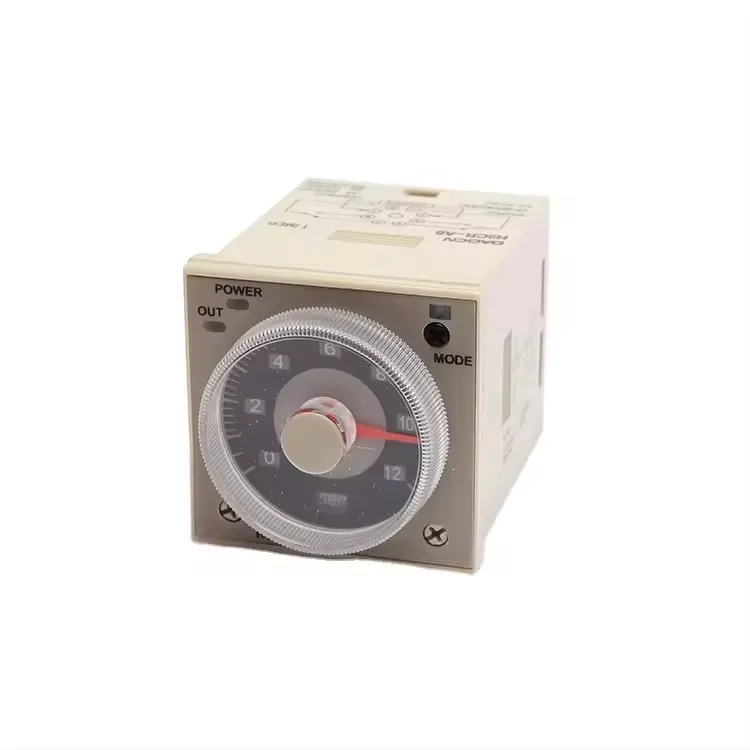
Industrial automation systems require precise timing control to ensure optimal performance, safety, and efficiency across manufacturing processes. A timer relay serves as a crucial component in these systems, providing accurate time-based switching capabilities that enable automated sequences and protect equipment from operational hazards. Understanding when to implement timer relay solutions can significantly improve your facility's productivity while reducing maintenance costs and operational downtime.
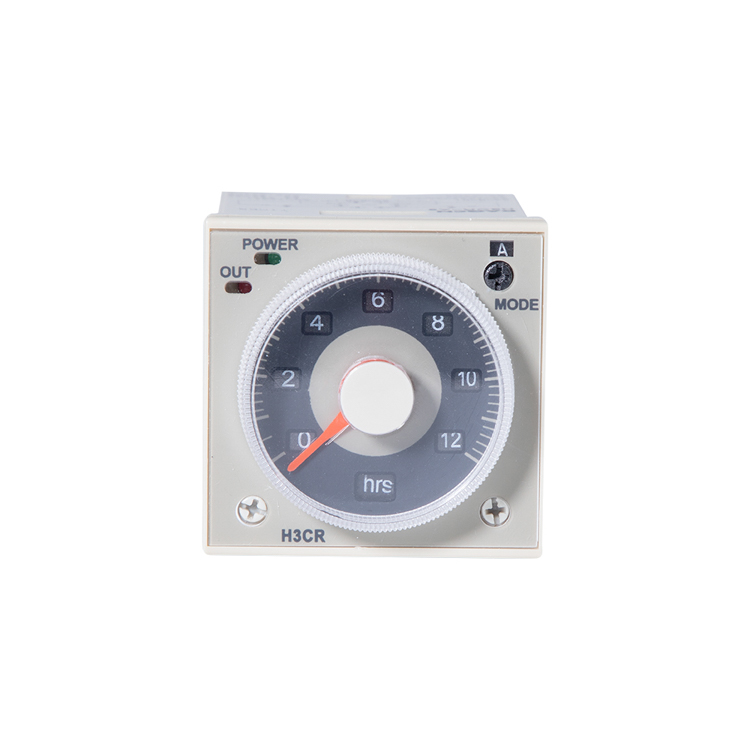
Understanding Timer Relay Applications in Industrial Settings
Motor Protection and Start-Up Sequences
Heavy industrial motors require controlled start-up procedures to prevent damage from inrush currents and mechanical stress. A timer relay provides the necessary delay mechanisms to ensure proper sequencing of motor starts, especially in applications involving multiple motors or complex machinery. This controlled approach extends equipment lifespan and reduces the likelihood of costly repairs or replacements.
During motor start-up operations, timer relay circuits can introduce graduated delays that allow each component to reach operational status before the next system element engages. This staged approach prevents electrical overload conditions and mechanical shock that could compromise system integrity. Manufacturing facilities implementing proper timer relay controls typically experience 30-40% fewer motor-related maintenance issues compared to facilities without such protective measures.
HVAC System Automation
Commercial and industrial HVAC systems benefit significantly from timer relay integration, particularly in applications requiring sequential fan operation, damper control, and temperature regulation cycles. The precise timing control offered by these devices ensures optimal energy consumption while maintaining desired environmental conditions throughout large facilities.
Timer relay applications in HVAC systems include coordinating multiple zone controls, managing defrost cycles in refrigeration units, and implementing energy-saving schedules during off-peak hours. These automated sequences reduce operator intervention requirements while ensuring consistent performance across diverse climate control applications.
Critical Safety Applications Requiring Timer Relays
Emergency Shutdown Procedures
Safety-critical industrial processes often require controlled shutdown sequences when emergency conditions arise. A timer relay ensures that shutdown procedures follow predetermined sequences, allowing sufficient time for safe equipment deactivation and process stabilization. This controlled approach prevents dangerous conditions that could result from immediate or uncontrolled system shutdowns.
Emergency response systems incorporating timer relay technology can manage complex shutdown sequences involving multiple process stages, ensuring that each system component receives appropriate deactivation time. This methodical approach protects both personnel and equipment while maintaining compliance with industrial safety regulations and standards.
Gas Detection and Ventilation Control
Industrial facilities handling hazardous materials require sophisticated ventilation control systems that respond to gas detection alarms with precise timing sequences. Timer relay circuits provide the necessary control logic to activate emergency ventilation fans, open exhaust dampers, and maintain safe atmospheric conditions during hazardous material incidents.
These safety applications demand reliable timing control that functions consistently under emergency conditions, making timer relay selection critical for maintaining operational safety standards. Facilities implementing comprehensive timer relay-based safety systems demonstrate significantly improved emergency response capabilities and regulatory compliance records.
Process Control and Manufacturing Automation
Conveyor System Management
Manufacturing conveyor systems require precise timing control to manage material flow, prevent bottlenecks, and coordinate multiple production lines. Timer relay applications in conveyor control include managing belt speeds, coordinating transfer points, and implementing automatic start-stop sequences based on production demands.
Advanced conveyor systems utilize multiple timer relay circuits to create sophisticated material handling sequences that optimize throughput while preventing equipment overload. These automated systems reduce labor requirements and improve production consistency across diverse manufacturing environments.
Chemical Processing and Batch Control
Chemical processing operations depend on precise timing control for mixing sequences, reaction times, and material transfer procedures. A timer relay provides the accuracy and reliability required for these critical process control applications, ensuring consistent product quality and safe operational conditions.
Batch processing systems incorporating timer relay technology can execute complex recipes with minimal operator intervention, reducing human error potential while maintaining strict process parameters. This automated approach improves production efficiency and product consistency across multiple batch cycles.
Maintenance and Equipment Longevity Benefits
Preventive Maintenance Scheduling
Timer relay systems can automate preventive maintenance schedules by tracking equipment operating hours and triggering maintenance alerts at predetermined intervals. This proactive approach extends equipment lifespan and reduces unexpected downtime that could disrupt production schedules.
Automated maintenance scheduling through timer relay control eliminates the guesswork associated with traditional time-based maintenance programs. Equipment receives attention based on actual operating hours rather than calendar schedules, optimizing maintenance resources and improving overall equipment effectiveness.
Equipment Cycling and Rest Periods
Continuous operation equipment benefits from programmed rest periods that prevent overheating and mechanical wear. Timer relay circuits can implement automatic cycling schedules that provide equipment rest intervals while maintaining overall system productivity.
These cycling applications are particularly valuable in pump stations, compressor systems, and other continuous-duty equipment where operational breaks can significantly extend service life. Facilities implementing timer relay-controlled cycling typically achieve 20-30% longer equipment service intervals compared to continuous operation scenarios.
Energy Management and Cost Reduction
Load Shedding and Peak Demand Control
Industrial facilities can significantly reduce energy costs through timer relay-controlled load shedding programs that temporarily reduce electrical consumption during peak demand periods. These automated systems monitor electrical usage and implement predetermined load reduction sequences when demand limits approach.
Timer relay applications in energy management include coordinating multiple load shedding events, managing equipment restart sequences after demand reduction periods, and optimizing electrical consumption patterns throughout daily operational cycles. These strategies typically result in 15-25% reductions in peak demand charges.
Off-Peak Equipment Operation
Non-critical equipment operations can be scheduled during off-peak energy periods through timer relay automation, taking advantage of reduced utility rates while maintaining necessary operational functions. This approach maximizes energy cost savings without compromising production requirements.
Applications include scheduling equipment cleaning cycles, charging battery backup systems, and running auxiliary equipment during periods of lowest energy costs. Timer relay control ensures these operations occur automatically without requiring operator intervention or schedule management.
Selection Criteria for Timer Relay Applications
Environmental Considerations
Industrial timer relay selection must account for environmental conditions including temperature extremes, moisture levels, vibration, and electromagnetic interference. DIN rail mount timer relay units offer enhanced durability and simplified installation in challenging industrial environments.
Environmental ratings such as IP protection levels and operating temperature ranges become critical factors when specifying timer relay components for harsh industrial applications. Proper selection ensures reliable operation throughout the intended service life while minimizing maintenance requirements.
Timing Range and Accuracy Requirements
Different applications require varying timing ranges and accuracy levels, from millisecond precision for high-speed manufacturing processes to hour-long delays for batch operations. Timer relay selection must match these specific timing requirements to ensure optimal system performance.
Multi-function timer relay units provide flexibility for applications requiring different timing modes or adjustable time ranges. This versatility reduces inventory requirements while providing options for future system modifications or expansions.
FAQ
What is the difference between a timer relay and a standard relay?
A timer relay incorporates time-delay functionality that allows controlled switching operations based on predetermined time intervals, while a standard relay provides immediate switching without timing control. Timer relay units include internal timing circuits and adjustment mechanisms that enable precise control over switching sequences, making them essential for applications requiring delayed or timed responses in industrial automation systems.
How do you determine the appropriate timing range for a timer relay application?
Determining appropriate timing ranges requires analyzing the specific process requirements, equipment response times, and safety considerations for your application. Consider factors such as motor start-up times, process settling periods, and emergency response requirements. Timer relay units typically offer adjustable ranges from milliseconds to hours, allowing selection based on your specific operational needs and providing flexibility for future adjustments.
Can timer relays be used in hazardous environments?
Yes, timer relay units designed for hazardous environments feature specialized enclosures and certifications that ensure safe operation in explosive atmospheres or corrosive conditions. These units typically carry appropriate hazardous location certifications such as ATEX or UL listings and incorporate enhanced sealing, corrosion-resistant materials, and explosion-proof designs that meet stringent safety requirements for chemical, petrochemical, and similar industrial applications.
What maintenance is required for timer relay systems?
Timer relay maintenance typically involves periodic inspection of connections, verification of timing accuracy, and cleaning of enclosures to prevent dust accumulation. Most modern timer relay units are designed for long-term operation with minimal maintenance requirements, but regular testing of timing functions and contact operation ensures continued reliability. Maintenance schedules should include calibration verification and replacement of units that show timing drift or contact deterioration over their service life.