 EN
EN

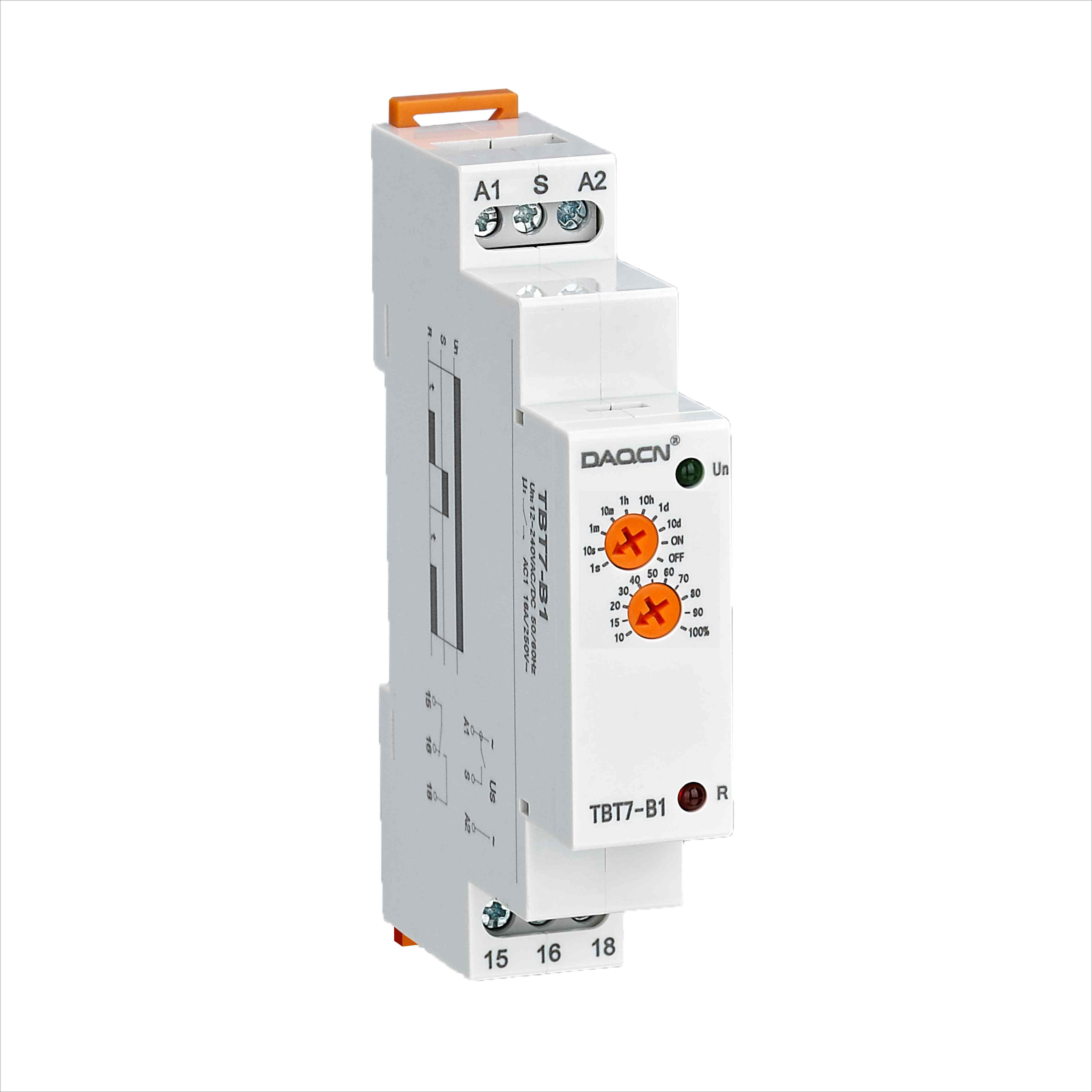
Industrial electrical systems depend heavily on reliable switching components, and understanding when to replace critical components can prevent costly downtime and equipment failure. A relay serves as an electromagnetic switch that controls high-power circuits through low-power signals, making it essential for automation, motor control, and protection systems across various industries. Recognizing the signs of relay failure and knowing when to perform replacements ensures optimal system performance and prevents unexpected operational disruptions.
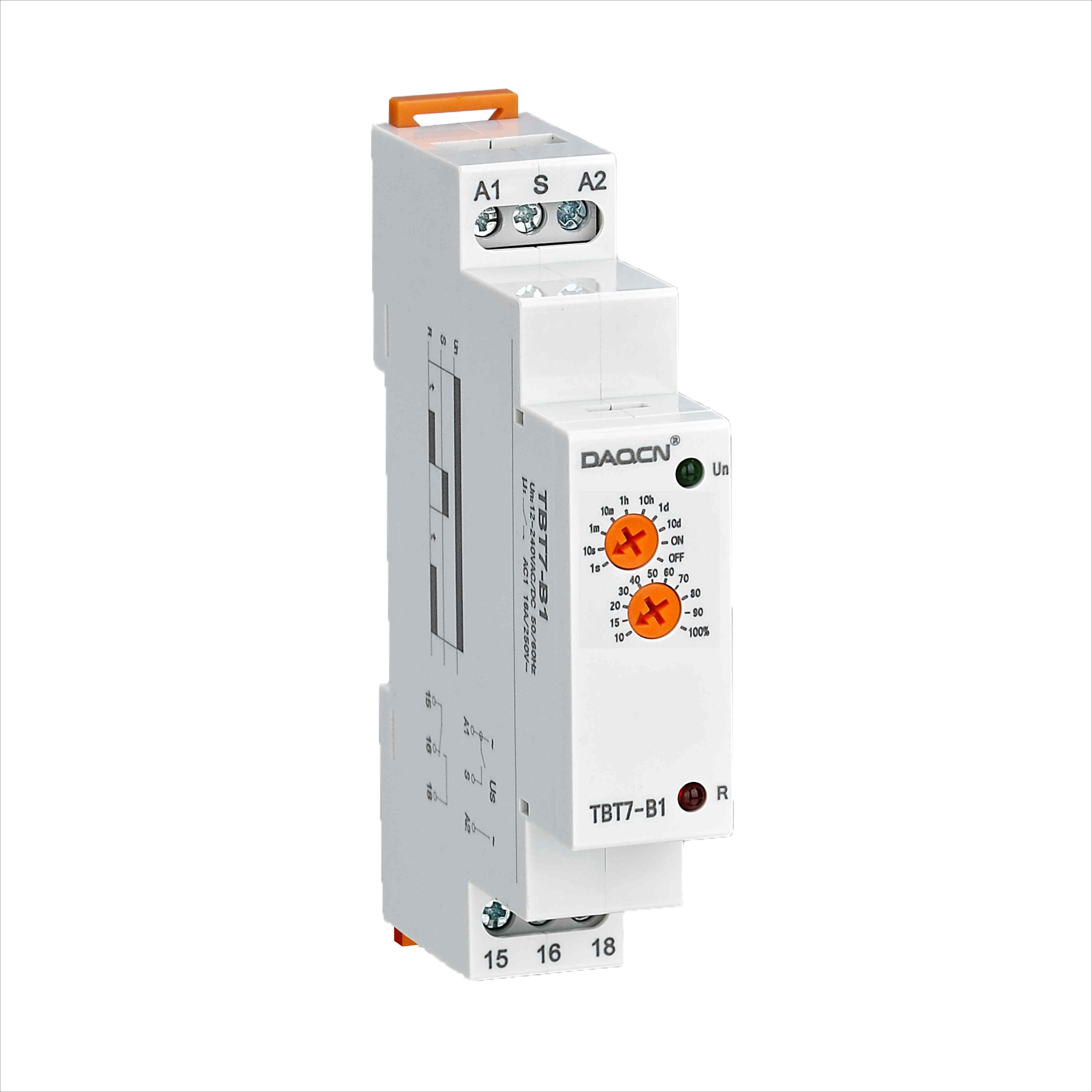
Understanding Relay Function and Failure Mechanisms
Basic Operating Principles
Every relay operates through electromagnetic induction, where an energized coil creates a magnetic field that moves mechanical contacts to complete or break electrical circuits. The fundamental design includes a coil, armature, contacts, and spring mechanism that work together to provide reliable switching capability. When the coil receives appropriate voltage, it generates magnetic force sufficient to overcome spring tension and actuate the contact assembly. This simple yet effective mechanism allows low-power control circuits to manage high-power loads safely and efficiently.
Modern relay designs incorporate various contact configurations including normally open, normally closed, and changeover arrangements to accommodate diverse switching requirements. The contact materials typically consist of silver alloys or other precious metals that resist oxidation and provide low contact resistance. Understanding these basic principles helps maintenance personnel identify potential failure modes and implement appropriate replacement strategies before system failures occur.
Common Failure Modes
Contact degradation represents the most frequent relay failure mechanism, occurring through arcing, oxidation, and mechanical wear over repeated switching cycles. High-current switching operations generate electrical arcs that gradually erode contact surfaces, increasing resistance and potentially causing welding or pitting. Environmental factors such as humidity, dust, and corrosive gases accelerate contact deterioration, particularly in harsh industrial environments where protective enclosures may not provide adequate sealing.
Coil failures typically manifest as open circuits, short circuits, or insulation breakdown due to thermal stress, voltage spikes, or moisture infiltration. Mechanical components including springs, armatures, and pivot points can experience fatigue, corrosion, or binding that prevents proper operation. These failure mechanisms often develop gradually, providing warning signs that experienced technicians can recognize before complete relay failure occurs.
Identifying Warning Signs of Relay Deterioration
Electrical Performance Indicators
Monitoring electrical parameters provides early indication of relay degradation before complete failure occurs. Contact resistance measurements should remain consistent over time, with significant increases indicating surface oxidation or mechanical wear. Voltage drop across closed contacts typically ranges from 10 to 100 millivolts depending on current levels, and values exceeding manufacturer specifications suggest replacement necessity. Insulation resistance between isolated terminals should exceed several megohms under normal operating conditions.
Coil current measurements can reveal insulation degradation or turn-to-turn shorts that reduce magnetic field strength and switching reliability. Temperature monitoring during operation helps identify thermal stress conditions that accelerate aging processes. A quality relay should operate within specified temperature ranges, and excessive heating indicates potential internal problems requiring immediate attention.
Mechanical and Audible Symptoms
Physical inspection often reveals mechanical problems that compromise relay reliability. Visible contact burning, pitting, or discoloration indicates arcing damage that reduces switching capability and increases contact resistance. Armature binding or sluggish movement suggests mechanical wear or contamination affecting proper operation. Spring tension changes can alter pickup and dropout voltages, causing erratic switching behavior that disrupts system operation.
Audible symptoms provide valuable diagnostic information for experienced maintenance personnel. Normal relay operation produces distinctive clicking sounds during energization and de-energization cycles. Unusual noises such as buzzing, chattering, or absent switching sounds indicate mechanical problems or insufficient coil voltage. These symptoms often appear before electrical measurements reveal problems, allowing proactive replacement before system disruption occurs.
Testing Procedures and Diagnostic Methods
Electrical Testing Protocols
Systematic testing procedures help determine relay condition and replacement necessity through objective measurements. Contact resistance testing using low-current ohmmeters reveals surface condition and mechanical integrity. Measurements should be performed with contacts both open and closed to verify proper switching action. Insulation resistance testing between coil and contacts, as well as between normally open and normally closed contacts, identifies potential breakdown paths.
Pickup and dropout voltage measurements verify that the relay operates within specified parameters. These tests require gradually increasing and decreasing coil voltage while monitoring contact states. Significant deviations from nameplate values indicate coil degradation or mechanical problems. Operating time measurements using oscilloscopes or specialized test equipment can identify sluggish operation that may cause timing-sensitive applications to malfunction.
Functional and Load Testing
Load testing under actual operating conditions provides the most accurate assessment of relay performance and reliability. This involves operating the relay with typical load currents and voltages while monitoring contact voltage drop and temperature rise. Repeated switching cycles at rated load help identify intermittent problems that may not appear during no-load testing. Load testing should include both resistive and inductive loads to simulate actual application conditions.
Endurance testing through extended switching cycles helps predict remaining service life and optimal replacement timing. Modern relay designs typically specify minimum switching cycles under various load conditions. Tracking actual switching operations through maintenance records allows calculation of remaining life expectancy. This predictive approach enables scheduled maintenance rather than reactive replacement after failure occurs.
Replacement Timing Strategies
Preventive Maintenance Scheduling
Developing effective replacement schedules requires balancing reliability requirements against maintenance costs and system availability. Critical applications may warrant more frequent relay replacement to ensure continuous operation, while less critical circuits can tolerate longer service intervals. Historical failure data provides valuable input for establishing appropriate replacement frequencies based on actual experience rather than conservative manufacturer recommendations.
Environmental factors significantly influence optimal replacement timing, with harsh conditions requiring more frequent attention. Facilities with high humidity, corrosive atmospheres, or extreme temperatures should implement shorter replacement intervals to prevent unexpected failures. Seasonal variations in operating conditions may justify different maintenance schedules throughout the year, with increased attention during periods of environmental stress.
Condition-Based Replacement
Condition-based maintenance strategies rely on actual relay performance rather than predetermined time intervals. This approach requires regular testing and monitoring to identify degradation trends before failure occurs. Key indicators include contact resistance increases, pickup voltage drift, and mechanical wear symptoms. Establishing baseline measurements during relay installation provides reference points for future condition assessments.
Economic analysis helps determine optimal replacement timing by comparing maintenance costs against potential failure consequences. Critical system applications may justify relay replacement at the first signs of degradation, while less important circuits can operate until more significant deterioration occurs. This risk-based approach maximizes relay utilization while maintaining acceptable reliability levels for each specific application.
Selection Criteria for Replacement Relays
Electrical Specifications
Selecting appropriate replacement components requires careful consideration of electrical requirements including coil voltage, contact ratings, and switching capacity. Coil specifications must match control circuit capabilities, with particular attention to pickup voltage, dropout voltage, and power consumption. Modern relay designs often provide wider operating voltage ranges and lower power consumption compared to older models, potentially improving system efficiency and reliability.
Contact ratings must meet or exceed application requirements for current, voltage, and switching frequency. Inductive loads require higher contact ratings due to arcing during switching operations. Motor starting applications generate particularly severe switching conditions that demand robust contact systems. Undervoltage or overcurrent protection circuits may require fast-acting contacts with specific timing characteristics.
Environmental and Mechanical Considerations
Environmental protection requirements influence relay selection for specific installation locations. Indoor applications with controlled environments can utilize standard relay designs, while outdoor or harsh industrial environments require sealed or hermetically sealed models. Temperature ratings must accommodate both ambient conditions and internal heating from coil and contact losses during operation.
Mounting arrangements and physical dimensions affect replacement feasibility and installation requirements. Panel-mounted configurations offer easy access for maintenance but require adequate ventilation for heat dissipation. Socket-mounted designs provide convenient replacement capability but may introduce additional connection points that require periodic maintenance. DIN rail mounting systems offer standardized installation methods suitable for modern control panel designs.
Installation and Commissioning Best Practices
Proper Installation Techniques
Correct installation procedures ensure optimal relay performance and service life from replacement components. Connections must provide secure electrical contact with appropriate torque specifications to prevent loose connections that generate heat and voltage drops. Wire termination methods should match relay terminal designs, with consideration for thermal expansion and vibration effects that can cause connection degradation over time.
Proper relay orientation prevents mechanical problems and ensures consistent switching characteristics. Some relay designs specify mounting positions to maintain proper contact alignment and spring tension. Environmental protection requires attention to enclosure sealing and drainage to prevent moisture infiltration. Adequate ventilation prevents thermal stress that reduces component life and affects switching reliability.
Commissioning and Testing
Comprehensive commissioning procedures verify proper installation and establish baseline performance measurements for future reference. Initial testing should include all electrical parameters such as coil resistance, insulation resistance, and contact resistance under no-load conditions. Functional testing with actual loads confirms proper switching operation and contact performance under operating conditions.
Documentation of installation details and initial test results provides valuable reference information for future maintenance activities. Recording serial numbers, installation dates, and baseline measurements enables tracking of individual relay performance over time. This information supports condition-based maintenance decisions and helps identify application-specific factors that influence reliability and service life.
FAQ
How often should industrial relays be replaced in typical applications
Replacement frequency depends on application severity, environmental conditions, and reliability requirements. Standard industrial applications typically require relay replacement every 3-5 years under normal operating conditions. Critical applications may warrant annual replacement or condition monitoring to prevent unexpected failures. Harsh environments with high humidity, temperature extremes, or corrosive atmospheres may require replacement every 1-2 years. Monitoring switching cycle counts and electrical parameters provides more accurate replacement timing than fixed schedules.
What are the most reliable indicators that a relay needs immediate replacement
Contact resistance increases above 50% of initial values indicate significant degradation requiring prompt attention. Visible contact burning, pitting, or discoloration suggests arcing damage that compromises switching reliability. Pickup or dropout voltage changes exceeding 10% of nameplate values indicate coil or mechanical problems. Unusual operating sounds such as buzzing, chattering, or absence of normal switching clicks signal mechanical failures. Temperature increases during operation suggest internal problems that will worsen without replacement.
Can different relay types be substituted during replacement procedures
Relay substitution requires careful verification of electrical, mechanical, and environmental compatibility. Coil voltage and power consumption must match control circuit capabilities to prevent damage or malfunction. Contact ratings must meet or exceed original specifications for current, voltage, and switching capacity. Physical dimensions and mounting arrangements must accommodate existing installation constraints. Environmental protection levels should match or exceed original requirements for moisture, dust, and temperature resistance.
What testing should be performed after relay replacement to ensure proper operation
Post-installation testing should verify coil resistance, pickup voltage, dropout voltage, and contact resistance measurements. Functional testing with actual loads confirms proper switching operation under normal conditions. Insulation resistance measurements between isolated terminals ensure adequate electrical separation. Temperature monitoring during initial operation identifies potential thermal problems. System-level testing verifies that the replacement relay properly interfaces with connected circuits and control systems without causing operational problems.
Table of Contents
- Understanding Relay Function and Failure Mechanisms
- Identifying Warning Signs of Relay Deterioration
- Testing Procedures and Diagnostic Methods
- Replacement Timing Strategies
- Selection Criteria for Replacement Relays
- Installation and Commissioning Best Practices
-
FAQ
- How often should industrial relays be replaced in typical applications
- What are the most reliable indicators that a relay needs immediate replacement
- Can different relay types be substituted during replacement procedures
- What testing should be performed after relay replacement to ensure proper operation