 EN
EN

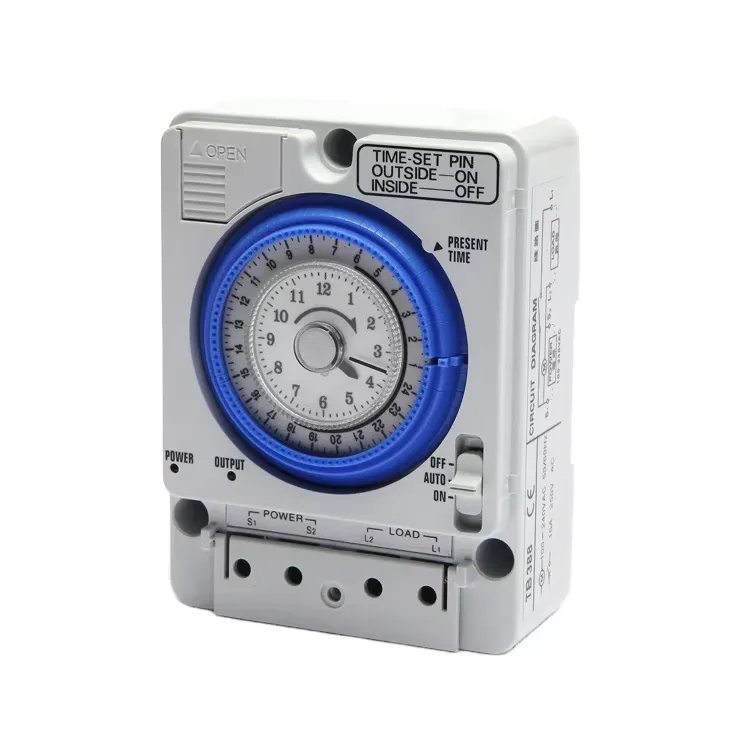
Industrial automation demands precise timing control, and selecting the right timer relay system can significantly impact operational efficiency and maintenance costs. The choice between analog and digital timer relay technologies represents a fundamental decision that affects everything from installation complexity to long-term reliability. Understanding the distinct advantages and limitations of each approach enables engineers and facility managers to make informed decisions that align with their specific operational requirements and budget constraints.
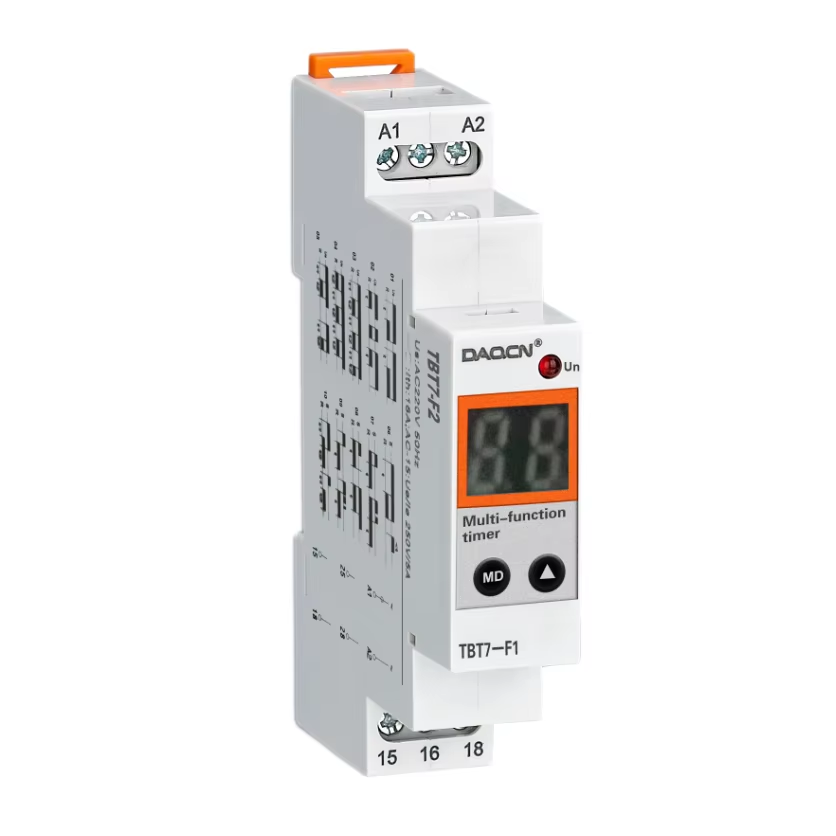
Modern manufacturing environments increasingly rely on sophisticated timing control systems to coordinate complex processes. Whether controlling conveyor belt sequences, managing heating cycles, or coordinating safety interlocks, the timer relay serves as a critical component in countless industrial applications. The evolution from purely analog systems to advanced digital alternatives has created new opportunities for enhanced functionality while maintaining the reliability that industrial operations demand.
The decision between analog and digital timer relay systems involves multiple considerations beyond simple cost comparison. Factors such as programming flexibility, environmental resilience, maintenance requirements, and integration capabilities all play crucial roles in determining the optimal solution for specific applications. Organizations must carefully evaluate their current needs while considering future expansion plans and technological advancement trends.
Analog Timer Relay Fundamentals
Operating Principles and Mechanisms
Analog timer relay systems operate using traditional electromechanical or electronic components that provide timing functions through continuous variable adjustment. These systems typically employ potentiometers, capacitors, and resistive elements to establish timing parameters. The timing accuracy depends on component stability and environmental conditions, with typical precision ranges falling within acceptable tolerances for most industrial applications.
The simplicity of analog timer relay design contributes to their widespread adoption in straightforward timing applications. Operators can easily adjust timing parameters using physical dials or knobs, providing immediate visual feedback about current settings. This intuitive interface reduces training requirements and allows for quick field adjustments without specialized programming knowledge or diagnostic equipment.
Temperature stability represents a key consideration in analog timer relay performance. Component drift due to temperature variations can affect timing accuracy over extended periods. However, quality analog systems incorporate temperature compensation features and use stable components to minimize drift effects. Regular calibration procedures help maintain timing accuracy within specified tolerances throughout the system lifecycle.
Application Advantages and Limitations
Analog timer relay systems excel in applications requiring straightforward timing functions without complex programming requirements. Their robust mechanical construction provides excellent resistance to electromagnetic interference and vibration, making them suitable for harsh industrial environments. The absence of microprocessor-based components eliminates concerns about software corruption or digital signal interference.
Cost effectiveness represents a significant advantage of analog timer relay systems, particularly for simple timing applications. Lower initial purchase costs, combined with minimal maintenance requirements, create attractive total ownership economics. The widespread availability of replacement components and standardized mounting configurations further enhance their economic appeal for budget-conscious installations.
However, analog systems face limitations in complex timing scenarios requiring multiple timing ranges, precise accuracy, or integration with digital control systems. The lack of memory functions means that power interruptions reset timing parameters to default positions. Additionally, analog systems cannot provide detailed operational data or remote monitoring capabilities that modern industrial environments increasingly demand.
Digital Timer Relay Capabilities
Advanced Programming Features
Digital timer relay systems leverage microprocessor technology to provide sophisticated timing functions with exceptional accuracy and repeatability. These systems support multiple timing modes, including delay-on, delay-off, interval timing, and complex sequential operations. Programming flexibility allows users to configure intricate timing sequences that would require multiple analog units to accomplish equivalent functionality.
Memory retention capabilities ensure that timer relay settings remain intact during power interruptions, eliminating the need for manual reconfiguration after outages. Digital displays provide precise timing information and operational status indicators, enhancing troubleshooting capabilities and reducing diagnostic time. Advanced models support real-time clock functions, enabling time-of-day scheduling and calendar-based operations.
Communication protocols integrated into modern digital timer relay systems enable seamless integration with supervisory control systems and industrial networks. These connectivity features support remote programming, monitoring, and data collection capabilities that enhance operational visibility and enable predictive maintenance strategies. Protocol support for Modbus, Ethernet, and other industrial standards ensures compatibility with existing automation infrastructure.
Precision and Reliability Characteristics
Digital timer relay systems achieve superior timing accuracy through crystal-controlled oscillators and software-based timing algorithms. Typical accuracy specifications range from ±0.01% to ±0.1%, significantly exceeding analog system capabilities. This precision level supports critical timing applications where small variations could impact product quality or safety performance.
Environmental immunity represents another advantage of digital systems, as microprocessor-based timing functions remain stable across wide temperature ranges without recalibration. Built-in diagnostic capabilities continuously monitor system health and provide early warning of potential failures. These self-monitoring features reduce unplanned downtime and support proactive maintenance scheduling.
Digital timer relay longevity benefits from the absence of mechanical wear components and stable electronic timing circuits. While initial costs typically exceed analog alternatives, extended service life and reduced maintenance requirements often result in lower total cost of ownership. Advanced models incorporate surge protection and filtering circuits that enhance reliability in electrically noisy industrial environments.
Performance Comparison Analysis
Accuracy and Stability Metrics
Timing accuracy represents a fundamental differentiator between analog and digital timer relay systems. Analog systems typically achieve accuracy levels between ±1% to ±5% depending on component quality and environmental conditions. Digital systems consistently deliver ±0.1% or better accuracy across their entire operating range, making them essential for precision timing applications.
Long-term stability characteristics favor digital timer relay technology due to the absence of aging effects in electronic timing circuits. Analog systems may experience gradual timing drift as capacitors age and resistive components change value over time. Regular calibration schedules help maintain analog system accuracy, while digital systems maintain their precision throughout their operational lifetime without adjustment.
Repeatability performance also distinguishes these technologies, with digital systems providing identical timing results for repeated operations under similar conditions. Analog timer relay repeatability depends on mechanical component consistency and environmental stability. Applications requiring precise timing synchronization between multiple devices benefit significantly from digital system repeatability advantages.
Environmental Resilience Factors
Operating temperature ranges typically favor analog timer relay systems in extreme environment applications. Electromechanical analog systems can operate reliably at temperatures exceeding the limits of many electronic components. However, modern digital systems incorporate industrial-grade components rated for extended temperature ranges that satisfy most industrial applications.
Vibration resistance characteristics depend on the specific construction approach used in each system type. Solid-state analog timer relay designs provide excellent vibration immunity, while systems using mechanical components may require additional protection. Digital systems with robust enclosures and shock-mounted components demonstrate superior vibration resistance compared to mechanically-based alternatives.
Electromagnetic interference susceptibility varies significantly between system designs. Analog systems using traditional electromechanical components exhibit natural immunity to EMI, while electronic analog circuits may require filtering protection. Digital timer relay systems incorporate advanced filtering and shielding techniques that provide excellent EMI resistance when properly installed with appropriate grounding practices.
Installation and Maintenance Considerations
Setup Requirements and Procedures
Installation complexity differs substantially between analog and digital timer relay systems. Analog systems typically require only power connections and output wiring, with timing adjustment accomplished through mechanical controls accessible during installation. This straightforward approach reduces installation time and eliminates the need for specialized programming equipment or software tools.
Digital timer relay installation involves similar wiring requirements but adds programming steps to configure timing parameters and operational modes. Modern digital systems provide user-friendly programming interfaces that simplify parameter entry, though initial setup time typically exceeds analog system installation. However, the ability to store multiple program configurations can accelerate future modifications or expansions.
Mounting and enclosure requirements remain similar for both system types when using standardized DIN rail configurations. Digital systems may require additional consideration for communication wiring and network connections when integration capabilities are utilized. Proper cable routing and electromagnetic compatibility practices become more critical for digital installations to ensure reliable communication performance.
Long-term Maintenance Strategies
Maintenance requirements favor digital timer relay systems in most applications due to their self-diagnostic capabilities and absence of mechanical wear components. Analog systems may require periodic calibration verification and component replacement as electromechanical parts experience wear over time. Digital systems typically operate maintenance-free for their entire service life except for periodic backup battery replacement in models requiring memory retention during power outages.
Troubleshooting procedures differ significantly between system types. Analog timer relay diagnosis relies on traditional electrical measurement techniques and visual inspection of mechanical components. Digital systems provide built-in diagnostic displays and status indicators that simplify fault identification and resolution. Advanced digital models support remote diagnostics through communication networks, enabling centralized maintenance management.
Spare parts availability and standardization favor analog systems due to their longer market presence and simpler component requirements. Digital timer relay systems may face obsolescence issues as technology advances, though leading manufacturers provide extended product lifecycle support. Planning for future parts availability should consider manufacturer stability and product roadmap commitments when selecting either technology approach.
Cost-Benefit Economic Analysis
Initial Investment Considerations
Purchase price comparisons typically show analog timer relay systems offering lower initial costs for basic timing applications. Simple analog units cost significantly less than equivalent digital alternatives, making them attractive for budget-constrained projects or applications with minimal functionality requirements. However, cost gaps narrow when comparing feature-rich analog systems with entry-level digital alternatives.
Installation costs may favor analog systems due to simpler setup requirements and reduced programming time. Organizations lacking digital programming expertise might experience higher installation costs for digital timer relay systems due to training requirements or contractor services. However, the programming flexibility of digital systems can reduce overall system complexity and wiring costs in multi-function applications.
Integration expenses should be considered when evaluating total project costs. Digital timer relay systems with communication capabilities may reduce overall automation system costs by eliminating separate monitoring devices or control interfaces. The ability to integrate timing functions into existing network infrastructure can provide significant cost advantages in sophisticated control environments.
Operational Cost Implications
Energy consumption differences between analog and digital timer relay systems remain minimal in most applications. Modern digital systems incorporate power-saving features that minimize standby consumption, while analog systems may consume slightly more power due to continuous circuit operation. Energy cost variations typically represent negligible factors in overall economic evaluations.
Maintenance cost advantages strongly favor digital timer relay systems due to their self-diagnostic capabilities and reduced component wear. Analog systems may require periodic calibration services and component replacement that increases long-term maintenance expenses. Digital systems typically operate maintenance-free for extended periods, reducing both direct maintenance costs and production downtime.
Productivity impacts from improved timing accuracy and reliability can justify higher initial investments in digital timer relay technology. Applications where timing precision affects product quality or throughput rates may realize significant operational benefits from digital system capabilities. These productivity improvements often provide rapid payback periods that exceed initial cost differences.
FAQ
What accuracy levels can be expected from analog versus digital timer relay systems
Analog timer relay systems typically provide accuracy levels between 1% to 5% depending on component quality and environmental conditions. Digital systems consistently achieve accuracy levels of 0.1% or better across their entire operating range. For applications requiring precise timing control, digital systems provide superior performance that justifies their higher initial cost.
How do environmental conditions affect timer relay performance
Environmental factors impact analog and digital timer relay systems differently. Analog systems may experience timing drift due to temperature variations affecting electronic components, while mechanical systems provide natural resistance to electromagnetic interference. Digital systems maintain stable performance across wide temperature ranges but require proper shielding and grounding to prevent EMI issues.
Which timer relay type offers better long-term reliability
Digital timer relay systems generally provide superior long-term reliability due to the absence of mechanical wear components and stable electronic timing circuits. Analog systems with electromechanical components may require periodic maintenance and calibration, while digital systems typically operate maintenance-free throughout their service life with consistent performance characteristics.
What factors should guide the selection between analog and digital timer relay systems
Selection criteria should include timing accuracy requirements, programming complexity needs, integration capabilities, environmental conditions, and total cost of ownership considerations. Simple applications with basic timing needs may benefit from analog systems, while complex timing sequences, remote monitoring requirements, or high accuracy applications favor digital timer relay solutions.