 EN
EN

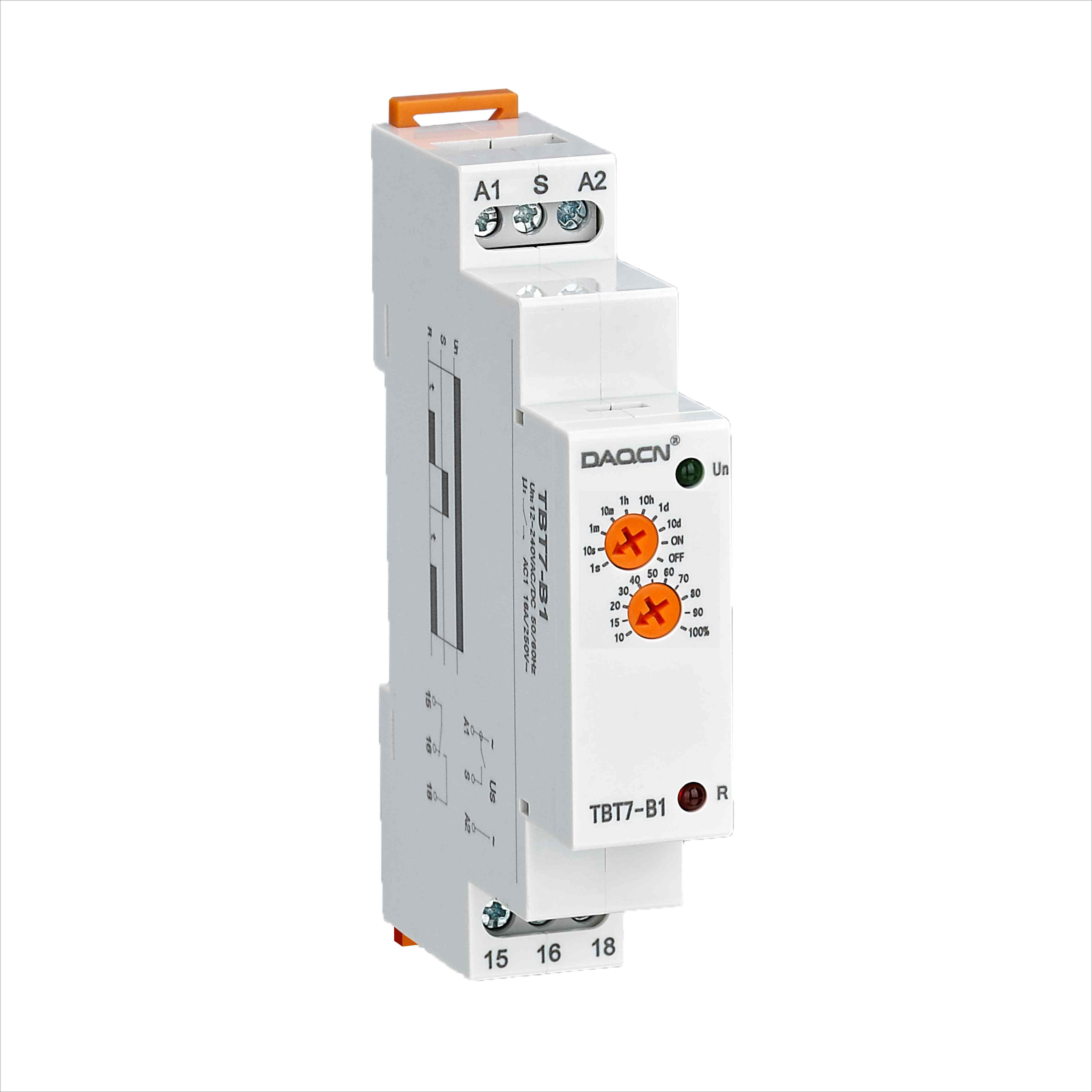
Industrial automation systems rely heavily on precise electrical control components, with the relay serving as one of the most fundamental switching devices. Understanding how to select the appropriate relay for your automation application can significantly impact system reliability, efficiency, and overall performance. Whether you're designing a new control panel or upgrading existing equipment, making the right relay choice requires careful consideration of multiple technical and operational factors.
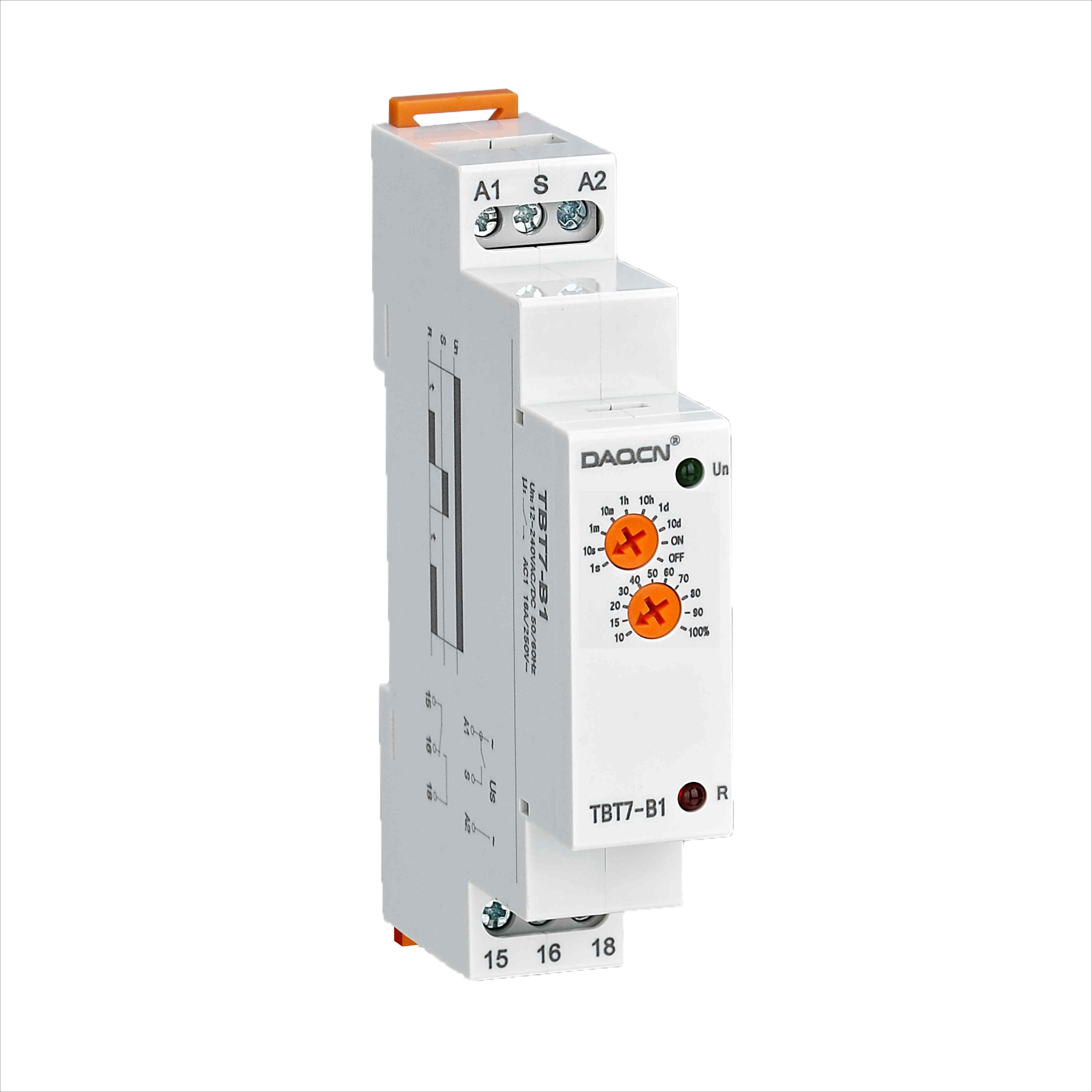
The selection process involves evaluating electrical specifications, environmental conditions, mounting requirements, and compatibility with existing control systems. A poorly chosen relay can lead to premature failure, system downtime, and increased maintenance costs. Conversely, selecting the optimal relay ensures long-term operational stability and reduces total cost of ownership throughout the equipment lifecycle.
Understanding Relay Types and Applications
Electromechanical Relays in Industrial Settings
Electromechanical relays remain popular in industrial automation due to their robust construction and reliable performance under harsh conditions. These devices use electromagnetic coils to actuate mechanical contacts, providing complete electrical isolation between control and load circuits. The mechanical nature of switching ensures zero leakage current in the off state, making them ideal for safety-critical applications where complete circuit isolation is mandatory.
Industrial electromechanical relays typically feature heavy-duty contacts rated for high current and voltage levels. They excel in applications requiring switching of inductive loads, such as motor contactors, solenoid valves, and heating elements. The audible click during operation provides operators with immediate feedback about relay status, which can be valuable for troubleshooting and system monitoring purposes.
Solid State Relay Technology
Solid state relays offer several advantages over mechanical counterparts, including faster switching speeds, silent operation, and extended operational life due to the absence of moving parts. These devices use semiconductor switching elements such as thyristors, triacs, or MOSFETs to control electrical circuits. The lack of mechanical wear makes them suitable for applications requiring frequent switching cycles or precise timing control.
However, solid state relays have limitations including higher cost per amp rating, heat generation during operation, and potential for leakage current in the off state. They also require careful thermal management and may be sensitive to electromagnetic interference. Despite these considerations, solid state technology proves invaluable in applications demanding high switching frequency, precise control, or minimal electrical noise generation.
Critical Electrical Specifications
Voltage and Current Ratings
Proper voltage and current rating selection forms the foundation of relay specification. The coil voltage must match available control power supplies, typically 24VDC, 120VAC, or 240VAC in industrial applications. Insufficient coil voltage prevents reliable operation, while excessive voltage can damage the relay or reduce its operational life. Current ratings must exceed the maximum expected load current by an appropriate safety margin, typically 25-50% depending on application requirements.
Contact current ratings should account for both steady-state and inrush current conditions. Motor loads, for example, can draw 6-8 times their rated current during startup, requiring relays with appropriate inrush current handling capability. Additionally, consider the nature of the load being switched, as resistive, inductive, and capacitive loads present different challenges for contact materials and relay design.
Contact Configuration and Arrangement
Contact configuration significantly impacts relay functionality and application suitability. Single pole single throw configurations provide basic on-off switching, while double pole double throw arrangements enable changeover switching between two circuits. The number of poles determines how many separate circuits can be controlled simultaneously, and the throw configuration defines the switching behavior between normally open and normally closed positions.
Consider whether your application requires normally open, normally closed, or changeover contacts. Safety systems often utilize normally closed contacts to ensure fail-safe operation in case of relay failure or power loss. Multi-pole configurations enable complex switching schemes while maintaining proper electrical isolation between circuits, which is essential for meeting industrial safety standards and regulatory requirements.
Environmental and Mechanical Considerations
Operating Temperature Range
Industrial environments subject relays to extreme temperature variations that can affect performance and reliability. Standard industrial relays typically operate within -40°C to +85°C temperature ranges, but specialized applications may require extended temperature ratings. High temperatures can degrade contact materials, reduce coil insulation life, and affect switching characteristics, while low temperatures may increase contact resistance and slow relay response times.
Consider the specific temperature conditions in your installation environment, including ambient temperature, heat generated by adjacent equipment, and potential exposure to direct sunlight or heat sources. Enclosure design and ventilation can significantly impact internal temperatures, so factor these elements into your relay selection process. Some applications may benefit from temperature-compensated relay designs that maintain consistent performance across wide temperature ranges.
Vibration and Shock Resistance
Industrial machinery often generates significant vibration and shock loads that can affect relay operation and longevity. Mechanical relays are particularly susceptible to vibration-induced contact chatter, which can cause premature wear and unreliable switching behavior. relay manufacturers specify vibration and shock resistance ratings according to industry standards such as IEC 60068 or MIL-STD specifications.
Evaluate the mechanical environment where the relay will be installed, considering factors such as motor-driven equipment, pneumatic systems, and transportation-related vibrations. Solid-state relays generally offer superior vibration resistance due to their lack of moving parts, making them preferable for high-vibration environments. Proper mounting techniques and shock-absorbing materials can also help protect mechanical relays from excessive vibration exposure.
Installation and Mounting Requirements
DIN Rail Mounting Systems
DIN rail mounting has become the standard for industrial control panel installation due to its convenience and space efficiency. Most industrial relays are available with DIN rail mounting clips or bases that enable quick installation and removal without requiring panel modifications. The standardized 35mm DIN rail system ensures compatibility across different manufacturers and facilitates easy component replacement during maintenance operations.
Consider the available space in your control panel and the relay footprint when selecting DIN rail mounted devices. Some relays feature narrow profiles that maximize panel density, while others incorporate additional features such as LED status indicators or test buttons that may require additional clearance. Proper spacing between relays ensures adequate heat dissipation and allows for wire routing and maintenance access.
Socket and Base Configurations
Plug-in relay designs using standardized sockets offer significant advantages for maintenance and replacement operations. Common socket configurations include 8-pin, 11-pin, and 14-pin arrangements that correspond to different contact configurations and relay capabilities. Standardized pinouts ensure interchangeability between manufacturers, provided the electrical specifications match the application requirements.
Socket-based systems enable relay replacement without disturbing wire connections, reducing maintenance time and potential wiring errors. Some sockets incorporate LED indicators, manual test switches, or surge protection features that enhance system functionality. Consider whether your application would benefit from these additional features when specifying relay and socket combinations for new installations.
Safety and Regulatory Compliance
Agency Approvals and Certifications
Industrial relay applications must comply with various safety standards and regulations depending on the geographic location and industry sector. Common certifications include UL recognition for North American markets, CE marking for European applications, and CSA approval for Canadian installations. These certifications ensure that relay designs meet specific safety, performance, and environmental requirements established by regulatory authorities.
Verify that your selected relay carries appropriate approvals for your specific application and geographic market. Some industries, such as hazardous location installations, require additional certifications such as ATEX or IECEx ratings for explosive atmosphere compatibility. Medical, transportation, and food processing applications may have specialized requirements that necessitate specific relay designs or additional documentation.
Isolation and Safety Considerations
Electrical isolation between control and load circuits is crucial for operator safety and system protection. Industrial relays typically provide several kilovolts of isolation voltage rating, ensuring safe operation even in high-voltage applications. This isolation prevents dangerous voltages from appearing on low-voltage control circuits and protects sensitive control equipment from power system disturbances.
Consider the isolation requirements specific to your application, particularly when interfacing between different voltage levels or when connecting to safety-critical circuits. Some applications may require reinforced isolation or additional safety measures such as redundant contacts or fail-safe operation modes. Proper relay selection helps ensure compliance with industrial safety standards and reduces liability risks.
Performance and Reliability Factors
Switching Speed and Response Time
Relay switching speed can be critical in time-sensitive applications such as motor protection, process control, or safety systems. Electromechanical relays typically exhibit operate times of 5-15 milliseconds, while solid-state devices can switch in microseconds. However, faster switching may not always be advantageous, as some applications benefit from controlled switching to reduce electrical stress on system components.
Evaluate your application timing requirements carefully, considering both the relay response time and the characteristics of connected equipment. Inductive loads may require slower switching to minimize arcing and contact wear, while electronic circuits may need fast switching to maintain signal integrity. Some relay designs incorporate adjustable timing features or built-in delays that can optimize switching behavior for specific applications.
Electrical Life and Mechanical Durability
Relay life expectancy varies significantly based on operating conditions, switching frequency, and load characteristics. Mechanical life ratings indicate the number of switching cycles possible under no-load conditions, typically ranging from 10 million to 100 million operations. Electrical life ratings account for the effects of switching actual loads and are generally much lower, particularly for high-current or inductive loads.
Understanding the relationship between load characteristics and relay life helps optimize system reliability and maintenance scheduling. Resistive loads generally provide the longest contact life, while inductive and lamp loads can significantly reduce operational life due to arcing and contact erosion. Some relay designs incorporate arc suppression features or specialized contact materials that extend life when switching difficult loads.
Cost Considerations and Total Ownership
Initial Purchase Price vs Long-term Value
While initial relay cost is often a primary selection criterion, total cost of ownership provides a more accurate economic assessment. Higher-quality relays with superior specifications may command premium prices but often deliver better reliability, longer service life, and reduced maintenance requirements. This can result in lower total costs over the equipment lifecycle, particularly in critical applications where downtime is expensive.
Consider factors such as replacement frequency, maintenance labor costs, and system downtime when evaluating relay economics. A relay failure in a critical production line can cost thousands of dollars in lost productivity, making reliability a key economic factor. Some applications may justify redundant relay configurations or premium components to minimize failure risks and associated costs.
Maintenance and Replacement Strategies
Developing appropriate maintenance strategies depends on relay type, application criticality, and operating environment. Preventive replacement based on operating hours or switching cycles can prevent unexpected failures but may result in premature replacement of functional components. Condition-based maintenance using relay monitoring systems can optimize replacement timing and reduce overall maintenance costs.
Consider the availability of replacement parts and the standardization of relay types across your facility. Using common relay platforms reduces inventory requirements and simplifies maintenance procedures. Some manufacturers offer relay monitoring accessories that provide early warning of impending failures, enabling planned maintenance and reducing emergency repair costs.
FAQ
What is the difference between AC and DC relay coils?
AC relay coils operate directly from alternating current power sources and typically include built-in rectification and filtering circuits. DC relay coils require direct current power supplies but offer more predictable operation and are less susceptible to voltage fluctuations. DC relays generally provide faster switching speeds and more precise timing characteristics compared to AC versions.
How do I determine the appropriate safety factor for relay current ratings?
A safety factor of 25-50% above the maximum expected load current is typically recommended for most applications. Higher safety factors may be necessary for inductive loads that produce significant inrush currents or for applications where relay failure could cause safety hazards. Consider both steady-state and transient current conditions when calculating appropriate safety margins.
Can I use automotive relays in industrial applications?
Automotive relays are generally not suitable for industrial applications due to different environmental requirements, vibration specifications, and regulatory compliance needs. Industrial relays are designed for continuous operation, wider temperature ranges, and compliance with industrial safety standards. While automotive relays may be less expensive, they typically lack the durability and certification required for industrial use.
What causes relay contact welding and how can it be prevented?
Contact welding occurs when excessive current or arcing causes metal transfer between contact surfaces, permanently fusing the contacts together. This can result from switching currents exceeding the relay rating, inductive load switching without proper arc suppression, or contact bounce during switching. Prevention strategies include proper current derating, arc suppression circuits, and selecting relays with appropriate contact materials for the specific load type.