 EN
EN

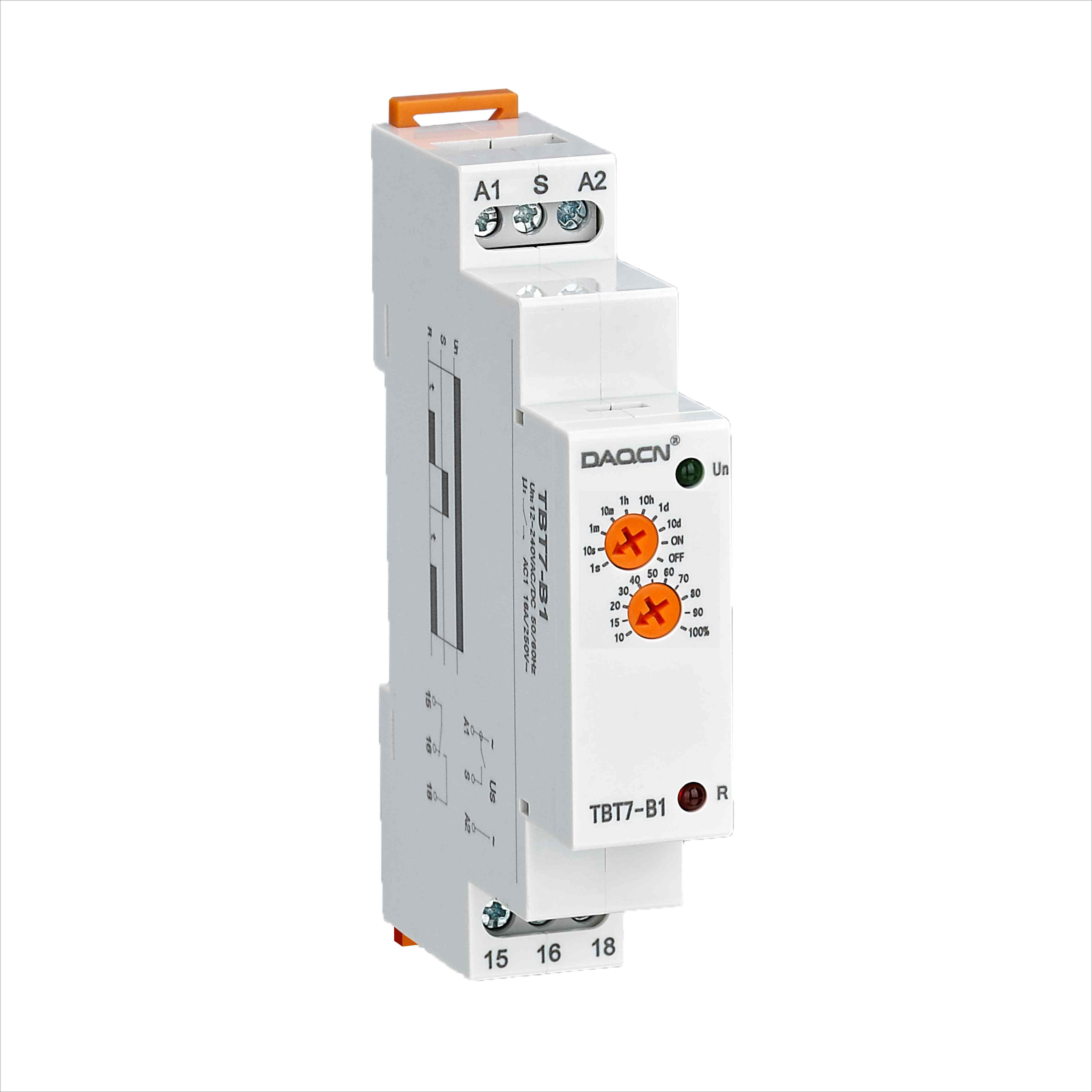
Selecting the right relay for your application requires understanding the various types available and their durability characteristics. Industrial professionals face numerous options when choosing between electromagnetic relays, solid-state relays, and time delay relays, each offering distinct advantages depending on operational requirements. The durability of a relay depends on factors such as switching frequency, load characteristics, environmental conditions, and maintenance requirements. Understanding these variables helps engineers make informed decisions that maximize system reliability while minimizing long-term costs.
Understanding Relay Durability Fundamentals
Mechanical Life vs Electrical Life
The durability of any relay encompasses two critical aspects: mechanical life and electrical life. Mechanical life refers to the number of operations a relay can perform without electrical load, focusing purely on the physical movement of internal components. Most quality electromagnetic relays achieve mechanical life ratings between 10 million to 100 million operations under optimal conditions. Electrical life, however, represents the number of switching operations under actual load conditions, which significantly impacts relay longevity. The electrical life of a relay varies dramatically based on load type, current levels, and switching frequency, often ranging from 100,000 to several million cycles depending on application demands.
Contact material plays a crucial role in determining both mechanical and electrical durability. Silver-based contacts offer excellent conductivity and arc resistance, making them suitable for medium to high current applications. Gold-plated contacts provide superior corrosion resistance and low contact resistance, ideal for low-level signal switching applications. Understanding the relationship between contact materials and application requirements helps engineers select relays that deliver optimal durability for specific operational conditions.
Environmental Impact on Relay Performance
Environmental factors significantly influence relay durability and operational reliability. Temperature extremes affect contact materials, coil insulation, and mechanical components, potentially reducing operational life and causing premature failure. Humidity levels impact contact oxidation and insulation properties, while vibration and shock can cause mechanical wear or contact bounce issues. Industrial environments often expose relays to dust, chemicals, and electromagnetic interference, requiring careful selection of protective enclosures and sealing specifications.
Proper environmental assessment guides relay selection for maximum durability. Sealed relays with appropriate ingress protection ratings protect internal components from moisture and contaminants. Temperature-compensated designs maintain consistent performance across wide temperature ranges. Vibration-resistant mounting systems and shock-absorbing materials extend mechanical life in harsh industrial environments. Environmental considerations directly impact the long-term reliability and maintenance requirements of relay installations.
Electromagnetic Relay Durability Characteristics
Contact Performance and Longevity
Electromagnetic relays rely on physical contacts that make and break electrical circuits through mechanical movement. Contact durability depends heavily on arc formation during switching operations, particularly when interrupting inductive loads or high currents. Arc suppression techniques, including magnetic blowout designs and specialized contact geometries, significantly extend contact life by minimizing material transfer and pitting. The choice of contact configuration—such as single pole, double pole, or multiple pole arrangements—affects both switching capacity and overall durability.
Contact bounce represents another critical factor affecting electromagnetic relay durability. During switching operations, contacts may bounce several times before achieving stable connection, creating multiple arc events that accelerate wear. Advanced relay designs incorporate dampening mechanisms and optimized spring systems to minimize bounce duration and intensity. Load characteristics also influence contact durability, with resistive loads generally causing less wear than inductive or capacitive loads that create challenging switching conditions.
Coil and Magnetic Circuit Durability
The electromagnetic coil and magnetic circuit components determine the operational reliability of electromagnetic relays over extended periods. Coil insulation systems must withstand repeated thermal cycling, voltage transients, and environmental stresses without degradation. Modern relay designs utilize high-temperature insulation materials and advanced winding techniques to ensure consistent coil performance throughout the operational life. Magnetic core materials and air gap specifications affect both switching speed and long-term magnetic stability.
Proper coil voltage selection significantly impacts electromagnetic relay durability. Operating relays at nominal voltage levels ensures optimal magnetic force while preventing excessive heat generation that could degrade insulation systems. Voltage variations beyond specified limits can cause reduced switching reliability or accelerated component aging. Understanding coil characteristics and implementing appropriate voltage regulation helps maximize electromagnetic relay durability in demanding applications.
Solid-State Relay Durability Advantages
Contactless Switching Technology
Solid-state relays eliminate mechanical contacts entirely, using semiconductor devices such as thyristors, triacs, or MOSFETs for switching operations. This contactless design eliminates many durability concerns associated with electromagnetic relays, including contact wear, bounce, and arc formation. Solid-state relay switching elements can handle millions of switching cycles without degradation, making them ideal for high-frequency switching applications where electromagnetic relay contacts would fail rapidly.
The absence of moving parts in solid-state relays provides inherent advantages in vibration-prone environments and applications requiring silent operation. Switching speeds are significantly faster than electromagnetic relays, enabling precise timing control and reduced power dissipation during switching transitions. However, solid-state relay durability depends on thermal management and surge protection, as semiconductor devices are sensitive to overcurrent and overvoltage conditions that can cause permanent damage.
Thermal Considerations and Heat Management
Heat dissipation represents the primary durability concern for solid-state relays, as semiconductor switching elements generate heat during conduction. Proper thermal design and heat sinking are essential for achieving rated operational life and preventing thermal runaway conditions. Junction temperature ratings directly correlate with relay longevity, with lower operating temperatures significantly extending component life expectancy.
Current derating based on ambient temperature helps ensure solid-state relay durability in high-temperature environments. Many solid-state relay designs incorporate thermal shutdown protection to prevent damage during overload conditions. Advanced thermal interface materials and heat sink designs optimize heat transfer from semiconductor devices to the surrounding environment. Understanding thermal characteristics and implementing appropriate cooling systems maximizes solid-state relay durability across various operating conditions.
Time Delay Relay Durability Features
Electronic Timing Circuit Reliability
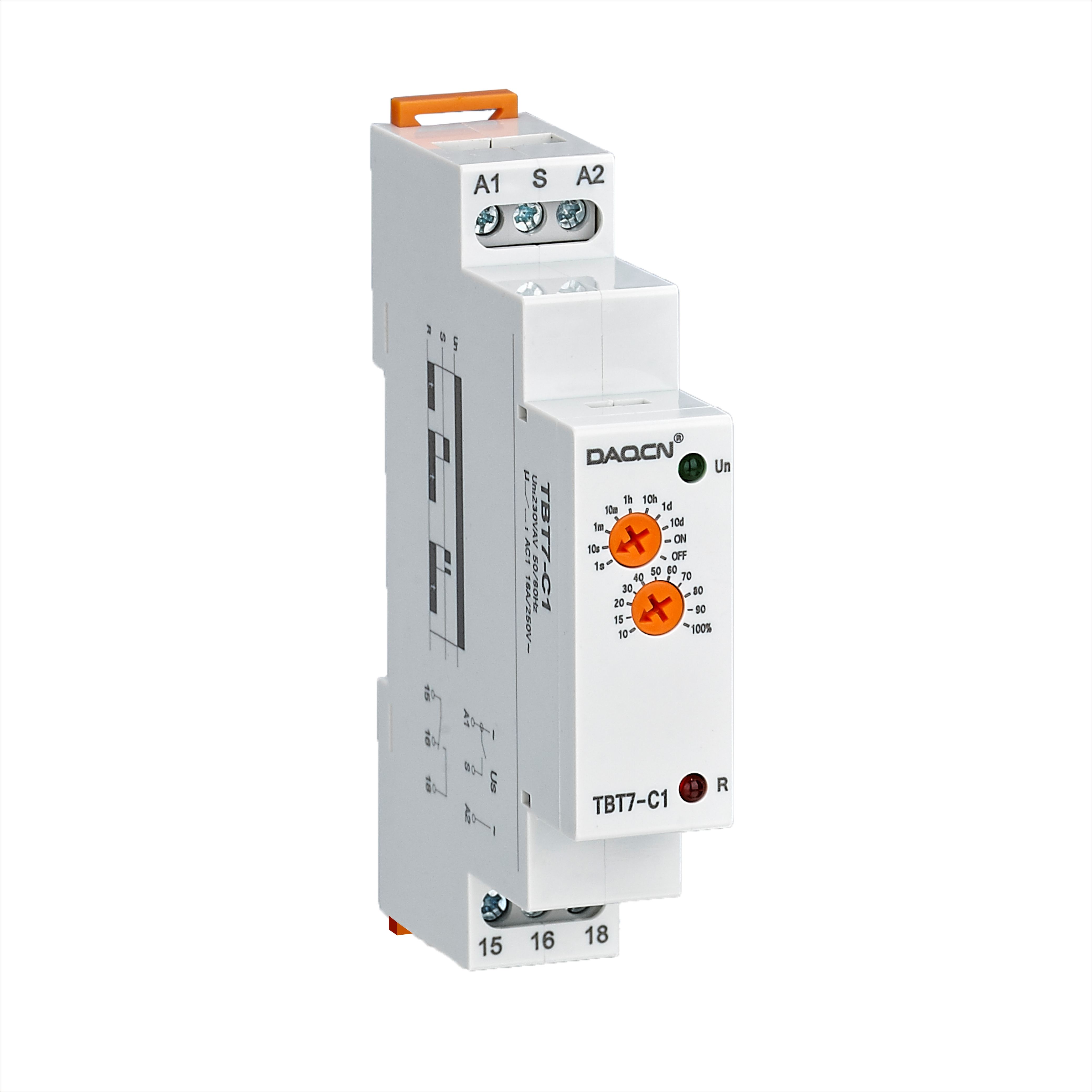
Time delay relays incorporate sophisticated electronic timing circuits alongside traditional relay switching mechanisms, creating unique durability considerations. Electronic timing components, including precision oscillators, counters, and memory circuits, require stable power supplies and protection from voltage transients. Modern time delay relay designs utilize digital timing circuits that offer superior accuracy and drift resistance compared to analog timing methods.
The integration of microprocessor-based timing systems in advanced time delay relays provides enhanced durability through self-diagnostic capabilities and adaptive compensation features. These systems can detect and compensate for component aging, maintaining timing accuracy throughout operational life. Non-volatile memory systems preserve timing parameters during power interruptions, ensuring consistent performance and reducing the need for recalibration.
Multi-Function Capability and Versatility
Modern time delay relays offer multiple timing functions within a single package, including on-delay, off-delay, interval, and repeat cycle modes. This versatility reduces the need for multiple relay installations, simplifying system design and improving overall reliability. Programmable timing ranges and adjustable parameters allow optimization for specific applications without requiring hardware modifications.
The ability to configure timing functions electronically enhances time delay relay durability by eliminating mechanical adjustment components that could drift or fail over time. Digital displays and programming interfaces provide clear indication of settings and operational status, facilitating maintenance and troubleshooting activities. Advanced time delay relay designs incorporate communication capabilities for remote monitoring and configuration, enabling predictive maintenance strategies that maximize operational life.
Application-Specific Durability Requirements
Industrial Automation and Control Systems
Industrial automation applications demand relay durability that matches the continuous operation requirements of manufacturing processes. Relay selection must consider switching frequency, load characteristics, and environmental conditions typical of industrial facilities. High-speed production lines may require relays capable of thousands of switching operations per hour without degradation, favoring solid-state designs or heavy-duty electromagnetic relays with enhanced contact systems.
Control system reliability directly impacts production efficiency and equipment protection, making relay durability a critical factor in system design. Redundant relay configurations and fail-safe designs ensure continued operation even when individual components reach end-of-life conditions. Predictive maintenance programs based on switching cycle counting and performance monitoring help optimize relay replacement schedules and prevent unexpected failures.
Power Distribution and Protection Applications
Power system applications present unique durability challenges due to high current levels, fault conditions, and system protection requirements. Relay designs for power applications must withstand fault current interruption, system transients, and continuous high-current carrying duties. Specialized contact materials and arc suppression systems ensure reliable performance under these demanding conditions.
Protection relay applications require long-term stability and accuracy to ensure proper system coordination and equipment protection. Calibration drift over time can compromise protection schemes, making relay selection and maintenance critical factors in power system reliability. Modern digital protection relays offer self-monitoring capabilities and automated testing functions that enhance long-term durability and reliability.
Maintenance Strategies for Maximum Relay Durability
Preventive Maintenance Programs
Implementing comprehensive preventive maintenance programs significantly extends relay operational life and ensures reliable performance throughout service life. Regular inspection schedules should include visual examination of relay housings, connection terminals, and mounting hardware for signs of overheating, corrosion, or mechanical damage. Contact resistance measurements help identify degradation before failure occurs, allowing proactive replacement during scheduled maintenance windows.
Cleaning procedures appropriate for specific relay types prevent contamination buildup that could affect switching performance or cause premature failure. Electromagnetic relays benefit from periodic contact cleaning and lubrication of mechanical components, while solid-state relays require attention to thermal management systems and heat sink cleanliness. Environmental monitoring systems can track temperature, humidity, and vibration levels that impact relay durability over time.
Performance Monitoring and Diagnostics
Advanced monitoring systems provide real-time information about relay performance and operational status, enabling condition-based maintenance strategies. Contact wear monitoring through resistance measurement trends identifies approaching end-of-life conditions before failure occurs. Switching cycle counters track operational usage against manufacturer specifications, supporting planned replacement schedules based on actual usage rather than calendar time.
Diagnostic capabilities built into modern relay designs provide valuable information about internal component status and performance parameters. Self-test functions verify proper operation of timing circuits, switching elements, and protection features. Communication interfaces enable remote monitoring and data collection for fleet-wide relay management programs that optimize maintenance efficiency and minimize unplanned downtime.
FAQ
What factors most significantly impact relay durability in industrial applications?
Several critical factors determine relay durability in industrial settings. Load characteristics represent the primary influence, with inductive loads creating more challenging switching conditions than resistive loads due to arc formation during current interruption. Environmental conditions including temperature extremes, humidity, vibration, and contamination significantly affect component aging and mechanical wear. Switching frequency directly correlates with contact life, as high-frequency operations accelerate wear mechanisms. Proper voltage levels ensure optimal performance, while voltage variations can cause reduced reliability or premature component aging. Installation quality affects thermal management and mechanical stress distribution, while maintenance practices determine long-term performance consistency.
How do electromagnetic and solid-state relays compare in terms of operational life expectancy?
Electromagnetic relays typically achieve mechanical life ratings between 10 million to 100 million operations without load, but electrical life under actual switching conditions ranges from 100,000 to several million cycles depending on load characteristics. Contact wear from arc formation represents the primary limitation for electromagnetic relay life. Solid-state relays eliminate mechanical wear entirely, capable of handling millions of switching cycles without contact degradation. However, solid-state relay durability depends on thermal management and protection from overcurrent conditions. While solid-state relays excel in high-frequency switching applications, electromagnetic relays may offer superior durability in applications with surge currents or harsh electrical transients that can damage semiconductor devices.
What maintenance practices best extend relay operational life?
Effective maintenance practices significantly extend relay durability through proactive monitoring and preventive care. Regular visual inspections identify early signs of overheating, corrosion, or mechanical damage before failure occurs. Contact resistance measurements track degradation trends and support planned replacement schedules. Environmental monitoring ensures operating conditions remain within specifications, while cleaning procedures prevent contamination buildup. Switching cycle counting provides usage-based maintenance scheduling that optimizes replacement timing. Thermal management verification ensures adequate cooling for solid-state designs. Proper torque specifications for terminal connections prevent overheating from loose connections. Documentation of maintenance activities and performance trends supports data-driven decisions about relay selection and replacement strategies.
When should I choose a time delay relay over standard switching relays for durability considerations?
Time delay relays offer durability advantages in applications requiring precise timing control, sequence coordination, or protection functions. Their electronic timing circuits provide superior accuracy and stability compared to mechanical timing devices, reducing drift and calibration requirements over time. Multi-function capabilities eliminate the need for multiple relay installations, simplifying system design and reducing potential failure points. Built-in diagnostics and self-monitoring features enable condition-based maintenance strategies. Applications involving motor starting, equipment protection, or process control sequences benefit from the enhanced reliability and programmability of time delay relays. However, standard switching relays may offer better durability in simple on-off applications where timing functions are unnecessary and electromagnetic interference or power quality issues could affect electronic timing circuits.
Table of Contents
- Understanding Relay Durability Fundamentals
- Electromagnetic Relay Durability Characteristics
- Solid-State Relay Durability Advantages
- Time Delay Relay Durability Features
- Application-Specific Durability Requirements
- Maintenance Strategies for Maximum Relay Durability
-
FAQ
- What factors most significantly impact relay durability in industrial applications?
- How do electromagnetic and solid-state relays compare in terms of operational life expectancy?
- What maintenance practices best extend relay operational life?
- When should I choose a time delay relay over standard switching relays for durability considerations?