 EN
EN

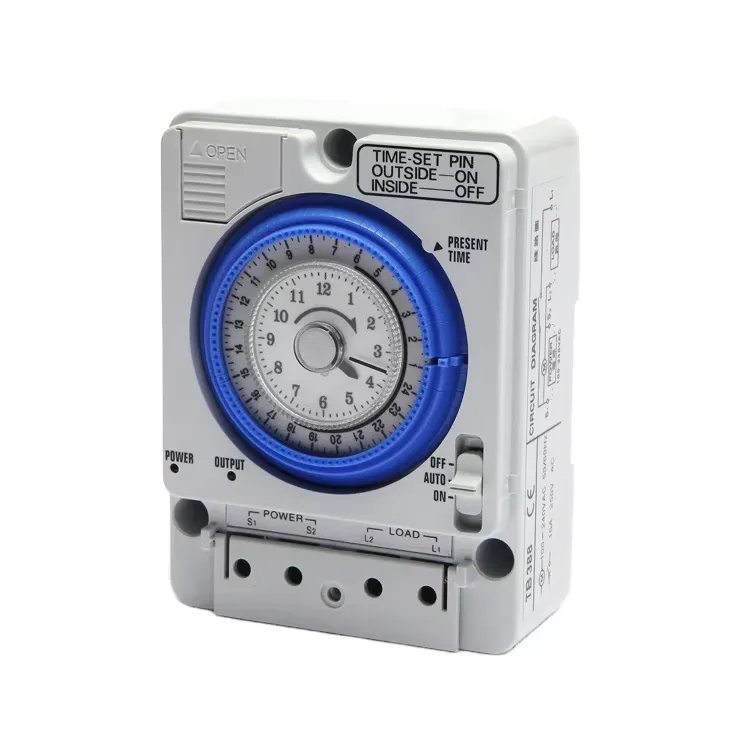
Selecting the appropriate timer relay for industrial applications requires careful consideration of various technical specifications and operational requirements. A timer relay serves as a critical component in automation systems, controlling time-dependent switching operations across manufacturing, HVAC, lighting, and process control environments. Understanding the fundamental characteristics of these devices ensures optimal performance and reliable operation in demanding industrial conditions. The selection process involves evaluating timing functions, contact configurations, power requirements, and environmental factors that directly impact system reliability and operational efficiency.
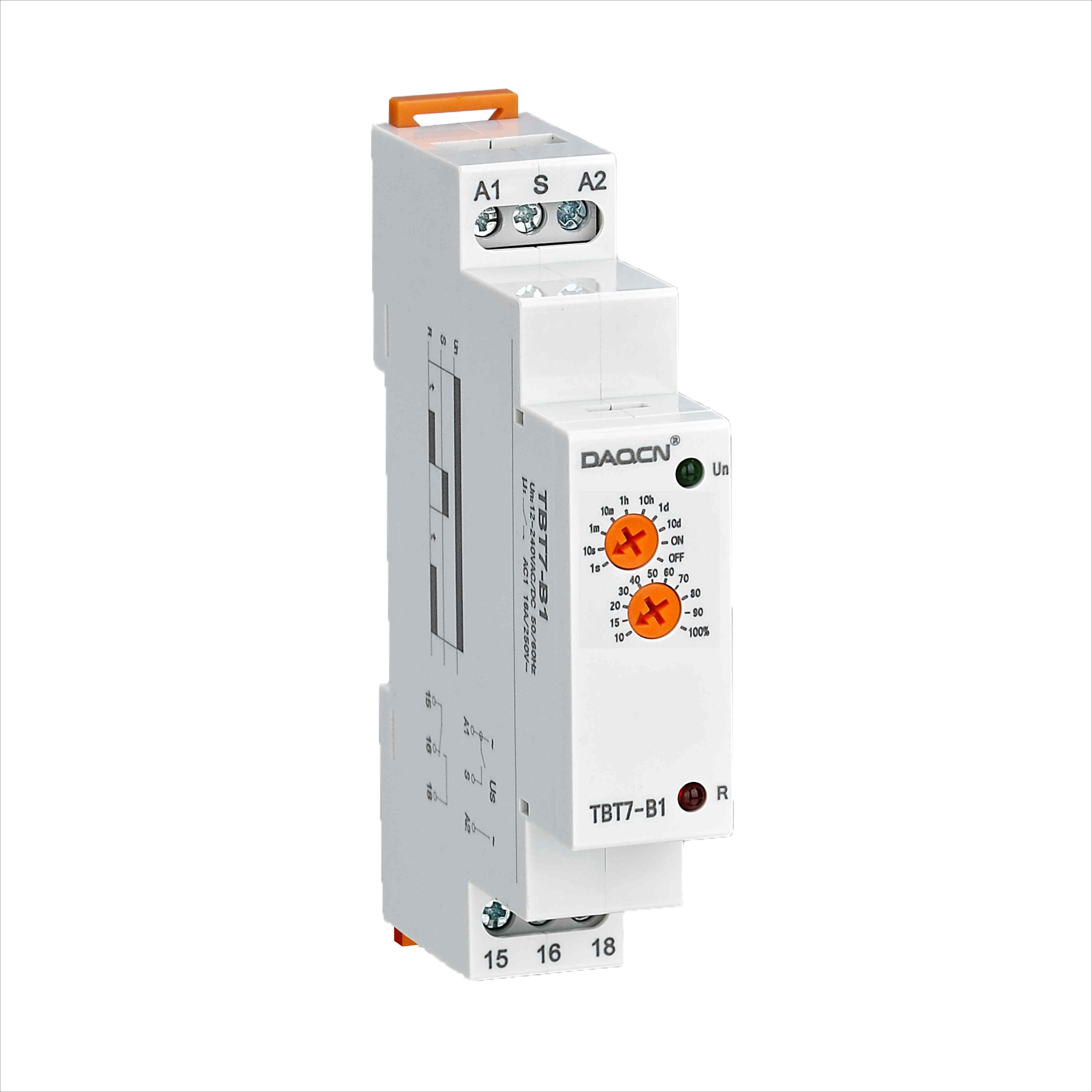
Modern industrial facilities depend heavily on precise timing control for automated processes, equipment protection, and energy management systems. Timer relays provide the essential interface between control signals and power circuits, enabling sophisticated timing sequences that optimize operational workflows. These versatile devices offer programmable delay functions, multiple timing modes, and robust construction suitable for harsh industrial environments. Proper selection criteria encompass electrical specifications, mechanical durability, programming capabilities, and integration compatibility with existing control systems.
Understanding Timer Relay Fundamentals
Basic Operating Principles
Timer relays operate on electromagnetic or electronic principles to provide precise time delays in control circuits. Electromagnetic models utilize motor-driven mechanisms or thermal elements to achieve timing functions, while electronic versions employ solid-state components for enhanced accuracy and reliability. The fundamental operation involves receiving an input signal, processing the timing function according to programmed parameters, and activating output contacts after the predetermined delay period. Electronic timer relay units offer superior performance characteristics including improved accuracy, extended lifespan, and resistance to vibration and shock conditions commonly encountered in industrial environments.
Modern timer relay designs incorporate microprocessor-based control systems that provide multiple timing functions within a single device. These advanced units support various timing modes including on-delay, off-delay, interval, and repeat cycle operations. The flexibility of electronic timing circuits enables precise adjustment of timing parameters through digital interfaces or analog potentiometers. Additionally, many contemporary models feature LED indicators for status monitoring and diagnostic capabilities that simplify troubleshooting and maintenance procedures.
Classification and Types
Timer relays are classified based on timing functions, contact configurations, and mounting methods to accommodate diverse application requirements. On-delay timers energize output contacts after a preset time interval following input activation, while off-delay models maintain contact closure for a specified duration after input deactivation. Interval timers provide pulsed output signals for predetermined periods, and repeat cycle units generate continuous on-off sequences at programmable intervals. Each timing function serves specific control applications and operational requirements in industrial automation systems.
Contact configuration represents another critical classification parameter, with options including normally open, normally closed, and changeover contact arrangements. Single-pole double-throw configurations provide maximum versatility for switching applications, while multiple contact arrangements enable simultaneous control of multiple circuits. The current and voltage ratings of output contacts must align with connected load requirements to ensure reliable switching operation and extended service life. High-capacity timer relay models accommodate demanding applications with significant inductive or resistive loads.
Technical Specifications and Selection Criteria
Electrical Parameters
Electrical specifications form the foundation of proper timer relay selection, encompassing supply voltage requirements, contact ratings, and input signal compatibility. Supply voltage specifications must match available power sources, with common options including 24VDC, 120VAC, and 240VAC configurations. Universal input models accommodate varying voltage levels within specified ranges, providing installation flexibility in diverse electrical systems. The precision of supply voltage regulation directly affects timing accuracy, particularly in electronic models where stable power supply conditions ensure consistent performance.
Contact ratings define the switching capacity of output circuits, specifying maximum current and voltage levels for reliable operation. Resistive load ratings typically exceed inductive load specifications due to the additional stresses imposed by motor starting currents and electromagnetic interference. When selecting a timer relay for specific applications, engineers must consider load characteristics, duty cycle requirements, and safety margins to prevent premature contact failure. Advanced models incorporate contact protection features such as arc suppression circuits and varistor surge protection to extend operational life in challenging electrical environments.
Timing Range and Accuracy
Timing range specifications determine the minimum and maximum delay periods available from timer relay units, with typical ranges spanning milliseconds to hours or days. Electronic models generally offer broader timing ranges compared to electromagnetic counterparts, with fine adjustment resolution throughout the entire range. The timing accuracy specification indicates the maximum deviation from programmed values under normal operating conditions, typically expressed as a percentage of set time or absolute values in seconds. High-precision applications require timer relay models with enhanced accuracy specifications and temperature compensation features.
Timing stability represents the consistency of delay periods over extended operational periods and varying environmental conditions. Electronic timer relay designs demonstrate superior stability compared to mechanical alternatives, maintaining accuracy specifications across wide temperature ranges and extended service intervals. Drift characteristics describe gradual changes in timing accuracy over time, with quality electronic models exhibiting minimal drift rates that ensure long-term reliability. Applications requiring precise timing control benefit from models with crystal oscillator references and digital calibration capabilities.
Application-Specific Selection Considerations
Industrial Environment Requirements
Industrial environments present unique challenges that influence timer relay selection criteria, including temperature extremes, humidity levels, vibration exposure, and electromagnetic interference. Operating temperature ranges must accommodate ambient conditions in installation locations, with extended temperature models suitable for outdoor applications or high-temperature process environments. Humidity resistance ensures reliable operation in moisture-prone areas such as food processing facilities, chemical plants, and marine installations. Protective enclosures and sealed construction prevent moisture ingress and contamination that could compromise internal components.
Vibration and shock resistance specifications address mechanical stress encountered in industrial machinery and transportation applications. Solid-state timer relay designs offer superior resistance to mechanical disturbances compared to electromagnetic models with moving parts. Electromagnetic compatibility considerations become critical in environments with variable frequency drives, welding equipment, and high-power switching devices. Proper shielding and filtering ensure reliable operation despite electromagnetic interference from adjacent equipment.
Integration and Compatibility
System integration requirements influence timer relay selection to ensure compatibility with existing control architectures and communication protocols. DIN rail mounting options facilitate standardized panel installation and maintenance procedures in industrial control cabinets. Socket-based designs enable rapid replacement during maintenance operations, minimizing system downtime and simplifying inventory management. Plug-in timer relay modules support hot-swapping capabilities in critical applications where continuous operation is essential.
Communication interface options expand the functionality of modern timer relay systems, enabling remote monitoring and programming capabilities. Models with RS-485, Modbus, or Ethernet connectivity integrate seamlessly with supervisory control and data acquisition systems. Digital input and output options provide enhanced flexibility for complex timing sequences and multi-stage process control applications. Programming software and configuration tools simplify setup procedures and enable advanced timing functions that optimize operational efficiency.
Performance Optimization and Best Practices
Installation Guidelines
Proper installation practices ensure optimal timer relay performance and extended service life in industrial applications. Mounting orientation considerations affect heat dissipation and component stress in electronic models, with vertical mounting typically providing superior thermal management. Adequate clearance around devices facilitates air circulation and simplifies maintenance access for periodic inspection and adjustment procedures. Electrical connections require appropriate wire sizing and termination techniques to minimize voltage drop and ensure reliable signal transmission.
Wiring practices significantly impact timer relay performance, particularly in electrically noisy industrial environments. Separation of control and power circuits reduces electromagnetic interference and improves signal integrity. Twisted pair cables and shielded conductors provide additional protection against noise pickup in sensitive timing applications. Proper grounding techniques establish stable reference potentials and minimize ground loop effects that could compromise timing accuracy and operational reliability.
Maintenance and Troubleshooting
Regular maintenance procedures extend timer relay service life and maintain optimal performance characteristics throughout operational periods. Visual inspection protocols identify signs of overheating, corrosion, or mechanical damage that could indicate impending failure. Contact inspection and cleaning procedures prevent oxidation buildup that increases contact resistance and reduces switching reliability. Electronic models require minimal maintenance compared to electromagnetic types, with periodic calibration verification ensuring continued timing accuracy.
Troubleshooting procedures for timer relay systems involve systematic analysis of input signals, timing functions, and output responses. Digital multimeter measurements verify supply voltage stability and contact continuity under various operating conditions. Oscilloscope analysis reveals timing accuracy and signal quality characteristics that may not be apparent during routine operation. Replacement procedures should follow manufacturer recommendations to ensure compatibility and maintain system reliability standards.
Cost Optimization and Selection Strategies
Total Cost of Ownership Analysis
Evaluating timer relay options requires comprehensive analysis of total ownership costs beyond initial purchase prices. Electronic models typically command higher upfront costs but offer superior reliability and reduced maintenance requirements that lower long-term operational expenses. Energy efficiency considerations become significant in applications with numerous timer relay units, where power consumption differences impact overall facility operating costs. Extended warranty coverage and manufacturer support services provide additional value propositions for critical applications.
Lifecycle cost analysis includes factors such as replacement frequency, maintenance labor requirements, and system downtime expenses. High-quality timer relay models with proven reliability records minimize unexpected failures and associated production losses. Standardization on specific manufacturers and model families reduces inventory complexity and training requirements for maintenance personnel. Volume purchasing agreements and long-term supplier relationships often provide cost advantages for large-scale installations and ongoing replacement needs.
Future-Proofing Considerations
Technology evolution in timer relay design emphasizes enhanced connectivity, programmability, and diagnostic capabilities that support Industry 4.0 initiatives. Smart timer relay models with embedded microprocessors enable advanced timing functions and remote monitoring capabilities through industrial networks. Firmware updates extend product lifecycles and add new features without hardware replacement, providing long-term value and adaptability. Modular designs accommodate changing requirements and enable cost-effective upgrades as operational needs evolve.
Interoperability standards ensure compatibility with emerging industrial communication protocols and control system architectures. Open-source programming environments and standardized configuration tools reduce dependency on proprietary software and enable flexible system integration. Scalability considerations support expansion of timing control systems without extensive reconfiguration or replacement of existing timer relay installations. Forward compatibility planning minimizes obsolescence risks and protects long-term investment value.
FAQ
What is the difference between electronic and electromagnetic timer relays
Electronic timer relays utilize solid-state components and microprocessor control for precise timing functions, offering superior accuracy, reliability, and programming flexibility compared to electromagnetic models. Electromagnetic timer relays employ mechanical timing mechanisms such as motor-driven cams or thermal elements, providing robust operation in harsh environments but with limited timing precision and adjustment capabilities. Electronic models typically feature multiple timing modes, digital displays, and communication interfaces, while electromagnetic types offer simplicity and electromagnetic pulse immunity in specialized applications.
How do I determine the correct contact rating for my timer relay application
Contact rating selection requires analysis of connected load characteristics including current requirements, voltage levels, and load types such as resistive, inductive, or capacitive. Inductive loads such as motors and solenoids require higher contact ratings due to inrush currents and back-EMF effects during switching operations. Safety margins of 25-50% above calculated load requirements account for aging effects and operational variations. Consider duty cycle requirements, switching frequency, and environmental conditions that may affect contact life and reliability in the specific application.
Can timer relays operate in extreme temperature environments
Many timer relay models are designed for extended temperature operation ranging from -40°C to +70°C or higher, depending on construction materials and component specifications. Electronic models with solid-state components generally offer better temperature stability compared to electromagnetic types with mechanical elements. Special high-temperature versions accommodate applications in furnace control, automotive, and aerospace environments where ambient temperatures exceed standard specifications. Always verify temperature ratings against actual installation conditions and consider thermal management strategies for enclosed applications.
What timing accuracy should I expect from modern timer relay systems
Electronic timer relay models typically provide timing accuracy within ±0.1% to ±0.5% of set values under normal operating conditions, with high-precision units achieving even better performance specifications. Crystal-controlled oscillators and temperature compensation circuits maintain accuracy across wide environmental ranges. Electromagnetic models generally offer ±2% to ±5% accuracy due to mechanical tolerances and temperature effects on timing elements. Timing stability over extended periods depends on component quality and environmental conditions, with electronic models demonstrating superior long-term consistency.