 EN
EN

In today's increasingly connected world, understanding energy consumption has become essential for both residential and commercial applications. An energy meter serves as the fundamental device that measures electrical energy consumption in buildings, facilities, and industrial operations. These sophisticated instruments have evolved significantly from traditional analog meters to advanced digital systems that provide real-time monitoring capabilities. Modern energy meter technology incorporates smart features that enable remote monitoring, data logging, and automated billing processes. With growing emphasis on energy efficiency and sustainability, energy meter systems have become indispensable tools for managing power consumption across various sectors.
Fundamental Components and Architecture of Energy Meters
Core Measurement Elements
The primary function of an energy meter revolves around measuring electrical parameters including voltage, current, and power factor. Modern energy meter designs incorporate precision current transformers and voltage dividers that accurately capture electrical signals. These components work together to calculate instantaneous power consumption and integrate this data over time to determine total energy usage. Advanced energy meter systems utilize high-resolution analog-to-digital converters that sample electrical waveforms at frequencies exceeding several kilohertz, ensuring precise measurement accuracy even under varying load conditions.
Digital signal processing units within contemporary energy meter architectures perform complex calculations to derive various electrical parameters. These processors calculate root mean square values, harmonic content, and power quality metrics that provide comprehensive insights into electrical consumption patterns. The measurement accuracy of modern energy meter systems typically exceeds class 1.0 standards, with some precision models achieving class 0.2S accuracy levels suitable for commercial billing applications.
Display and User Interface Technologies
Contemporary energy meter designs feature sophisticated display systems that present measurement data in user-friendly formats. Liquid crystal displays with backlight illumination provide clear visibility of consumption readings, instantaneous power levels, and historical data trends. Advanced energy meter models incorporate graphical displays that show power consumption curves, demand patterns, and energy usage statistics over configurable time periods. These displays often include multi-language support and customizable screen layouts that accommodate different user preferences and regional requirements.
Touch-screen interfaces in premium energy meter models enable intuitive navigation through various measurement parameters and configuration settings. Users can access detailed consumption reports, set alarm thresholds, and configure communication parameters directly through the integrated interface. Some energy meter systems also feature LED indicator arrays that provide quick visual status updates for normal operation, alarm conditions, and communication activity.
Operational Principles and Measurement Methodologies
Electromagnetic Induction Principles
Traditional electromechanical energy meter operation relies on electromagnetic induction principles where current-carrying conductors create magnetic fields that interact with voltage-induced flux. The resulting electromagnetic forces cause an aluminum disc to rotate at speeds proportional to the instantaneous power consumption. This rotation drives mechanical registers that accumulate total energy consumption over time. While largely superseded by digital technology, understanding these fundamental principles remains important for energy meter maintenance and troubleshooting applications.
Modern electronic energy meter systems employ sophisticated sampling techniques that capture voltage and current waveforms simultaneously. Digital signal processors analyze these samples to calculate instantaneous power values using advanced mathematical algorithms. The integration of these instantaneous power measurements over time yields accurate energy consumption totals. This approach enables energy meter systems to handle complex waveforms, including those containing harmonic distortion, reactive power components, and varying power factors.
Smart Metering and Communication Protocols
Contemporary smart energy meter implementations incorporate multiple communication technologies that enable remote monitoring and data collection. Power line communication protocols allow energy meter systems to transmit consumption data over existing electrical infrastructure without requiring additional wiring. Radio frequency communication modules in advanced energy meter designs support cellular, WiFi, and proprietary wireless protocols for flexible connectivity options. These communication capabilities enable utility companies to implement automated meter reading systems that reduce operational costs and improve billing accuracy.
Advanced energy meter systems support standardized communication protocols including Modbus, DNP3, and IEC 61850 that ensure interoperability with various building management and industrial automation systems. These protocols enable energy meter integration with SCADA systems, energy management software, and facility monitoring platforms. Real-time data streaming capabilities allow energy meter systems to provide instantaneous feedback for demand response programs and dynamic pricing schemes.
Installation Considerations and Configuration Requirements
Electrical Connection Specifications
Proper installation of an energy meter requires careful attention to electrical specifications including voltage ratings, current capacity, and connection configurations. Single-phase energy meter installations typically accommodate voltages from 110V to 240V with current ratings ranging from 5A to 100A depending on the specific application requirements. Three-phase energy meter systems support balanced and unbalanced load configurations with voltage ratings up to 600V and current capacities exceeding 200A for industrial applications.
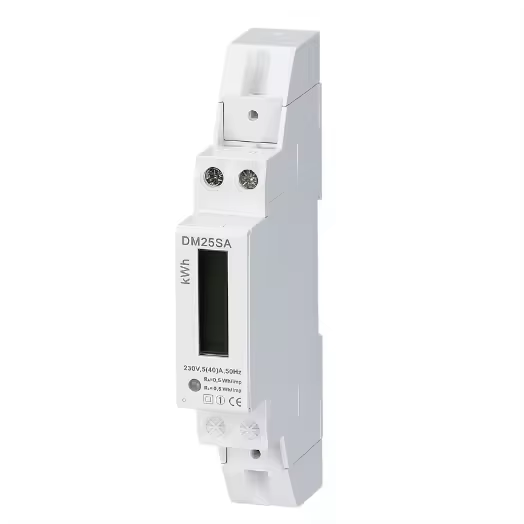
DIN rail mounting systems provide standardized installation methods for energy meter deployment in electrical panels and distribution boards. These mounting solutions ensure secure mechanical installation while maintaining proper electrical clearances and accessibility for maintenance operations. Modular energy meter designs accommodate various panel configurations and space constraints commonly encountered in commercial and industrial facilities.
Safety and Compliance Standards
Energy meter installations must comply with relevant electrical codes and safety standards including NEC, IEC, and local regulatory requirements. Proper grounding connections ensure safe operation and protect against electrical faults that could damage equipment or create safety hazards. Circuit protection devices including fuses and circuit breakers must be appropriately sized to protect energy meter circuits while maintaining measurement accuracy.
Certification standards such as ANSI C12.20 and IEC 62053 establish accuracy requirements and testing procedures for commercial energy meter applications. These standards define environmental operating conditions, electromagnetic compatibility requirements, and long-term stability criteria that ensure reliable performance throughout the meter's operational lifetime. Regular calibration and verification procedures maintain measurement accuracy and compliance with regulatory billing standards.
Advanced Features and Modern Applications
Data Logging and Historical Analysis
Modern energy meter systems incorporate extensive data logging capabilities that store consumption patterns, demand profiles, and power quality measurements over extended periods. Internal memory systems can typically store several years of historical data at various resolution levels, from instantaneous readings to monthly summaries. This data enables detailed analysis of consumption trends, identification of energy waste opportunities, and verification of energy efficiency improvements.
Advanced analytics capabilities within sophisticated energy meter systems automatically identify unusual consumption patterns, equipment malfunctions, and optimization opportunities. Machine learning algorithms analyze historical data to predict future consumption patterns and recommend energy management strategies. These intelligent features transform the energy meter from a simple measurement device into a comprehensive energy management tool.
Integration with Building Automation Systems
Contemporary energy meter designs seamlessly integrate with building automation systems to enable comprehensive facility energy management. Standardized communication interfaces allow energy meter data to flow directly into energy management software platforms that coordinate HVAC systems, lighting controls, and other building equipment. This integration enables automated demand response capabilities where energy meter feedback triggers load shedding or equipment optimization during peak demand periods.
Cloud-based energy meter monitoring platforms provide remote access to consumption data from any internet-connected device. These platforms offer customizable dashboards, automated reporting capabilities, and mobile applications that keep facility managers informed about energy performance regardless of their location. Integration with enterprise resource planning systems enables energy cost allocation, budgeting, and financial analysis based on accurate consumption measurements.
Maintenance and Troubleshooting Procedures
Routine Maintenance Requirements
Regular maintenance procedures ensure optimal energy meter performance and extend operational lifetime. Visual inspections should verify secure electrical connections, clean display surfaces, and proper environmental sealing. Connection tightness checks prevent high-resistance joints that could affect measurement accuracy and create safety hazards. Environmental factors including temperature, humidity, and vibration levels should be monitored to ensure operation within specified limits.
Calibration verification procedures using precision reference standards confirm measurement accuracy and identify drift that may occur over time. Most energy meter systems include self-diagnostic capabilities that continuously monitor internal functions and alert users to potential problems. Regular backup of configuration settings and historical data protects against data loss and enables rapid restoration following equipment failures.
Common Issues and Solutions
Communication failures represent common energy meter problems that can interrupt data collection and remote monitoring capabilities. Network configuration issues, signal interference, and hardware failures may disrupt communication links. Systematic troubleshooting procedures including signal strength measurements, protocol analysis, and hardware substitution help identify and resolve communication problems efficiently.
Measurement accuracy issues may result from improper installation, environmental factors, or component degradation. Comparative measurements using portable reference instruments help identify accuracy problems and determine correction requirements. Load imbalances, harmonic distortion, and power quality problems can affect energy meter performance and may require additional filtering or compensation measures.
Future Developments and Industry Trends
Emerging Technologies
Next-generation energy meter technologies incorporate artificial intelligence capabilities that enable predictive maintenance, automated fault detection, and optimization recommendations. Edge computing integration allows sophisticated data processing directly within the energy meter hardware, reducing communication bandwidth requirements and enabling real-time decision making. Blockchain technology integration promises enhanced security and transparency for energy trading and billing applications.
Wireless power transfer technologies may eliminate the need for hardwired connections in certain energy meter applications, particularly for temporary installations or retrofit applications. Advanced sensor technologies including contactless current measurement and optical voltage sensing offer improved safety and installation flexibility compared to traditional connection methods.
Market Evolution and Standardization
Industry standardization efforts focus on improving interoperability between energy meter systems from different manufacturers. Common communication protocols, data formats, and security standards facilitate system integration and reduce deployment complexity. Cybersecurity enhancements address growing concerns about smart grid vulnerability and data privacy protection.
Sustainability considerations drive development of energy meter systems with reduced environmental impact through improved manufacturing processes, recyclable materials, and extended operational lifetimes. Energy efficiency improvements in energy meter designs minimize self-consumption while maintaining measurement accuracy and functionality requirements.
FAQ
How accurate are modern energy meter measurements
Modern digital energy meter systems typically achieve accuracy levels between 0.2% and 1.0% depending on the specific model and application requirements. Revenue-grade meters used for commercial billing applications must meet strict accuracy standards defined by regulatory agencies. Class 0.2S meters provide the highest accuracy for critical applications, while Class 1.0 meters offer sufficient precision for most residential and light commercial uses. Accuracy performance is maintained across wide operating ranges including varying load conditions, temperature fluctuations, and power quality disturbances.
What is the typical lifespan of an energy meter
Contemporary electronic energy meter systems are designed for operational lifespans of 15 to 20 years under normal operating conditions. Solid-state designs with no moving parts typically outlast electromechanical meters that may require replacement after 10 to 15 years. Environmental factors including temperature extremes, humidity, and vibration can affect longevity, while proper installation and regular maintenance maximize operational lifetime. Many utility companies implement systematic replacement programs based on age, accuracy drift, or technological obsolescence rather than complete failure.
Can energy meters measure both consumption and generation
Advanced bidirectional energy meter systems can accurately measure both energy consumption and generation, making them essential for renewable energy installations and net metering applications. These meters detect current flow direction and separately accumulate energy totals for import and export conditions. Solar panel installations, wind generators, and battery storage systems require bidirectional metering capability to properly account for energy production credits and consumption charges. Time-of-use functionality enables differential pricing for energy consumed versus generated during different periods.
How do smart energy meters communicate with utility companies
Smart energy meter systems utilize various communication technologies including cellular networks, power line communication, radio frequency mesh networks, and fiber optic connections to transmit data to utility companies. Automated meter reading systems collect consumption data remotely without requiring physical meter readings, improving efficiency and reducing operational costs. Communication frequencies range from daily readings to real-time streaming depending on utility requirements and rate structures. Secure encryption protocols protect data transmission and prevent unauthorized access to consumption information and system controls.