 EN
EN

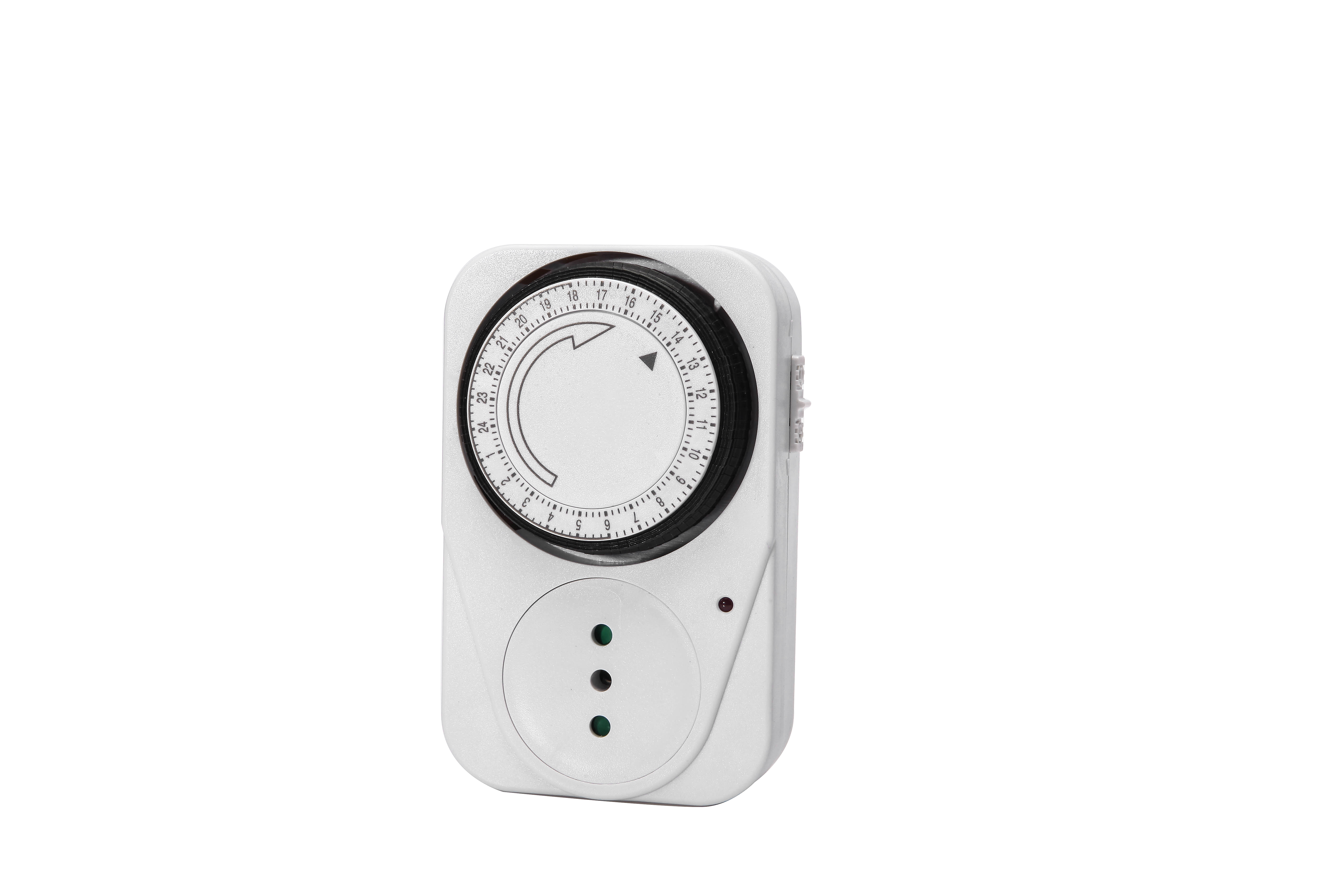
A timer switch represents one of the most fundamental yet versatile electrical control devices used across residential, commercial, and industrial applications. This essential component automates electrical circuits by controlling when power flows to connected devices based on predetermined time intervals or schedules. As we advance into 2025, timer switch technology continues to evolve with enhanced digital capabilities, improved precision, and expanded connectivity features that make them indispensable for modern electrical systems.

The core functionality of a timer switch revolves around its ability to measure time intervals and execute switching operations accordingly. These devices operate through various mechanisms, from simple mechanical movements to sophisticated electronic circuits that can handle complex programming sequences. Understanding how these systems work becomes crucial for professionals who design, install, or maintain electrical systems where precise timing control is required.
Understanding the Fundamentals of Timer Switch Technology
Basic Operating Principles
Every timer switch operates on the fundamental principle of time measurement combined with electrical switching capabilities. The device contains an internal timing mechanism that tracks elapsed time or maintains awareness of current time-of-day schedules. When predetermined time conditions are met, the timer switch activates or deactivates connected electrical circuits through its switching contacts.
The timing mechanism can be mechanical, utilizing clockwork movements with gears and springs, or electronic, employing quartz crystals and digital processors for enhanced accuracy. Mechanical timer switches typically offer simplicity and reliability but with limited programming flexibility. Electronic versions provide sophisticated scheduling options, multiple program storage, and often include features like daylight saving time adjustments and battery backup systems.
Modern timer switch designs incorporate advanced features that extend beyond basic on-off control. Many units now support multiple channel operation, allowing control of several circuits simultaneously with independent timing schedules. This capability proves particularly valuable in industrial settings where coordinated equipment operation is essential for efficient production processes.
Core Components and Construction
The construction of a timer switch involves several critical components working together to achieve reliable time-based control. The timing element serves as the heart of the device, whether it consists of a synchronous motor driving mechanical cams in older designs or a microprocessor with crystal oscillator in contemporary electronic models.
Switching contacts represent another crucial component, typically designed to handle specific voltage and current ratings. These contacts must withstand repeated switching operations while maintaining low resistance and preventing arc formation during circuit interruption. High-quality timer switches employ silver-cadmium oxide or other specialized contact materials to ensure long service life and reliable operation.
The enclosure and mounting system provide physical protection for internal components while facilitating proper installation. Industrial-grade timer switches often feature robust enclosures rated for harsh environmental conditions, including moisture, dust, and temperature extremes. Proper enclosure selection becomes essential for maintaining timer switch performance across diverse application environments.
Types and Classifications of Timer Switch Systems
Mechanical Timer Switch Variants
Mechanical timer switches represent the traditional approach to time-based electrical control, utilizing spring-wound mechanisms or synchronous motors to drive timing functions. These devices typically feature rotating dials or drums with adjustable pins or tabs that activate switching contacts at predetermined intervals. Despite their seemingly simple design, mechanical timer switches offer excellent reliability and require no external power source for basic timing functions.
Spring-wound timer switches provide countdown timing functionality, making them ideal for applications requiring automatic shutoff after a specified duration. These units are commonly found in industrial processes where equipment needs to operate for predetermined periods before automatic shutdown. The mechanical nature eliminates concerns about power interruptions affecting timing accuracy during operation.
Synchronous motor-driven timer switches maintain time-of-day accuracy by utilizing AC line frequency as their time base. These units can provide daily, weekly, or even monthly scheduling capabilities through various cam and gear arrangements. While less flexible than electronic alternatives, mechanical timer switches excel in environments where electromagnetic interference or power quality issues might affect electronic components.
Electronic Timer Switch Technology
Electronic timer switches leverage digital technology to provide enhanced accuracy, flexibility, and functionality compared to their mechanical counterparts. These devices employ microprocessors, quartz crystal oscillators, and digital displays to create sophisticated timing and scheduling systems capable of handling complex programming requirements.
Digital timer switches typically offer multiple programming modes, including countdown timers, interval timing, and astronomical time calculations that automatically adjust for seasonal daylight variations. Advanced models support multiple independent channels, allowing control of different circuits with completely separate timing schedules stored in non-volatile memory.
Smart timer switches represent the latest evolution in electronic timing technology, incorporating wireless connectivity and smartphone app integration. These devices can be programmed and monitored remotely, providing real-time status updates and allowing schedule modifications without physical access to the timer switch unit itself. Integration with home automation systems and building management platforms expands their utility in modern smart building applications.
Installation and Configuration Best Practices
Proper Installation Procedures
Successful timer switch installation requires careful attention to electrical safety standards, manufacturer specifications, and local electrical codes. The installation process begins with proper circuit isolation and verification that power is completely disconnected before beginning work. Qualified electricians should handle all timer switch installations involving high voltage or complex wiring configurations.
Wire sizing and circuit protection must match the timer switch current rating and connected load requirements. Oversizing protection devices can result in unsafe operating conditions, while undersized wiring creates voltage drop issues that may affect timer switch performance. Proper grounding connections are essential for safety and can help prevent electromagnetic interference in sensitive electronic timer switches.
Environmental considerations play a crucial role in timer switch installation success. Units installed in outdoor locations require appropriate weather protection and may need special attention to condensation control. Indoor installations in dusty or corrosive environments may benefit from additional protective measures or specialized enclosure selection.
Programming and Configuration Guidelines
Programming a timer switch effectively requires understanding both the device capabilities and the application requirements. Start by documenting the desired switching schedule, including all on-off times, special operating modes, and any seasonal variations that need accommodation. This planning phase helps ensure the timer switch configuration meets all operational needs.
For electronic timer switches, take advantage of multiple program storage capabilities to create backup schedules for holidays, maintenance periods, or emergency operations. Many modern units support program copying and bulk programming features that streamline setup for multiple similar installations. Always verify programming accuracy through several complete cycles before finalizing the installation.
Documentation becomes essential for maintaining timer switch systems over time. Create clear records of programming settings, wiring configurations, and any special operating instructions. This information proves invaluable during troubleshooting, system modifications, or replacement activities throughout the timer switch service life.
Applications Across Different Industries
Industrial Manufacturing Applications
Manufacturing facilities rely heavily on timer switch technology for coordinating production equipment, controlling process heating and cooling systems, and managing facility lighting and ventilation. Automated production lines often incorporate multiple timer switches working together to sequence operations, ensuring proper timing between manufacturing steps and maintaining consistent product quality.
Process control applications benefit from timer switch precision in managing chemical reactions, curing cycles, and material handling systems. The ability to maintain exact timing relationships becomes critical when process variations can affect product quality or safety. Many industrial timer switches provide contact ratings suitable for direct motor control, eliminating the need for additional relay components.
Energy management represents another significant industrial application for timer switch technology. By controlling non-essential equipment during peak demand periods, facilities can reduce utility costs and avoid demand charges. Programmable timer switches can implement sophisticated load shedding strategies that balance operational needs with energy conservation goals.
Commercial Building Systems
Commercial buildings utilize timer switch systems for lighting control, HVAC scheduling, and security system integration. Automated lighting control reduces energy consumption while ensuring appropriate illumination levels throughout different periods of building occupancy. Timer switches can coordinate with occupancy sensors and daylight harvesting systems to optimize lighting efficiency.
HVAC systems benefit from timer switch control through automatic setback scheduling that reduces heating and cooling loads during unoccupied periods. This capability can result in substantial energy savings while maintaining comfortable conditions when the building is occupied. Integration with building automation systems allows centralized control and monitoring of multiple timer switch installations.
Security and access control systems often incorporate timer switch functionality for controlling door locks, lighting systems, and surveillance equipment. Automated scheduling ensures consistent security protocols while reducing the burden on security personnel. Emergency override capabilities allow manual control when necessary while maintaining automatic operation under normal conditions.
Troubleshooting and Maintenance Requirements
Common Issues and Diagnostic Approaches
Timer switch troubleshooting requires systematic approaches that consider both timing accuracy and switching function performance. Common issues include erratic switching behavior, timing drift, contact failure, and programming loss. Understanding the specific timer switch type and its normal operating characteristics helps identify when performance deviates from expected parameters.
Mechanical timer switches typically fail due to worn contacts, spring fatigue, or gear train problems. Visual inspection often reveals obvious mechanical damage, while timing accuracy can be verified using stopwatch measurements over several complete cycles. Contact resistance measurements help identify switching contact deterioration before complete failure occurs.
Electronic timer switches may experience different failure modes, including display malfunctions, memory loss, or timing crystal drift. Power supply issues often cause erratic behavior in electronic units, making voltage measurement an important diagnostic step. Battery backup systems require periodic replacement to maintain programming during power interruptions.
Preventive Maintenance Strategies
Regular maintenance schedules help ensure reliable timer switch operation throughout the expected service life. Visual inspections should check for signs of overheating, moisture intrusion, or mechanical damage. Contact cleanliness becomes particularly important for timer switches handling low-level signals where minor contamination can cause operation problems.
Timing accuracy verification should be performed periodically, especially for critical applications where precise timing affects safety or product quality. Simple timing checks using accurate reference clocks can identify developing problems before they cause system failures. Documentation of timing measurements helps establish trends that indicate when replacement might be necessary.
Environmental factors require ongoing attention in timer switch maintenance programs. Dust accumulation can affect cooling and mechanical operation, while moisture can cause corrosion and electrical problems. Regular cleaning and environmental control help extend timer switch service life and maintain reliable operation.
FAQ
What is the typical lifespan of a timer switch
The lifespan of a timer switch varies significantly based on the type, application, and operating environment. Mechanical timer switches typically last 5-10 years with regular use, while electronic versions can operate reliably for 10-15 years or more. Factors affecting lifespan include switching frequency, load current levels, environmental conditions, and maintenance quality. High-quality industrial timer switches designed for continuous operation often exceed these typical ranges when properly maintained.
Can timer switches handle different voltage and current levels
Timer switches are available with various voltage and current ratings to match specific application requirements. Common residential units handle 120-240V AC with current ratings from 15-20 amperes, while industrial versions may support higher voltages and currents. It is crucial to select a timer switch with ratings that exceed the connected load requirements by an appropriate safety margin. Never exceed the manufacturer's specified ratings, as this can result in unsafe operating conditions and premature failure.
How do modern timer switches integrate with smart home systems
Modern electronic timer switches increasingly offer connectivity features that enable integration with smart home and building automation systems. WiFi-enabled units can be controlled through smartphone applications, allowing remote programming and monitoring capabilities. Many smart timer switches support popular home automation protocols like Z-Wave, Zigbee, or WiFi direct connections. This integration enables voice control through virtual assistants and coordination with other smart devices for comprehensive automated scheduling.
What factors should be considered when selecting a timer switch for industrial applications
Industrial timer switch selection requires careful evaluation of several critical factors. Environmental conditions including temperature range, humidity, dust, and chemical exposure determine the required enclosure rating and construction materials. Electrical specifications must match or exceed load requirements with appropriate safety margins. Programming flexibility, accuracy requirements, and integration needs with existing control systems also influence selection decisions. Consider maintenance accessibility, spare parts availability, and manufacturer support when choosing timer switches for critical industrial applications.