 EN
EN

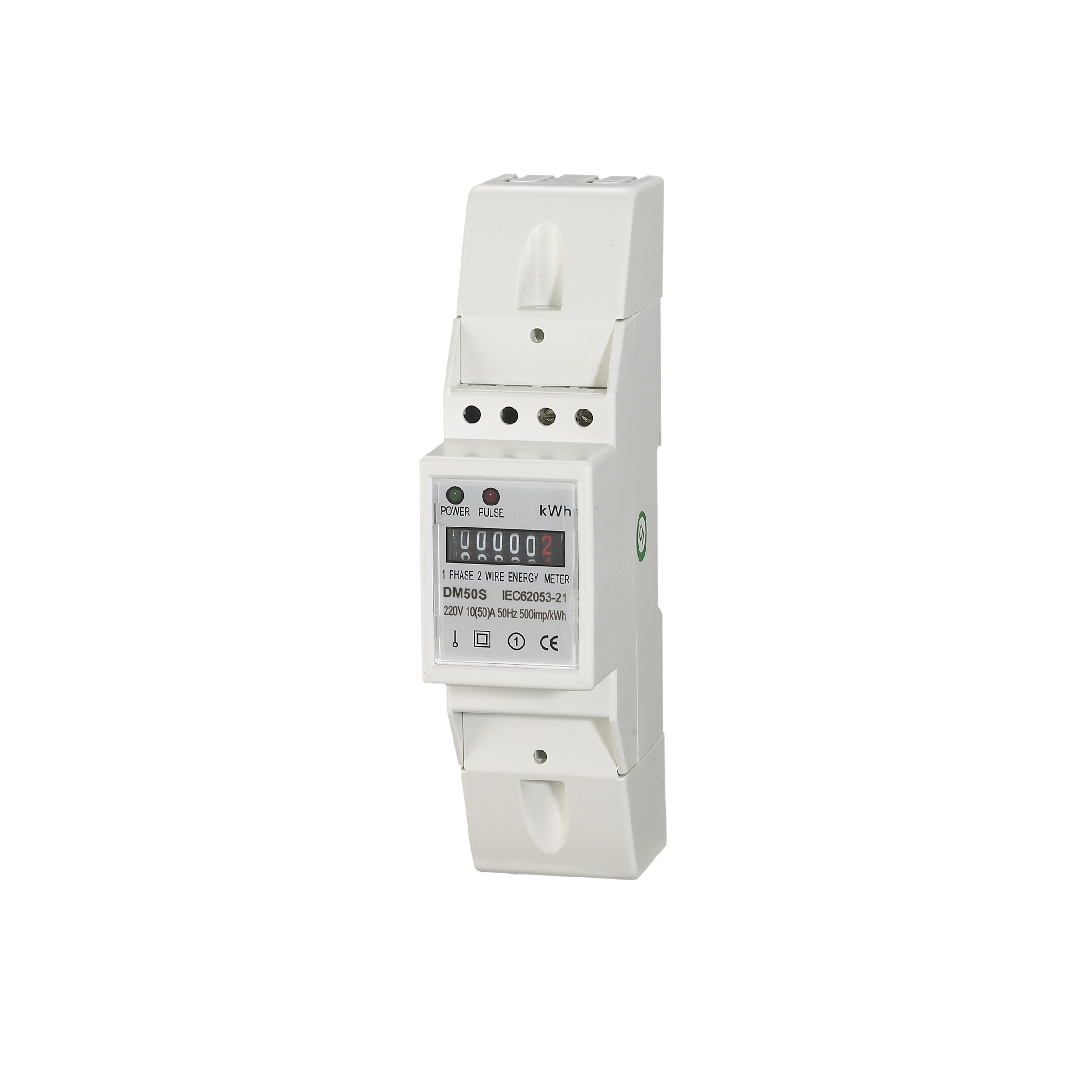
Modern homeowners face rising electricity costs and growing environmental concerns that make monitoring energy consumption more critical than ever. An energy meter serves as the foundation for understanding how much electricity your household consumes, enabling you to make informed decisions about usage patterns and identify opportunities for savings. These sophisticated devices have evolved from simple mechanical units to advanced digital systems that provide real-time data and comprehensive analytics. Installing an energy meter in your home transforms abstract utility bills into actionable insights, empowering you to take control of your energy footprint while potentially reducing monthly expenses by up to 20 percent.
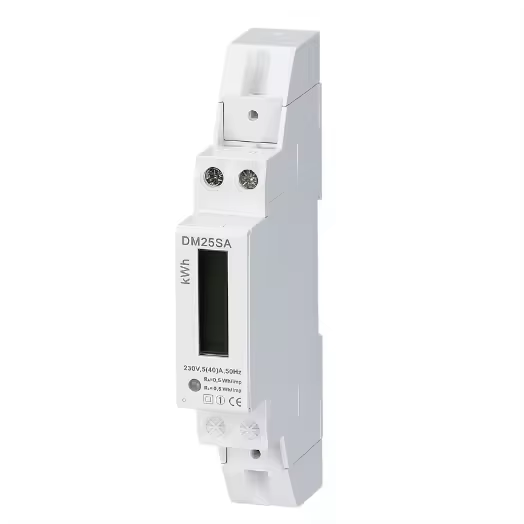
Understanding Energy Consumption Patterns
Peak Usage Identification
Every household exhibits unique energy consumption patterns that fluctuate throughout the day, week, and season. An energy meter reveals these patterns by tracking usage during different time periods, helping homeowners identify peak consumption hours when electricity rates may be highest. During summer months, air conditioning systems typically drive consumption peaks during afternoon hours, while winter heating creates different usage spikes. Understanding these patterns allows families to shift non-essential activities to off-peak hours, potentially reducing costs through time-of-use pricing plans offered by many utility companies.
Modern energy meters can differentiate between baseload consumption and variable usage, providing insights into which appliances contribute most significantly to your electricity bills. Refrigerators, water heaters, and HVAC systems typically represent the largest portion of residential energy consumption, but an energy meter can reveal surprising contributors like entertainment systems in standby mode or inefficient lighting fixtures. This granular visibility enables targeted improvements rather than broad conservation efforts that may have minimal impact.
Seasonal Variations and Trends
Seasonal energy consumption variations can represent significant portions of annual electricity costs, making tracking essential for budget planning and efficiency improvements. An energy meter documents these variations over time, creating historical data that reveals trends and helps predict future consumption patterns. Spring and fall typically show moderate usage levels, while summer and winter months often display dramatic increases due to climate control requirements.
Long-term trend analysis through energy meter data helps homeowners evaluate the effectiveness of efficiency upgrades, such as new appliances, insulation improvements, or LED lighting conversions. These measurements provide concrete evidence of investment returns and guide future upgrade decisions. Additionally, unusual consumption spikes detected by an energy meter can indicate equipment malfunctions or inefficiencies before they result in costly repairs or excessive utility bills.
Financial Benefits and Cost Control
Real-Time Cost Awareness
Traditional utility billing provides monthly summaries that offer limited insight into daily consumption patterns and their associated costs. An energy meter bridges this gap by providing real-time or near-real-time cost information, allowing homeowners to see immediate financial impacts of their electricity usage decisions. This transparency encourages more conscious consumption behaviors, as family members can observe how turning on additional lights, appliances, or entertainment systems affects their electricity expenses.
Smart energy meters often integrate with mobile applications or web portals that display current usage rates, projected monthly costs, and comparisons to historical periods. These features transform abstract kilowatt-hour measurements into tangible dollar amounts that resonate with household budgeting goals. Families using energy meter systems report average savings of 10-15 percent on their electricity bills through increased awareness alone, without requiring significant lifestyle changes or equipment investments.
Budget Planning and Expense Prediction
Accurate energy consumption data from an energy meter enables precise budget planning and expense prediction throughout the year. Historical data helps homeowners anticipate seasonal increases and plan accordingly, preventing budget surprises during high-consumption months. This information proves particularly valuable for fixed-income households or those managing tight monthly budgets where unexpected utility cost increases can create financial stress.
Energy meter data also supports informed decision-making regarding rate plan selections offered by utility companies. Many providers offer time-of-use rates, tiered pricing structures, or demand response programs that can significantly impact monthly costs. With detailed consumption data, homeowners can model different rate scenarios to determine which pricing structure offers the greatest potential savings based on their specific usage patterns.
Environmental Impact and Sustainability
Carbon Footprint Tracking
Environmental consciousness drives many homeowners to seek methods for reducing their carbon footprint, and an energy meter provides the measurement foundation necessary for meaningful progress. Electricity generation often relies on fossil fuels, making residential consumption a significant contributor to greenhouse gas emissions. By tracking energy usage through an energy meter, families can quantify their environmental impact and establish reduction goals with measurable outcomes.
Many energy meter systems can convert electricity consumption data into carbon emissions estimates, helping homeowners understand the environmental implications of their usage patterns. This information supports sustainability goals by identifying the most impactful areas for reduction efforts. Reducing energy consumption by just 1000 kilowatt-hours annually can prevent approximately 700 pounds of carbon dioxide emissions, depending on the local electricity generation mix.
Supporting Renewable Energy Integration
Homeowners investing in solar panels, wind systems, or other renewable energy sources require detailed consumption data to optimize system sizing and performance. An energy meter provides this essential information by documenting current usage patterns and identifying opportunities for renewable energy integration. This data helps determine appropriate system sizes that balance investment costs with energy independence goals.
Net metering programs, which allow homeowners to sell excess renewable energy back to the grid, require precise measurement capabilities that modern energy meters provide. These systems track both consumption from the grid and production fed back to the utility, ensuring accurate billing and maximum financial benefit from renewable energy investments. The energy meter serves as the critical interface between home energy systems and utility grid connections.
Technology Integration and Smart Home Benefits
Smart Home Ecosystem Connectivity
Modern energy meters integrate seamlessly with smart home ecosystems, enabling automated energy management and optimization strategies. These systems can communicate with smart thermostats, water heaters, appliances, and lighting controls to implement dynamic load management based on real-time pricing, demand levels, or user-defined preferences. This connectivity transforms the energy meter from a monitoring device into an active energy management tool.
Integration with home automation platforms allows energy meters to trigger specific actions based on consumption thresholds or time-based schedules. For example, the system might automatically adjust thermostat settings when consumption approaches predetermined limits or shift appliance operations to off-peak hours. These automated responses help maintain comfort levels while optimizing energy costs without requiring constant manual intervention from homeowners.
Data Analytics and Artificial Intelligence
Advanced energy meters leverage artificial intelligence and machine learning algorithms to analyze consumption patterns and provide predictive insights. These systems can identify anomalies that might indicate equipment malfunctions, predict future consumption based on weather forecasts and historical data, and recommend specific actions for optimization. The energy meter becomes an intelligent advisor that helps homeowners make data-driven decisions about their electricity usage.
Cloud-based analytics platforms connected to energy meters can benchmark home performance against similar properties, providing context for consumption levels and efficiency ratings. This comparative analysis helps homeowners understand whether their usage patterns align with expectations for their home size, climate zone, and household composition. Identifying significant deviations from comparable homes can reveal opportunities for improvement or highlight exceptional efficiency achievements.
Installation and Maintenance Considerations
Professional Installation Requirements
Installing an energy meter typically requires professional electrical work to ensure safe integration with existing electrical systems and compliance with local building codes. Qualified electricians understand the specific requirements for different energy meter types and can recommend appropriate solutions based on home electrical configurations and monitoring objectives. Professional installation ensures accurate measurements and prevents safety hazards associated with electrical system modifications.
The installation process varies depending on whether homeowners choose whole-house monitoring systems or individual circuit monitoring solutions. Whole-house energy meters typically install at the main electrical panel and provide comprehensive consumption data for the entire property. Circuit-level monitoring requires individual sensors on specific electrical branches, offering detailed insights into particular appliance or zone consumption patterns. Professional installers can evaluate home electrical systems and recommend optimal configuration approaches.
Ongoing Maintenance and Calibration
Energy meters require minimal ongoing maintenance but benefit from periodic calibration checks to ensure measurement accuracy over time. Digital energy meters typically maintain precision for several years without intervention, but environmental factors, electrical surges, or component aging can affect accuracy. Many modern units include self-diagnostic capabilities that alert users to potential calibration issues or system malfunctions.
Software updates for smart energy meters help maintain compatibility with evolving utility communication protocols and add new features or analytical capabilities. Manufacturers often release updates that improve measurement accuracy, add integration options, or enhance user interfaces. Regular maintenance includes keeping communication connections clean and secure, protecting outdoor components from weather damage, and ensuring proper ventilation around electronic components.
FAQ
How much can an energy meter actually save on electricity bills
Most homeowners report electricity bill savings between 10-20 percent after installing an energy meter, primarily through increased awareness of consumption patterns and identification of energy-wasting appliances or behaviors. The actual savings depend on previous consumption habits, home efficiency levels, and willingness to modify usage patterns based on energy meter data. Homes with older appliances or poor insulation typically see higher percentage savings compared to already-efficient properties.
What types of energy meters work best for residential applications
Single-phase energy meters with smart connectivity features provide optimal residential performance, offering accurate whole-house monitoring with remote access capabilities through smartphone apps or web interfaces. Look for units certified by relevant electrical standards organizations and compatible with your utility company's communication protocols. Features like real-time data display, historical tracking, and integration with smart home systems enhance functionality and user experience.
Can energy meters interfere with other electrical devices in the home
Properly installed energy meters do not interfere with normal household electrical devices or appliances when installed according to manufacturer specifications and local electrical codes. Modern energy meters use non-invasive monitoring methods that measure electrical flow without disrupting normal circuit operation. However, some wireless communication features might experience interference from other devices using similar frequency bands, though this typically doesn't affect measurement accuracy.
How long do residential energy meters typically last before replacement
Quality residential energy meters typically operate reliably for 10-15 years with minimal maintenance, though digital components may require replacement or upgrades more frequently than mechanical components. Manufacturer warranties usually cover 3-5 years for electronic components, while measurement accuracy specifications often guarantee performance for 10+ years. Environmental factors, electrical system stability, and usage intensity can affect lifespan, making regular performance monitoring beneficial for detecting potential issues early.