 EN
EN

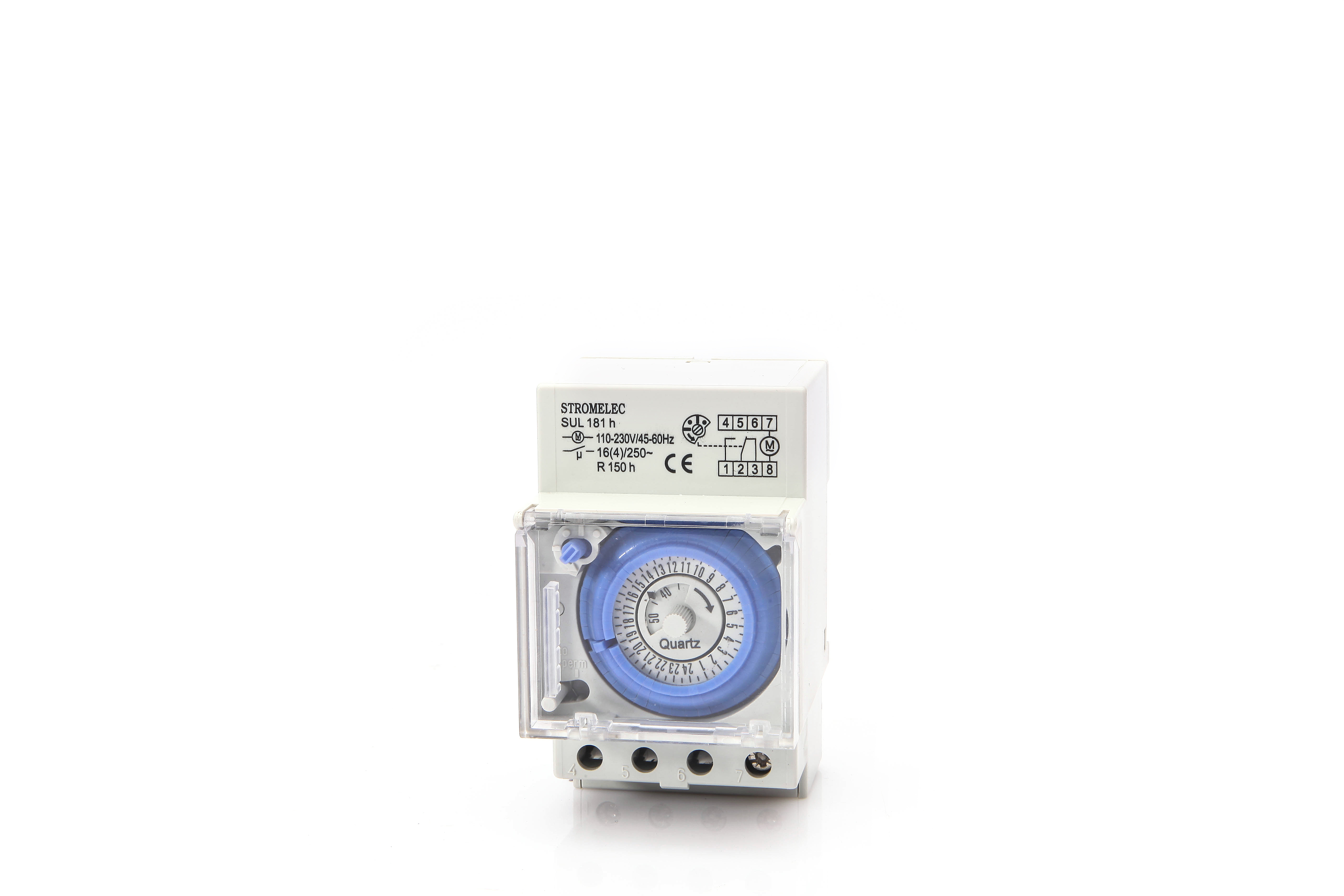
Energy conservation has become a critical concern for homeowners seeking to reduce utility bills and minimize their environmental footprint. Among the various smart home technologies available today, a timer switch stands out as one of the most cost-effective solutions for automated energy management. This intelligent device allows homeowners to schedule electrical appliances and lighting systems to operate only when needed, eliminating wasteful energy consumption during unnecessary hours. By implementing strategic timing controls throughout your home, you can achieve significant energy savings while maintaining comfort and convenience.

Understanding Timer Switch Technology and Energy Efficiency
Mechanical vs Digital Timer Switch Systems
Modern timer switch technology encompasses two primary categories: mechanical and digital systems, each offering distinct advantages for energy management applications. Mechanical timer switch units operate through clockwork mechanisms that physically engage and disengage electrical circuits at predetermined intervals. These robust devices typically feature rotating dials with removable pins that users can position to create customized on-off schedules throughout a 24-hour cycle.
Digital timer switch models utilize electronic circuits and LCD displays to provide more precise scheduling capabilities and advanced programming features. These sophisticated units can store multiple program settings, accommodate irregular schedules, and often include backup battery systems to maintain programming during power outages. The enhanced accuracy of digital timer switch technology ensures more consistent energy savings by eliminating the slight variations inherent in mechanical systems.
Power Control Mechanisms and Energy Reduction
The fundamental energy-saving principle behind every timer switch lies in its ability to eliminate phantom loads and unnecessary power consumption. When electrical devices remain connected to power sources without active use, they often continue drawing small amounts of electricity for standby functions, indicator lights, or internal clocks. A properly configured timer switch completely disconnects power flow during scheduled off periods, ensuring zero energy consumption from connected devices.
Advanced timer switch models incorporate load monitoring capabilities that track actual power consumption patterns and provide feedback on energy usage. This data enables homeowners to optimize their scheduling strategies and identify opportunities for additional savings. Some units feature adaptive learning algorithms that automatically adjust timing schedules based on historical usage patterns and seasonal variations.
Residential Applications for Maximum Energy Savings
Outdoor Lighting and Security Systems
Outdoor lighting represents one of the most impactful applications for timer switch technology in residential energy management. Traditional outdoor lighting systems often operate continuously throughout dark hours, consuming substantial electricity for areas that may not require constant illumination. By installing a timer switch for outdoor lighting circuits, homeowners can schedule lights to operate only during peak security hours or when outdoor activities are planned.
Security lighting systems benefit significantly from timer switch integration, as these devices can create the appearance of occupancy during vacation periods while minimizing energy consumption. Smart timer switch units can randomize lighting schedules to simulate natural usage patterns, providing enhanced security benefits without the energy waste associated with continuous operation. Motion sensor integration with timer switch controls creates an optimal balance between security effectiveness and energy efficiency.
Water Heating and Circulation Systems
Water heating typically accounts for 15-20% of residential energy consumption, making it an ideal target for timer switch optimization. Electric water heaters can be controlled through heavy-duty timer switch units that heat water only during periods of anticipated demand. This strategy prevents continuous standby heating throughout low-usage periods, such as overnight hours or during extended absences from home.
Circulation pump systems for hot water delivery benefit from timer switch control by operating only during peak demand periods. These systems typically run continuously to maintain instant hot water availability, but strategic timing can provide adequate performance while reducing energy consumption by 30-50%. Advanced timer switch models can accommodate multiple daily cycles to align with family routines and usage patterns.
HVAC System Integration and Climate Control Optimization
Heating and Cooling Schedule Management
Heating, ventilation, and air conditioning systems represent the largest energy consumers in most residential properties, making them prime candidates for timer switch optimization. While modern HVAC systems typically include programmable thermostats, supplementary timer switch controls can provide additional energy savings through strategic system cycling and auxiliary equipment management. Timer switch integration allows for precise control over circulation fans, auxiliary heating elements, and air filtration systems.
Zoned HVAC systems benefit from individual timer switch controls that enable room-by-room scheduling based on occupancy patterns. This approach prevents energy waste in unoccupied areas while maintaining comfort in actively used spaces. Commercial-grade timer switch units can handle the high electrical demands of HVAC equipment while providing reliable long-term operation and precise timing accuracy.
Ventilation and Air Quality Systems
Whole-house ventilation systems and air purification equipment often operate continuously to maintain indoor air quality, but strategic timer switch scheduling can achieve similar results with significantly reduced energy consumption. Bathroom exhaust fans, basement dehumidifiers, and attic ventilation systems can be programmed to operate during optimal periods based on humidity levels, occupancy patterns, and outdoor weather conditions.
Kitchen ventilation systems benefit from timer switch controls that automatically activate during typical cooking periods and provide extended operation for odor and moisture removal. These automated systems ensure adequate air quality management while preventing unnecessary energy consumption during inactive periods. Smart timer switch models can integrate with humidity sensors and air quality monitors to provide responsive ventilation control.
Pool and Spa Equipment Energy Management
Filtration and Circulation System Scheduling
Swimming pool equipment represents a significant energy expense for many homeowners, with circulation pumps, heaters, and filtration systems operating continuously throughout the swimming season. Timer switch technology provides substantial opportunities for energy reduction through optimized scheduling of these energy-intensive systems. Pool circulation pumps can maintain adequate water quality with 6-8 hours of daily operation, rather than continuous 24-hour cycles.
Variable-speed pool pumps paired with sophisticated timer switch controls can create multiple daily cycles that optimize filtration effectiveness while minimizing energy consumption. These systems can schedule high-speed operation during peak debris periods and reduced-speed circulation during maintenance periods. Advanced timer switch models can accommodate seasonal schedule adjustments and integrate with automated pool cleaning systems.
Heating and Chemical Distribution Systems
Pool and spa heating systems consume enormous amounts of energy, particularly during cooler months or in northern climates. Timer switch controls enable strategic heating schedules that warm water prior to planned usage periods while allowing temperatures to drop during inactive times. This approach can reduce heating costs by 40-60% compared to continuous temperature maintenance.
Automated chemical distribution systems, including chlorinators and pH adjustment equipment, can operate on timer switch schedules that align with circulation cycles and optimize chemical effectiveness. These systems typically require only periodic operation to maintain proper water chemistry, making timer switch control an ideal energy-saving strategy. Smart timer switch units can coordinate multiple pool systems to ensure proper operational sequences and maximize overall efficiency.
Garden and Landscape Irrigation Automation
Sprinkler System Optimization
Landscape irrigation represents a substantial portion of residential water and energy consumption, particularly in arid regions where extensive watering schedules are necessary. Timer switch technology enables precise scheduling of irrigation systems to minimize water waste while maintaining healthy landscapes. These systems can accommodate multiple daily watering cycles, seasonal adjustments, and zone-specific requirements for different plant types and soil conditions.
Modern timer switch units designed for irrigation applications include weather monitoring capabilities that automatically adjust watering schedules based on rainfall, humidity, and temperature conditions. This intelligent scheduling prevents unnecessary watering during rainy periods and increases frequency during drought conditions. Energy savings result from reduced pump operation and decreased demand on municipal water systems.
Drip Irrigation and Specialty Watering Systems
Drip irrigation systems and specialized watering equipment for gardens and greenhouses benefit from precise timer switch control that delivers water during optimal absorption periods. These systems typically require brief, frequent watering cycles rather than extended operation periods, making timer switch technology essential for efficient operation. Nighttime and early morning watering schedules reduce evaporation losses and improve plant health.
Greenhouse and indoor growing systems utilize timer switch controls for automated watering, misting, and humidity management. These controlled environments require precise timing to maintain optimal growing conditions while minimizing energy and water consumption. Advanced timer switch models can coordinate multiple environmental systems to create ideal growing conditions with maximum efficiency.
Smart Home Integration and Advanced Features
Connectivity and Remote Management
Contemporary timer switch technology increasingly incorporates smart home connectivity features that enable remote monitoring and control through smartphone applications and home automation systems. Wi-Fi enabled timer switch units allow homeowners to adjust schedules, monitor energy consumption, and receive operational status updates from anywhere in the world. This connectivity enables real-time optimization based on changing circumstances and usage patterns.
Integration with popular smart home platforms allows timer switch devices to participate in comprehensive home automation scenarios. These systems can coordinate with occupancy sensors, weather monitoring, and energy management systems to create intelligent responses that maximize energy savings while maintaining comfort and convenience. Voice control integration enables hands-free schedule adjustments and system monitoring.
Energy Monitoring and Consumption Analytics
Advanced timer switch models incorporate real-time energy monitoring capabilities that track power consumption patterns and provide detailed usage analytics. These features enable homeowners to identify energy waste, optimize scheduling strategies, and quantify actual savings achieved through automated controls. Historical data analysis reveals trends and opportunities for additional efficiency improvements.
Smart timer switch systems can generate automated reports and recommendations based on usage patterns and energy costs. These insights help homeowners make informed decisions about schedule adjustments and identify opportunities for expanding automated controls to additional systems. Integration with utility company time-of-use pricing enables dynamic scheduling that minimizes energy costs during peak pricing periods.
Installation Considerations and Safety Requirements
Electrical Compatibility and Load Requirements
Proper timer switch installation requires careful consideration of electrical compatibility and load requirements to ensure safe and reliable operation. Different applications require specific timer switch ratings based on voltage, current, and load characteristics. Motor loads, resistive heating elements, and LED lighting systems each present unique requirements that must be matched to appropriate timer switch specifications.
Professional electrical installation ensures compliance with local building codes and safety standards while maximizing timer switch performance and longevity. Qualified electricians can assess existing electrical systems, recommend appropriate timer switch models, and implement proper installation techniques that prevent overloading and ensure reliable operation. Ground fault circuit interrupter compatibility must be verified for outdoor and wet location applications.
Maintenance and Troubleshooting
Regular maintenance of timer switch systems ensures continued energy savings and prevents operational failures that could compromise efficiency goals. Mechanical timer switch units require periodic cleaning and lubrication to maintain accurate timing, while digital models may need battery replacement and software updates. Seasonal schedule adjustments account for changing daylight patterns and usage requirements.
Common timer switch issues include schedule drift, contact wear, and programming corruption, all of which can reduce energy savings effectiveness. Preventive maintenance schedules should include visual inspections, schedule verification, and load testing to identify potential problems before they impact system performance. Backup programming documentation enables quick restoration of optimal schedules following device replacement or reprogramming.
FAQ
How much money can a timer switch save on electricity bills
The amount of money saved through timer switch implementation varies significantly based on the specific applications and local electricity rates. Typical residential installations achieve energy savings of 10-30% for controlled circuits, translating to annual savings of $50-300 for average households. High-consumption applications like pool equipment, water heating, and outdoor lighting provide the greatest savings potential, often recovering the timer switch investment within 6-12 months.
What types of electrical devices work best with timer switch controls
Timer switch controls work most effectively with resistive loads such as incandescent lighting, heating elements, and motors with predictable operation patterns. Pool pumps, water heaters, outdoor lighting, irrigation systems, and ventilation equipment represent ideal applications due to their high energy consumption and scheduled usage patterns. LED lighting and electronic devices may require specialized timer switch models designed for low-power and inductive loads.
Can timer switches be used with smart home systems and automation platforms
Modern timer switch technology increasingly incorporates smart home compatibility through Wi-Fi, Bluetooth, and dedicated home automation protocols. Many contemporary models integrate seamlessly with popular platforms like Amazon Alexa, Google Home, and Apple HomeKit, enabling voice control and centralized scheduling management. Advanced systems can coordinate with other smart devices to create comprehensive energy management strategies that adapt to occupancy patterns and environmental conditions.
How long do timer switches typically last before requiring replacement
Quality timer switch devices typically provide 10-15 years of reliable service when properly installed and maintained within their specified operating parameters. Mechanical models may require more frequent maintenance but often demonstrate exceptional longevity, while digital units offer advanced features but may need replacement sooner due to electronic component aging. Regular maintenance, proper load sizing, and protection from environmental extremes significantly extend timer switch operational life and maintain energy saving effectiveness.
Table of Contents
- Understanding Timer Switch Technology and Energy Efficiency
- Residential Applications for Maximum Energy Savings
- HVAC System Integration and Climate Control Optimization
- Pool and Spa Equipment Energy Management
- Garden and Landscape Irrigation Automation
- Smart Home Integration and Advanced Features
- Installation Considerations and Safety Requirements
- FAQ