 EN
EN

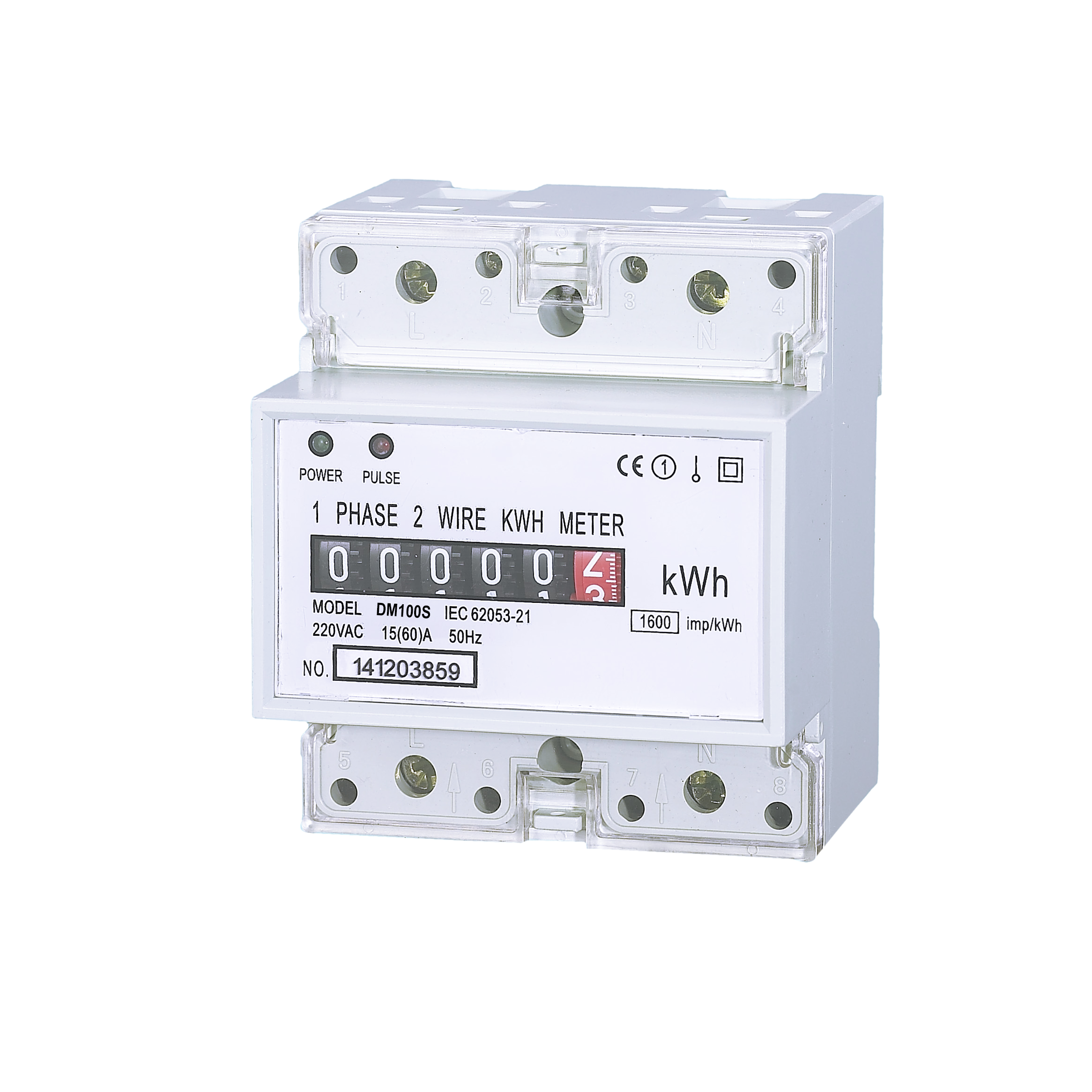
Selecting the appropriate energy meter for your business operations is a critical decision that directly impacts your ability to monitor, manage, and optimize electricity consumption. Modern commercial facilities require precise energy measurement solutions to comply with regulations, control costs, and enhance operational efficiency. The right energy meter provides accurate data collection, real-time monitoring capabilities, and comprehensive reporting features that enable businesses to make informed decisions about their energy usage patterns.
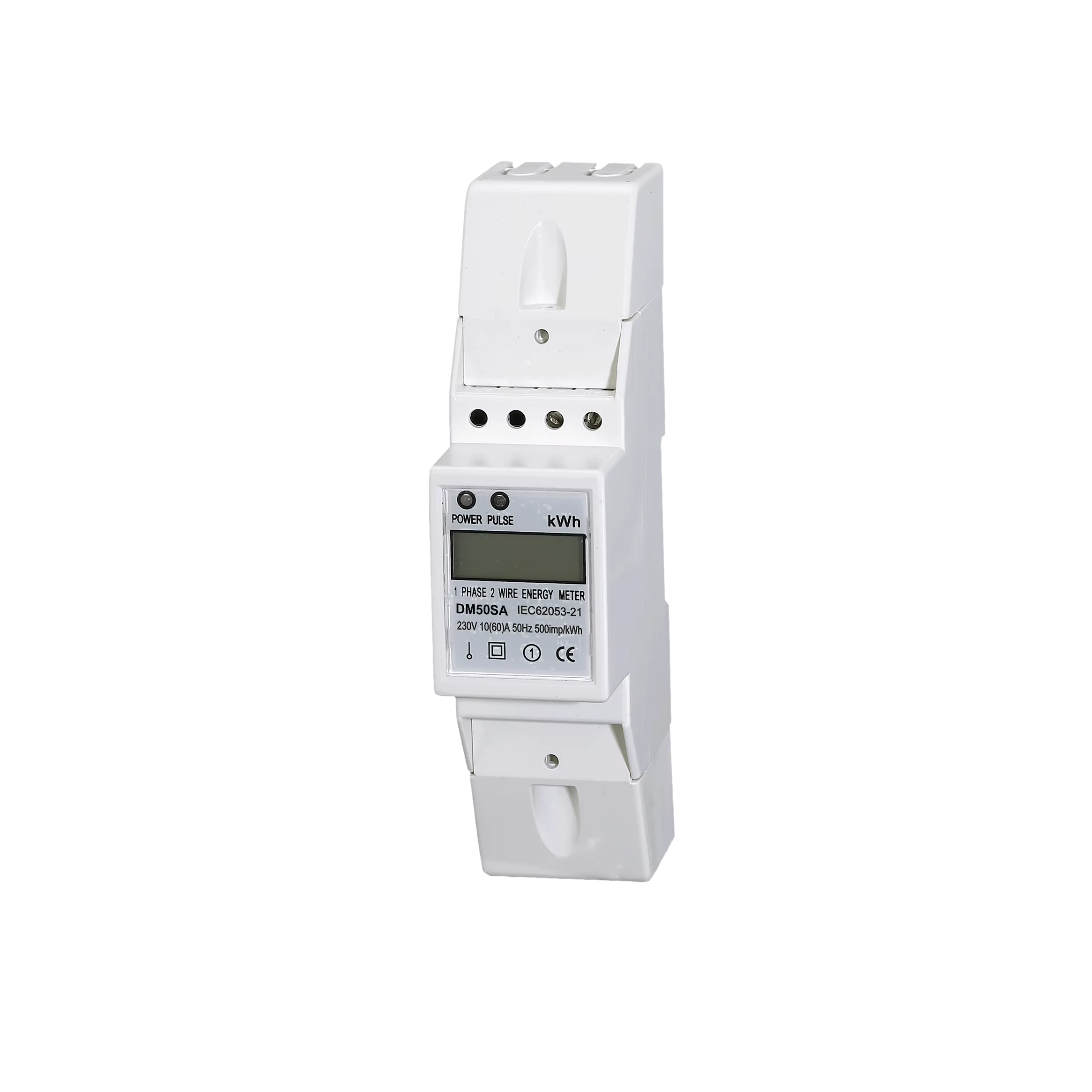
Understanding your specific business requirements is essential before evaluating different metering options. Commercial energy meters vary significantly in functionality, accuracy levels, and integration capabilities, making it crucial to align your selection with operational needs and future expansion plans. Businesses today face increasing pressure to demonstrate energy efficiency and environmental responsibility, making the choice of an energy meter more important than ever for sustainable operations.
Understanding Different Types of Energy Meters
Electromechanical Energy Meters
Traditional electromechanical energy meters utilize rotating discs and mechanical components to measure electrical consumption. These analog devices have served industrial applications for decades and continue to provide reliable basic measurement functionality. While less sophisticated than digital alternatives, electromechanical meters offer durability and simplicity that appeals to certain business environments. Their mechanical operation makes them less susceptible to electromagnetic interference and power quality issues that might affect electronic components.
However, electromechanical energy meters have limitations in terms of data collection and communication capabilities. They typically provide only cumulative energy readings without detailed consumption patterns or real-time monitoring features. Businesses considering these meters should evaluate whether basic measurement functionality meets their operational requirements and regulatory compliance needs.
Digital Electronic Energy Meters
Digital electronic energy meters represent the modern standard for commercial and industrial applications, offering advanced measurement capabilities and extensive data collection features. These sophisticated devices use microprocessors and digital signal processing to provide highly accurate readings across multiple electrical parameters. Electronic energy meters can measure voltage, current, power factor, harmonics, and other electrical characteristics that provide comprehensive insights into power quality and consumption patterns.
The versatility of electronic energy meters makes them suitable for diverse business applications, from small commercial facilities to large industrial complexes. Their ability to store historical data, support remote communication protocols, and integrate with building management systems provides significant operational advantages. Businesses benefit from detailed energy analytics that enable proactive maintenance, load optimization, and energy efficiency improvements.
Key Technical Specifications to Consider
Accuracy Class and Measurement Precision
The accuracy class of an energy meter determines its measurement precision and directly impacts billing accuracy and regulatory compliance. Commercial energy meters typically conform to IEC standards with accuracy classes ranging from 0.2S to 2.0, where lower numbers indicate higher precision. Class 0.2S meters provide the highest accuracy for revenue-grade applications, while Class 1.0 or 2.0 meters may suffice for basic monitoring purposes.
Selecting the appropriate accuracy class depends on your business application, regulatory requirements, and cost considerations. Revenue-grade installations require high-precision meters to ensure accurate billing and compliance with utility standards. Industrial facilities with critical processes may benefit from enhanced accuracy to support precise energy allocation and cost accounting. The investment in higher accuracy meters often pays dividends through improved energy management and reduced billing disputes.
Communication Protocols and Connectivity Options
Modern energy meters support various communication protocols that enable remote data collection and system integration. Common protocols include Modbus RTU, Modbus TCP, DNP3, and proprietary manufacturer-specific options. The choice of communication protocol affects compatibility with existing building management systems, SCADA networks, and energy management software platforms.
Businesses should evaluate their current infrastructure and future expansion plans when selecting communication capabilities. Ethernet connectivity provides flexibility for network integration, while serial communications may suffice for simpler installations. Wireless communication options enable meter deployment in locations where wired connections are impractical or cost-prohibitive. The ability to remotely access meter data reduces operational costs and enables proactive energy management strategies.
Electrical System Compatibility
Voltage and Current Ratings
Proper voltage and current rating selection ensures safe and accurate energy meter operation within your electrical system. Energy meters must match the nominal voltage levels of your facility, whether single-phase or three-phase configurations. Common commercial voltage ratings include 120V, 240V, 277V, 480V, and higher industrial voltages depending on your electrical infrastructure.
Current ratings determine the maximum load capacity that an energy meter can accurately measure. Direct-connected meters handle currents up to 200A, while higher capacity installations require current transformers to scale down measurement signals. Selecting appropriate current ratings prevents meter damage and ensures accurate measurements across your facility's entire load range. Consideration of future load growth helps avoid costly meter replacements during facility expansions.
Installation Configuration Requirements
The physical installation requirements of an energy meter significantly impact project costs and system design complexity. Panel-mounted meters require adequate space within electrical switchgear, while DIN rail mounting options provide flexibility in compact installations. Socket-based meters enable easy replacement and maintenance access, making them popular for revenue-grade applications.
Environmental considerations include temperature ratings, humidity tolerance, and protection against dust and moisture ingress. Industrial environments may require ruggedized energy meters with enhanced environmental ratings to withstand harsh operating conditions. Proper installation planning ensures optimal meter performance and longevity while minimizing maintenance requirements and operational disruptions.
Advanced Features and Functionality
Multi-Function Measurement Capabilities
Advanced energy meters offer comprehensive measurement capabilities beyond basic energy consumption monitoring. Multi-function devices can simultaneously measure active energy, reactive energy, apparent energy, power quality parameters, and harmonic analysis. These expanded capabilities provide valuable insights into electrical system performance and help identify opportunities for energy optimization and power quality improvements.
Power quality monitoring features detect voltage sags, swells, interruptions, and harmonic distortion that can affect sensitive equipment performance. Businesses with critical processes or expensive electronic equipment benefit from integrated power quality monitoring that helps prevent equipment damage and production disruptions. The comprehensive data collection capabilities of multi-function energy meters support predictive maintenance programs and energy efficiency initiatives.
Data Logging and Historical Analysis
Internal data logging capabilities enable energy meters to store consumption patterns, demand profiles, and power quality events for subsequent analysis. Historical data storage helps businesses identify trends, validate energy efficiency improvements, and support regulatory reporting requirements. Advanced meters can store weeks or months of detailed measurement data with configurable recording intervals.
The ability to analyze historical energy consumption patterns enables businesses to optimize operating schedules, identify equipment inefficiencies, and validate energy conservation measures. Demand profile analysis helps avoid peak demand charges by identifying opportunities to shift non-critical loads to off-peak periods. energy meter data supports energy audits and provides baseline measurements for continuous improvement programs.
Cost Considerations and Return on Investment
Initial Purchase and Installation Costs
The total cost of implementing an energy meter solution includes device purchase price, installation labor, system integration, and commissioning expenses. Basic energy meters represent minimal upfront investment but may lack features required for comprehensive energy management. Advanced multi-function meters command higher initial costs but provide enhanced capabilities that justify the investment through improved operational efficiency.
Installation costs vary depending on electrical system complexity, communication infrastructure requirements, and environmental factors. Professional installation ensures proper meter configuration, safety compliance, and optimal performance. Businesses should budget for ongoing maintenance, calibration, and potential software licensing costs when evaluating total ownership expenses. The long-term reliability and accuracy of quality energy meters typically justify higher initial investment costs.
Energy Savings and Operational Benefits
The return on investment for energy meter installations comes through improved energy management, reduced utility costs, and enhanced operational efficiency. Detailed consumption monitoring enables businesses to identify energy waste, optimize equipment operation, and validate conservation measures. Many organizations achieve 5-15% energy savings through improved monitoring and management capabilities enabled by advanced energy meters.
Operational benefits include reduced manual meter reading requirements, automated billing verification, and proactive maintenance scheduling based on equipment performance data. Energy meters support demand response programs that provide financial incentives for load reduction during peak periods. The ability to demonstrate energy efficiency improvements supports sustainability reporting and may qualify for utility rebates or tax incentives.
Regulatory Compliance and Standards
Industry Standards and Certifications
Energy meter selection must consider applicable industry standards and certification requirements for your specific application. Revenue-grade installations typically require meters certified to ANSI C12.20 or IEC 62053 standards to ensure billing accuracy and utility acceptance. Commercial and industrial applications may also need UL listing, CSA certification, or other safety approvals depending on local electrical codes.
International businesses should verify that selected energy meters comply with regional standards and certification requirements. European installations may require CE marking and compliance with EN standards, while other regions have specific certification requirements. Working with reputable manufacturers ensures access to properly certified products that meet applicable regulatory requirements and support smooth project approval processes.
Utility Integration Requirements
Utility companies often have specific requirements for energy meters used in revenue applications, including approved manufacturer lists, communication protocols, and installation standards. Coordination with your utility provider early in the selection process helps ensure compatibility and avoid costly modifications or replacements. Some utilities offer rebates or incentives for installing advanced metering infrastructure that supports grid modernization initiatives.
Net metering applications for facilities with renewable energy generation require bidirectional energy meters capable of measuring both consumed and generated electricity. These specialized meters support accurate billing for excess generation credits and ensure compliance with interconnection agreements. Understanding utility requirements and future regulatory changes helps guide appropriate energy meter selection for long-term compatibility.
FAQ
What accuracy class energy meter do I need for my business
The required accuracy class depends on your specific application and regulatory requirements. Revenue-grade installations typically need Class 0.2S or 0.5S meters for utility billing purposes, while general monitoring applications may use Class 1.0 or 2.0 meters. Higher accuracy meters cost more initially but provide better measurement precision for critical applications. Consider your budget, accuracy needs, and local utility requirements when selecting the appropriate accuracy class.
How do I determine the correct current rating for my energy meter
Calculate your facility's maximum expected current draw and select an energy meter with appropriate rating capacity. Direct-connected meters handle up to 200A, while higher loads require current transformers. Consider future load growth when sizing to avoid premature replacement. Consult with electrical engineers or meter manufacturers to ensure proper sizing for your specific electrical system configuration and load characteristics.
Can I install an energy meter myself or do I need a professional
Energy meter installation typically requires qualified electrical professionals due to safety requirements and electrical code compliance. High-voltage installations always need licensed electricians for safe and legal installation. Even low-voltage meters may require professional installation to ensure proper wiring, configuration, and safety compliance. Professional installation also provides warranties and ensures optimal meter performance while meeting local electrical codes and safety standards.
What communication protocols should I look for in an energy meter
Select communication protocols based on your existing infrastructure and integration requirements. Modbus RTU and TCP are widely supported industry standards offering good compatibility. DNP3 provides advanced features for utility applications, while proprietary protocols may offer enhanced functionality with specific manufacturer systems. Consider future expansion needs, system compatibility, and available technical support when choosing communication capabilities for your energy meter installation.