 EN
EN

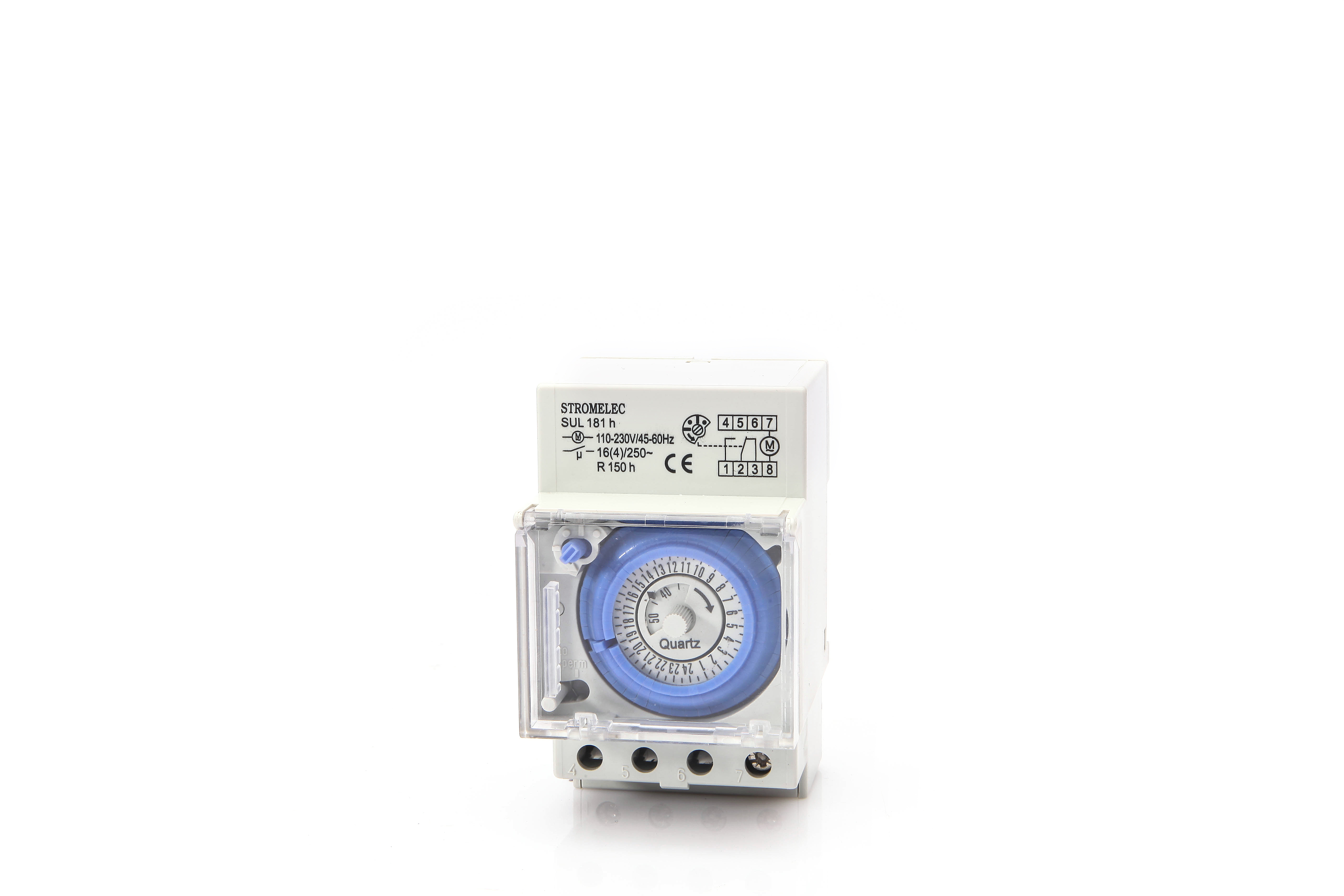
Installing a timer switch for your lighting system represents one of the most effective ways to enhance energy efficiency, improve security, and add convenience to both residential and commercial properties. Modern timer switches offer advanced functionality that goes far beyond simple on-off scheduling, providing property owners with sophisticated control over their lighting infrastructure. Understanding when to implement these devices can significantly impact your energy consumption, security posture, and overall operational efficiency.
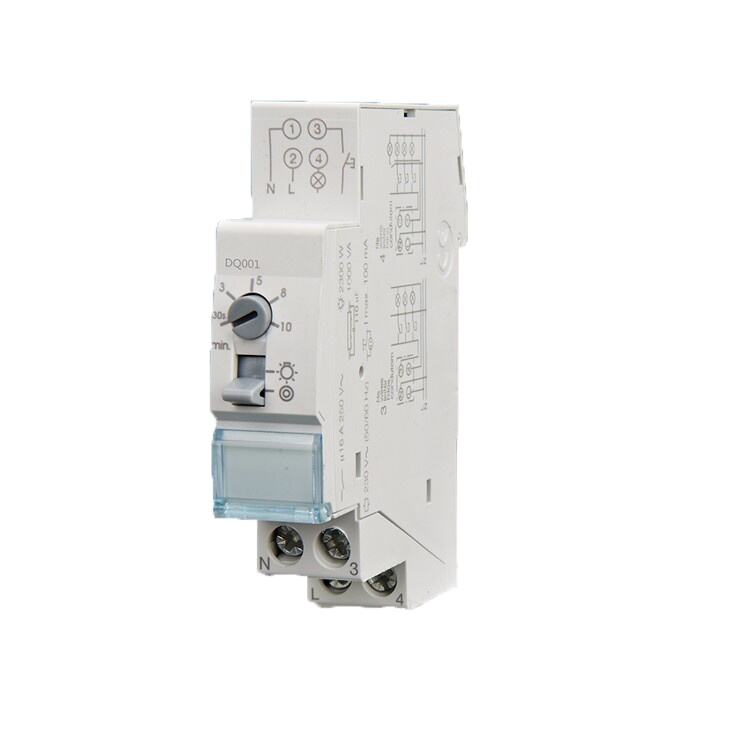
Optimal Installation Scenarios for Timer Switches
Outdoor Security Lighting Applications
Outdoor lighting presents the most compelling case for timer switch installation, particularly for security applications. Property owners who maintain extensive outdoor lighting systems often struggle with manually controlling multiple fixtures across different zones. A timer switch eliminates this challenge by automatically activating perimeter lighting, walkway illumination, and security floods according to predetermined schedules. This automated approach ensures consistent security coverage without requiring daily manual intervention.
The installation becomes particularly crucial during seasonal transitions when daylight hours change rapidly. Rather than constantly adjusting manual switches or relying on photoelectric sensors that may malfunction, a properly programmed timer switch maintains optimal lighting schedules throughout the year. Commercial properties benefit enormously from this consistency, as it reduces liability concerns while maintaining professional appearance standards.
Security professionals recommend timer switch installation for any property where lighting serves as a primary deterrent against unauthorized access. The predictable yet varied scheduling capabilities of modern timer switches create the impression of occupancy, which research consistently shows reduces break-in attempts by significant margins.
Energy Conservation Requirements
Energy efficiency mandates make timer switch installation essential for properties seeking to minimize electrical consumption without sacrificing functionality. Industrial facilities, office complexes, and large residential properties often waste substantial energy through lighting systems that remain active beyond necessary operational hours. A timer switch addresses this inefficiency by enforcing strict operational schedules that align lighting usage with actual occupancy patterns.
The financial impact of timer switch installation becomes apparent within months of implementation. Properties that previously maintained 24-hour lighting schedules can reduce energy consumption by 40-60% through strategic scheduling. This reduction translates directly into lower utility bills and reduced carbon footprint, making the initial investment in timer switch technology financially justified.
Facility managers increasingly rely on timer switches to meet corporate sustainability goals and regulatory compliance requirements. Many jurisdictions now require commercial properties to demonstrate energy conservation measures, and automated lighting control through timer switches provides documented proof of conservation efforts.
Technical Installation Considerations
Electrical System Compatibility
Successful timer switch implementation requires careful evaluation of existing electrical infrastructure to ensure compatibility and optimal performance. Most modern timer switches support various load types, including incandescent, fluorescent, LED, and specialty lighting systems. However, older electrical systems may require upgrades to accommodate the switching characteristics and power requirements of contemporary timer switch technology.
Professional electricians typically assess circuit capacity, wire gauge, and breaker ratings before recommending specific timer switch models. This evaluation prevents installation issues and ensures long-term reliability. Properties with complex lighting systems often require multiple timer switches with coordination capabilities to manage different lighting zones effectively.
The installation process becomes more critical when dealing with high-voltage applications or specialized lighting systems such as emergency egress lighting. These situations demand timer switches with specific certifications and fail-safe mechanisms to maintain compliance with safety regulations.
Programming and Configuration Requirements
Modern timer switches offer sophisticated programming capabilities that require careful consideration during the planning phase. Digital timer switches typically provide multiple programming options, including daily, weekly, seasonal, and holiday schedules. Understanding these capabilities helps determine the optimal installation timing and configuration approach.
Properties with complex operational schedules benefit from timer switches with astronomical clock functions that automatically adjust for seasonal daylight variations. This feature eliminates the need for manual seasonal adjustments while maintaining optimal lighting schedules throughout the year. Installation should coincide with periods when facility managers can dedicate time to proper programming and testing.
The configuration process becomes particularly important for facilities with multiple occupancy zones or varying operational requirements. A well-designed timer switch installation includes detailed documentation of programming parameters to facilitate future maintenance and modifications.
Seasonal Installation Timing
Spring Installation Benefits
Spring presents the optimal season for timer switch installation due to moderate weather conditions and stable electrical demand patterns. The seasonal transition period allows facility managers to establish baseline lighting requirements without the extreme conditions associated with summer or winter operations. Spring installation also provides adequate time for system testing and adjustment before peak energy consumption seasons.
Many electrical contractors offer competitive pricing during spring months, as demand for electrical services typically decreases after winter emergency repairs. This timing advantage can reduce installation costs while ensuring access to experienced technicians who can properly configure timer switch systems for optimal performance.
Property managers should consider spring installation to align with annual maintenance schedules and budget cycles. The timing allows for comprehensive evaluation of lighting systems while addressing any infrastructure upgrades required for proper timer switch functionality.
Preparation for Peak Usage Seasons
Installing timer switches before peak usage seasons ensures optimal system performance when energy management becomes most critical. Summer and winter months typically represent periods of highest electrical demand, making automated lighting control through timer switches essential for managing operational costs.
Commercial properties benefit significantly from pre-season timer switch installation, as it allows time for fine-tuning schedules and addressing any operational issues before peak demand periods. This preparation prevents emergency situations where lighting systems operate inefficiently during periods of maximum electrical rates.
Facility managers should coordinate timer switch installation with HVAC system maintenance and other electrical system upgrades to maximize efficiency gains and minimize disruption to normal operations. This comprehensive approach ensures all building systems work together effectively.
Cost-Benefit Analysis Timing
Return on Investment Calculations
The optimal timing for timer switch installation depends heavily on current energy costs and projected savings potential. Properties with high lighting operational costs typically achieve faster return on investment, making immediate installation financially advantageous. Detailed energy audits help determine the most cost-effective implementation timeline.
Commercial facilities should analyze their electrical billing patterns to identify peak demand periods and time-of-use rate structures. Timer switch installation becomes particularly valuable when utility rates include demand charges or time-differential pricing. The ability to shift lighting loads away from peak rate periods can generate substantial savings.
Industrial operations often find that timer switch installation pays for itself within 6-18 months through reduced energy consumption and improved operational efficiency. The calculation becomes more favorable when considering avoided costs associated with manual lighting management and reduced maintenance requirements.
Budget Planning Considerations
Strategic timing of timer switch installation can optimize budget utilization and maximize financial benefits. Many organizations prefer installation during specific fiscal periods to take advantage of capital expenditure budgets or energy efficiency incentive programs. Coordinating installation with these financial cycles ensures adequate funding and proper project planning.
Property owners should investigate available rebates and incentive programs that may offset timer switch installation costs. Many utility companies offer rebates for energy efficiency improvements, and the timing of installation can affect eligibility for these programs. Some incentive programs have seasonal availability or budget limitations that influence optimal installation timing.
Long-term budget planning should account for the cumulative benefits of timer switch installation, including reduced energy costs, extended lamp life, and decreased maintenance requirements. These factors often justify accelerated installation timelines even when initial capital requirements seem substantial.
Maintenance and Upgrade Timing
System Integration Opportunities
Timer switch installation becomes most effective when coordinated with broader electrical system upgrades or maintenance activities. Properties undergoing electrical panel upgrades, circuit modifications, or lighting system replacements can integrate timer switch installation more efficiently and cost-effectively than standalone projects.
Building automation system implementations present ideal opportunities for comprehensive timer switch installation. Modern timer switches often integrate seamlessly with building management systems, providing centralized control and monitoring capabilities that enhance overall operational efficiency.
Facility managers should consider timer switch installation during planned downtime periods when electrical systems can be modified without disrupting normal operations. This timing minimizes installation costs and reduces operational disruption while ensuring proper system integration.
Technology Upgrade Cycles
The rapidly evolving timer switch technology landscape influences optimal installation timing decisions. Properties with outdated lighting control systems should evaluate current timer switch capabilities against their operational requirements to determine upgrade priorities and timing.
LED lighting conversion projects often necessitate timer switch upgrades to accommodate different load characteristics and control requirements. This coordination ensures compatibility and optimal performance while minimizing installation costs through combined project efficiencies.
Smart building initiatives frequently incorporate advanced timer switch technology as a foundation for comprehensive energy management systems. Property owners planning smart building implementations should consider timer switch installation as an early phase component that provides immediate benefits while supporting future expansion.
FAQ
How long does timer switch installation typically take
Timer switch installation duration varies significantly based on system complexity and existing electrical infrastructure. Simple single-circuit installations often require 2-4 hours, while comprehensive multi-zone systems may take several days. Professional electricians typically complete residential timer switch installations within a single service visit, but commercial properties with multiple circuits and specialized requirements may require extended installation periods. The complexity increases substantially when integrating timer switches with existing building automation systems or when electrical panel upgrades are necessary to support new timer switch functionality.
What maintenance requirements do timer switches have
Modern timer switches require minimal maintenance but benefit from annual inspection and testing procedures. Digital timer switches typically need battery replacement every 3-5 years to maintain programming during power outages. Mechanical timer switches may require periodic cleaning and lubrication of moving parts. Professional maintenance should include verification of programming accuracy, testing of manual override functions, and inspection of electrical connections for signs of overheating or corrosion. Properties with critical lighting applications should implement backup timer switch systems to ensure continuous operation during maintenance periods.
Can timer switches work with all types of lighting
Timer switches demonstrate excellent compatibility with most lighting technologies, including incandescent, fluorescent, LED, and specialty lighting systems. However, specific timer switch models may have limitations regarding minimum or maximum load requirements that affect compatibility with certain lighting types. LED lighting systems sometimes require timer switches designed for electronic ballast compatibility to prevent flickering or premature failure. High-intensity discharge lighting may require timer switches with special starting characteristics to accommodate the unique electrical requirements of these systems. Professional evaluation ensures proper matching between timer switch capabilities and specific lighting system requirements.
How do timer switches affect lighting system lifespan
Timer switches can significantly extend lighting system lifespan by reducing total operating hours and eliminating frequent manual switching that can stress electrical components. Automated scheduling prevents lights from remaining on unnecessarily, which reduces heat buildup and extends lamp life. The gradual switching characteristics of quality timer switches minimize electrical stress on lighting systems compared to abrupt manual switching. LED lighting systems particularly benefit from timer switch control, as reduced operating hours and controlled switching can extend LED lifespan by 20-40%. However, certain types of lighting, such as fluorescent systems, may experience reduced lifespan if timer switches cause frequent on-off cycling, making proper programming essential for optimal results.