 EN
EN

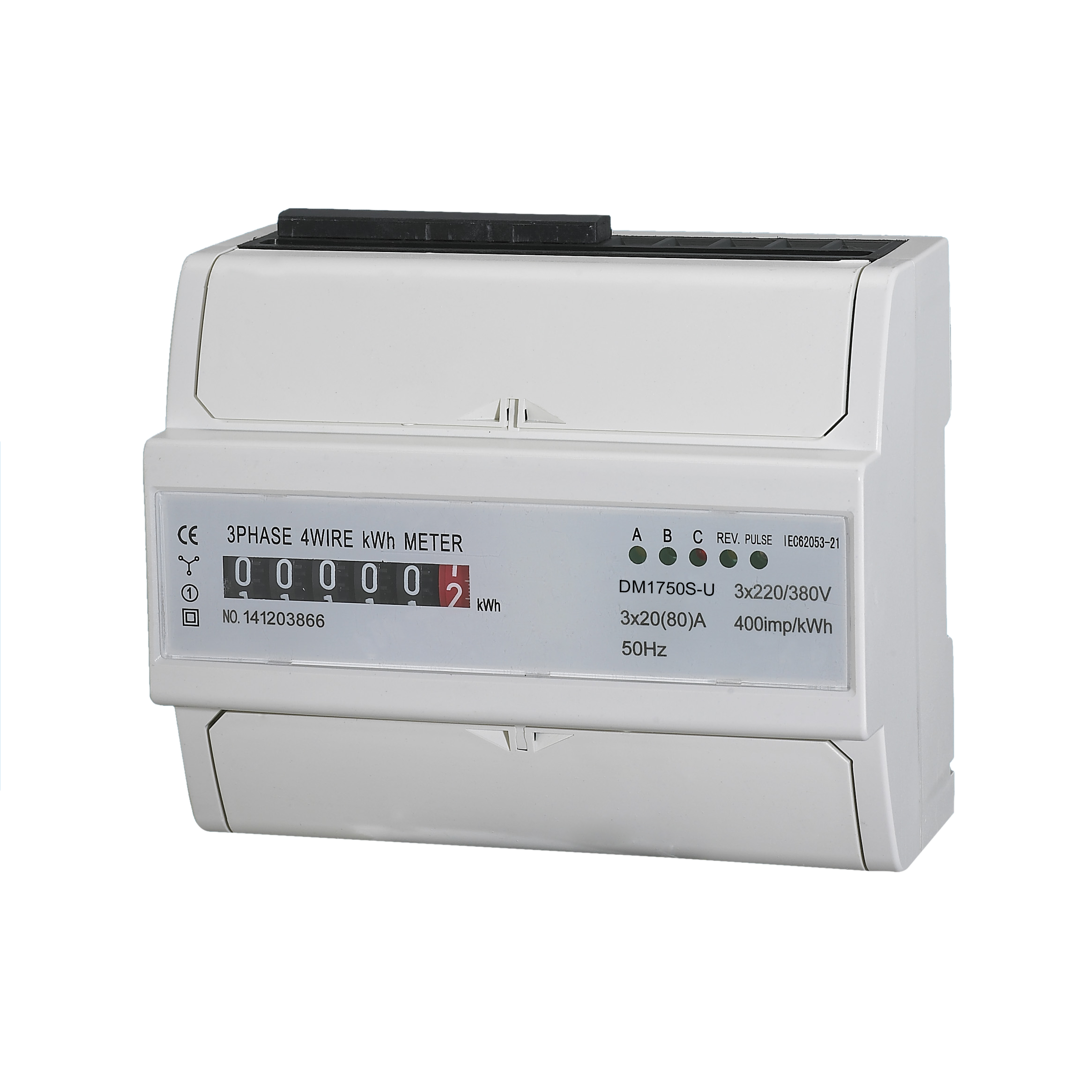
The evolution of electrical measurement technology has transformed how we monitor and manage power consumption across residential, commercial, and industrial applications. Modern smart energy monitoring systems represent a significant advancement over conventional measurement devices, offering enhanced functionality, real-time data collection, and advanced connectivity features. Understanding the fundamental differences between smart and traditional measurement systems helps property owners, facility managers, and energy professionals make informed decisions about their electrical monitoring infrastructure. The transition from analog to digital measurement technology has created opportunities for improved efficiency, cost savings, and enhanced control over electrical systems throughout various industries and applications.
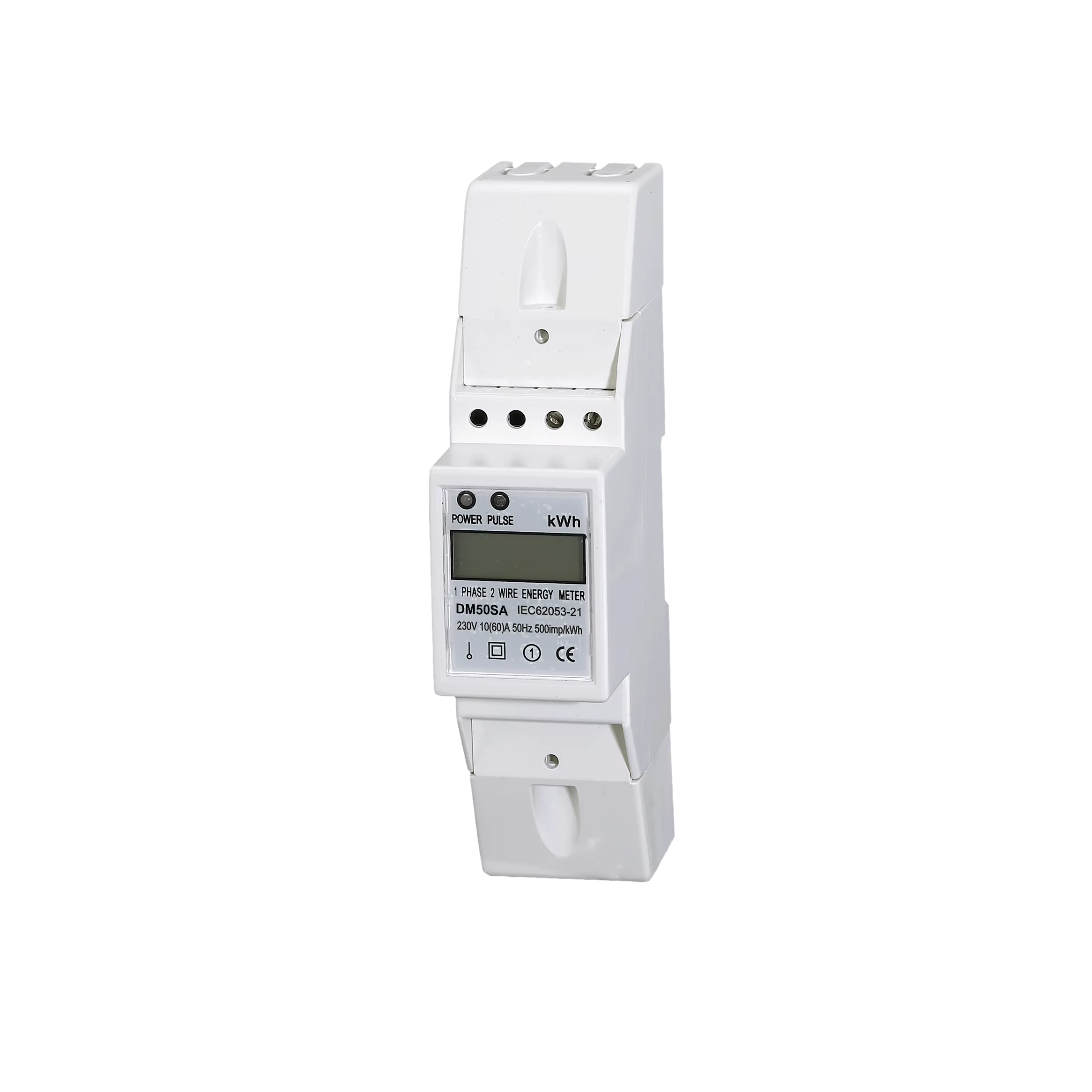
Core Technology and Measurement Capabilities
Digital Precision and Advanced Sensing
Smart electrical measurement devices utilize sophisticated digital sensors and microprocessors to deliver unprecedented accuracy in power consumption monitoring. Unlike traditional mechanical systems that rely on rotating discs and analog components, modern digital systems employ current transformers, voltage sensors, and advanced signal processing algorithms. These technological improvements enable precise measurement of multiple electrical parameters including active power, reactive power, power factor, harmonics, and frequency variations. The enhanced measurement capabilities provide comprehensive insights into electrical system performance that were previously impossible to obtain with conventional analog devices.
The digital architecture of contemporary measurement systems allows for real-time data processing and immediate feedback on electrical consumption patterns. Advanced microcontrollers within these devices can perform complex calculations, analyze power quality parameters, and detect electrical anomalies that might indicate system problems or inefficiencies. This level of sophistication enables facility managers and energy professionals to optimize electrical systems, identify potential issues before they become critical problems, and implement targeted energy conservation strategies based on detailed consumption data.
Multi-Parameter Monitoring Capabilities
Contemporary smart measurement systems offer comprehensive monitoring capabilities that extend far beyond simple kilowatt-hour tracking. These advanced devices can simultaneously monitor voltage levels, current flow, power factor, frequency variations, and harmonic distortion across multiple phases in three-phase electrical systems. The ability to track these diverse parameters provides valuable insights into electrical system health, power quality issues, and opportunities for efficiency improvements. Traditional mechanical devices typically measure only basic consumption data without the detailed parameter monitoring capabilities of modern digital systems.
The multi-parameter monitoring functionality enables users to identify specific electrical issues such as voltage fluctuations, power factor problems, or harmonic distortion that can impact equipment performance and energy efficiency. By providing detailed information about these electrical characteristics, modern measurement devices help facility managers maintain optimal system performance, extend equipment lifespan, and reduce overall operating costs. The comprehensive data collection capabilities support predictive maintenance strategies and enable proactive management of electrical infrastructure across various applications.
Communication and Connectivity Features
Advanced Communication Protocols
Modern smart measurement devices incorporate sophisticated communication capabilities that enable seamless integration with building management systems, energy monitoring platforms, and remote monitoring networks. These devices support various communication protocols including Ethernet, Wi-Fi, cellular networks, and specialized industrial communication standards such as Modbus, BACnet, and DNP3. The advanced connectivity options allow for real-time data transmission, remote monitoring capabilities, and integration with existing facility management infrastructure without requiring extensive rewiring or system modifications.
The communication capabilities of contemporary measurement systems enable automatic data collection and transmission to centralized monitoring platforms where information can be analyzed, archived, and used for reporting purposes. This automated data collection eliminates the need for manual meter readings while providing continuous monitoring capabilities that support immediate response to electrical system changes or anomalies. The connectivity features also enable remote configuration, firmware updates, and diagnostic capabilities that reduce maintenance requirements and improve system reliability over time.
Integration with Energy Management Systems
Smart electrical monitoring devices serve as critical components within comprehensive energy management ecosystems that encompass building automation systems, demand response programs, and utility grid integration initiatives. The seamless integration capabilities allow these devices to communicate with other building systems including HVAC controls, lighting management systems, and equipment monitoring platforms. This integration enables coordinated energy management strategies that optimize overall facility performance while maintaining occupant comfort and operational requirements.
The integration capabilities extend to utility-level applications where smart measurement devices can participate in demand response programs, time-of-use billing systems, and grid stability initiatives. Advanced energy meter systems can automatically respond to utility signals, adjust load profiles during peak demand periods, and provide valuable grid stability data to utility companies. This bi-directional communication capability represents a fundamental shift from traditional one-way measurement systems to active participants in smart grid infrastructure.
Data Analysis and Reporting Capabilities
Real-Time Monitoring and Alerts
Contemporary smart measurement systems provide real-time monitoring capabilities that enable immediate detection of electrical system anomalies, consumption spikes, or equipment malfunctions. The advanced processing capabilities within these devices can analyze incoming data streams, compare readings against predetermined thresholds, and generate automated alerts when conditions warrant attention. This proactive monitoring approach helps prevent equipment damage, reduces downtime, and enables rapid response to electrical system issues before they escalate into costly problems.
The real-time alert capabilities can be configured to notify facility managers, maintenance personnel, or energy managers through various communication channels including email, text messages, or integration with existing alarm systems. These automated notification systems ensure that critical electrical system issues receive immediate attention regardless of the time of day or staffing levels. The customizable alert parameters allow users to establish specific thresholds for different electrical parameters based on their unique operational requirements and risk tolerance levels.
Historical Data Analysis and Trending
Modern electrical measurement devices maintain comprehensive historical data records that enable detailed analysis of consumption patterns, system performance trends, and efficiency improvements over extended periods. The data logging capabilities typically include interval-based recording of electrical parameters with configurable sampling rates ranging from minutes to hours depending on application requirements. This historical data provides the foundation for energy audits, baseline establishment, and measurement and verification of energy conservation initiatives.
The trending analysis capabilities enable identification of seasonal patterns, equipment performance degradation, and opportunities for operational optimization based on actual consumption data rather than theoretical calculations. Advanced analytics functions can identify correlations between electrical consumption and external factors such as weather conditions, occupancy patterns, or production schedules. This analytical capability supports data-driven decision making for equipment upgrades, operational modifications, and energy conservation investments that deliver measurable results.
Installation and Maintenance Advantages
Simplified Installation Process
Smart electrical measurement devices typically feature streamlined installation processes that reduce labor requirements and minimize system downtime during deployment. Many contemporary models support retrofit applications where existing traditional devices can be replaced without extensive electrical modifications or rewiring requirements. The compact form factors and flexible mounting options accommodate various installation environments while maintaining safety standards and electrical code compliance throughout the installation process.
The installation advantages extend to configuration and commissioning procedures where smart measurement devices often include automated setup routines, self-calibration capabilities, and intuitive user interfaces that reduce the technical expertise required for proper system deployment. Many devices support remote configuration capabilities that enable initial setup and ongoing parameter adjustments without requiring physical access to the installation location. These features significantly reduce installation time and costs while improving the overall reliability of the measurement system.
Predictive Maintenance and Diagnostics
Contemporary smart measurement systems incorporate advanced diagnostic capabilities that monitor their own operational status and provide early warning of potential device issues or calibration drift. The self-monitoring functions can detect sensor degradation, communication problems, or internal component issues before they impact measurement accuracy or system reliability. This predictive maintenance capability reduces the frequency of scheduled maintenance visits while ensuring continued measurement accuracy throughout the device lifespan.
The diagnostic capabilities also extend to monitoring the electrical system being measured, providing insights into power quality issues, equipment performance problems, or wiring concerns that might affect overall system reliability. By continuously monitoring electrical parameters and comparing them against normal operating ranges, smart measurement devices can identify developing problems in electrical infrastructure before they result in equipment failures or safety hazards. This proactive approach to system monitoring supports improved electrical system reliability and reduced maintenance costs over time.
Cost Benefits and Return on Investment
Operational Cost Reductions
The implementation of smart electrical measurement technology delivers significant operational cost reductions through improved monitoring accuracy, reduced manual labor requirements, and enhanced system efficiency. The elimination of manual meter reading procedures reduces labor costs while improving data accuracy and collection frequency. Automated data collection and reporting capabilities enable more frequent billing cycles, better demand management, and improved cash flow for utility companies and facility operators alike.
The detailed consumption data provided by smart measurement systems enables identification of energy waste, inefficient equipment operation, and opportunities for load optimization that can result in substantial utility cost savings. The ability to monitor power factor, harmonics, and other electrical parameters helps identify and correct power quality issues that can increase electrical costs through demand charges or power factor penalties. Many organizations report energy cost reductions ranging from ten to thirty percent following the implementation of comprehensive smart measurement systems.
Long-Term Investment Value
Smart electrical measurement devices typically offer extended operational lifespans compared to traditional mechanical systems while providing enhanced functionality that supports evolving energy management requirements. The digital architecture enables firmware updates and feature enhancements that extend device capabilities without requiring hardware replacement. This upgrade capability ensures that measurement systems remain current with changing industry standards, communication protocols, and regulatory requirements throughout their operational lifespan.
The investment value extends beyond direct cost savings to include improved operational visibility, enhanced system reliability, and support for sustainability initiatives that may qualify for utility rebates, tax incentives, or green building certifications. The comprehensive data collection capabilities support energy reporting requirements for various regulatory programs while providing the documentation necessary for energy efficiency financing programs and performance contracting arrangements. These additional benefits often justify the initial investment costs while delivering ongoing value throughout the system lifespan.
FAQ
How accurate are smart electrical measurement devices compared to traditional analog systems
Smart electrical measurement devices typically achieve accuracy levels of 0.2 to 1.0 percent compared to 2 to 5 percent accuracy for traditional analog systems. The digital sensing technology and advanced signal processing eliminate many sources of measurement error inherent in mechanical systems including temperature effects, magnetic interference, and mechanical wear. The improved accuracy enables better billing precision, more effective demand management, and enhanced ability to identify small changes in electrical consumption patterns that might indicate equipment issues or efficiency opportunities.
What communication options are available for connecting smart measurement devices to monitoring systems
Modern smart measurement devices support multiple communication protocols including Ethernet, Wi-Fi, cellular networks, and industrial communication standards such as Modbus RTU, Modbus TCP, BACnet, and DNP3. Many devices offer multiple communication ports simultaneously, enabling connection to both local building management systems and remote monitoring platforms. The communication capabilities also include security features such as encryption, authentication, and secure communication protocols that protect sensitive electrical consumption data from unauthorized access while ensuring reliable data transmission.
Can smart measurement systems help reduce overall electrical costs beyond just monitoring consumption
Yes, smart measurement systems contribute to electrical cost reductions through several mechanisms beyond basic consumption monitoring. The detailed power quality monitoring helps identify and correct power factor issues that can result in utility penalty charges, while harmonic analysis can reveal equipment inefficiencies that increase overall consumption. The real-time monitoring capabilities enable participation in demand response programs, time-of-use rate optimization, and peak demand management strategies that can significantly reduce electrical costs. Additionally, the comprehensive data analysis supports identification of equipment maintenance needs, operational inefficiencies, and energy conservation opportunities that deliver ongoing cost savings.
How do smart measurement devices support facility maintenance and equipment management programs
Smart measurement devices provide valuable support for facility maintenance through continuous monitoring of electrical parameters that indicate equipment health and performance trends. The devices can detect changes in power consumption patterns that might indicate bearing wear, motor inefficiencies, or other mechanical problems before they result in equipment failures. The harmonic analysis capabilities help identify electrical issues that can damage sensitive equipment, while voltage monitoring ensures that electrical systems operate within acceptable ranges. This predictive maintenance capability enables scheduled maintenance activities based on actual equipment condition rather than arbitrary time intervals, reducing maintenance costs while improving equipment reliability and lifespan.
Table of Contents
- Core Technology and Measurement Capabilities
- Communication and Connectivity Features
- Data Analysis and Reporting Capabilities
- Installation and Maintenance Advantages
- Cost Benefits and Return on Investment
-
FAQ
- How accurate are smart electrical measurement devices compared to traditional analog systems
- What communication options are available for connecting smart measurement devices to monitoring systems
- Can smart measurement systems help reduce overall electrical costs beyond just monitoring consumption
- How do smart measurement devices support facility maintenance and equipment management programs