 EN
EN

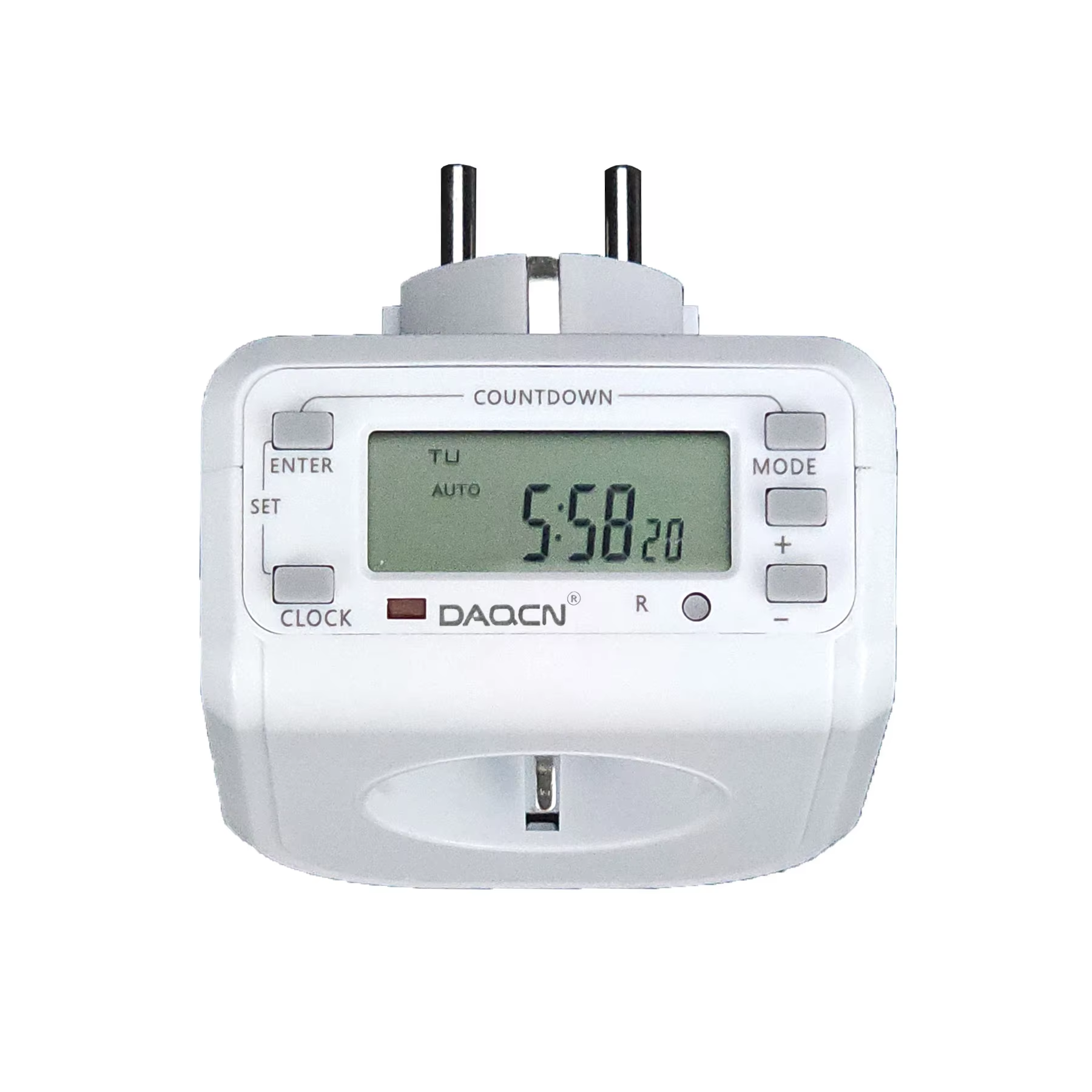
Outdoor lighting automation has become essential for modern property management, security enhancement, and energy conservation. Property owners increasingly rely on automated lighting solutions to maintain consistent illumination schedules while reducing manual intervention. A timer switch serves as the cornerstone of efficient outdoor lighting control, offering precise scheduling capabilities that adapt to seasonal changes and specific operational requirements. Understanding the various timer switch technologies available helps determine the most suitable option for different outdoor lighting applications.

Modern outdoor lighting systems require reliable control mechanisms that withstand environmental challenges while providing consistent performance. The selection of an appropriate timer switch depends on multiple factors including installation complexity, environmental conditions, load requirements, and desired functionality. Different timer switch technologies offer distinct advantages that cater to specific outdoor lighting scenarios, from simple residential pathway lighting to complex commercial security installations.
Mechanical Timer Switch Technology
Traditional Dial Operation Principles
Mechanical timer switches represent the foundational technology in automated lighting control, utilizing spring-driven mechanisms and rotating dials to establish predetermined switching schedules. These devices operate through mechanical linkages that engage and disengage electrical contacts based on time settings configured through manual dial adjustment. The timer switch mechanism relies on a synchronous motor that rotates the dial at consistent speed, typically completing one full rotation every 24 hours.
The mechanical design incorporates removable tabs or pins around the dial circumference, allowing users to customize switching intervals by positioning these elements at desired time points. When the rotating dial encounters an installed tab, it triggers the switching mechanism that controls the connected lighting circuit. This straightforward operation principle makes mechanical timer switches particularly suitable for applications requiring simple on-off scheduling without complex programming requirements.
Durability represents a significant advantage of mechanical timer switch construction, as these devices contain fewer electronic components susceptible to power surges or electromagnetic interference. The robust mechanical components can operate reliably for extended periods with minimal maintenance, making them ideal for outdoor installations where service accessibility might be limited.
Installation and Configuration Benefits
Installation procedures for mechanical timer switches typically require standard electrical connections without specialized programming knowledge or additional configuration tools. The straightforward wiring process involves connecting incoming power, controlled load circuits, and neutral conductors according to clearly marked terminal designations. This simplicity reduces installation time and eliminates the need for technical training or specialized equipment during setup.
Configuration flexibility allows users to establish multiple switching events throughout a 24-hour cycle by strategically placing removable tabs around the dial perimeter. The timer switch can accommodate various switching patterns, from single on-off cycles to multiple activation periods depending on specific lighting requirements. Users can easily modify schedules by repositioning tabs without requiring system reprogramming or technical intervention.
Cost-effectiveness makes mechanical timer switches attractive for budget-conscious installations where basic scheduling functionality meets operational requirements. The lower initial investment compared to digital alternatives, combined with minimal maintenance costs, provides favorable long-term economics for straightforward outdoor lighting applications.
Digital Timer Switch Innovations
Programmable Control Features
Digital timer switches incorporate microprocessor technology that enables sophisticated programming capabilities beyond basic mechanical switching. These advanced devices support multiple program schedules, allowing users to establish different switching patterns for weekdays, weekends, and special occasions through intuitive interface controls. The timer switch memory retains programmed schedules even during power outages, ensuring consistent operation without manual reconfiguration.
Programming flexibility extends to seasonal adjustments, where digital models can automatically compensate for changing daylight hours throughout the year. Advanced timer switch units feature astronomical programming that calculates sunrise and sunset times based on geographic location, automatically adjusting switching schedules to maintain optimal lighting timing regardless of seasonal variations.
The digital interface typically includes LCD displays that provide clear indication of current time, programmed schedules, and operational status. Users can navigate through programming menus using dedicated buttons or touchscreen controls, accessing advanced features such as random switching modes for security applications or temporary override functions for special events.
Smart Connectivity Integration
Modern digital timer switches increasingly incorporate wireless connectivity options that enable remote monitoring and control through smartphone applications or building management systems. This connectivity transforms traditional timer switch functionality into comprehensive lighting management platforms that support real-time adjustments, status monitoring, and energy consumption tracking from remote locations.
Integration capabilities extend to smart home ecosystems where the timer switch can interact with other automated systems such as security cameras, motion sensors, and environmental monitoring devices. This interconnectivity creates intelligent lighting scenarios that respond to occupancy patterns, weather conditions, or security events automatically.
Cloud-based management platforms enable centralized control of multiple timer switch installations across different properties or locations. Facility managers can establish consistent lighting policies, monitor system performance, and implement energy conservation measures through unified management interfaces that streamline operational efficiency.
Photocell Timer Switch Combinations
Automatic Light Level Detection
Photocell-integrated timer switches combine automated scheduling with ambient light sensing capabilities, creating intelligent lighting systems that respond to both time-based and environmental triggers. The photocell sensor continuously monitors ambient light levels, preventing unnecessary operation during daylight hours even when programmed schedules would normally activate the lighting system. This dual-control approach optimizes energy efficiency while maintaining desired lighting coverage.
The timer switch photocell integration typically includes adjustable sensitivity settings that accommodate different installation environments and seasonal light variations. Users can calibrate the light detection threshold to ensure appropriate switching behavior for specific outdoor conditions, preventing premature activation during overcast conditions or delayed deactivation during dawn hours.
Weather resistance becomes critical for photocell timer switch installations, as the sensing element requires exposure to ambient conditions while maintaining reliable operation through temperature extremes, precipitation, and UV exposure. Quality photocell components incorporate protective housings and sealed connections that preserve functionality throughout extended outdoor service life.
Enhanced Energy Efficiency
The combination of time-based control with light level sensing creates optimal energy management for outdoor lighting applications. The timer switch prevents lighting operation during unnecessary periods while ensuring illumination availability when actually required based on environmental conditions and programmed schedules.
Adaptive switching behavior reduces overall energy consumption by eliminating fixed-schedule operation that might activate lighting during naturally bright conditions or maintain operation beyond actual darkness periods. This intelligent operation significantly impacts long-term operational costs, particularly for installations with extensive lighting loads or continuous operation requirements.
Performance monitoring capabilities in advanced photocell timer switch units provide data on switching frequency, operational hours, and energy consumption patterns. This information enables facility managers to optimize lighting schedules and identify opportunities for further efficiency improvements based on actual usage patterns and environmental conditions.
Heavy-Duty Industrial Applications
Commercial Load Requirements
Industrial outdoor lighting installations require timer switch units capable of handling substantial electrical loads while maintaining reliable operation in demanding environmental conditions. Heavy-duty timer switches incorporate robust electrical components rated for higher current capacities, typically supporting loads from 15 amperes to 30 amperes or more depending on specific application requirements.
Contact rating specifications become critical for industrial timer switch selection, as inadequate contact capacity can lead to premature failure, excessive heating, or safety hazards. Quality industrial units feature silver-cadmium oxide or similar high-performance contact materials that resist welding and maintain low resistance characteristics throughout extended switching cycles.
Environmental sealing standards ensure reliable timer switch operation in harsh outdoor conditions including temperature extremes, humidity, chemical exposure, and mechanical vibration. Industrial-grade enclosures typically meet NEMA 3R or higher ratings, providing protection against precipitation, ice formation, and corrosive atmospheres common in industrial environments.
Installation Flexibility Options
Industrial timer switch installations often require specialized mounting configurations to accommodate existing electrical infrastructure and accessibility requirements. Panel-mount options integrate seamlessly into electrical control cabinets, while weatherproof external housings enable direct outdoor installation without additional protective enclosures.
Wiring flexibility supports various electrical system configurations including multiple voltage ratings, single-phase or three-phase operation, and compatibility with different control circuits. Advanced industrial timer switch units may include auxiliary contacts for status indication, alarm circuits, or integration with building management systems.
Modular design concepts enable customization of timer switch functionality through interchangeable components or expansion modules. This flexibility allows system designers to specify exact requirements while maintaining upgrade potential for future operational changes or technology improvements.
Smart Timer Switch Technologies
Wireless Control Capabilities
Contemporary smart timer switch technology leverages wireless communication protocols to provide unprecedented control flexibility and system integration capabilities. Wi-Fi enabled units connect directly to existing network infrastructure, allowing remote access through web browsers or dedicated mobile applications from any internet-connected device.
Bluetooth connectivity offers localized control options where network infrastructure might be limited or security considerations restrict internet connectivity. This short-range communication enables on-site programming and monitoring using smartphones or tablets without requiring complex network configuration or ongoing connectivity charges.
Mesh networking protocols such as Zigbee or Z-Wave create robust communication networks between multiple timer switch installations, enabling coordinated lighting control across extensive outdoor areas. These self-healing networks maintain communication reliability even when individual devices experience connectivity issues or physical damage.
Integration with IoT Platforms
Internet of Things integration transforms traditional timer switch installations into components of comprehensive smart building ecosystems. Cloud-based platforms aggregate data from multiple timer switch units, providing insights into energy consumption patterns, operational efficiency, and maintenance requirements across entire facility portfolios.
Artificial intelligence capabilities enable predictive maintenance scheduling based on operational patterns and environmental conditions monitored through connected timer switch sensors. Machine learning algorithms identify potential failure indicators before actual malfunctions occur, minimizing unexpected downtime and reducing maintenance costs.
API integration capabilities allow custom software development and integration with existing facility management systems, creating seamless operational workflows that incorporate lighting control with security, HVAC, and other building automation functions.
Environmental Considerations
Weather Resistance Standards
Outdoor timer switch installations must withstand diverse environmental challenges that can compromise electrical safety and operational reliability. Temperature cycling between seasonal extremes tests component materials and connection integrity, requiring timer switch designs that accommodate thermal expansion without compromising electrical performance.
Moisture protection involves multiple sealing strategies including gasket-sealed enclosures, conformal coating on circuit boards, and proper drainage provisions that prevent water accumulation. Quality timer switch units incorporate multiple protection layers to ensure reliable operation even under severe weather conditions including driving rain, snow accumulation, and high humidity environments.
Corrosion resistance becomes particularly important in coastal environments or industrial areas where airborne contaminants accelerate material degradation. Stainless steel components, corrosion-resistant coatings, and protective finishes extend timer switch service life in these challenging conditions.
UV and Temperature Stability
Ultraviolet exposure gradually degrades plastic components in outdoor timer switch installations, potentially causing brittleness, discoloration, or mechanical failure over extended service periods. UV-stabilized materials and protective coatings preserve component integrity while maintaining operational reliability throughout normal service life expectations.
Temperature stability requirements vary significantly based on geographic location and installation environment, with timer switch components needing to maintain accurate timekeeping and electrical performance across wide temperature ranges. Quality components incorporate temperature compensation features that maintain timing accuracy regardless of ambient conditions.
Thermal cycling stress affects electronic components differently than mechanical elements, requiring careful design consideration to ensure all timer switch subsystems maintain compatible performance characteristics throughout environmental variations.
Selection Criteria Analysis
Load Compatibility Assessment
Proper timer switch selection begins with accurate assessment of connected lighting loads including total current requirements, inrush characteristics, and load types. LED lighting systems present different switching challenges compared to traditional incandescent or fluorescent technologies, requiring timer switch contacts rated for electronic ballast loads or driver circuits.
Power factor considerations affect timer switch performance when controlling reactive loads such as magnetic ballasts or certain LED drivers. Inductive or capacitive loads create additional stress on switching contacts and may require oversized timer switch ratings to ensure reliable long-term operation.
Motor loads associated with landscape lighting transformers or circulation pumps require timer switch units specifically rated for motor starting currents that can exceed normal running currents by significant margins. Proper motor load compatibility prevents premature contact failure and ensures safe operation throughout the duty cycle.
Programming Complexity Requirements
Application complexity determines appropriate timer switch programming capabilities, ranging from simple mechanical devices for basic on-off cycling to sophisticated digital units supporting multiple programs and seasonal adjustments. Simple applications may benefit from mechanical reliability and ease of operation, while complex scheduling requirements necessitate digital programming flexibility.
User skill levels influence timer switch selection, as overly complex programming interfaces can lead to configuration errors or underutilized functionality. Matching device complexity to user capabilities ensures optimal system performance while minimizing operational difficulties.
Future expansion considerations may justify initial investment in more capable timer switch technology even when immediate requirements seem basic. Scalable systems enable gradual functionality enhancement without requiring complete replacement of installed components.
Installation Best Practices
Electrical Safety Protocols
Safe timer switch installation requires strict adherence to electrical codes and safety procedures including proper circuit de-energization, lockout-tagout procedures, and verification of voltage absence before beginning work. Qualified electricians should perform all timer switch connections, particularly for installations involving high-voltage circuits or complex wiring configurations.
Proper grounding ensures electrical safety and optimal timer switch performance by providing reference potential and fault current paths. Grounding connections must maintain low resistance throughout service life, requiring corrosion-resistant materials and proper torque specifications during installation.
Circuit protection coordination involves selecting appropriate overcurrent devices that protect timer switch components while allowing normal operation. Coordination analysis ensures protective devices operate in proper sequence during fault conditions, minimizing damage and maintaining system safety.
Mounting and Accessibility
Strategic timer switch placement balances accessibility requirements with environmental protection and security considerations. Installation locations should provide convenient access for routine maintenance and programming while protecting devices from physical damage, vandalism, or unauthorized tampering.
Mounting height considerations affect both accessibility and environmental exposure, with higher installations providing better security but potentially complicating maintenance access. Service platform requirements and safety procedures must accommodate installation height when planning timer switch locations.
Ventilation requirements ensure proper heat dissipation from timer switch components, particularly important for enclosed installations or high-load applications. Adequate air circulation prevents overheating while maintaining environmental protection standards.
FAQ
What factors determine the best timer switch type for my outdoor lighting system
The optimal timer switch selection depends on several key factors including electrical load requirements, environmental conditions, programming complexity needs, and budget considerations. Mechanical timer switches work well for simple applications requiring basic on-off scheduling, while digital units provide advanced programming capabilities for complex scheduling requirements. Heavy-duty applications require timer switches rated for appropriate current capacities, and harsh environments demand enhanced weather resistance ratings. Smart timer switches offer remote control and integration capabilities but require compatible network infrastructure and higher initial investment.
How do I calculate the proper current rating for my timer switch installation
Calculate total connected lighting load by adding individual fixture current ratings, then multiply by 1.25 to account for continuous duty requirements per electrical code standards. LED lighting systems typically have lower current requirements than traditional technologies, but verify actual driver specifications rather than assuming standard values. Consider inrush current characteristics for electronic ballasts or transformers that may require oversized timer switch ratings. Motor loads require special consideration for starting current multipliers that can reach 4-6 times running current depending on motor type and starting method.
Can I install a timer switch myself or do I need a licensed electrician
Timer switch installation typically requires electrical knowledge and may mandate licensed electrician involvement depending on local codes and installation complexity. Simple replacement of existing timer switches in accessible locations might be permissible for knowledgeable individuals, but new installations or modifications to electrical circuits generally require professional installation. High-voltage circuits, outdoor installations, or commercial applications typically mandate licensed electrician involvement for safety and code compliance. Always consult local electrical codes and obtain proper permits before beginning any electrical work.
What maintenance do outdoor timer switches require for optimal performance
Regular timer switch maintenance includes periodic cleaning of enclosures and contacts, verification of programming accuracy, and inspection of electrical connections for signs of corrosion or loosening. Mechanical units may require lubrication of moving parts and replacement of worn contact materials after extended service periods. Digital timer switches benefit from backup battery replacement and firmware updates when available. Environmental factors such as salt exposure or industrial pollution may accelerate maintenance intervals, requiring more frequent inspection and cleaning cycles to ensure continued reliable operation.
Table of Contents
- Mechanical Timer Switch Technology
- Digital Timer Switch Innovations
- Photocell Timer Switch Combinations
- Heavy-Duty Industrial Applications
- Smart Timer Switch Technologies
- Environmental Considerations
- Selection Criteria Analysis
- Installation Best Practices
-
FAQ
- What factors determine the best timer switch type for my outdoor lighting system
- How do I calculate the proper current rating for my timer switch installation
- Can I install a timer switch myself or do I need a licensed electrician
- What maintenance do outdoor timer switches require for optimal performance