 EN
EN

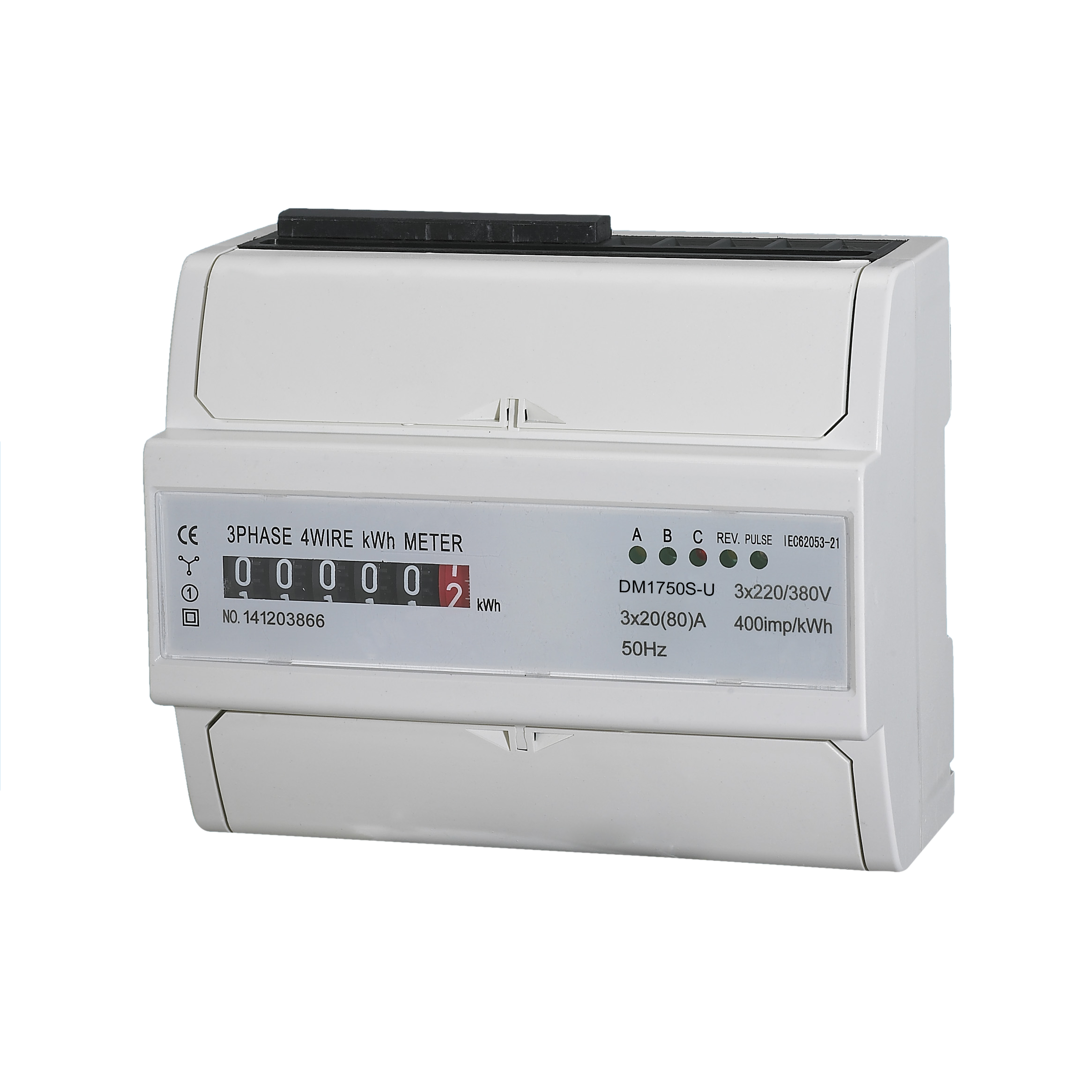
The energy meter serves as the cornerstone of electrical consumption monitoring in residential, commercial, and industrial facilities worldwide. As we advance through 2025, many property owners and facility managers are questioning whether their existing metering infrastructure can meet modern efficiency standards and regulatory requirements. Understanding the optimal timing for upgrading your energy meter can significantly impact operational costs, compliance status, and overall energy management capabilities.
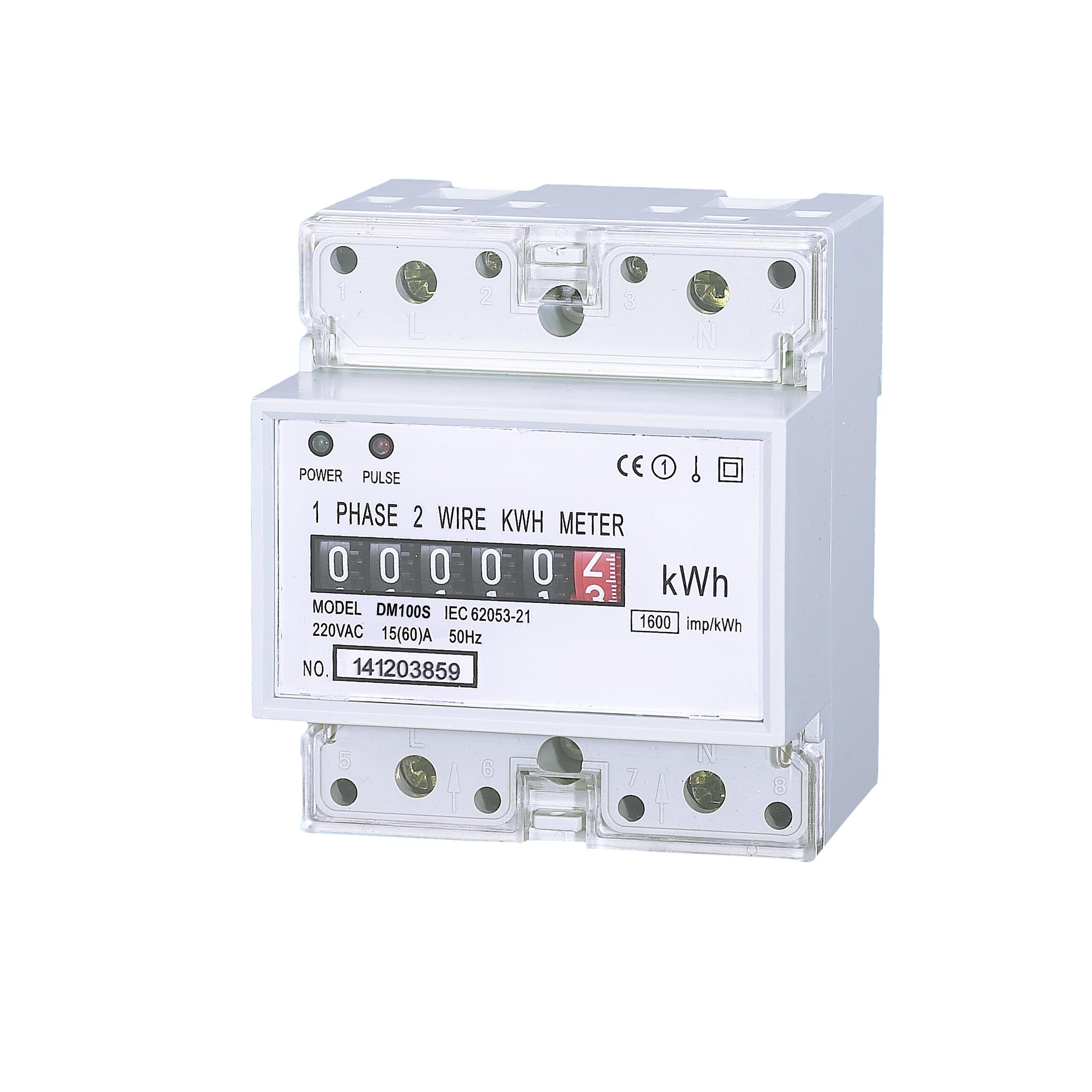
Modern energy meter technology has evolved substantially over the past decade, introducing smart capabilities, enhanced accuracy, and improved durability that older analog systems simply cannot match. The decision to upgrade involves evaluating multiple factors including meter age, accuracy degradation, maintenance costs, and compatibility with contemporary energy management systems. Professional assessment of your current metering infrastructure can reveal critical insights about performance gaps and potential cost savings opportunities.
Critical Signs Your Energy Meter Needs Immediate Replacement
Accuracy Degradation and Measurement Inconsistencies
Energy meter accuracy naturally deteriorates over time due to mechanical wear, environmental exposure, and component aging. Older analog meters typically experience accuracy drift after 10-15 years of continuous operation, leading to measurement errors that can significantly impact billing accuracy. When your energy meter displays inconsistent readings or shows substantial variance compared to expected consumption patterns, immediate evaluation becomes essential.
Professional calibration testing can determine whether your current energy meter meets industry accuracy standards, typically requiring measurements within 1-2% tolerance levels. Facilities experiencing unexplained energy cost fluctuations or billing disputes often discover that meter accuracy issues are the root cause. Regular accuracy verification helps identify degradation before it results in significant financial impact.
Physical Deterioration and Safety Concerns
Visible signs of physical deterioration in your energy meter housing, display, or connections indicate potential safety risks and measurement reliability issues. Corrosion, cracked displays, loose terminals, or damaged seals can compromise both accuracy and electrical safety. Environmental factors such as moisture intrusion, temperature extremes, and mechanical vibration accelerate deterioration in older meter designs.
Safety considerations become paramount when energy meter components show signs of overheating, arcing, or insulation breakdown. These conditions not only affect measurement accuracy but can also pose fire hazards and electrical shock risks. Modern meters incorporate advanced safety features and robust construction materials that provide superior protection against environmental stresses and electrical faults.
Technological Advancement Benefits in Modern Energy Meters
Smart Metering Capabilities and Remote Monitoring
Contemporary energy meter designs integrate smart technology features that enable remote monitoring, automated data collection, and real-time consumption analysis. These capabilities provide unprecedented visibility into energy usage patterns, allowing for proactive energy management and cost optimization strategies. Smart meters can communicate consumption data wirelessly, eliminating manual reading requirements and reducing operational overhead.
Advanced energy meter systems offer comprehensive data logging, demand tracking, and load profiling capabilities that support sophisticated energy management programs. Integration with building automation systems and energy management software platforms enables automated demand response, peak shaving, and load balancing strategies. These features can generate substantial cost savings through optimized energy purchasing and consumption scheduling.
Enhanced Accuracy and Measurement Precision
Modern energy meter technology delivers significantly improved measurement accuracy compared to traditional analog systems, with many models achieving accuracy levels of 0.5% or better across full load ranges. Advanced digital signal processing and high-resolution analog-to-digital converters ensure precise measurement even under varying load conditions and power quality disturbances.
Multi-parameter measurement capabilities in contemporary meters provide comprehensive power quality monitoring including voltage, current, power factor, harmonics, and frequency analysis. This detailed information enables facility managers to identify and address power quality issues that can damage sensitive equipment or increase energy costs. The enhanced precision of modern energy meter systems supports accurate billing, energy auditing, and performance verification activities.
Cost-Benefit Analysis of Energy Meter Upgrades
Initial Investment Versus Long-Term Savings
The financial justification for energy meter upgrades involves analyzing initial equipment and installation costs against projected long-term benefits including improved accuracy, reduced maintenance, and enhanced functionality. Modern meters typically require lower maintenance costs due to solid-state construction and self-diagnostic capabilities that minimize service requirements.
Energy savings achieved through improved measurement accuracy and advanced monitoring capabilities often offset upgrade costs within 2-3 years for commercial and industrial applications. The ability to identify energy waste, optimize consumption patterns, and implement demand management strategies can generate substantial ongoing cost reductions. Additionally, modern energy meter systems support time-of-use billing optimization and peak demand management programs that can significantly reduce electricity costs.
Regulatory Compliance and Certification Requirements
Evolving regulatory requirements and utility standards may mandate energy meter upgrades to maintain compliance with current certification requirements. Many jurisdictions are implementing stricter accuracy standards, data security requirements, and interoperability specifications that older meters cannot satisfy. Proactive compliance ensures uninterrupted service and avoids potential penalties or service restrictions.
Energy meter certification periods typically range from 5-15 years depending on meter type and application, after which recalibration or replacement becomes mandatory. Understanding your local regulatory timeline and requirements enables strategic planning for upgrades that align with compliance deadlines while maximizing operational benefits. Modern meters often feature extended certification periods and simplified recalibration procedures that reduce long-term compliance costs.
Installation Timeline and Planning Considerations
Utility Coordination and Service Interruption Management
Energy meter replacement projects require careful coordination with utility providers to schedule service interruptions and ensure proper interconnection procedures. Most utility companies have specific requirements for meter installation, testing, and commissioning that must be followed to maintain service authorization. Planning installations during low-demand periods minimizes operational disruption and associated costs.
Professional installation teams experienced with energy meter replacement can streamline the process and ensure compliance with all technical and safety requirements. Proper planning includes verification of existing electrical infrastructure compatibility, preparation of necessary documentation, and coordination of any required electrical modifications. Advanced planning reduces installation time and minimizes service disruption impact.
System Integration and Configuration Requirements
Modern energy meter installations often involve integration with existing building management systems, data acquisition networks, and energy monitoring platforms. Successful integration requires careful planning of communication protocols, data formats, and system interfaces to ensure seamless operation with existing infrastructure.
Configuration of advanced energy meter features such as alarm thresholds, data logging intervals, and communication parameters requires expertise in both metering technology and facility-specific requirements. Professional commissioning ensures that all meter capabilities are properly configured and tested to deliver maximum operational value. Comprehensive documentation and operator training support long-term successful operation of upgraded metering systems.
FAQ
How long do modern energy meters typically last before requiring replacement?
Modern digital energy meters typically provide reliable service for 15-20 years under normal operating conditions, significantly longer than traditional analog meters which often require replacement after 10-15 years. The extended lifespan results from solid-state construction, advanced materials, and improved environmental protection. However, actual service life depends on environmental conditions, load characteristics, and maintenance practices. Regular performance monitoring and preventive maintenance can help maximize meter lifespan and identify potential issues before they impact accuracy or reliability.
Can I upgrade my energy meter without utility company involvement?
Energy meter replacement typically requires utility company coordination and approval, as meters are often considered part of the utility's metering infrastructure and must meet specific technical and safety standards. Most jurisdictions require licensed electricians and utility authorization for meter installation to ensure proper safety procedures and regulatory compliance. Attempting unauthorized meter replacement can result in service disconnection, safety violations, and legal liability. Contact your utility provider early in the planning process to understand specific requirements and obtain necessary approvals for meter upgrade projects.
What accuracy improvements can I expect from upgrading to a modern energy meter?
Modern energy meters typically achieve accuracy levels of 0.5-1.0% compared to 2-3% accuracy in older analog systems, representing a significant improvement in measurement precision. Enhanced accuracy translates to more reliable billing, better energy management data, and improved compliance with regulatory standards. The accuracy improvement is most noticeable in facilities with variable loads, power quality issues, or high-precision measurement requirements. Digital meters maintain consistent accuracy over their service life, while analog meters may experience gradual accuracy degradation due to mechanical wear and environmental exposure.
Are there government incentives available for energy meter upgrades in 2025?
Many jurisdictions offer rebates, tax credits, or other financial incentives for energy meter upgrades that support energy efficiency or smart grid initiatives. Incentive programs vary by location and may target specific meter types, applications, or efficiency improvements. Some utility companies provide rebates for customers who install advanced metering infrastructure or participate in demand response programs. Research local and federal incentive programs early in your planning process, as application requirements and funding availability can change throughout the year. Professional energy consultants can help identify applicable incentive programs and assist with application procedures to maximize available benefits.
Table of Contents
- Critical Signs Your Energy Meter Needs Immediate Replacement
- Technological Advancement Benefits in Modern Energy Meters
- Cost-Benefit Analysis of Energy Meter Upgrades
- Installation Timeline and Planning Considerations
-
FAQ
- How long do modern energy meters typically last before requiring replacement?
- Can I upgrade my energy meter without utility company involvement?
- What accuracy improvements can I expect from upgrading to a modern energy meter?
- Are there government incentives available for energy meter upgrades in 2025?