 EN
EN

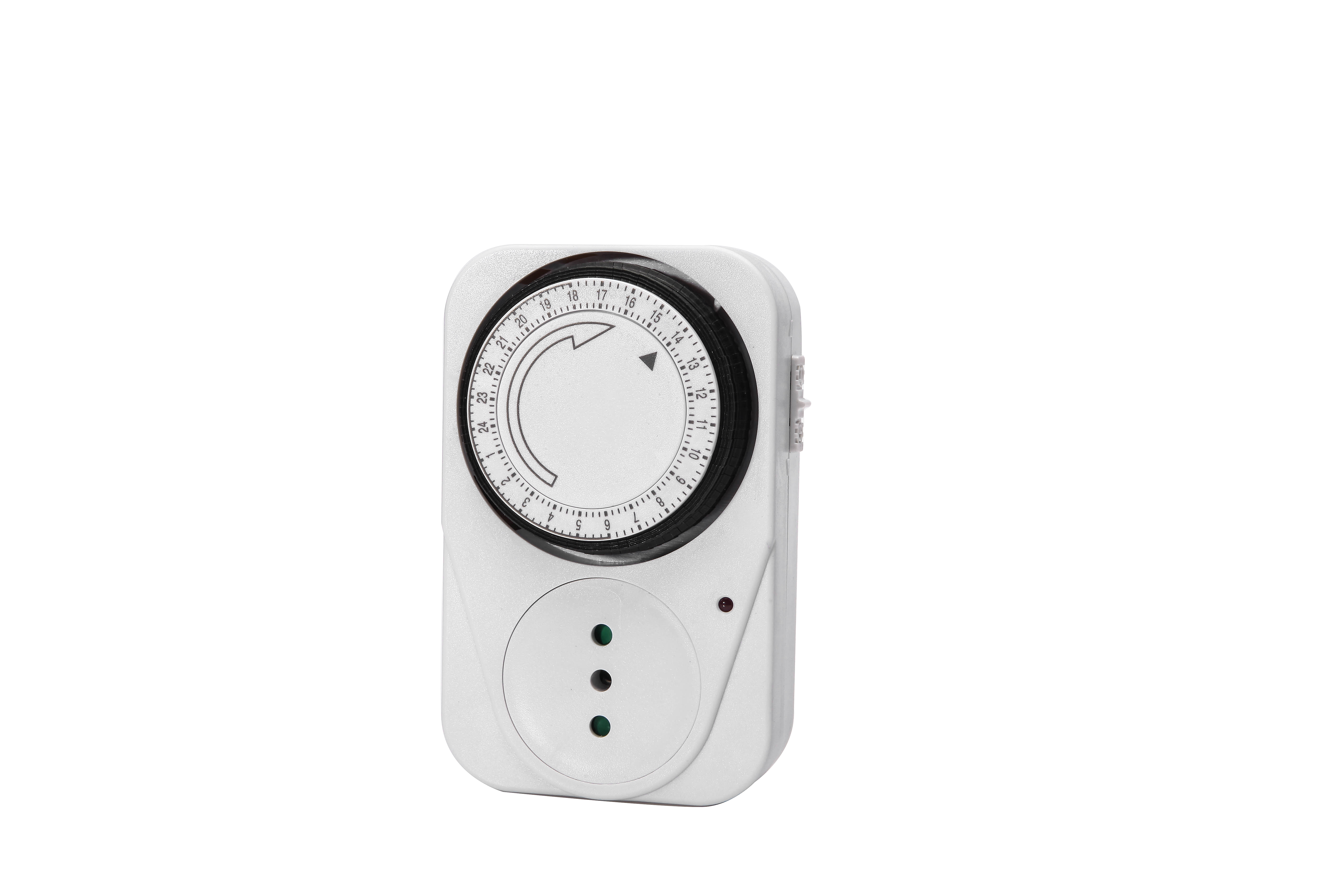
Selecting the appropriate timer switch for your electrical applications requires careful consideration of several technical factors that directly impact performance and reliability. A timer switch serves as an automated control device that manages electrical circuits based on predetermined time intervals, offering precision timing for industrial machinery, lighting systems, and various automated processes. Understanding the specific requirements of your application will help determine whether you need a mechanical timer switch, digital timer switch, or programmable timer switch to achieve optimal results.
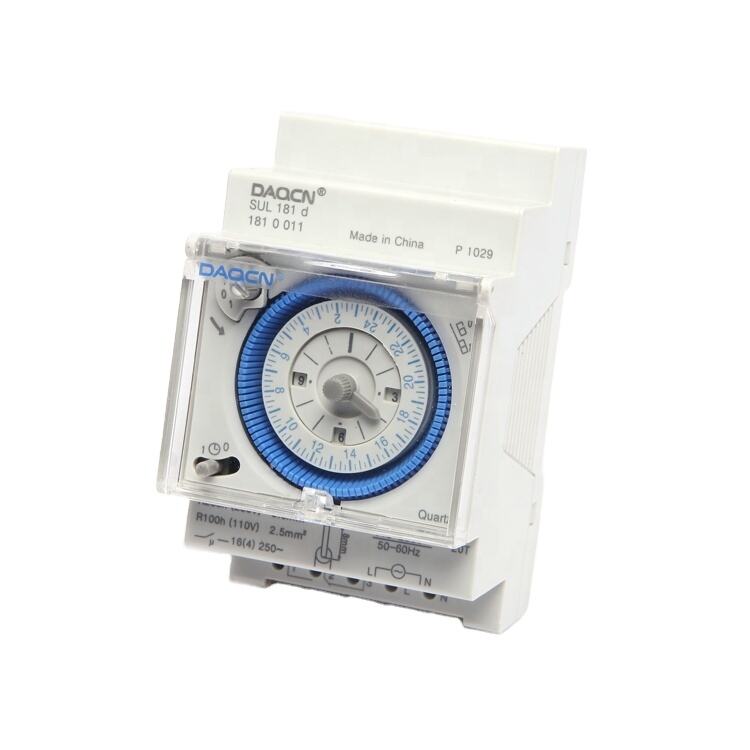
The complexity of modern industrial operations demands sophisticated timing solutions that can handle diverse load requirements while maintaining consistent performance over extended periods. Timer switch technology has evolved significantly to accommodate varying voltage ratings, current capacities, and environmental conditions found in contemporary manufacturing facilities. When evaluating timer switch options, professionals must balance functionality requirements with cost considerations to achieve the most effective automation solution for their specific operational needs.
Understanding Timer Switch Fundamentals
Mechanical vs Digital Timer Switch Technology
Mechanical timer switch devices utilize clockwork mechanisms with physical contacts to control electrical circuits, providing reliable operation without requiring external power sources beyond the main electrical supply. These traditional timer switch units feature rotating dials or cams that physically open and close electrical contacts at predetermined intervals, making them ideal for applications where simplicity and durability are paramount considerations. The robust construction of mechanical timer switch systems ensures consistent performance in harsh industrial environments where electronic components might be vulnerable to electromagnetic interference or extreme temperature fluctuations.
Digital timer switch technology incorporates microprocessor-controlled timing functions that offer superior precision and programming flexibility compared to mechanical alternatives. Modern digital timer switch units can store multiple timing programs, provide LCD displays for easy monitoring, and include advanced features such as astronomical timing, daylight saving time adjustment, and battery backup for power outages. The programmable nature of digital timer switch devices makes them particularly suitable for complex automation sequences that require frequent schedule modifications or multiple timing cycles throughout operational periods.
Current Rating and Load Capacity Considerations
Determining the appropriate current rating for your timer switch installation requires accurate calculation of the total electrical load that will be controlled by the device. A timer switch must be capable of handling the inrush current associated with starting motors, lighting ballasts, or other reactive loads without experiencing contact degradation or premature failure. Professional electricians recommend selecting a timer switch with a current rating that exceeds the maximum expected load by at least twenty percent to ensure reliable long-term operation and accommodate potential future load additions.
Resistive loads such as heating elements or incandescent lighting present different challenges compared to inductive loads like motors or fluorescent lighting systems when selecting an appropriate timer switch. The contact materials and switching mechanism of a timer switch must be designed to handle the specific characteristics of your electrical load, including power factor considerations and potential harmonic distortion. Understanding these load-specific requirements will help ensure that your chosen timer switch provides optimal performance and extended service life in your particular application.
Application-Specific Timer Switch Selection
Industrial Automation Requirements
Industrial automation systems require timer switch devices that can integrate seamlessly with existing control infrastructure while providing precise timing control for manufacturing processes. A robust timer switch designed for industrial applications must withstand vibration, temperature variations, and electromagnetic interference commonly found in production environments. The selection process should prioritize devices with proven reliability records and certification compliance for industrial safety standards including UL, CE, and CSA approvals.
Manufacturing facilities often require timer switch solutions that can coordinate multiple processes while maintaining synchronization with production schedules and quality control procedures. Advanced timer switch systems can interface with programmable logic controllers, human-machine interfaces, and enterprise resource planning systems to provide comprehensive automation control. The ability to integrate timer switch functionality with existing industrial networks enables real-time monitoring, remote programming, and predictive maintenance scheduling that optimizes operational efficiency and reduces unplanned downtime.
Commercial Lighting and HVAC Applications
Commercial building management systems rely on sophisticated timer switch technology to optimize energy consumption while maintaining comfortable environmental conditions for occupants. A properly configured timer switch for lighting applications can significantly reduce electricity costs by automatically controlling illumination based on occupancy schedules, daylight availability, and business operational hours. The programmable features of modern timer switch devices allow facility managers to implement complex lighting scenarios that adapt to seasonal variations and special events while ensuring compliance with energy efficiency regulations.
HVAC system integration with timer switch controls enables precise temperature and ventilation management that balances comfort requirements with energy conservation objectives. A specialized timer switch designed for HVAC applications must accommodate the unique switching characteristics of heating and cooling equipment, including compressor protection delays, fan cycling sequences, and emergency override capabilities. The coordination of multiple HVAC components through centralized timer switch programming ensures optimal system performance while minimizing wear on mechanical equipment and reducing maintenance requirements.
Technical Specifications and Performance Criteria
Voltage Rating and Electrical Compatibility
Proper voltage rating selection for your timer switch installation ensures safe and reliable operation while preventing equipment damage and potential safety hazards. A timer switch must be compatible with the available electrical supply voltage, whether single-phase or three-phase, and accommodate any voltage variations that may occur during normal operation. International applications may require timer switch devices that can operate across multiple voltage standards, including 120V, 240V, 480V, or other regional specifications commonly used in industrial and commercial facilities.
The electrical isolation and surge protection capabilities of a timer switch become particularly important in environments with unstable power supplies or frequent electrical disturbances. Advanced timer switch designs incorporate transient voltage suppressors, noise filtering, and galvanic isolation to protect sensitive control circuits from electromagnetic interference and power quality issues. These protective features extend the operational life of timer switch components while ensuring consistent timing accuracy even under challenging electrical conditions.
Environmental and Installation Factors
Environmental conditions significantly influence timer switch selection, particularly in applications exposed to moisture, dust, chemical vapors, or extreme temperatures. The enclosure rating of a timer switch must provide adequate protection for the specific installation environment, with NEMA and IP ratings indicating the level of ingress protection against solid particles and liquids. Outdoor applications require timer switch units with enhanced weather resistance, UV protection, and condensation prevention features to ensure reliable operation throughout seasonal weather variations.
Installation accessibility and maintenance requirements should be considered when selecting a timer switch for long-term operational success. The physical dimensions, mounting options, and wiring configuration of a timer switch must be compatible with available panel space and local electrical codes. Professional installation practices include proper conductor sizing, circuit protection, and documentation to facilitate future troubleshooting and system modifications while maintaining compliance with applicable safety standards and warranty requirements.
Advanced Features and Programming Options
Multi-Channel and Zone Control Capabilities
Modern timer switch systems offer multi-channel control capabilities that enable independent timing programs for different electrical circuits or equipment zones within a single device. This consolidated approach to timer switch implementation reduces panel space requirements and simplifies wiring while providing flexible programming options for complex automation scenarios. Multi-zone timer switch functionality allows operators to coordinate related processes while maintaining individual control over specific equipment or lighting circuits based on operational requirements and energy management objectives.
The programming interface of an advanced timer switch should provide intuitive access to timing parameters, scheduling options, and system diagnostics without requiring specialized training or complex procedures. User-friendly timer switch designs incorporate clear displays, logical menu structures, and step-by-step programming guides that facilitate quick setup and ongoing adjustments. The ability to copy, modify, and backup timing programs enhances operational flexibility while reducing the time required for system commissioning and routine maintenance activities.
Communication and Integration Features
Network connectivity options in contemporary timer switch designs enable integration with building automation systems, energy management platforms, and remote monitoring applications. A connected timer switch can provide real-time status information, alarm notifications, and historical data logging that supports predictive maintenance and energy optimization initiatives. Communication protocols such as Modbus, BACnet, and Ethernet enable seamless integration with existing infrastructure while supporting future system expansion and upgrade requirements.
Remote programming and monitoring capabilities transform timer switch management by allowing authorized personnel to modify schedules, diagnose issues, and optimize performance from centralized control locations. Cloud-based timer switch management platforms provide dashboard views of multiple installations while supporting automated reporting and alert generation for maintenance planning and energy analysis purposes. These advanced features reduce site visit requirements and enable proactive system management that improves reliability and operational efficiency.
Installation Best Practices and Safety Considerations
Electrical Code Compliance and Safety Standards
Proper timer switch installation requires strict adherence to local electrical codes and safety standards to ensure personnel protection and system reliability. A qualified electrician must verify that the selected timer switch meets applicable certification requirements and installation practices comply with National Electrical Code provisions or local regulations. Circuit protection devices, conductor sizing, and grounding requirements must be properly coordinated to provide adequate fault protection while maintaining timer switch functionality under normal and emergency conditions.
Safety considerations for timer switch installations include proper lockout/tagout procedures, arc fault protection, and emergency shutdown capabilities that protect maintenance personnel and facility occupants. The installation location of a timer switch should provide adequate clearance for safe operation and maintenance while protecting the device from physical damage and unauthorized access. Professional documentation of timer switch installations, including wiring diagrams, programming parameters, and maintenance schedules, supports ongoing safety compliance and operational effectiveness.
Testing and Commissioning Procedures
Comprehensive testing procedures ensure that timer switch installations function correctly and meet performance specifications before being placed into service. Initial testing should verify proper timing accuracy, load switching capability, and program retention under various operating conditions. A systematic timer switch commissioning process includes verification of all safety interlocks, emergency override functions, and communication interfaces to confirm that the system operates as designed and integrates properly with existing equipment.
Long-term reliability of timer switch installations depends on regular maintenance and periodic testing to identify potential issues before they impact system operation. Preventive maintenance programs should include cleaning of contacts, verification of timing accuracy, and inspection of connections and enclosures for signs of deterioration or damage. Professional maintenance of timer switch systems extends operational life while ensuring continued compliance with safety standards and performance requirements.
FAQ
What is the difference between a mechanical and digital timer switch
A mechanical timer switch uses physical clockwork mechanisms with rotating cams or dials to control electrical contacts, while a digital timer switch employs microprocessor technology for precise electronic timing control. Mechanical units offer simple operation and durability without external power requirements, whereas digital models provide programmable features, multiple timing cycles, and LCD displays for enhanced functionality and precision.
How do I determine the correct current rating for my timer switch application
Calculate the total electrical load that will be controlled by the timer switch, including starting currents for motors and inrush currents for lighting systems. Select a timer switch with a current rating that exceeds your maximum expected load by at least 20% to ensure reliable operation and accommodate future additions. Consider the type of load (resistive, inductive, or capacitive) as different load characteristics require specific contact materials and switching mechanisms.
Can a timer switch be used to control both lighting and HVAC equipment
Yes, a properly rated timer switch can control both lighting and HVAC equipment, provided the device has sufficient current capacity and appropriate contact ratings for the specific loads. However, HVAC applications may require special considerations such as compressor protection delays and fan cycling sequences. Multi-channel timer switch units offer independent control of different systems while coordinating overall building automation functions through programmable scheduling options.
What environmental factors should I consider when selecting a timer switch
Consider operating temperature ranges, humidity levels, dust exposure, and potential chemical vapors in your installation environment. Select a timer switch with appropriate NEMA or IP enclosure ratings to provide adequate protection against moisture and particulate ingress. Outdoor applications require enhanced weather resistance, UV protection, and condensation prevention features. Vibration, electromagnetic interference, and power quality issues may also influence timer switch selection for industrial environments.