 EN
EN

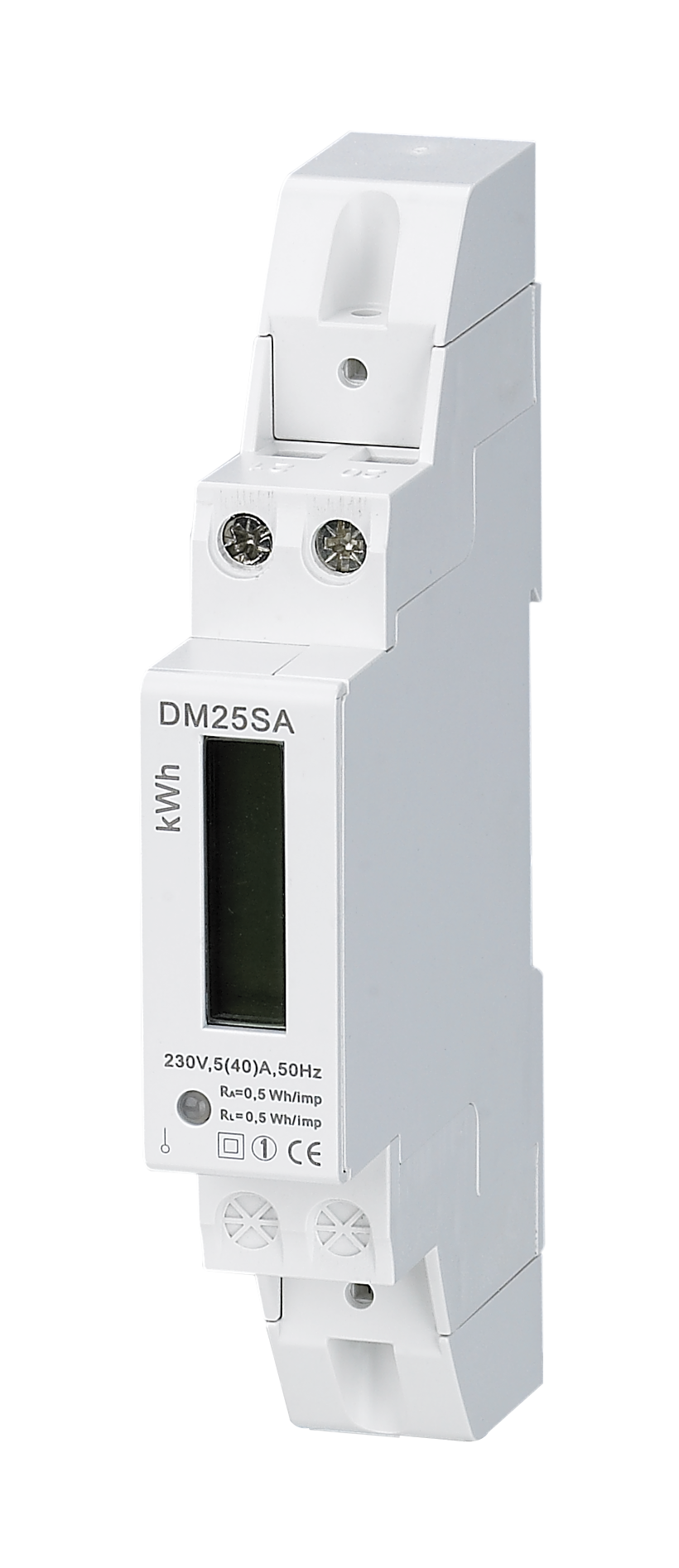
Installing a new energy meter represents a significant investment for both residential and commercial properties, with costs varying dramatically based on meter type, installation complexity, and regional pricing structures. Modern energy meter technology has evolved considerably in recent years, offering enhanced accuracy, smart connectivity features, and improved monitoring capabilities that justify the initial investment through long-term operational savings. Understanding the comprehensive cost structure helps property owners make informed decisions about energy meter upgrades and replacements.
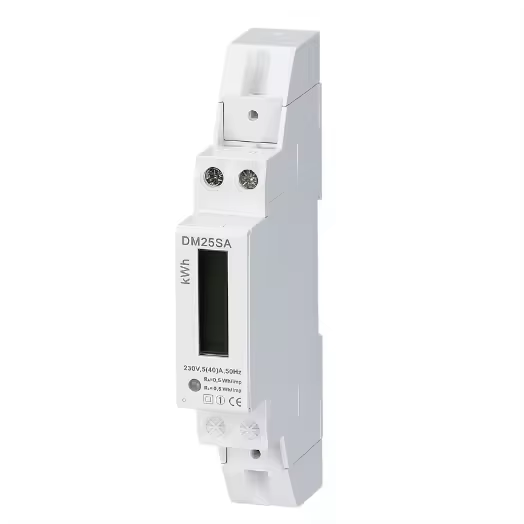
Understanding Energy Meter Installation Costs
Base Equipment Pricing
The core cost of an energy meter unit varies significantly depending on the technology level and measurement capabilities required. Basic analog energy meter models typically range from fifty to one hundred and fifty dollars for residential applications, while digital versions with enhanced features cost between one hundred and fifty to four hundred dollars. Smart energy meter systems with remote monitoring capabilities command premium prices ranging from three hundred to eight hundred dollars, reflecting their advanced technological integration and connectivity features.
Commercial-grade energy meter installations involve substantially higher equipment costs due to increased capacity requirements and specialized measurement functions. Three-phase energy meter systems designed for industrial applications typically cost between eight hundred and three thousand dollars, depending on current rating, accuracy class, and additional monitoring features. High-precision energy meter units used in critical applications or revenue-grade measurements can exceed five thousand dollars, particularly when incorporating advanced power quality analysis capabilities.
Professional Installation Expenses
Professional installation represents a substantial portion of total energy meter deployment costs, typically accounting for thirty to fifty percent of the project budget. Certified electricians charge between one hundred and two hundred dollars per hour for energy meter installation work, with typical residential installations requiring two to four hours of labor. Complex commercial installations may require eight to sixteen hours of professional work, particularly when involving electrical panel modifications or specialized mounting requirements.
Additional labor costs emerge when existing electrical infrastructure requires upgrades to accommodate modern energy meter specifications. Panel modifications, circuit breaker upgrades, or grounding system enhancements can add five hundred to two thousand dollars to installation costs. Specialized mounting hardware and weatherproof enclosures for outdoor installations contribute another one hundred to five hundred dollars depending on environmental protection requirements and accessibility considerations.
Factors Affecting Installation Pricing
Location and Accessibility Challenges
Geographic location significantly impacts energy meter installation costs through varying labor rates, permit requirements, and utility company policies. Urban areas typically feature higher installation costs due to increased labor rates and stricter regulatory requirements, while rural installations may incur additional expenses related to extended service calls and specialized equipment transportation. Difficult access locations such as basement installations or elevated mounting positions increase labor time and may require specialized equipment rental.
Utility company requirements vary considerably across different service territories, with some providers offering subsidized energy meter upgrades while others require customer funding for complete installations. Coordination with utility companies for service disconnection and reconnection typically adds one hundred to three hundred dollars in scheduling and administrative fees. Remote or hard-to-access locations may incur additional charges for equipment transportation and extended installation timeframes.
Regulatory Compliance Requirements
Electrical permit requirements add between fifty and three hundred dollars to energy meter installation costs, depending on local jurisdiction requirements and project complexity. Inspection fees typically range from seventy-five to two hundred dollars, with some areas requiring multiple inspection phases throughout the installation process. Code compliance upgrades, such as arc fault protection or surge suppression installation, can contribute additional costs ranging from two hundred to eight hundred dollars.
Specialized applications such as net metering installations for solar systems require additional equipment and certification processes that increase overall project costs. Bi-directional energy meter installations for renewable energy systems typically cost twenty to forty percent more than standard installations due to additional testing requirements and specialized configuration procedures.
Technology Options and Cost Implications
Smart Meter Technology Benefits
Advanced smart energy meter systems offer significant long-term value despite higher upfront costs through enhanced monitoring capabilities and automated reporting functions. Real-time energy consumption data enables proactive energy management strategies that can reduce monthly utility costs by ten to thirty percent through optimized usage patterns and peak demand management. Remote monitoring capabilities eliminate manual reading requirements and provide detailed consumption analytics for improved energy efficiency planning.
Communication infrastructure requirements for smart energy meter installations add complexity and cost to deployment projects. Cellular or WiFi connectivity modules increase equipment costs by one hundred to three hundred dollars, while mesh network installations for multiple meter sites require additional coordination and configuration expenses. Data management software subscriptions typically cost twenty to sixty dollars monthly, representing ongoing operational expenses that should be factored into total ownership calculations.
Analog Versus Digital Meter Considerations
Traditional analog energy meter installations represent the most economical option for basic measurement requirements, though they lack advanced monitoring and data collection capabilities. Digital energy meter systems provide enhanced accuracy and feature sets that justify higher initial costs through improved measurement precision and expanded functionality options. The transition from analog to digital technology typically increases equipment costs by forty to sixty percent while providing substantially improved long-term operational capabilities.
Retrofit installations involving replacement of existing analog energy meter systems with modern digital alternatives may require electrical infrastructure modifications to accommodate different mounting configurations and connection requirements. Panel modifications and wiring upgrades can add three hundred to twelve hundred dollars to conversion projects, particularly in older buildings with outdated electrical systems that require compliance updates to current safety standards.
Commercial and Industrial Installation Considerations
Three-Phase System Requirements
Commercial energy meter installations typically involve three-phase electrical systems that require specialized measurement equipment and installation expertise. Three-phase energy meter units cost significantly more than single-phase alternatives due to increased complexity and higher current rating requirements. Professional installation of commercial energy meter systems requires certified technicians with specialized training in industrial electrical systems and safety protocols.
Current transformer integration for high-amperage applications adds substantial cost and complexity to commercial energy meter installations. CT-rated metering systems require precision calibration and specialized installation procedures that increase labor time and require advanced technical expertise. Complete three-phase energy meter installations with current transformers typically cost between three thousand and fifteen thousand dollars, depending on current rating and accuracy requirements.
Revenue-Grade Metering Applications
Revenue-grade energy meter installations for billing applications require certified equipment meeting strict accuracy standards and regulatory compliance requirements. These specialized systems cost substantially more than standard monitoring applications due to enhanced precision requirements and certification processes. Professional calibration and commissioning services for revenue-grade energy meter systems typically add twenty to thirty percent to total project costs through specialized testing and documentation requirements.
Multi-tenant buildings and commercial complexes often require multiple energy meter installations with centralized monitoring capabilities, creating economies of scale for bulk installations while increasing overall project complexity. Coordinated installation schedules and shared infrastructure utilization can reduce per-unit costs by fifteen to twenty-five percent compared to individual installations, though project management requirements increase proportionally with system complexity.
Long-Term Cost Considerations
Maintenance and Calibration Expenses
Ongoing maintenance costs for energy meter systems vary significantly based on technology type and environmental conditions, with annual maintenance expenses typically ranging from fifty to three hundred dollars per unit. Digital energy meter systems generally require less frequent calibration than analog alternatives, though specialized software updates and communication system maintenance create different ongoing cost structures. Preventive maintenance programs help ensure measurement accuracy and extend equipment lifespan while minimizing unexpected failure costs.
Professional calibration services for precision energy meter applications cost between two hundred and eight hundred dollars annually, depending on accuracy requirements and certification standards. Revenue-grade metering systems require more frequent calibration intervals and specialized certification procedures that increase ongoing operational expenses. Proper maintenance scheduling and professional service contracts can reduce long-term ownership costs while ensuring regulatory compliance and measurement accuracy.
Technology Upgrade Pathways
Future technology upgrades represent important considerations in energy meter installation planning, with modular systems offering enhanced flexibility for incremental improvements without complete replacement costs. Smart energy meter platforms typically support firmware updates and feature additions that extend useful life and maintain technological relevance. Planning for future communication protocol changes and data management requirements helps ensure long-term investment protection and operational continuity.
Scalable energy meter installations designed for future expansion can reduce incremental addition costs by incorporating shared infrastructure and standardized installation procedures. Pre-wiring for additional measurement points and provision for expanded communication capabilities create cost-effective upgrade pathways that avoid complete system replacement requirements. Strategic planning for growth and technology evolution helps optimize total ownership costs across extended operational timeframes.
FAQ
What is the typical cost range for residential energy meter installation
Residential energy meter installation costs typically range from three hundred to twelve hundred dollars, including equipment and professional installation services. Basic analog meter replacements represent the lower end of this range, while smart energy meter installations with advanced monitoring capabilities cost significantly more due to enhanced technology and communication requirements. Additional costs may apply for electrical panel upgrades or permit requirements depending on local regulations and existing infrastructure conditions.
How do smart energy meters justify their higher installation costs
Smart energy meter systems justify premium installation costs through enhanced monitoring capabilities that enable significant energy savings and operational improvements. Real-time consumption data and automated reporting functions help identify inefficient usage patterns and optimize energy management strategies. Remote monitoring capabilities eliminate manual reading costs and provide detailed analytics that support informed decision-making for energy efficiency improvements and cost reduction initiatives.
Are there financing options available for energy meter installations
Many utility companies offer financing programs or rebates for energy meter upgrades, particularly for smart meter installations that provide grid management benefits. Equipment financing through electrical contractors or specialized lenders can spread installation costs over extended payment periods with competitive interest rates. Some regions offer government incentives or tax credits for energy efficiency improvements that include modern energy meter installations, reducing effective project costs for qualifying applications.
What factors most significantly impact energy meter installation costs
Installation complexity, equipment specification requirements, and local labor rates represent the primary factors affecting energy meter installation costs. Electrical infrastructure upgrades, permit requirements, and utility coordination needs can substantially increase project expenses beyond basic equipment and labor costs. Geographic location influences both material availability and professional service rates, while specialized applications such as revenue-grade metering or three-phase commercial installations require premium equipment and expertise that increase overall investment requirements.