 EN
EN

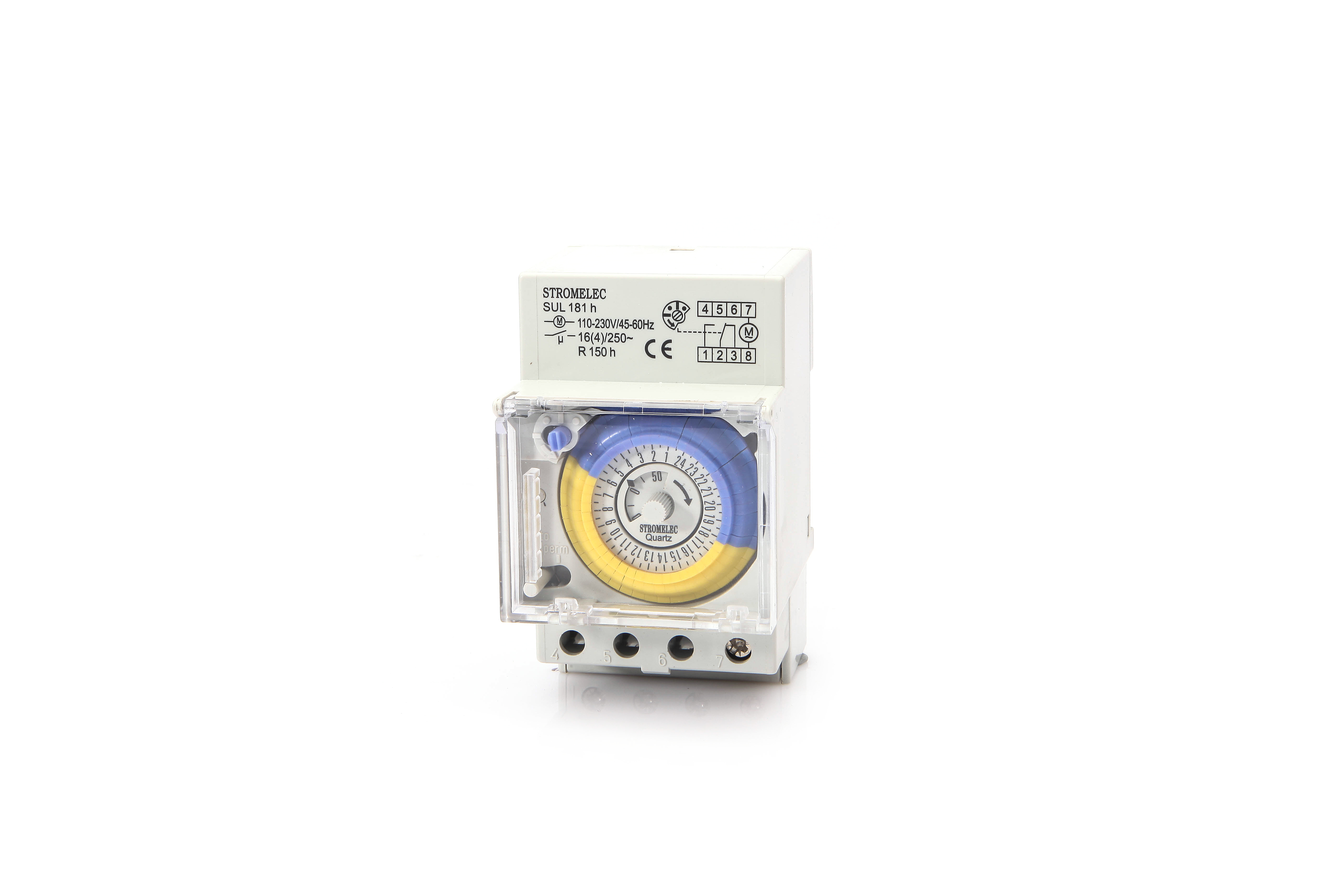
A timer is a specialized device or mechanism designed to measure specific time intervals and trigger actions when predetermined durations elapse. These fundamental tools have evolved from simple mechanical clockwork mechanisms to sophisticated electronic and digital systems that control everything from kitchen appliances to complex industrial automation processes. Understanding what a timer is and how it functions provides insight into one of the most ubiquitous yet often overlooked technologies that orchestrate countless aspects of our daily routines and professional operations.

The fundamental principle behind every timer involves the measurement of time passage through various mechanisms, whether mechanical springs, electronic oscillations, or digital counting systems. Modern timer applications span from basic countdown functions on smartphone apps to complex programmable timer systems that manage industrial equipment schedules, lighting controls, and automated processes. The widespread integration of timer technology into daily life demonstrates its essential role in synchronizing human activities, optimizing energy consumption, and ensuring precise timing for critical operations across residential, commercial, and industrial environments.
Understanding Timer Fundamentals and Core Components
Basic Timer Operating Principles
Every timer operates on the fundamental principle of measuring elapsed time against a predetermined target duration. The core mechanism involves three essential components: a time reference source, a counting or measurement system, and an output mechanism that triggers when the target time is reached. In mechanical timer systems, the time reference typically comes from spring-driven escapement mechanisms similar to those found in traditional clocks, while electronic timer devices rely on crystal oscillators or other stable frequency sources to maintain accurate time measurement.
The counting system within a timer tracks the progression of time by incrementing or decrementing from a set starting point. Analog timer mechanisms use gear trains and escapements to convert continuous motion into discrete time intervals, while digital timer systems employ electronic counters that process timing signals from their reference oscillators. This counting process continues until the predetermined target time is reached, at which point the timer activates its output mechanism to signal completion or trigger a specific action.
Types of Timer Mechanisms
Mechanical timer designs represent the traditional approach to time measurement and control, utilizing spring-loaded mechanisms, gear trains, and escapement systems to maintain accurate timing. These robust timer units often feature wind-up springs that provide the energy source for operation, with gear reduction systems that convert rapid spring unwinding into precisely timed intervals. Mechanical timer systems excel in applications where electrical power is unavailable or where simple, reliable operation is prioritized over advanced programmable features.
Electronic and digital timer technologies offer enhanced precision, programmability, and integration capabilities compared to their mechanical counterparts. Electronic timer circuits utilize integrated circuits, microprocessors, and crystal oscillators to achieve timing accuracy measured in parts per million rather than the minutes or seconds typical of mechanical systems. These advanced timer platforms support multiple timing modes, programmable schedules, and communication interfaces that enable integration with larger automation and control systems.
Timer Applications in Household and Personal Use
Kitchen and Cooking Timer Functions
Kitchen timer applications represent one of the most common daily encounters with timer technology, where precise timing ensures optimal cooking results and prevents food preparation mishaps. These specialized timer devices range from simple mechanical wind-up units that provide audible alerts after preset intervals to sophisticated digital timer systems integrated into modern appliances like ovens, microwaves, and smart home cooking assistants. The reliability of kitchen timer mechanisms directly impacts cooking success, as even minor timing variations can significantly affect food texture, flavor development, and safety in various cooking processes.
Modern kitchen timer systems often incorporate multiple simultaneous timing functions, allowing users to monitor different cooking stages and ingredients concurrently. Advanced digital timer platforms provide features such as named timer labels, multiple alarm tones, and smartphone connectivity that enables remote monitoring of cooking progress. The integration of timer technology into smart kitchen appliances has revolutionized cooking precision, with programmable timer systems automatically adjusting cooking temperatures, switching between cooking modes, and providing real-time notifications about cooking status and completion.
Exercise and Fitness Timer Usage
Fitness and exercise timer applications have become essential tools for structured workout routines, interval training, and performance tracking across various athletic disciplines. Specialized fitness timer devices provide precise interval timing for high-intensity interval training sessions, circuit workouts, and rest period management that optimizes training effectiveness and prevents overexertion. The accuracy and reliability of exercise timer systems directly influence training quality, as consistent timing intervals enable progressive overload principles and ensure adequate recovery periods between intense exercise segments.
Advanced fitness timer platforms incorporate features such as programmable workout sequences, multiple interval patterns, and integration with heart rate monitors and fitness tracking devices. These sophisticated timer systems enable athletes and fitness enthusiasts to design complex training protocols with varying work and rest periods, automatic progression schemes, and detailed performance logging. The evolution of wearable fitness timer technology has made precise interval timing accessible during any type of physical activity, from gym workouts to outdoor running and cycling sessions.
Timer Technology in Work and Productivity Management
Time Management and Focus Timer Techniques
Productivity-focused timer applications have revolutionized personal and professional time management through structured work sessions and break intervals. The Pomodoro Technique exemplifies how timer-based productivity systems can enhance focus and reduce mental fatigue by dividing work into concentrated 25-minute sessions followed by short breaks. These structured timer intervals help maintain sustained attention while preventing the cognitive overload that often accompanies prolonged periods of intensive mental work.
Professional timer systems designed for productivity management incorporate features such as project-specific timing, distraction blocking, and detailed time tracking analytics. Advanced productivity timer platforms can automatically categorize work activities, generate detailed reports on time allocation patterns, and provide insights into peak productivity periods throughout the day. The integration of timer technology with project management software and collaboration tools has enabled teams to coordinate work sessions, track collective productivity metrics, and optimize workflow timing across distributed work environments.
Meeting and Conference Timer Applications
Business meeting timer systems play a crucial role in maintaining efficient communication and ensuring equitable participation during professional gatherings. These specialized timer applications help meeting facilitators manage agenda timing, speaker allocations, and break intervals that keep discussions focused and productive. Professional meeting timer tools often feature visual countdown displays, gentle warning notifications, and automatic transition signals that help maintain meeting flow without creating disruptive interruptions to ongoing discussions.
Advanced conference timer systems integrate with presentation software and video conferencing platforms to provide seamless timing control across hybrid and remote meeting environments. These sophisticated timer platforms can automatically advance presentation slides, trigger break announcements, and coordinate timing across multiple time zones for global team collaborations. The precision of meeting timer systems directly impacts professional efficiency, as consistent timing helps organizations maximize the value of collective time investments and maintain respectful communication practices.
Industrial and Commercial Timer Systems
Automated Equipment Control Timer Functions
Industrial timer systems form the backbone of automated manufacturing processes, where precise timing control ensures product quality, operational safety, and production efficiency. These robust timer platforms manage equipment sequences such as conveyor belt timing, heating and cooling cycles, chemical mixing durations, and assembly line coordination that require millisecond precision and unwavering reliability. The failure of industrial timer systems can result in significant production disruptions, quality defects, and safety hazards that emphasize the critical importance of timer accuracy in manufacturing environments.
Modern industrial timer technology incorporates programmable logic controllers, distributed control systems, and network communication capabilities that enable sophisticated timing coordination across complex manufacturing facilities. These advanced timer systems can synchronize operations between multiple production lines, automatically adjust timing parameters based on environmental conditions, and provide real-time monitoring of timing performance throughout industrial processes. The evolution of smart factory concepts has further enhanced industrial timer capabilities through predictive maintenance algorithms and adaptive timing optimization that continuously improves operational performance.
Energy Management and Efficiency Timer Controls
Commercial building timer systems optimize energy consumption through automated control of lighting, heating, ventilation, and air conditioning systems based on occupancy patterns and usage schedules. These energy management timer platforms can reduce operational costs by ensuring that building systems operate only when needed while maintaining appropriate environmental conditions for occupant comfort and safety. The precision of energy timer controls directly impacts both operational expenses and environmental sustainability goals by eliminating unnecessary energy consumption during unoccupied periods.
Advanced building automation timer systems integrate with smart grid technologies and renewable energy sources to optimize energy usage timing based on utility pricing structures and generation capacity. These intelligent timer platforms can shift energy-intensive operations to periods of lower electricity costs, coordinate with battery storage systems for optimal charge and discharge timing, and automatically adjust building systems based on weather forecasts and occupancy predictions. The sophistication of commercial timer technology continues to evolve with the integration of artificial intelligence and machine learning algorithms that optimize timing decisions based on historical usage patterns and real-time operational data.
FAQ
What are the main differences between mechanical and digital timer systems?
Mechanical timer systems rely on spring-driven mechanisms and gear trains for timing control, offering simple operation without electrical power requirements but with limited precision and programmability. Digital timer systems use electronic circuits and microprocessors to achieve superior accuracy, multiple timing functions, and programmable features, though they require electrical power and may be more complex to operate in basic applications.
How accurate are typical household timer devices for cooking and daily use?
Standard household timer devices typically maintain accuracy within 1-2% of set timing intervals for short durations under normal temperature conditions. Digital timer systems generally provide better accuracy than mechanical units, with precision improving for shorter timing intervals. For critical cooking applications requiring precise timing, dedicated kitchen timer devices often perform better than general-purpose timer functions on other devices.
Can timer systems be integrated with smart home automation platforms?
Modern timer systems increasingly support integration with popular smart home platforms through wireless connectivity and standardized communication protocols. These connected timer devices can be controlled remotely, incorporated into automated routines, and coordinated with other smart home devices for comprehensive timing and scheduling management throughout residential environments.
What factors should be considered when selecting timer systems for industrial applications?
Industrial timer selection requires evaluation of timing accuracy requirements, environmental operating conditions, electrical compatibility, programming complexity, and integration capabilities with existing control systems. Critical factors include temperature tolerance, vibration resistance, electrical noise immunity, and compliance with relevant industrial safety standards for the specific application environment.
Table of Contents
- Understanding Timer Fundamentals and Core Components
- Timer Applications in Household and Personal Use
- Timer Technology in Work and Productivity Management
- Industrial and Commercial Timer Systems
-
FAQ
- What are the main differences between mechanical and digital timer systems?
- How accurate are typical household timer devices for cooking and daily use?
- Can timer systems be integrated with smart home automation platforms?
- What factors should be considered when selecting timer systems for industrial applications?