 EN
EN

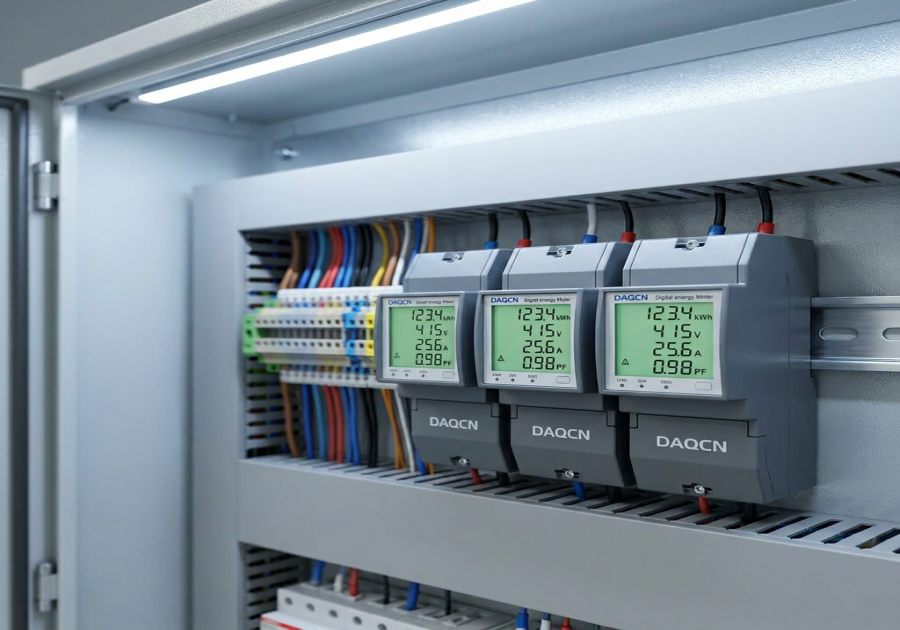
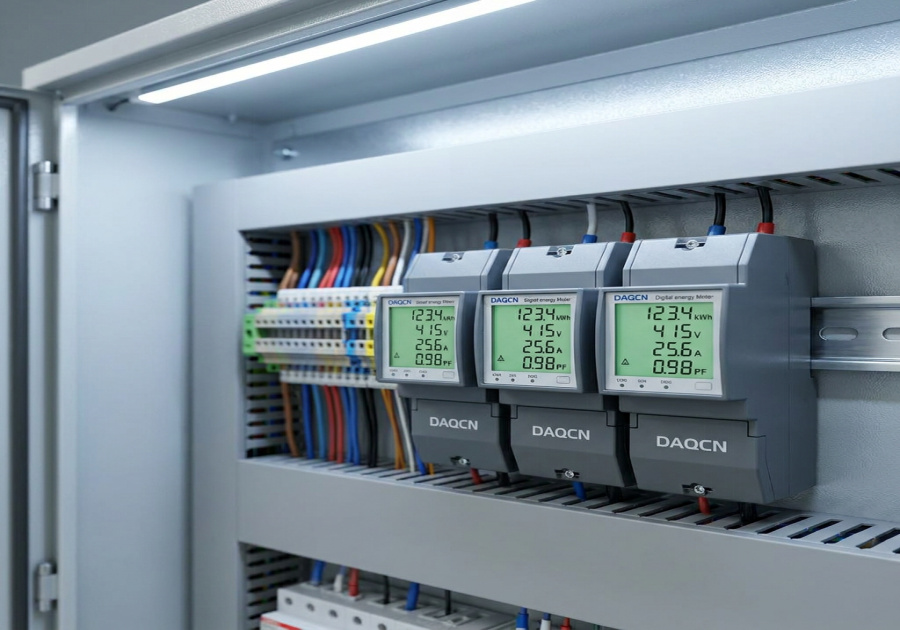
In the competitive landscape of commercial real estate (CRE), profitability is increasingly tied to operational efficiency. As energy prices fluctuate and sustainability mandates become more stringent, property managers and owners are looking for ways to gain granular control over power consumption. The solution? Sub-metering. By implementing smart energy meters, commercial properties can transition from vague 'common area' billing to precise, data-driven management that directly impacts the bottom line.
The Shift from Master Metering to Sub-metering
Traditionally, many commercial buildings operated on a 'master meter' system. The utility company provided one bill for the entire building, and the cost was either included in the rent or divided based on square footage. This system is inherently flawed for two reasons:
1. Inequity: Low-energy tenants end up subsidizing high-energy tenants.
2. Waste: Without direct accountability, tenants have little incentive to conserve energy.
Sub-metering involves installing individual meters downstream of the main utility meter. This allows for the tracking of electricity usage for specific tenants, floors, or even individual pieces of equipment (like HVAC systems or server rooms).
Why Data Accuracy is the Foundation of Profit
In a sub-metering environment, the energy meter isn't just a monitoring device; it's a financial instrument. If a property manager is billing a tenant based on meter data, that data must be indisputable. This is where high-quality smart meters from manufacturers like DAQCN become essential.
The Role of Precision:
Most commercial sub-metering requires Class 1.0 or Class 0.5 accuracy. This means the meter must have a maximum margin of error of only 1% or 0.5%, respectively. Inaccurate meters lead to billing disputes, legal liabilities, and lost revenue. DAQCN's range of digital energy meters is engineered to meet these rigorous standards, ensuring that every kilowatt-hour (kWh) consumed is accounted for.
Implementing Smart Meters: Key Features to Look For
For B2B buyers and project managers, the technical specifications of a meter determine how easily it can be integrated into a Building Management System (BMS). Here are the critical features for commercial sub-metering:
#### 1. Communication Protocols (Modbus, WiFi, and IoT)
A smart meter is only as good as its ability to share data. Modern CRE projects often require meters with Modbus-RTU or RS485 ports for wired integration into central systems. For smaller or retrofitted buildings, WiFi-enabled smart meters (compatible with platforms like Tuya) allow managers to monitor consumption via a smartphone app or cloud dashboard without the need for extensive rewiring.
#### 2. DIN Rail Mounting for Space Efficiency
Commercial electrical panels are often crowded. DIN rail-mounted meters, like the DAQCN 40A Smart Circuit Breaker with Energy Metering, save significant space. They combine the functions of a circuit breaker and an energy meter into a single compact unit, reducing installation time and hardware costs.
#### 3. Real-time Monitoring and Alerts
Beyond billing, smart meters provide real-time data on voltage, current, and power factor. This allows facility managers to identify anomalies—such as a failing motor drawing excessive current—before it leads to a costly breakdown. Automated alerts for over-voltage or leakage protection add an extra layer of asset security.
Financial Benefits: Beyond the Bill
Implementing a robust sub-metering strategy offers several pathways to increased profit:
- Fair Tenant Billing: When tenants pay for exactly what they use, satisfaction increases, and disputes decrease. It also encourages tenants to invest in their own energy-saving measures.
- Common Area Optimization: By isolating tenant usage, managers can clearly see how much energy is being consumed by common area lighting, elevators, and lobbies. This data is the first step in identifying where energy-efficient retrofits (like LED upgrades) will have the highest ROI.
- Sustainability Credits: Accurate energy data is a requirement for LEED, BREEAM, or other green building certifications. These certifications often lead to higher property valuations and more attractive financing terms.
DAQCN: Your Partner in Energy Management
At Wenzhou DAQUAN Electric (DAQCN), we have been at the forefront of electrical manufacturing since 1996. Our smart energy meters are designed for the rigors of global commercial use. We understand that for a project manager, a meter must be easy to install, impossible to ignore, and exceptionally accurate.
Our Smart WiFi Circuit Breakers and Energy Meters are particularly popular for modern CRE projects. They offer:
- Remote Control: Turn circuits on/off remotely for maintenance or safety.
- Detailed Analytics: View daily, monthly, and yearly consumption charts.
- Global Certification: CE and RoHS compliance ensures your project meets international safety and environmental standards.
Conclusion: Future-Proofing Your Assets
As the world moves toward 'Smart Cities' and 'Net Zero' buildings, the ability to measure energy with precision is no longer optional. For commercial real estate owners, sub-metering isn't just an operational expense—it's a strategic investment in transparency, efficiency, and long-term profitability.
By choosing the right hardware—meters that prioritize data accuracy and connectivity—you can transform your building from a passive structure into a smart, profit-generating asset. Explore the full range of DAQCN smart metering solutions today and take the first step toward a more efficient future.