 EN
EN

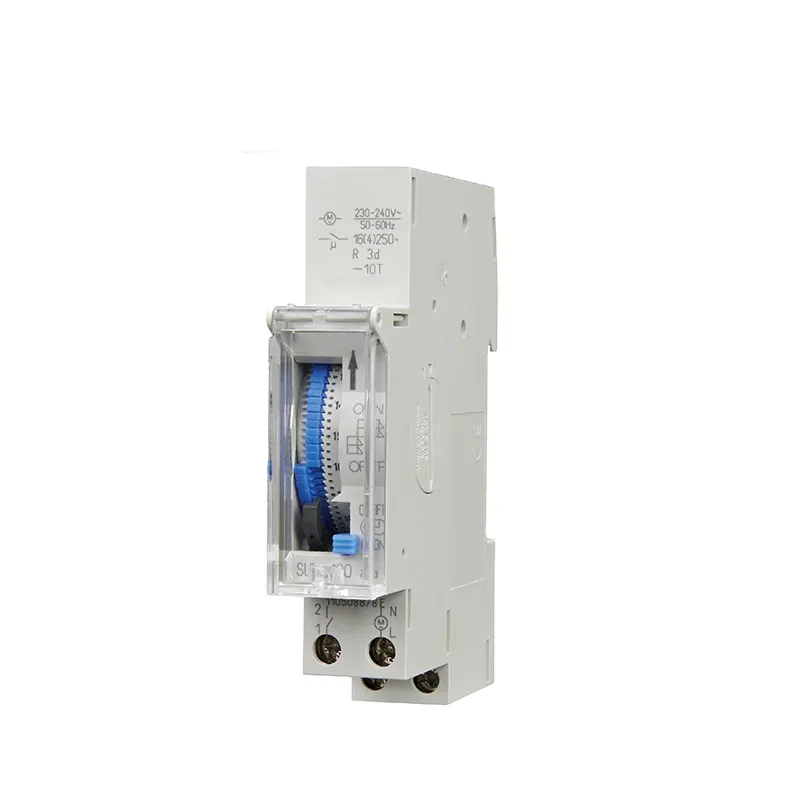
A timer relay represents one of the most essential components in modern electrical control systems, providing precise timing functions across countless industrial applications. These sophisticated devices combine traditional relay switching capabilities with programmable timing functions, enabling automated control sequences that enhance operational efficiency and safety. Understanding the fundamental principles and applications of timer relay technology becomes increasingly important as industrial automation continues to evolve in 2025.
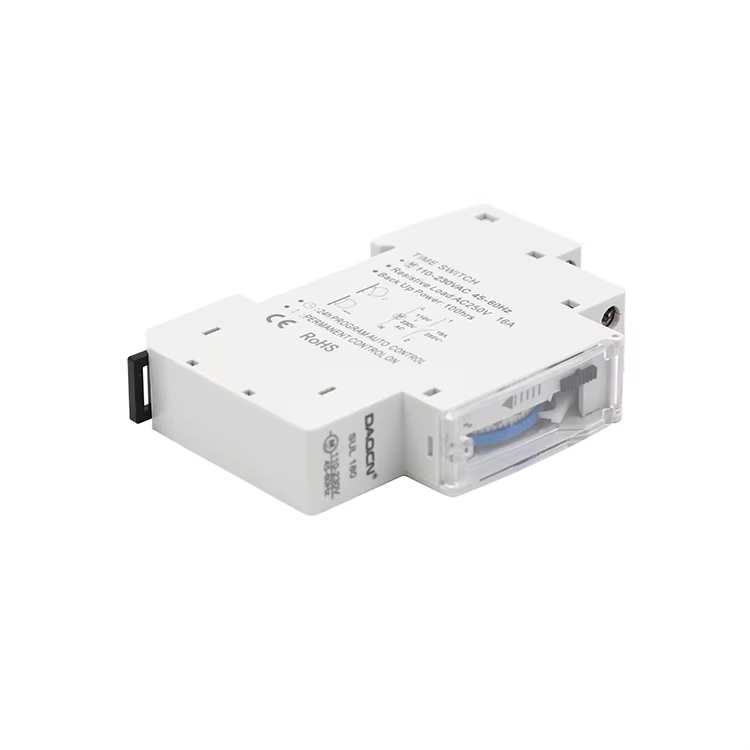
The evolution of timer relay systems has transformed significantly over the past decade, incorporating advanced microprocessor technology and digital interfaces that deliver unprecedented accuracy and reliability. Modern manufacturing environments depend heavily on these timing control devices to coordinate complex processes, from simple delay functions to sophisticated multi-stage automation sequences. The versatility and reliability of contemporary timer relay solutions make them indispensable for engineers designing control systems across diverse industries.
Fundamental Operating Principles of Timer Relay Systems
Electronic Architecture and Core Components
The internal architecture of a modern timer relay incorporates several key components that work together to deliver precise timing control. The primary element consists of a microprocessor-based timing circuit that generates accurate time delays through crystal oscillator technology. This electronic timing mechanism replaces older mechanical systems, providing superior accuracy and extended operational life compared to traditional electromechanical alternatives.
Supporting circuitry includes input conditioning stages that process incoming control signals, ensuring proper voltage levels and signal integrity throughout the timing process. Output stages feature robust switching components, typically solid-state relays or mechanical contacts, designed to handle various load types and electrical specifications. Power supply sections convert incoming AC or DC voltage to the precise levels required by internal electronic components.
Modern timer relay designs incorporate advanced protection features including overvoltage protection, thermal monitoring, and electromagnetic interference filtering. These protective elements ensure reliable operation in challenging industrial environments where electrical noise and temperature variations are common. The integration of these components creates a robust timing control solution capable of delivering consistent performance over extended operational periods.
Timing Function Categories and Operation Modes
Timer relay devices operate in several distinct timing modes, each designed for specific application requirements. On-delay timing functions provide a predetermined delay period after receiving an input signal before activating the output contacts. This mode proves essential for applications requiring staged startup sequences or protection delays in electrical systems.
Off-delay timing modes maintain output activation for a specified period after the input signal is removed, enabling controlled shutdown sequences and ensuring proper system deactivation procedures. Pulse timing functions generate precisely timed output pulses regardless of input signal duration, making them ideal for triggering specific actions or signaling requirements in automated processes.
Advanced timer relay models support multiple timing functions within a single device, allowing users to select appropriate operating modes through configuration switches or digital programming interfaces. This versatility eliminates the need for multiple timing devices in complex control systems, reducing installation costs and simplifying maintenance procedures.
Industrial Applications and Implementation Strategies
Manufacturing Process Control Integration
Manufacturing facilities extensively utilize timer relay technology to coordinate production line operations and ensure consistent product quality. Conveyor belt systems rely on precise timing controls to coordinate material handling operations, preventing product collisions and maintaining optimal throughput rates. Assembly line stations employ timer relay devices to control automated tooling sequences, ensuring proper cycle times and maintaining production efficiency.
Quality control processes benefit significantly from timer relay implementation, particularly in applications requiring specific dwell times or curing periods. Paint booths, chemical processing equipment, and heat treatment systems depend on accurate timing control to achieve consistent results and meet stringent quality specifications. The reliability and precision of modern timer relay systems ensure these critical processes operate within specified parameters.
Packaging and material handling operations incorporate timer relay technology to synchronize multiple process stages, from filling and sealing to labeling and sorting functions. These applications require precise coordination between various mechanical systems, making reliable timing control essential for maintaining production schedules and preventing equipment damage from improper sequencing.
HVAC and Building Automation Systems
Heating, ventilation, and air conditioning systems extensively employ timer relay devices to optimize energy consumption and maintain comfortable environmental conditions. Fan delay circuits prevent cold air circulation during heating startup periods, while staged heating and cooling sequences ensure efficient temperature control without excessive energy consumption.
Lighting control systems benefit from timer relay integration, particularly in commercial and industrial facilities where automated lighting schedules reduce energy costs and enhance security. Emergency lighting systems rely on timer relay technology to provide proper backup illumination duration during power outages, ensuring compliance with safety regulations and building codes.
Pump control applications utilize timer relay devices to prevent rapid cycling and extend equipment life through proper startup and shutdown sequences. Water treatment facilities, irrigation systems, and industrial process cooling applications depend on reliable timing control to maintain optimal operational efficiency and prevent equipment damage from improper cycling patterns.
Selection Criteria and Technical Specifications
Electrical Characteristics and Performance Parameters
Selecting appropriate timer relay devices requires careful evaluation of electrical specifications including input voltage ranges, output contact ratings, and timing accuracy requirements. Input voltage compatibility ensures proper operation within existing control system voltage levels, while output contact specifications must match connected load requirements for current and voltage handling capacity.
Timing range capabilities vary significantly between timer relay models, from millisecond precision for high-speed applications to extended periods measured in hours or days for long-duration processes. Accuracy specifications typically range from ±1% to ±5% of set time values, with higher precision models incorporating temperature compensation and aging correction features.
Environmental specifications including operating temperature ranges, humidity tolerance, and vibration resistance ensure reliable performance in challenging industrial conditions. These parameters become particularly important for outdoor installations or applications in extreme temperature environments where standard electronic components might fail.
Mounting Options and Installation Considerations
Modern timer relay designs offer various mounting configurations to accommodate different installation requirements and space constraints. DIN rail mounting provides convenient installation in standard control panels, while socket-based designs allow easy replacement and maintenance access in critical applications.
Panel mounting options include flush-mount designs for clean front panel installation and surface-mount configurations for retrofit applications. These mounting variations ensure timer relay devices can be integrated into existing control systems without requiring extensive modifications or custom mounting hardware.
Wiring considerations include terminal types, connection methods, and cable management requirements that affect installation complexity and long-term reliability. Screw terminals provide secure connections for permanent installations, while plug-in connectors enable rapid replacement and maintenance procedures in critical applications.
Advanced Features and Digital Integration
Programmable Functions and User Interface Design
Contemporary timer relay systems incorporate sophisticated programming capabilities that extend far beyond simple timing functions. Digital displays provide real-time status information and configuration feedback, enabling operators to monitor timing sequences and adjust parameters without external test equipment.
Multi-function timer relay devices support various operating modes within a single unit, reducing inventory requirements and simplifying system design. These advanced models typically include multiple preset timing values, allowing operators to select appropriate timing parameters for different operational conditions or production requirements.
Configuration software enables comprehensive programming through computer interfaces, particularly valuable for complex timing sequences or applications requiring precise parameter adjustment. This software integration facilitates system documentation, backup procedures, and standardization across multiple installations.
Communication Protocols and System Integration
Modern industrial environments increasingly require timer relay devices with communication capabilities for integration into supervisory control systems. Common protocols including Modbus, Ethernet/IP, and Profibus enable remote monitoring and control of timing functions through central automation platforms.
Diagnostic capabilities provide valuable operational data including cycle counts, timing accuracy measurements, and fault condition reporting. This information enables predictive maintenance strategies and helps identify potential system issues before they affect production operations.
Integration with building management systems allows timer relay devices to participate in energy optimization strategies and coordinated facility control sequences. These capabilities become increasingly important as facilities seek to reduce energy consumption and improve operational efficiency through advanced automation technologies.
Troubleshooting and Maintenance Procedures
Common Operational Issues and Diagnostic Methods
Timer relay troubleshooting typically begins with verification of input power supply conditions and proper voltage levels at device terminals. Fluctuating or inadequate power supply voltage can cause erratic timing behavior or complete device failure, making power quality assessment the first diagnostic step in most troubleshooting procedures.
Contact verification procedures include checking output contact condition, load circuit continuity, and proper connection integrity throughout the controlled circuit. Mechanical contact wear or contamination can cause intermittent operation or complete switching failure, requiring systematic testing to identify and correct these issues.
Timing accuracy verification involves comparing actual timing periods with programmed values using precision test equipment. Significant timing deviations may indicate internal component deterioration or environmental factors affecting device performance, requiring detailed analysis to determine appropriate corrective actions.
Preventive Maintenance and Lifecycle Management
Preventive maintenance programs for timer relay systems focus on environmental monitoring, connection inspection, and performance verification through regular testing procedures. Dust accumulation, moisture ingress, and temperature cycling can gradually degrade device performance, making periodic inspection essential for maintaining reliability.
Contact maintenance procedures vary depending on timer relay design, with solid-state devices requiring minimal intervention while electromechanical models may need periodic contact cleaning or adjustment. Understanding device-specific maintenance requirements helps optimize service intervals and prevent premature failure.
Replacement planning considers device age, operational history, and criticality within the overall control system. Proactive replacement of aging timer relay devices before failure occurs prevents unplanned downtime and maintains system reliability, particularly in critical process applications where timing accuracy is essential.
Future Trends and Technology Development
Smart Technology Integration and IoT Connectivity
The evolution of timer relay technology increasingly incorporates Internet of Things connectivity and smart device capabilities that enable remote monitoring and predictive maintenance strategies. These advanced features provide real-time operational data and historical performance trends that support data-driven maintenance decisions and system optimization.
Artificial intelligence integration enables adaptive timing functions that automatically adjust parameters based on operational conditions and performance feedback. These intelligent timer relay systems can optimize timing sequences for maximum efficiency while maintaining safety and reliability requirements in dynamic industrial environments.
Cloud-based configuration and monitoring platforms allow centralized management of distributed timer relay installations, providing comprehensive oversight of timing functions across multiple facilities. This connectivity enables standardized programming procedures, remote troubleshooting capabilities, and coordinated system updates that improve operational efficiency.
Energy Efficiency and Sustainability Considerations
Environmental consciousness drives development of more energy-efficient timer relay designs that minimize power consumption while maintaining performance specifications. Low-power electronic circuits and advanced power management features reduce operational costs and support sustainability initiatives in industrial facilities.
Sustainable manufacturing practices increasingly influence timer relay design and production processes, incorporating recyclable materials and environmentally responsible manufacturing methods. These considerations reflect growing industry emphasis on environmental stewardship and regulatory compliance requirements.
Integration with renewable energy systems requires timer relay devices capable of operating effectively with variable power conditions and supporting energy storage management applications. These specialized requirements drive continued innovation in timer relay technology and expand application possibilities in emerging energy sectors.
FAQ
What is the typical lifespan of a timer relay in industrial applications
The operational lifespan of a timer relay depends heavily on the device type and application conditions. Solid-state timer relay models typically provide 10-15 years of reliable service in standard industrial environments, while electromechanical versions may require replacement after 5-10 years depending on switching frequency and load characteristics. Environmental factors such as temperature extremes, humidity, and electrical noise can significantly impact device longevity, making proper application and installation critical for achieving maximum service life.
How do I determine the correct timing range for my application
Selecting appropriate timing ranges requires careful analysis of process requirements including minimum and maximum timing periods, required accuracy levels, and adjustment flexibility needs. Most timer relay applications benefit from devices offering timing ranges that extend at least 25% beyond maximum required periods to accommodate future process changes. Consider whether manual adjustment capabilities or programmable timing functions better suit your operational requirements, as this choice affects both initial cost and long-term flexibility.
Can timer relay devices operate in harsh environmental conditions
Modern timer relay designs incorporate various protection features that enable operation in challenging industrial environments. Standard models typically operate reliably in temperature ranges from -10°C to +55°C with humidity levels up to 85% non-condensing. Specialized versions offer extended temperature ranges, enhanced vibration resistance, and improved electromagnetic interference immunity for demanding applications such as outdoor installations or high-noise industrial environments.
What maintenance procedures are recommended for timer relay systems
Regular maintenance procedures for timer relay systems include visual inspection of connections and mounting hardware, verification of proper ventilation around devices, and periodic testing of timing accuracy using calibrated test equipment. Solid-state models require minimal maintenance beyond connection inspection and cleaning, while electromechanical types may need contact inspection and adjustment. Environmental monitoring helps identify conditions that could affect device performance, enabling proactive maintenance actions before problems develop.