 EN
EN

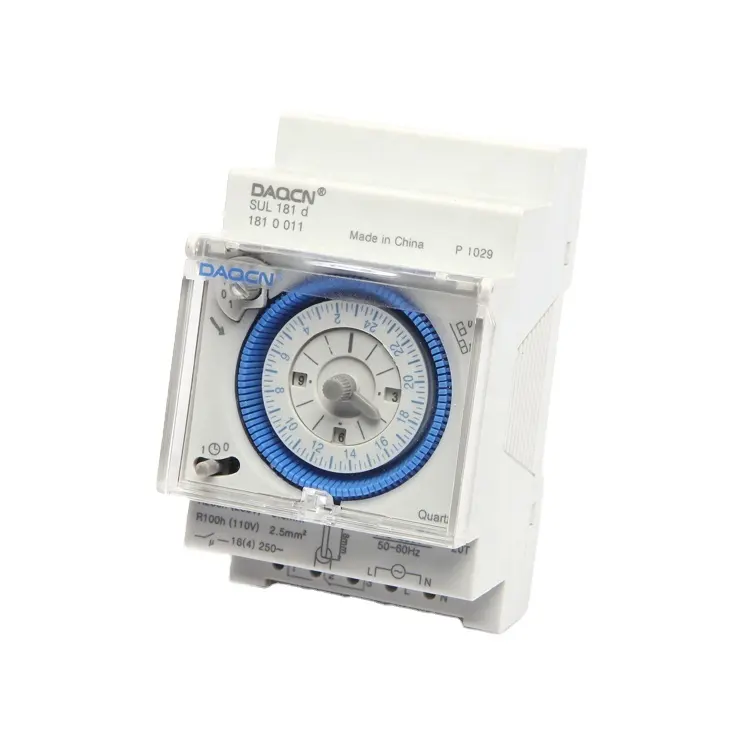
Modern industrial automation demands precision, speed, and reliability that manual control systems simply cannot match. The evolution from manual switching to automated relay systems represents one of the most significant advances in electrical control technology. Understanding the fundamental differences between relay switching and manual controls reveals why industries worldwide have embraced relay technology for critical applications where milliseconds can determine operational success or costly downtime.
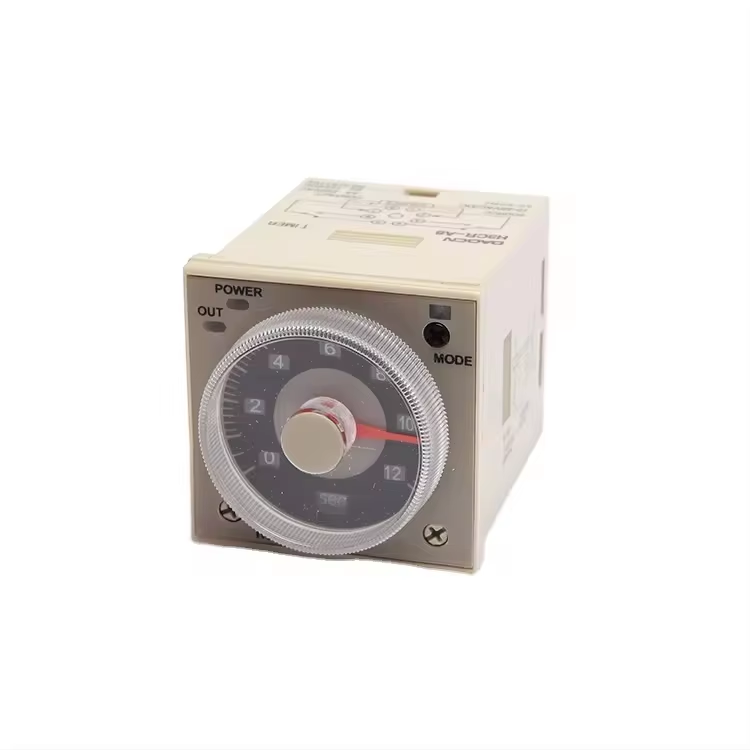
The speed advantage of relay switching stems from electromagnetic principles that eliminate human response delays and mechanical limitations inherent in manual systems. While manual controls rely on physical human interaction, relay systems operate through electromagnetic field activation, enabling switching speeds measured in milliseconds rather than seconds. This fundamental difference creates cascading benefits throughout industrial processes, from improved safety margins to enhanced production efficiency.
Electromagnetic Response Mechanisms in Relay Systems
Instantaneous Field Activation
The core speed advantage of relay technology lies in electromagnetic field generation and collapse timing. When current flows through a relay coil, the magnetic field establishes within microseconds, instantly attracting the armature and closing contacts. This electromagnetic response occurs at near light speed, contrasting sharply with manual switching that requires human perception, decision-making, and physical movement sequences.
Modern relay designs optimize magnetic circuit geometry to minimize flux path resistance and maximize field strength per unit current. Advanced materials like high-permeability ferrites and neodymium permanent magnets enhance response characteristics, reducing pull-in times to under 10 milliseconds for standard industrial applications. These improvements represent decades of metallurgical and electromagnetic engineering refinement.
Contact Actuation Dynamics
The mechanical aspect of relay operation, while present, operates under controlled spring tension and optimized contact geometry. Unlike manual switches requiring variable human force application, relay contacts move through precisely calculated distances with consistent pressure. This mechanical consistency ensures reliable electrical connections while maintaining rapid switching cycles.
Contact bounce, a common concern in switching applications, is minimized through advanced spring design and damping mechanisms. High-quality relay systems incorporate gold-plated contacts and inert gas atmospheres to prevent oxidation and ensure long-term performance reliability. These engineering refinements contribute directly to the speed and consistency advantages over manual switching systems.
Human Factor Limitations in Manual Control Systems
Reaction Time Variables
Human reaction times create inherent delays that relay systems completely eliminate. Average human visual response to electrical signals ranges from 150 to 300 milliseconds under optimal conditions, with additional delays for motor response and switch actuation. Complex scenarios requiring decision-making can extend response times to several seconds, creating unacceptable delays in time-critical applications.
Fatigue, distraction, and stress further compound human response limitations. Operators working extended shifts experience degraded reaction times, while high-pressure situations can lead to hesitation or incorrect responses. These human factors introduce variability that relay automation eliminates through consistent, programmable responses.
Physical Movement Constraints
Manual switching requires physical movement sequences that consume significant time compared to electromagnetic actuation. Hand-eye coordination, reach distances, and switch accessibility all impact response speed. Emergency situations demanding rapid switching may be compromised by operator positioning, ergonomic constraints, or simultaneous multi-switch requirements beyond human capabilities.
The cognitive load of monitoring multiple parameters while executing manual controls creates additional delays. Relay systems process multiple inputs simultaneously without cognitive burden, enabling complex switching logic that would overwhelm human operators. This parallel processing capability represents a fundamental advantage in sophisticated control applications.
Timing Precision and Consistency Benefits
Microsecond-Level Accuracy
Modern relay control systems achieve timing precision measured in microseconds, enabling synchronization impossible with manual controls. Digital relay controllers incorporate crystal oscillators and microprocessor timing that maintain accuracy across temperature variations and aging. This precision enables applications requiring exact timing relationships between multiple switching events.
Sequence timing in relay systems remains consistent across millions of operating cycles. Manual control systems exhibit timing drift due to operator variations, training differences, and human performance fluctuations. Industries requiring precise timing relationships rely on relay consistency to maintain product quality and process efficiency.
Programmable Delay Functions
Relay systems incorporate sophisticated delay functions impossible to replicate manually with comparable accuracy. Time-delay relay configurations enable precise on-delay, off-delay, and interval timing suited to specific application requirements. These programmable functions eliminate guesswork and provide repeatable performance across all operating conditions.
Complex timing sequences involving multiple relay coordination create automation possibilities far exceeding manual control capabilities. Cascading relay logic enables sequential startup procedures, coordinated equipment protection, and optimized process control timing that maximizes efficiency while ensuring safety compliance.
Safety and Protection Advantages
Failsafe Operation Modes
Relay systems incorporate failsafe design principles that provide automatic protection when power fails or components malfunction. Spring-return mechanisms ensure contacts return to safe positions without power, while manual systems may remain in hazardous states if operators are absent or incapacitated. This inherent safety characteristic makes relay systems essential for critical applications.
Redundant relay configurations provide backup switching capability that manual systems cannot match. Dual-relay architectures with monitoring circuits detect single-point failures and maintain system operation through backup paths. This redundancy level is impossible to achieve with manual controls while maintaining response speed requirements.
Hazardous Environment Applications
Relay systems enable remote switching in dangerous environments where human presence poses unacceptable risks. Explosive atmospheres, high-voltage installations, and toxic material handling require switching capability without direct human exposure. Remote relay operation provides necessary control while maintaining operator safety distances.
Environmental protection ratings for industrial relay systems exceed manual switch capabilities in harsh conditions. Sealed relay enclosures withstand moisture, dust, and chemical exposure that would compromise manual controls. This environmental resistance extends system reliability while maintaining rapid switching performance.
Industrial Applications and Performance Metrics
Manufacturing Process Control
High-speed manufacturing processes demand relay switching speeds that manual controls cannot provide. Assembly line automation, packaging equipment, and quality control systems require millisecond timing accuracy to maintain production rates and product consistency. Relay systems enable these applications while providing integration with programmable logic controllers and industrial networks.
Statistical process control benefits from relay timing consistency that eliminates human variability. Production data analysis reveals significant quality improvements when relay automation replaces manual switching in critical process points. These measurable benefits justify relay system investments through reduced waste and improved throughput.
Power Distribution and Grid Control
Electrical power systems rely extensively on relay protection schemes that respond faster than any manual intervention could achieve. Fault detection and isolation require sub-cycle response times to prevent equipment damage and maintain grid stability. Modern protective relay systems coordinate with communication networks to provide system-wide protection impossible with manual controls.
Load switching in power distribution benefits from relay precision that optimizes system efficiency. Automatic load transfer, peak demand management, and power factor correction require timing accuracy and response speed that exceed manual capabilities. These applications demonstrate relay superiority in critical infrastructure management.
Technology Integration and Smart Systems
Digital Communication Interfaces
Contemporary relay systems incorporate digital communication protocols that enable integration with building automation, industrial control networks, and internet-of-things platforms. These communication capabilities provide remote monitoring, diagnostic feedback, and coordinated control impossible with manual switching systems.
Real-time data collection from relay systems enables predictive maintenance, performance optimization, and system analysis that manual controls cannot provide. Digital interfaces support condition monitoring, energy management, and operational efficiency improvements through data-driven decision making.
Artificial Intelligence Integration
Advanced relay systems incorporate machine learning algorithms that adapt switching patterns based on operational data and environmental conditions. These intelligent systems optimize performance automatically while maintaining the fundamental speed advantages over manual controls. Predictive algorithms anticipate switching requirements and pre-position relay states for optimal response.
Integration with artificial intelligence platforms enables relay systems to participate in smart grid operations, demand response programs, and energy optimization strategies. These capabilities represent the evolution of relay technology beyond simple switching toward comprehensive system intelligence.
FAQ
How much faster is relay switching compared to manual controls
Relay switching typically operates 10 to 100 times faster than manual controls, with response times measured in milliseconds versus human reaction times of 150-300 milliseconds minimum. In critical applications, this speed difference can prevent equipment damage and ensure process continuity.
Can relay systems replace all manual switching applications
While relay systems excel in speed and consistency, some applications still require manual oversight for safety or regulatory compliance. The optimal approach often combines relay automation for routine operations with manual override capabilities for emergency situations and maintenance procedures.
What maintenance advantages do relay systems provide over manual switches
Relay systems typically require less frequent maintenance due to reduced mechanical wear and environmental protection. Sealed relay contacts avoid contamination issues common in manual switches, while digital monitoring capabilities provide advance warning of performance degradation before failures occur.
How do relay systems handle power failures compared to manual controls
Quality relay designs incorporate failsafe mechanisms that ensure safe shutdown during power loss, while manual systems may remain in their last position. Battery backup systems can maintain critical relay functions during outages, providing capabilities unavailable with purely manual systems.