 EN
EN


A wifi switch represents a revolutionary advancement in home automation technology that transforms traditional electrical switching into intelligent, remotely controllable systems. These innovative devices combine conventional switch functionality with wireless connectivity, enabling users to control lighting, appliances, and electrical circuits from anywhere using smartphone applications or voice commands. As we advance into 2025, wifi switch technology has evolved to incorporate enhanced security protocols, improved energy efficiency monitoring, and seamless integration with comprehensive smart home ecosystems.
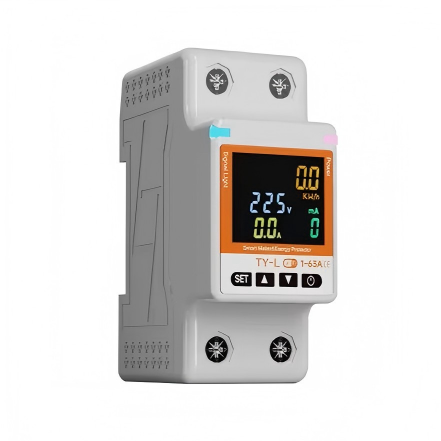
Understanding wifi switch technology requires examining both its fundamental components and operational mechanisms that enable wireless control capabilities. These sophisticated devices function as intermediary controllers between electrical circuits and wireless networks, translating digital commands into physical switching actions while maintaining constant connectivity with home automation systems. The wifi switch operates through a combination of embedded microprocessors, wireless communication modules, and relay systems that work together to provide reliable, secure, and responsive control over electrical devices throughout residential and commercial environments.
Core Components and Architecture of WiFi Switch Systems
Essential Hardware Components
The fundamental architecture of a wifi switch incorporates several critical hardware components that enable its wireless functionality and reliable operation. The primary component is a dedicated microcontroller unit that processes incoming wireless signals and translates them into appropriate electrical switching commands. This microcontroller works in conjunction with a wireless communication module, typically utilizing IEEE 802.11 protocols to establish and maintain connections with home wireless networks.
Power management systems within wifi switch designs ensure consistent operation even during network interruptions or power fluctuations. These systems include backup capacitors, voltage regulation circuits, and failsafe mechanisms that maintain basic switching functionality when wireless connectivity is temporarily unavailable. The relay mechanisms themselves feature electromagnetic or solid-state switching elements that provide actual control over electrical circuits while maintaining electrical isolation between control circuits and load circuits.
Modern wifi switch implementations also include status indication systems through LED displays or digital readouts that provide visual feedback regarding connection status, operational mode, and diagnostic information. These indicators help users understand the current state of their wifi switch systems and troubleshoot potential connectivity or operational issues efficiently.
Software and Firmware Integration
The software ecosystem supporting wifi switch operation encompasses both embedded firmware within the device itself and companion applications that enable user interaction and system management. The embedded firmware handles low-level operations including network protocol management, security encryption processing, command interpretation, and device status monitoring. This firmware typically receives regular updates to address security vulnerabilities, improve compatibility with emerging smart home platforms, and enhance overall system performance.
Companion mobile applications provide intuitive interfaces for wifi switch configuration, scheduling, and real-time control. These applications communicate with wifi switch devices through cloud-based services or direct local network connections, depending on the specific implementation and user preferences. The software architecture supports multiple control methods including manual switching, scheduled automation, sensor-triggered responses, and integration with voice assistants or other smart home automation platforms.
Security protocols embedded within wifi switch software systems utilize advanced encryption standards to protect communication between devices and control applications. These protocols prevent unauthorized access, ensure command authenticity, and maintain privacy of usage patterns and scheduling information. Regular security updates and authentication mechanisms help maintain system integrity against emerging cybersecurity threats.
Operational Mechanisms and Wireless Communication Protocols
Network Connection and Communication Process
The operational mechanism of a wifi switch begins with establishing and maintaining a stable connection to the local wireless network infrastructure. During initial setup, the wifi switch enters a configuration mode that allows it to receive network credentials and establish its unique identity within the home automation system. This process typically involves temporary access point creation by the wifi switch, enabling direct communication with configuration applications during the setup phase.
Once connected to the wireless network, the wifi switch maintains continuous communication with designated control servers or applications through standardized protocols. These communication channels support bidirectional data exchange, allowing the wifi switch to receive control commands while simultaneously transmitting status updates, energy consumption data, and diagnostic information back to monitoring systems. The communication architecture ensures reliable operation even in environments with varying signal strength or network congestion.
Command processing within wifi switch systems involves multiple layers of validation and execution to ensure safe and accurate operation. Incoming commands undergo authentication verification, safety checking, and priority assessment before execution. This multi-layered approach prevents unauthorized access while ensuring that legitimate commands are processed efficiently and accurately.
Smart Home Integration and Protocol Compatibility
Modern wifi switch implementations support integration with major smart home platforms through standardized communication protocols and application programming interfaces. These integrations enable wifi switch devices to participate in complex automation scenarios involving multiple device types, sensors, and environmental conditions. The wifi switch ecosystem supports protocols including Matter, Zigbee bridging, and proprietary platform-specific communication methods.
Voice assistant integration represents a significant advancement in wifi switch usability, enabling natural language control over lighting and electrical devices. These integrations process voice commands through cloud-based natural language processing systems that translate spoken instructions into appropriate device control signals. Users can create custom voice commands, establish routine automations, and integrate wifi switch control with broader voice-activated home automation sequences.
The compatibility architecture of contemporary wifi switch systems emphasizes interoperability across diverse smart home ecosystems while maintaining security and reliability standards. This approach ensures that wifi switch installations can adapt to evolving smart home technologies without requiring complete system replacement or extensive reconfiguration.
Advanced Features and 2025 Technology Enhancements
Energy Monitoring and Efficiency Optimization
The evolution of wifi switch technology in 2025 has introduced sophisticated energy monitoring capabilities that provide detailed insights into electrical consumption patterns and efficiency optimization opportunities. These advanced wifi switch systems incorporate precision current and voltage sensing circuits that enable real-time power measurement with high accuracy. Users can access detailed consumption reports, identify energy-intensive devices, and implement automated efficiency measures based on actual usage data.
Intelligent load management features within modern wifi switch systems can automatically adjust device operation based on energy pricing, grid demand conditions, and user-defined efficiency priorities. These systems learn from usage patterns and environmental conditions to optimize switching schedules while maintaining user comfort and convenience. The integration of machine learning algorithms enables wifi switch systems to predict optimal operation schedules and suggest energy-saving modifications to existing automation routines.
Environmental integration capabilities allow wifi switch systems to respond to external conditions such as weather patterns, time of day, occupancy detection, and seasonal variations. These responsive features ensure that electrical devices operate efficiently while adapting to changing environmental conditions and usage requirements throughout different periods.
Security Enhancements and Privacy Protection
Security improvements in 2025 wifi switch implementations address evolving cybersecurity challenges through enhanced encryption protocols, secure boot processes, and comprehensive authentication mechanisms. These systems utilize advanced cryptographic methods to protect communication channels while implementing hardware-based security features that prevent unauthorized access or tampering. Regular security updates and vulnerability assessments ensure that wifi switch systems maintain protection against emerging threats.
Privacy protection measures within contemporary wifi switch designs include local data processing options, encrypted data transmission, and user-controlled information sharing preferences. These features enable users to maintain control over personal usage data while benefiting from advanced automation and optimization capabilities. The architecture supports both cloud-based and local processing modes, allowing users to balance convenience with privacy preferences.
Advanced access control features provide granular permissions management for multiple users, temporary access provisioning for guests or service personnel, and comprehensive activity logging for security monitoring. These capabilities ensure that wifi switch systems can accommodate complex household or commercial access requirements while maintaining appropriate security boundaries.
Installation Considerations and Practical Implementation
Electrical Installation Requirements
Proper installation of wifi switch systems requires careful consideration of electrical requirements, safety protocols, and local building codes to ensure safe and reliable operation. The installation process typically involves replacing existing conventional switches with wifi switch units while maintaining proper electrical connections and grounding arrangements. Professional electrical assessment may be necessary to verify circuit compatibility, load capacity, and proper neutral wire availability for wifi switch operation.
Load compatibility assessment ensures that wifi switch devices can safely control the intended electrical devices without exceeding current ratings or creating operational conflicts. Different wifi switch models support varying load types including resistive, inductive, and LED lighting loads, each requiring specific consideration during selection and installation. Proper load matching prevents premature failure and ensures optimal performance throughout the system's operational lifetime.
Network infrastructure preparation involves ensuring adequate wireless signal strength at installation locations and configuring network security settings to accommodate wifi switch devices. Signal strength assessment and potential wireless range extension may be necessary in larger installations or environments with significant RF interference. Network segmentation and access control configuration help maintain security while enabling reliable wifi switch operation.
Configuration and Optimization Strategies
Effective wifi switch configuration involves establishing appropriate automation schedules, security settings, and integration parameters that align with specific usage requirements and preferences. Initial configuration typically includes network connection setup, device naming and organization, user account establishment, and basic automation rule creation. These foundational settings provide the framework for more advanced customization and optimization activities.
Performance optimization strategies for wifi switch systems include network traffic management, update scheduling coordination, and usage pattern analysis to identify improvement opportunities. Regular maintenance activities such as firmware updates, security review, and performance monitoring help ensure continued optimal operation and protection against potential issues. These proactive measures extend system lifetime and maintain user satisfaction with wifi switch performance.
Integration planning with existing smart home systems requires careful consideration of platform compatibility, communication protocols, and automation logic coordination. Successful integration enables wifi switch devices to participate effectively in comprehensive home automation scenarios while avoiding conflicts with other smart devices or systems. Strategic integration planning maximizes the benefits of wifi switch technology while maintaining system simplicity and reliability.
FAQ
What is the primary difference between a wifi switch and a traditional smart switch?
A wifi switch connects directly to your wireless network using WiFi protocols, enabling remote control through internet-connected devices from anywhere in the world. Traditional smart switches often rely on proprietary hub systems, Zigbee, or Z-Wave protocols that require local network proximity and additional hardware components. The wifi switch offers greater flexibility for remote monitoring and control while simplifying installation by eliminating the need for separate hub devices or specialized network infrastructure.
How does a wifi switch maintain electrical safety while providing wireless control capabilities?
A wifi switch incorporates electrical isolation between control circuits and load circuits through electromagnetic or solid-state relay systems that physically separate low-voltage control electronics from high-voltage electrical loads. Built-in safety features include overload protection, short circuit detection, and failsafe mechanisms that default to safe operational states during communication failures. These systems undergo rigorous safety testing and certification to ensure compliance with electrical safety standards while providing reliable wireless functionality.
Can a wifi switch continue to function during internet outages or wireless network disruptions?
Most wifi switch designs include local fallback functionality that maintains basic switching capabilities during network disruptions while preserving previously configured automation schedules stored in local memory. Manual operation through physical switch buttons typically remains available regardless of network connectivity status. However, remote control, cloud-based features, and real-time monitoring capabilities require active network connectivity to function properly. Local automation and scheduled operations generally continue during temporary network outages.
What factors should be considered when selecting a wifi switch for specific electrical applications?
Key selection factors include load compatibility with intended electrical devices, current rating requirements, neutral wire availability in existing electrical circuits, and integration compatibility with preferred smart home platforms. Consider the physical dimensions and mounting requirements, especially in older electrical boxes with limited space. Additional factors include desired features such as energy monitoring, dimming capabilities, voice assistant integration, and local versus cloud-based operation preferences. Professional electrical consultation may be beneficial for complex installations or high-load applications.
Table of Contents
- Core Components and Architecture of WiFi Switch Systems
- Operational Mechanisms and Wireless Communication Protocols
- Advanced Features and 2025 Technology Enhancements
- Installation Considerations and Practical Implementation
-
FAQ
- What is the primary difference between a wifi switch and a traditional smart switch?
- How does a wifi switch maintain electrical safety while providing wireless control capabilities?
- Can a wifi switch continue to function during internet outages or wireless network disruptions?
- What factors should be considered when selecting a wifi switch for specific electrical applications?