 EN
EN

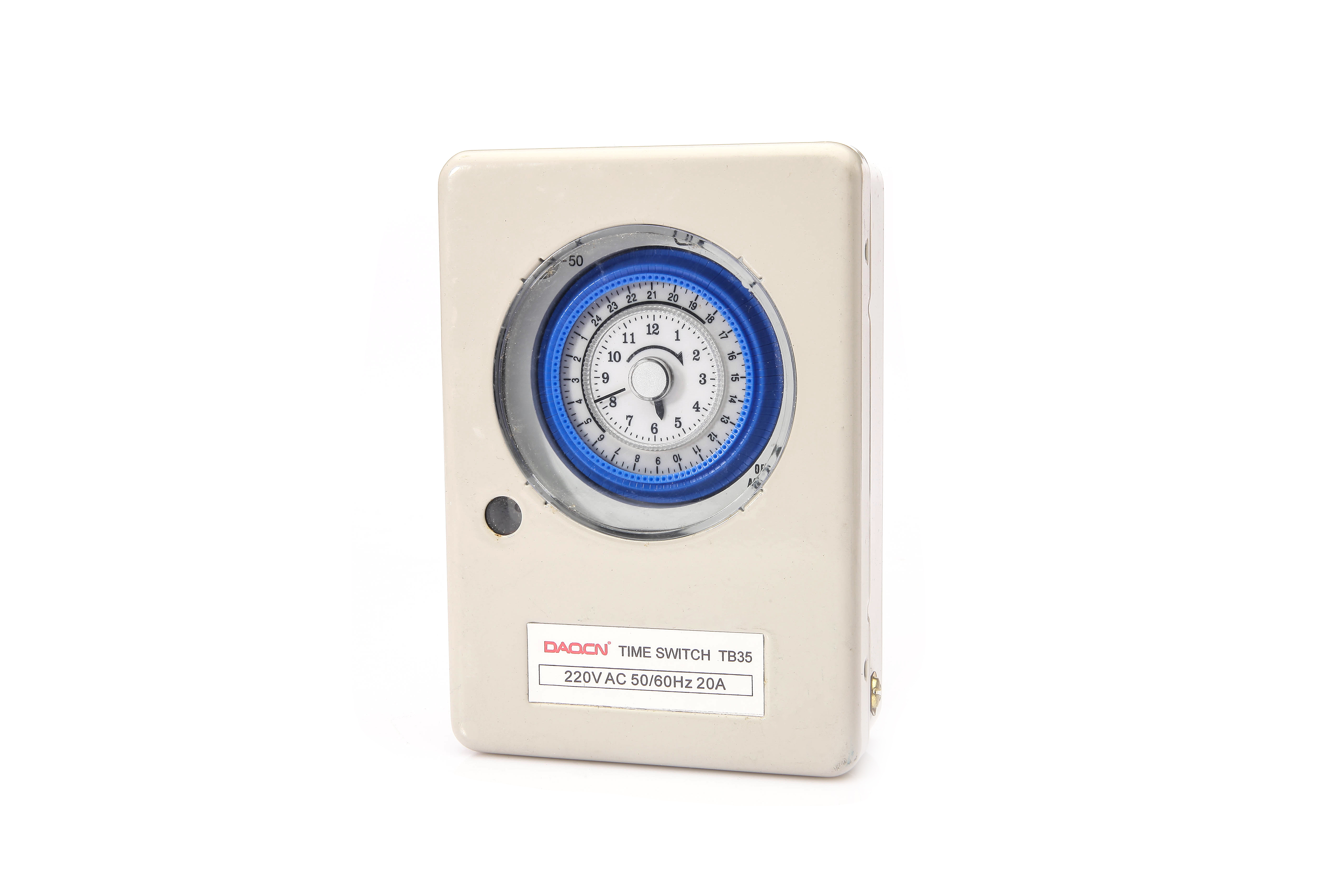
The digital transformation of traditional kitchen tools has reached a pivotal moment in 2025, with kitchen timer apps becoming increasingly popular among home cooks, professional chefs, and culinary enthusiasts. The shift from physical timer devices to smartphone applications represents more than just technological adoption—it reflects changing lifestyle patterns, cooking habits, and the need for enhanced multitasking capabilities in modern kitchens.
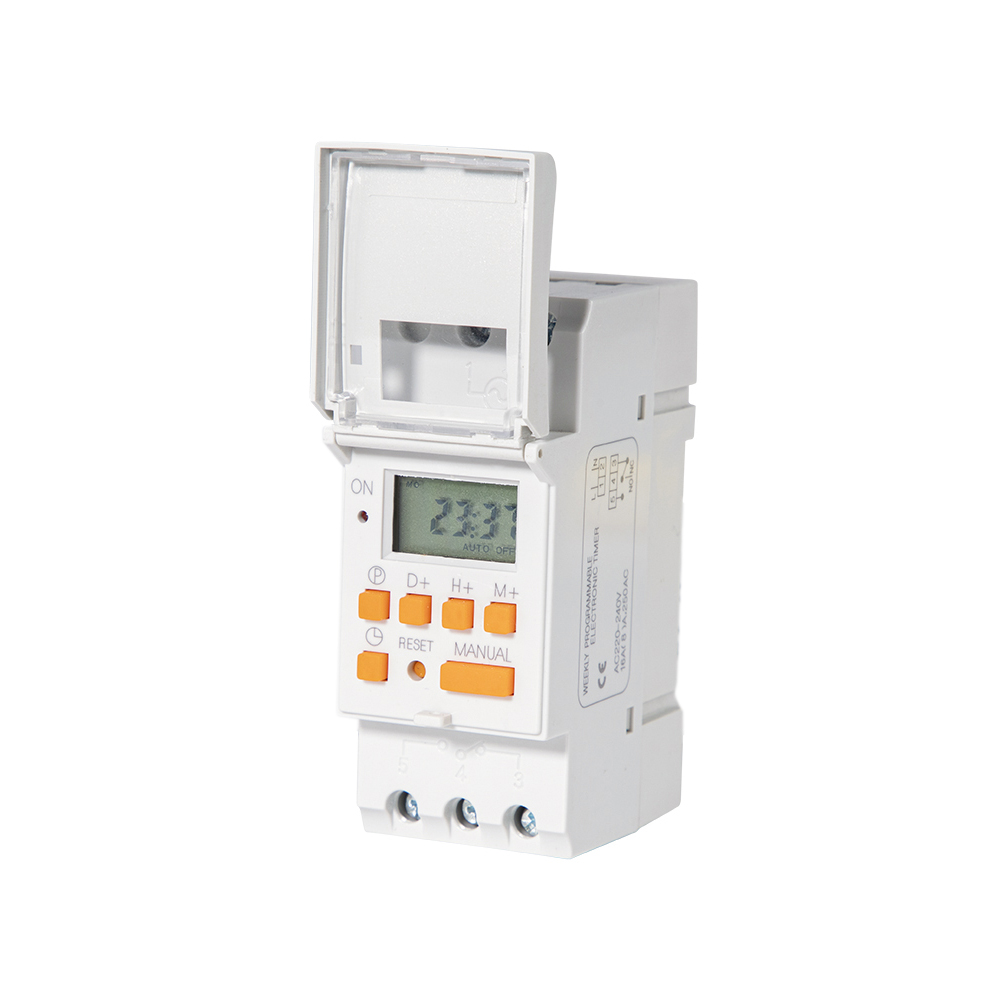
Understanding why people gravitate toward kitchen timer apps reveals deeper insights into contemporary cooking behaviors and the evolving relationship between technology and culinary practices. These applications have transcended simple countdown functionality, offering sophisticated features that address complex cooking scenarios, meal preparation workflows, and time management challenges that traditional timer solutions cannot adequately handle.
Enhanced Convenience and Accessibility Drives Adoption
Smartphone Integration Benefits
The primary reason people choose kitchen timer apps stems from the universal presence of smartphones in daily life. Unlike standalone timer devices that can be misplaced or forgotten, smartphones remain constantly accessible, making timer functionality immediately available whenever needed. This integration eliminates the need to search for physical timer devices, reducing friction in cooking workflows and ensuring timing tools are always within reach.
Modern kitchen timer apps leverage smartphone capabilities to provide enhanced user experiences through intuitive touch interfaces, customizable alert tones, and visual countdown displays. The familiar smartphone environment reduces learning curves associated with new timer devices, allowing users to quickly adapt and utilize timing features without extensive setup or configuration processes.
Additionally, smartphone timer apps benefit from regular software updates that introduce new features, bug fixes, and performance improvements. This ongoing enhancement cycle ensures users receive evolving functionality without purchasing new hardware, making timer apps a cost-effective solution for kitchen timing needs.
Multiple Timer Management Capabilities
Kitchen timer apps excel at managing multiple simultaneous countdown timers, addressing a critical limitation of traditional single-function timer devices. Modern cooking often involves coordinating various dishes with different cooking durations, requiring multiple timer tracking to ensure optimal timing coordination across complex meal preparation scenarios.
These applications typically allow users to create, label, and monitor numerous independent timer instances, each with custom durations and alert settings. This capability proves particularly valuable for elaborate cooking projects involving multiple courses, baking operations with different oven temperatures, or meal preparation requiring sequential cooking steps with precise timing intervals.
The visual organization of multiple timers within a single interface provides clear oversight of all active timing operations, reducing mental load and preventing timing confusion that can occur when managing several physical timer devices simultaneously.
Advanced Features Address Complex Cooking Scenarios
Customizable Alert Systems
Kitchen timer apps offer sophisticated alert customization options that surpass basic buzzer sounds found in traditional timer devices. Users can select from diverse notification types including ringtones, vibrations, visual alerts, and even custom audio files that suit personal preferences and kitchen environments.
These customizable alerts become particularly important in noisy kitchen environments where standard timer sounds might be masked by appliance noise, running water, or conversation. The ability to configure distinct alert patterns for different timer types helps users immediately identify which cooking operation requires attention without checking timer displays.
Many apps also support graduated alert escalation, starting with gentle notifications that increase in intensity if not acknowledged. This feature prevents overcooking incidents when users are temporarily away from the kitchen or engaged in other activities that might delay immediate response to timer alerts.
Recipe Integration and Cooking Guidance
Modern kitchen timer apps increasingly integrate with recipe platforms and cooking applications, automatically setting appropriate timer values based on recipe instructions. This integration eliminates manual timer calculation and reduces errors associated with misreading cooking times or forgetting to set timing alerts during recipe execution.
Some applications provide cooking stage notifications that guide users through complex recipes by automatically transitioning between different timing phases. For example, a timer app might alert users when to add ingredients, adjust cooking temperatures, or begin preparation of accompanying dishes based on coordinated timing schedules.
These intelligent features transform timer apps from simple countdown tools into comprehensive cooking assistants that support recipe execution, ingredient timing, and meal coordination activities that enhance overall cooking success rates.
Lifestyle and Behavioral Factors Influence Preference
Multitasking and Kitchen Mobility
Contemporary cooking styles emphasize multitasking efficiency, with home cooks frequently moving between kitchen areas, managing household activities, or working from home while preparing meals. Kitchen timer apps support this mobility by maintaining timer accessibility regardless of physical location within the home environment.
Unlike stationary timer devices that remain fixed in specific kitchen locations, smartphone timer apps enable users to monitor cooking progress while attending to other responsibilities, checking emails, or managing family activities. This flexibility proves particularly valuable for busy professionals and parents who must balance cooking responsibilities with other demanding tasks.
The ability to receive timer notifications through smartwatch integration or other connected devices further extends this mobility advantage, ensuring users remain aware of cooking progress even when smartphones are not immediately accessible.
Digital Habit Integration
Kitchen timer app adoption reflects broader digital lifestyle patterns where smartphone applications serve as primary tools for organization, scheduling, and task management. Users who rely on mobile apps for calendar management, fitness tracking, and productivity optimization naturally extend this digital dependency to cooking and kitchen activities.
This integration creates seamless workflows where cooking timer notifications appear alongside other important alerts and reminders within unified notification systems. The consolidation of all timing needs within familiar smartphone interfaces reduces cognitive load associated with managing multiple different devices and alert systems.
Additionally, many users appreciate the consistency of interaction patterns between timer apps and other frequently used smartphone applications, minimizing learning requirements and leveraging established digital habits for cooking activities.
Technical Advantages Over Traditional Timer Solutions
Precision and Reliability Improvements
Kitchen timer apps benefit from smartphone processor accuracy that typically exceeds the precision of mechanical timer devices or basic digital timers. Smartphone-based timing systems maintain consistent accuracy over extended periods without the drift or calibration issues that can affect traditional timer mechanisms.
These applications also provide backup and synchronization capabilities that preserve timer states during device restarts, app crashes, or power interruptions. Cloud synchronization features ensure timer configurations and preferences remain accessible across multiple devices, providing continuity that physical timer devices cannot match.
The software-based nature of timer apps enables automatic time zone adjustments, daylight saving time corrections, and other temporal accuracy features that ensure consistent performance regardless of geographic location or seasonal time changes.
Data Tracking and Cooking Analytics
Advanced kitchen timer apps capture cooking timing data that enables users to analyze cooking patterns, identify optimal timing strategies, and improve overall culinary efficiency. This data collection capability provides insights into cooking habits that help users refine their timing techniques and develop more effective meal preparation routines.
Some applications track frequently used timer durations, cooking method preferences, and timing accuracy patterns to provide personalized recommendations for future cooking sessions. This analytical capability transforms basic timing tools into learning systems that adapt to individual cooking styles and preferences over time.
The historical data maintained by timer apps also supports recipe development activities, allowing users to document successful timing combinations and replicate effective cooking approaches for consistent results across multiple cooking sessions.
FAQ
Are kitchen timer apps more accurate than traditional digital timers?
Kitchen timer apps typically offer superior accuracy compared to traditional digital timers due to smartphone processor precision and automatic calibration systems. While the practical difference may be minimal for most cooking applications, timer apps maintain consistent accuracy over time without the battery degradation or mechanical drift that can affect standalone timer devices.
Do kitchen timer apps work when phones are in silent mode?
Most kitchen timer apps can override silent mode settings to ensure cooking alerts remain audible during critical timing moments. Users can typically configure timer notifications to bypass do-not-disturb settings while maintaining silence for other app notifications. However, specific behavior varies between different timer applications and smartphone operating systems, so users should verify alert functionality during initial setup.
Can kitchen timer apps run multiple timers simultaneously without affecting performance?
Modern smartphones easily handle multiple simultaneous timer operations without performance degradation, as timer applications require minimal processing resources. Most quality timer apps support dozens of concurrent timers while maintaining accurate countdown functionality and reliable alert delivery. The primary limitation typically involves user interface organization rather than technical capability.
Do kitchen timer apps drain smartphone battery significantly?
Kitchen timer apps consume minimal battery power during normal operation, as they primarily utilize smartphone background processing capabilities that are already active for other system functions. Most timer apps implement efficient power management strategies that minimize battery impact while maintaining reliable timing accuracy. Users typically notice no significant battery drain from timer app usage during typical cooking sessions.