 EN
EN

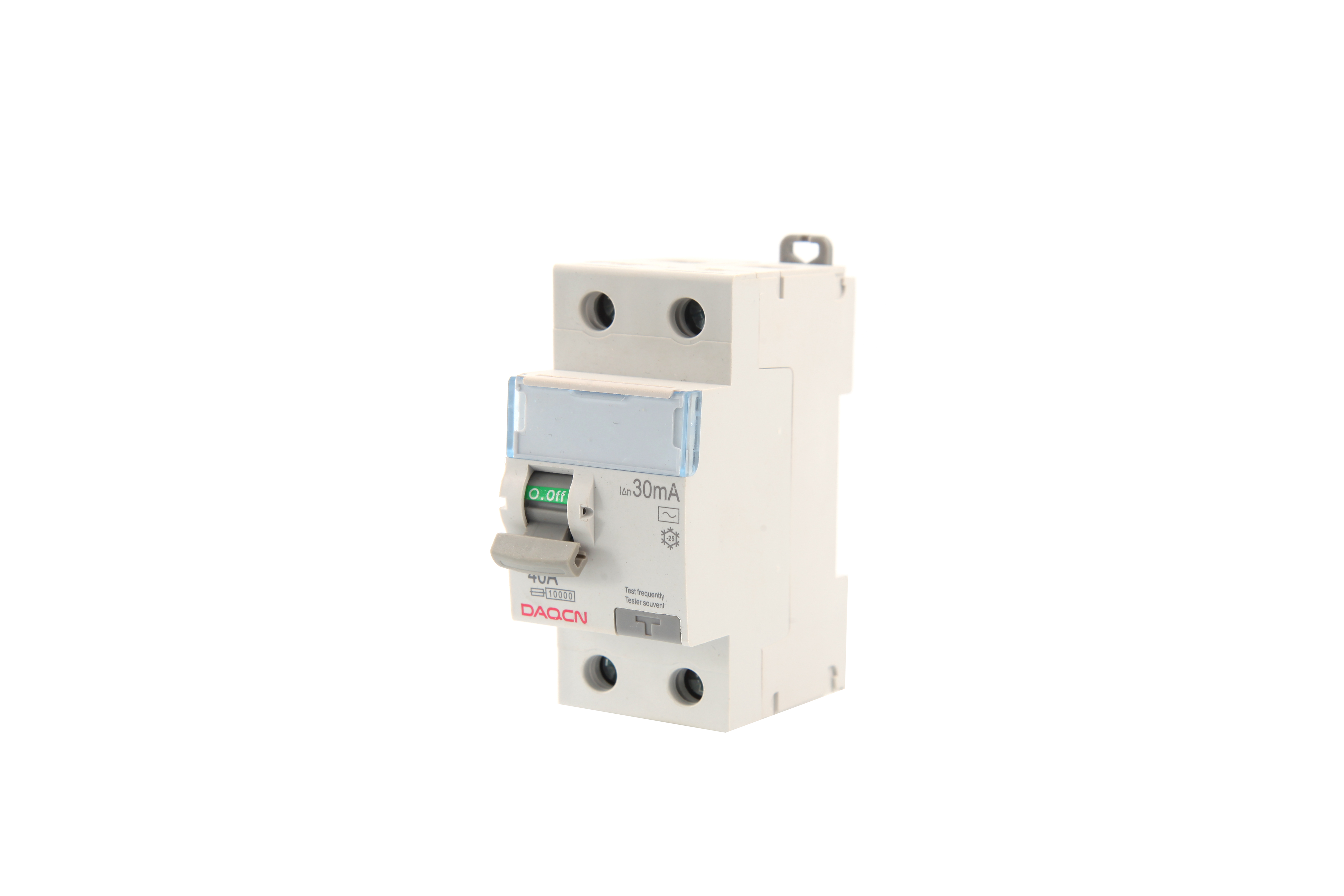
Modern homeowners increasingly seek intelligent solutions that enhance convenience, security, and energy efficiency. The integration of smart technology into residential environments has transformed how we interact with our living spaces, making daily routines more streamlined and responsive to our needs. Among the various smart home technologies available today, the wifi switch stands out as a foundational component that bridges traditional electrical systems with contemporary automation capabilities.
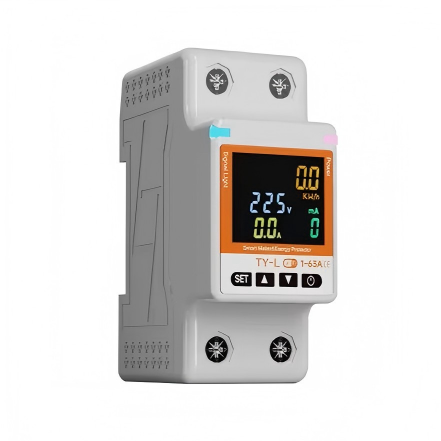
The decision to implement a wifi switch system represents more than just a technological upgrade; it signifies a strategic investment in creating a more responsive and intelligent home environment. This wireless control technology offers compelling advantages that address real-world challenges faced by homeowners, from energy management concerns to security vulnerabilities and accessibility limitations. Understanding these benefits helps clarify why wifi switch technology has become essential for comprehensive smart home control strategies.
Enhanced Convenience and Accessibility
Remote Control Capabilities
The primary advantage of implementing a wifi switch lies in its ability to provide seamless remote control over electrical devices and lighting systems. Unlike traditional mechanical switches that require physical presence, a wifi switch enables homeowners to manage their electrical systems from anywhere within their home network range or even from distant locations through internet connectivity. This capability proves particularly valuable for individuals with mobility challenges or those managing large residential properties where reaching every switch becomes impractical.
Remote control functionality extends beyond simple on-off operations, encompassing advanced features such as dimming controls, scheduling capabilities, and integration with voice assistants. The wifi switch technology allows users to create customized lighting scenes, adjust brightness levels according to specific activities, and establish automated routines that align with daily schedules. These features transform how residents interact with their home environment, making adjustments effortless and intuitive.
Voice Integration and Smart Assistant Compatibility
Modern wifi switch systems seamlessly integrate with popular voice assistants, enabling hands-free control that enhances accessibility for all family members. This integration allows users to operate lights, fans, and other connected devices using natural voice commands, eliminating the need to locate physical switches or navigate mobile applications. The convenience becomes particularly apparent when hands are occupied with other tasks or when immediate lighting adjustments are needed during nighttime hours.
Voice control capabilities also support complex commands that can activate multiple wifi switch units simultaneously, creating comprehensive lighting scenes or powering down entire sections of the home with single instructions. This functionality proves especially beneficial for elderly residents or individuals with disabilities who may experience difficulty reaching traditional switch locations. The responsive nature of voice-controlled wifi switch systems ensures that home automation remains accessible and user-friendly regardless of individual physical capabilities.
Energy Efficiency and Cost Management
Intelligent Scheduling and Automation
The implementation of wifi switch technology significantly improves household energy efficiency through intelligent scheduling capabilities that eliminate wasteful electricity consumption. Unlike conventional switches that rely entirely on manual operation, a wifi switch can be programmed to automatically control connected devices based on predetermined schedules, occupancy patterns, and environmental conditions. This automation ensures that lights, fans, and other electrical appliances operate only when needed, reducing unnecessary energy expenditure.
Advanced wifi switch models incorporate sophisticated sensors and algorithms that learn household usage patterns over time, automatically adjusting operational schedules to optimize energy consumption. These systems can detect when rooms are unoccupied and automatically power down connected devices, then restore normal operation when occupancy is detected. The cumulative effect of such intelligent management translates into measurable reductions in monthly electricity bills while maintaining optimal comfort levels throughout the home.
Real-Time Monitoring and Usage Analytics
Many wifi switch systems provide detailed energy monitoring capabilities that offer valuable insights into household consumption patterns and identify opportunities for further efficiency improvements. These monitoring features track individual device usage, peak consumption periods, and overall energy trends, presenting this information through intuitive mobile applications and web interfaces. Access to such detailed analytics enables homeowners to make informed decisions about their energy usage and identify devices or habits that contribute disproportionately to electricity costs.
The data collected by wifi switch monitoring systems also supports long-term energy planning and budgeting efforts. Homeowners can track the effectiveness of conservation measures, evaluate the impact of seasonal changes on energy consumption, and set realistic targets for reducing their environmental footprint. This comprehensive approach to energy management transforms the wifi switch from a simple control device into an intelligent energy management partner that supports sustainable living practices.
Security and Safety Enhancement
Automated Security Lighting
The security benefits of wifi switch technology extend far beyond basic lighting control, encompassing sophisticated features that enhance home protection and occupant safety. Automated security lighting systems powered by wifi switch technology can simulate occupancy patterns when residents are away, creating the appearance of normal household activity to deter potential intruders. These systems can randomly vary lighting schedules, adjust brightness levels, and coordinate with outdoor security lighting to create comprehensive protection coverage.
Integration with motion sensors and security cameras allows wifi switch systems to respond dynamically to potential security threats, automatically illuminating specific areas when unusual activity is detected. This responsive capability provides both deterrent effects and practical benefits for homeowners returning after dark. The ability to remotely monitor and control security lighting through wifi switch technology offers peace of mind for travelers and provides immediate response capabilities for security concerns.
Emergency Response and Safety Features
Safety considerations make wifi switch technology particularly valuable for households with elderly residents, young children, or individuals with special needs. Emergency lighting protocols can be established that automatically activate essential lighting throughout evacuation routes when smoke detectors or security systems are triggered. This automated response ensures that occupants can safely navigate their homes during emergency situations, regardless of the time of day or their familiarity with manual switch locations.
Advanced wifi switch systems also incorporate overload protection features and electrical fault detection capabilities that enhance overall household electrical safety. These systems can identify unusual electrical patterns, excessive current draw, or potential wiring issues, providing early warning alerts that help prevent electrical fires or equipment damage. The combination of intelligent monitoring and remote control capabilities positions wifi switch technology as a comprehensive safety enhancement tool that protects both property and occupants.
Integration and Scalability Advantages
Seamless Smart Home Ecosystem Integration
The true value of wifi switch technology emerges through its ability to serve as a central component within broader smart home ecosystems. Modern wifi switch systems support multiple communication protocols and standards, ensuring compatibility with diverse smart home devices, security systems, and automation platforms. This interoperability allows homeowners to create comprehensive automation scenarios that coordinate lighting, climate control, security systems, and entertainment devices through unified control interfaces.
Integration capabilities extend to popular smart home platforms and third-party applications, enabling wifi switch systems to participate in complex automation routines that respond to various triggers and conditions. For example, a wifi switch can coordinate with smart thermostats to adjust lighting based on occupancy patterns, work with security systems to implement vacation lighting modes, or integrate with weather services to modify outdoor lighting based on seasonal daylight patterns. This level of integration transforms individual wifi switch units into intelligent nodes within sophisticated home automation networks.
Future-Proof Expandability
The modular nature of wifi switch technology provides excellent scalability options for homeowners who want to gradually expand their smart home capabilities over time. Initial installations can focus on high-impact areas such as main living spaces or security-critical zones, with additional wifi switch units added as budgets and needs evolve. This incremental approach allows homeowners to experience the benefits of smart home technology without requiring substantial upfront investments or comprehensive electrical system modifications.
Firmware update capabilities ensure that wifi switch systems remain current with evolving smart home standards and security protocols. Regular updates can add new features, improve compatibility with emerging devices, and enhance system performance without requiring hardware replacements. This future-proof approach protects the investment in wifi switch technology while ensuring continued compatibility with advancing smart home ecosystems and changing household needs.
FAQ
How difficult is it to install a wifi switch in an existing home?
Installing a wifi switch in an existing home typically requires basic electrical knowledge and standard household tools. Most wifi switch models are designed to replace conventional wall switches using existing wiring infrastructure, making installation straightforward for homeowners comfortable with basic electrical work. However, installations involving multiple switches, three-way configurations, or homes with older wiring systems may require professional electrical assistance to ensure safety and proper functionality.
What happens to wifi switch functionality during internet outages?
Modern wifi switch systems are designed to maintain basic functionality even when internet connectivity is temporarily unavailable. Local network communication between the switch and connected devices typically continues to operate, allowing manual control through dedicated apps and maintaining programmed schedules. However, remote access from outside the home network and cloud-based features such as voice assistant integration will be temporarily unavailable until internet service is restored.
Are wifi switches compatible with all types of electrical loads?
Most wifi switch models are designed to handle standard residential electrical loads including LED lighting, incandescent bulbs, and small appliances. However, compatibility varies depending on the specific wifi switch model and the electrical characteristics of connected devices. High-current appliances, motors, or specialized lighting systems may require specific switch ratings or dedicated smart control devices. Checking manufacturer specifications and electrical load requirements ensures proper compatibility and safe operation.
How secure are wifi switches against hacking or unauthorized access?
Reputable wifi switch manufacturers implement multiple security layers including WPA2/WPA3 encryption, secure authentication protocols, and regular firmware updates to protect against unauthorized access. Additional security measures include network isolation capabilities, guest network compatibility, and device-specific access controls. Homeowners can enhance security by using strong network passwords, keeping firmware updated, and configuring appropriate network security settings on their wireless routers.