 EN

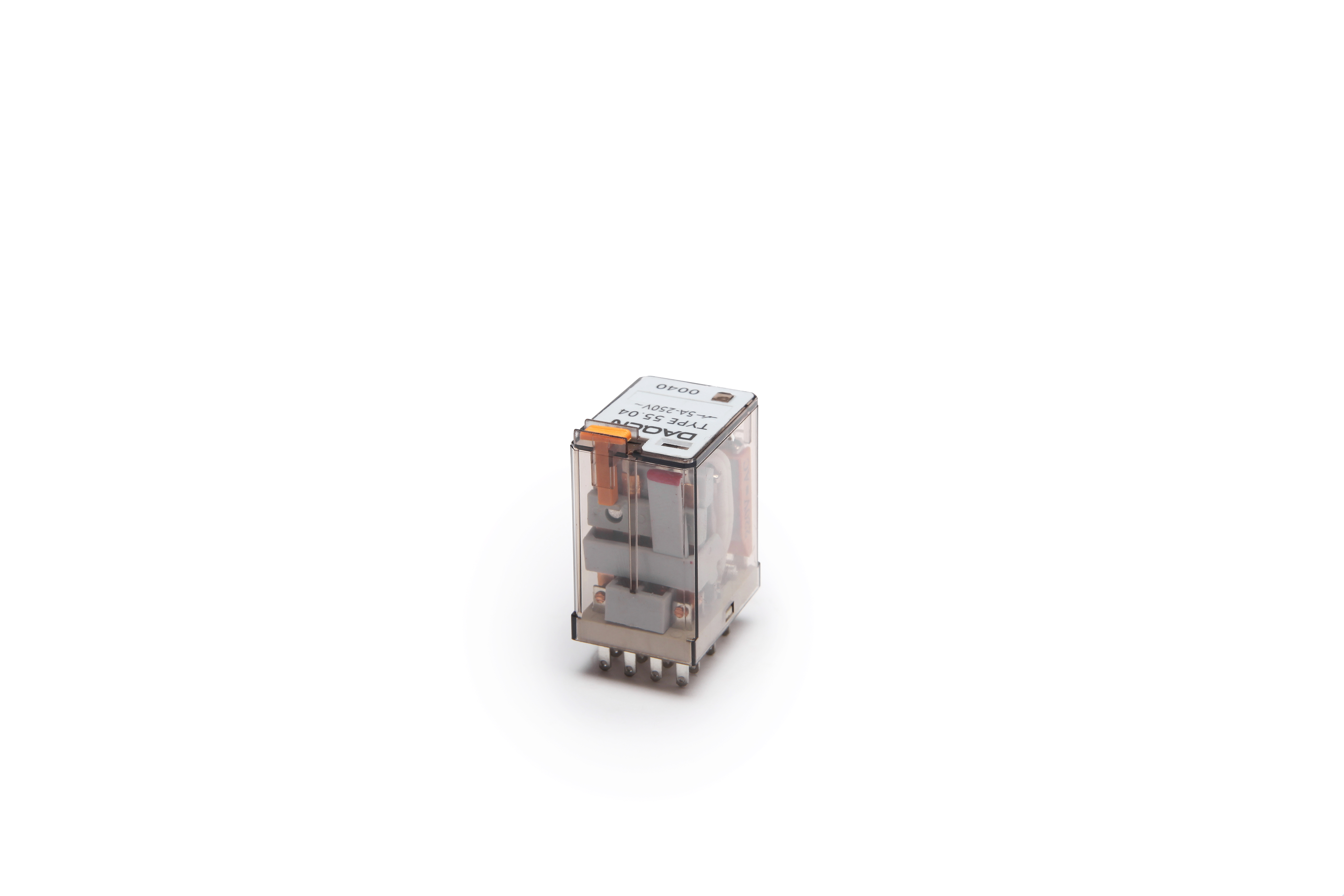
A blown fuse is one of the most common electrical failures in industrial and residential settings, and knowing when to replace it can prevent costly downtime and safety hazards. However, simply replacing a fuse without understanding the underlying cause often leads to repeated failures. The critical question in 2025 is not just whether to replace a blown fuse, but when and how to do so properly while integrating modern protection systems. Understanding the timing, causes, and role of protective devices like a relay in circuit management is essential for making informed decisions about electrical safety and system reliability.
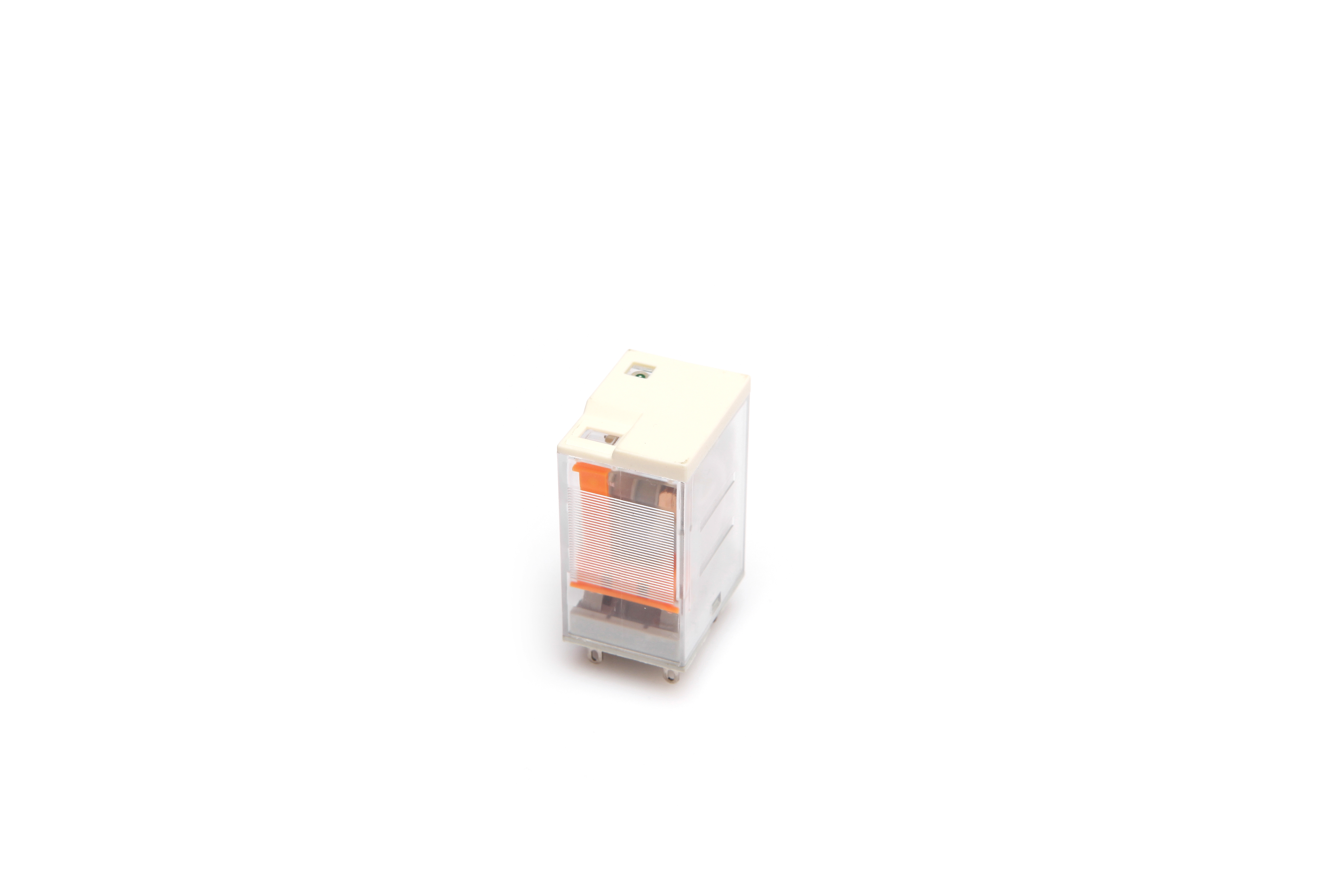
The evolution of electrical protection technology means that today's decisions about fuse replacement involve more than just swapping out a component. A modern relay system, combined with surge protective devices and intelligent monitoring, creates a comprehensive approach to circuit protection that determines when and why fuses blow in the first place. This integrated perspective helps facility managers, electricians, and equipment operators understand the true indicators of when to replace a blown fuse and how preventive measures can reduce future occurrences.
Understanding When Fuse Replacement Becomes Necessary
Identifying Immediate Failure Signs
A blown fuse requires immediate replacement when you observe clear failure indicators such as a darkened or broken filament inside the fuse housing, a burning smell near the electrical panel, or visible scorch marks around the fuse socket. The relay controlling the circuit may also show signs of wear or arcing damage. Immediate replacement becomes critical when power to essential equipment is lost or when circuit breakers repeatedly trip after fuse replacement. These signs indicate that the fuse was performing its intended function by interrupting dangerous overcurrent conditions, and prompt action prevents secondary damage to connected devices and wiring.
Recognizing Recurring Failure Patterns
If you experience repeated blown fuses in the same circuit within days or weeks, replacement alone will not solve the problem. This pattern suggests an underlying issue such as a short circuit, an undersized conductor, equipment drawing excessive current, or a malfunctioning relay control system. Replacing a blown fuse without addressing the root cause creates a dangerous cycle of repeated failures. A properly functioning relay should coordinate with the fuse to isolate faults before overcurrent develops, so recurring failures point to either relay malfunction or an electrical load problem that demands professional investigation before proceeding with fuse replacement.
Timing and Operational Context for Fuse Replacement Decisions
Replacement Timing Based on Operational Needs
The optimal timing to replace a blown fuse depends on whether the protected circuit supports critical or non-critical operations. Critical circuits such as emergency lighting, fire suppression control systems, or medical equipment require immediate replacement as soon as a fuse failure is detected. Non-critical circuits such as general facility lighting or secondary pumping systems can typically be scheduled for replacement during planned maintenance windows. A relay serving these circuits should be checked simultaneously to ensure it has not been damaged by the overcurrent event that caused the fuse to blow. Emergency replacement procedures should always be established in advance so that personnel know exactly when replacement is mandatory versus when replacement can be deferred.
Seasonal and Environmental Considerations
Environmental factors in 2025 influence when you should replace a blown fuse. High-temperature seasons may cause temporary voltage fluctuations that stress circuits; if a fuse blows during peak heat, replacement should be preceded by voltage and load verification to prevent recurrence. Moisture-heavy seasons can increase ground fault risks that trip fuses and relays more frequently than normal. Facilities in areas with unstable power grids may experience voltage transients that damage fuses and relay coils regularly, making a robust surge protective device and relay monitoring system essential alongside timely fuse replacement. Understanding these seasonal patterns helps determine whether replacement is a one-time event or part of a larger equipment upgrade strategy.
Integrating Modern Protection Systems with Fuse Replacement Strategy
Role of Relay Coordination in Prevention
A modern relay system is designed to operate in close coordination with fuses to minimize unnecessary fuse replacement and prevent cascading failures. The relay detects overcurrent conditions and can clear faults before the fuse must operate, extending fuse life and reducing replacement frequency. When a fuse does blow, it indicates that the relay either malfunctioned, was bypassed, or faced a fault condition that exceeded its rated protection capability. Evaluating relay performance every time you replace a blown fuse ensures that the protection scheme functions as intended. Facilities that upgrade to intelligent relay systems with monitoring capabilities can predict fuse stress patterns and schedule replacement proactively rather than reacting to failures.
Surge Protection Device Integration
Modern surge protective devices work alongside fuses and relay systems to manage transient voltage spikes that can damage equipment and cause fuse failures. When considering when to replace a blown fuse, assessing whether surge protection is present in the circuit is crucial. If transient voltages are causing repeated fuse failures despite a functioning relay, installing a surge protective device upstream of the fuse can eliminate the root cause and reduce replacement frequency dramatically. Many industrial facilities now pair fuse replacement procedures with surge protective device inspection to ensure comprehensive circuit protection. A surge protective device that clamps voltage transients effectively may mean you never need to replace that fuse again for the same reason it failed previously.
Diagnostic Testing Before and After Replacement
Best practice for fuse replacement in 2025 includes diagnostic testing to confirm that replacement will resolve the issue without creating new problems. Before replacing a blown fuse, verify that the relay has reset properly and that no ground faults exist in connected equipment. After replacement, measure voltage across the new fuse under load to confirm that current distribution is normal and that the relay is responding correctly to circuit demands. Use a multimeter to check for continuity and resistance in the circuit, and inspect the fuse socket and contacts for corrosion or damage that could cause the replacement fuse to fail prematurely. Testing transforms fuse replacement from a reactive quick-fix into a deliberate maintenance action that strengthens overall system reliability.
FAQ
How do you know if a fuse needs replacement versus a relay reset?
A blown fuse always requires physical replacement because its internal filament is permanently severed and cannot conduct current again. A tripped relay, by contrast, can typically be reset manually or automatically once the overcurrent condition is cleared. If your circuit breaker trips but the fuse is intact, the relay has responded correctly and only needs resetting. If the fuse is dark or broken inside, replacement is mandatory. Always inspect both the fuse and relay when troubleshooting circuit failures to determine which component actually failed and needs attention.
Can you replace a fuse with a higher-rated fuse to prevent frequent replacement?
No, replacing a blown fuse with a higher-rated fuse is dangerous and defeats the purpose of fuse protection. Fuses are sized to match the wire gauge and relay setting to protect the circuit from dangerous overcurrent levels. Oversizing a fuse increases the risk of wire damage, equipment failure, and fire before the fuse operates. If you are experiencing frequent fuse failures, the solution is to investigate and correct the underlying cause such as an equipment malfunction or improper relay calibration, not to upsize the fuse. Professional electricians always respect the original fuse rating specified in the system design.
What is the relationship between a relay and fuse replacement frequency?
A properly functioning relay should significantly reduce how often you need to replace a fuse because the relay clears most faults before overcurrent builds to the level where the fuse must operate. If you are replacing fuses frequently, suspect relay malfunction, improper calibration, or a missing surge protective device. A relay that coordinates correctly with the fuse creates a two-stage protection system where the relay handles temporary overcurrent events and the fuse protects only against sustained overload. Improving relay performance through maintenance or upgrading to a modern intelligent relay system can reduce fuse replacement from a monthly event to a rare occurrence.