 EN

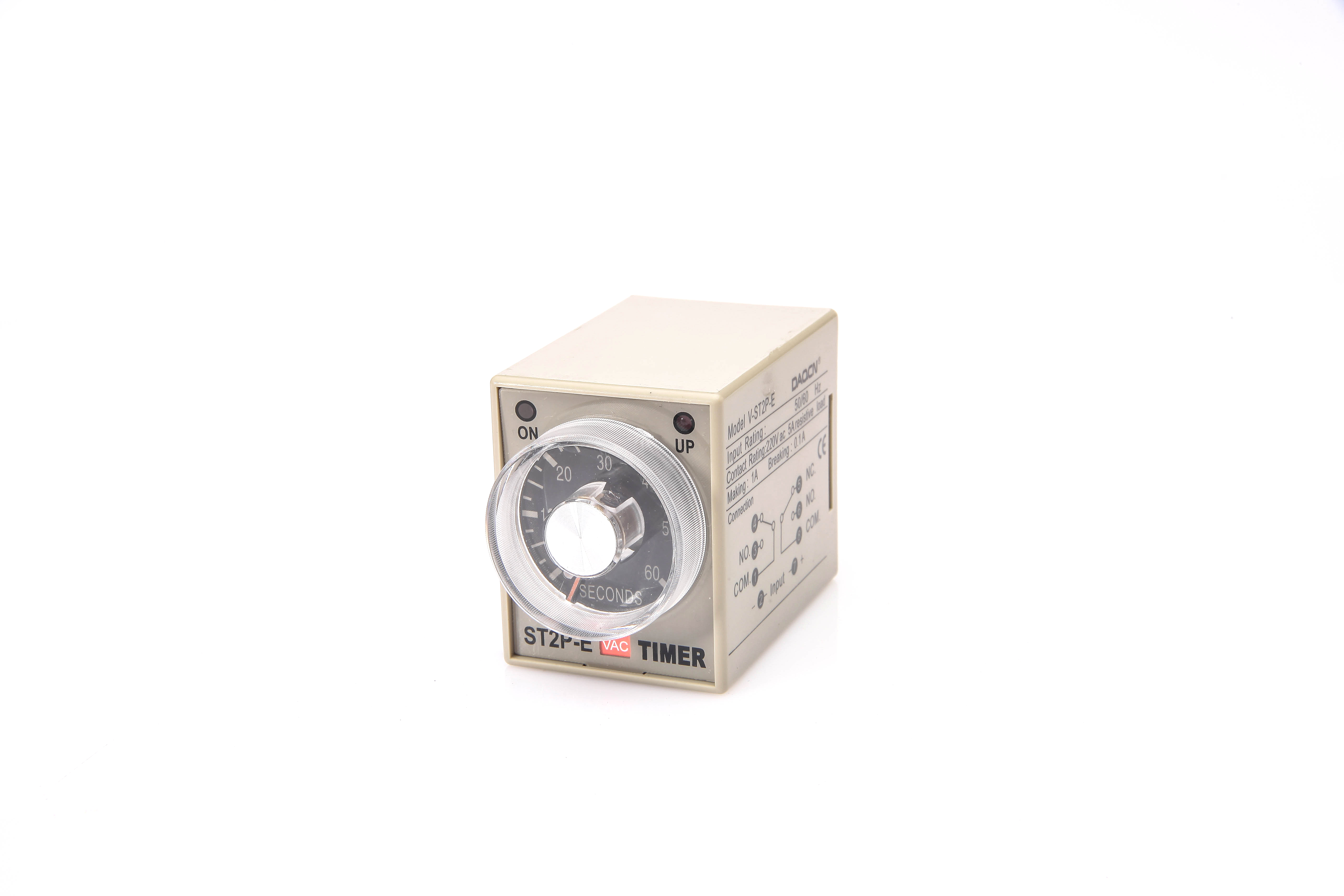
Precision timing is fundamental to industrial automation, and achieving accurate delay control depends on understanding how timer relay settings function. A timer relay provides the foundation for controlling equipment sequences, protecting circuits, and synchronizing operations across manufacturing environments. The right timer relay time setting transforms a basic electrical component into a critical control instrument that ensures processes execute with millisecond precision.
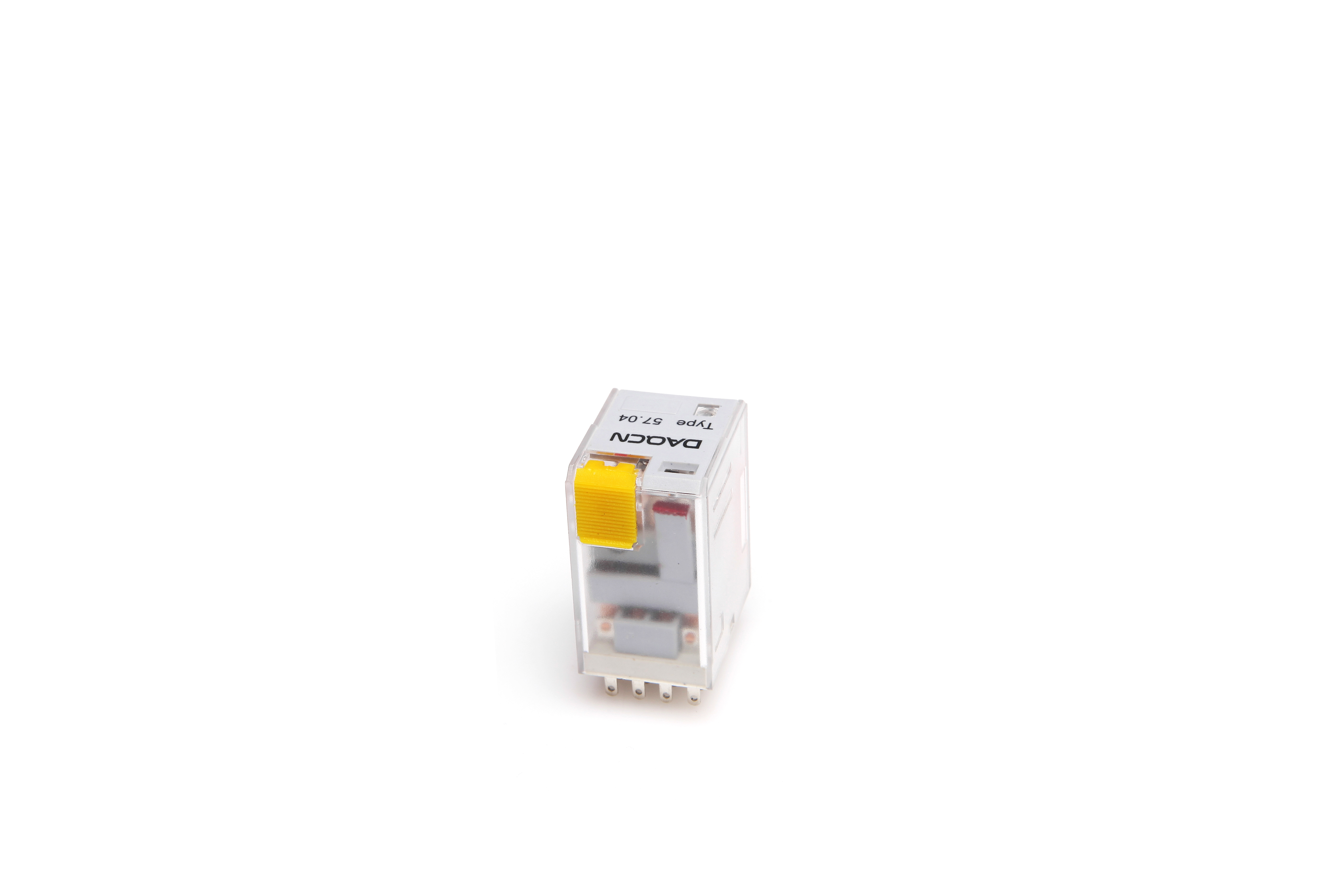
Industrial facilities rely on timer relay delay settings to orchestrate everything from motor startup sequences to emergency shutdown procedures. Whether you are designing a control panel, upgrading automation equipment, or troubleshooting timing issues, understanding the available timer relay timing range and configuration options is essential. This guide explores the specific settings that enable precise delay control and explains how to optimize your timer relay configuration for reliable industrial operation.
Understanding Timer Relay Delay Setting Fundamentals
Core Components of Timer Relay Settings
Every adjustable timer relay contains three primary setting elements: the time range selector, the dial adjustment mechanism, and the trigger activation circuit. The time range determines which scale the timer relay operates on, while the dial fine-tunes the exact delay within that range. Industrial-grade timer relays typically offer multiple ranges to accommodate both rapid micro-second delays and extended timing periods spanning hours. Understanding how these components interact helps you select the correct timer relay delay setting for your specific application requirements.
The timer relay time setting interface usually includes a rotary dial graduated in fixed increments. These markings correspond to different delay durations within the selected timer relay timing range. Precision depends on both the mechanical accuracy of the dial and the quality of the relay's internal timekeeping mechanism. For applications requiring sub-second response, ensure your adjustable timer relay specifications match or exceed your timing tolerance requirements.
Setting Range Boundaries and Practical Limits
Timer relay timing range selections typically span from 0.1 seconds to 24 hours across multiple discrete settings. Each range operates independently, meaning a timer relay delay setting on the one-second range produces different results than the same dial position on the one-minute range. Industrial operators must first select the appropriate timer relay timing range bracket before fine-tuning the dial. Misunderstanding this distinction causes common configuration errors that lead to either missed timing or excessive delays in production sequences.
Modern timer relays often feature printed scales that clearly mark the timer relay time setting positions alongside their corresponding delay durations. Documentation accompanying your adjustable timer relay should specify the exact resolution and accuracy of each timing range. For critical applications, verify these specifications against your process requirements before installation.
Configuring Timer Relay Delay Settings for Specific Applications
Selecting the Correct Timer Relay Timing Range
Choosing the right timer relay timing range requires analyzing your specific delay requirement first. If your process needs a 2-second delay, selecting the 24-hour range would place your dial adjustment in the lowest portion of the scale, reducing precision and making field adjustments difficult. Conversely, selecting a 0.1-to-10-second range keeps the dial adjustment in an optimal operating zone where small turns produce meaningful time changes. This alignment between application need and timer relay delay setting range improves both accuracy and usability during commissioning and maintenance.
Common industrial scenarios include motor soft-start applications requiring 1-to-5-second delays, cooling system activation needing 30-to-60-second pauses, and emergency discharge sequences demanding precise sub-second timing. Each scenario benefits from selecting a timer relay timing range that positions the required delay in the middle third of the available dial. This practice maximizes the effective resolution of your adjustable timer relay and simplifies future adjustments.
Fine-Tuning Dial Adjustments for Precision
Once you have selected the appropriate timer relay timing range, the dial adjustment process determines your actual delay duration. Rotate the dial slowly while observing any markings or pointer positions on the timer relay face. Most adjustable timer relays use a simple rotational mechanism where clockwise rotation increases the delay. Start with a conservative setting, test the timing under actual operating conditions, and make incremental adjustments based on observed performance rather than guessing final positions.
For critical applications, perform multiple test cycles to verify that your timer relay time setting remains stable across temperature fluctuations and electrical variations. Some industrial environments experience significant temperature swings that can slightly affect relay timing. Document the exact dial position for your preferred timer relay delay setting so future technicians can quickly replicate the configuration if maintenance becomes necessary.
Advanced Considerations for Timer Relay Time Setting Optimization
Accounting for Environmental and Load Factors
Timer relay performance characteristics can shift based on ambient temperature, supply voltage variations, and the electrical load on controlled circuits. An adjustable timer relay calibrated at room temperature in a laboratory may exhibit different timing behavior in a hot industrial facility operating on unstable power. Account for these variables by testing your timer relay delay setting under the actual operating environment. Some applications benefit from selecting a slightly more conservative timer relay timing range that provides greater tolerance for environmental variations.
Industrial best practices recommend periodic verification of timer relay time setting accuracy every 6 to 12 months for critical applications. Use simple test equipment or process observation to confirm that your adjusted delays still match system requirements. Documenting these verification results provides a valuable record showing whether your timer relay continues delivering the intended performance.
Integrating Multiple Timer Relays for Complex Sequences
Advanced automation systems often use multiple timer relays operating in cascade to create complex timing sequences. Each individual timer relay delay setting contributes to the overall workflow, and cumulative errors can compound if settings are not carefully managed. When configuring multiple adjustable timer relays for sequential operations, calculate the total timing budget and allocate specific timer relay timing range selections that allow adequate precision for each step. Test the complete sequence under realistic operating conditions to verify that process flow meets specification.
FAQ
What is the difference between timer relay delay settings and timer relay timing ranges?
Timer relay timing ranges define the overall span of possible delays available on a specific relay model, such as 0.1 to 10 seconds or 1 to 60 minutes. Timer relay time setting refers to the specific dial position you select within that range to achieve your desired delay. The range acts as a coarse selector while the timer relay delay setting provides fine adjustment within that bracket.
How do I verify that my adjustable timer relay is functioning according to its time setting?
Test your timer relay by sending a trigger signal and measuring the actual delay before the output activates using a stopwatch or industrial timer. Compare this measured delay to your configured timer relay time setting. Perform multiple test cycles to account for measurement variation. If results consistently differ from the setting, recalibrate or consult the manufacturer documentation for your specific adjustable timer relay model.
Can I use a timer relay with one timing range for applications requiring different timer relay delay settings?
Yes, many industrial-grade timer relays feature multiple selectable ranges that allow reconfiguration without changing the physical device. Check your timer relay specifications to confirm available timer relay timing range options. If your relay lacks the required range, you may need to select a different model that offers the necessary timer relay delay setting flexibility for your evolving process requirements.