 EN

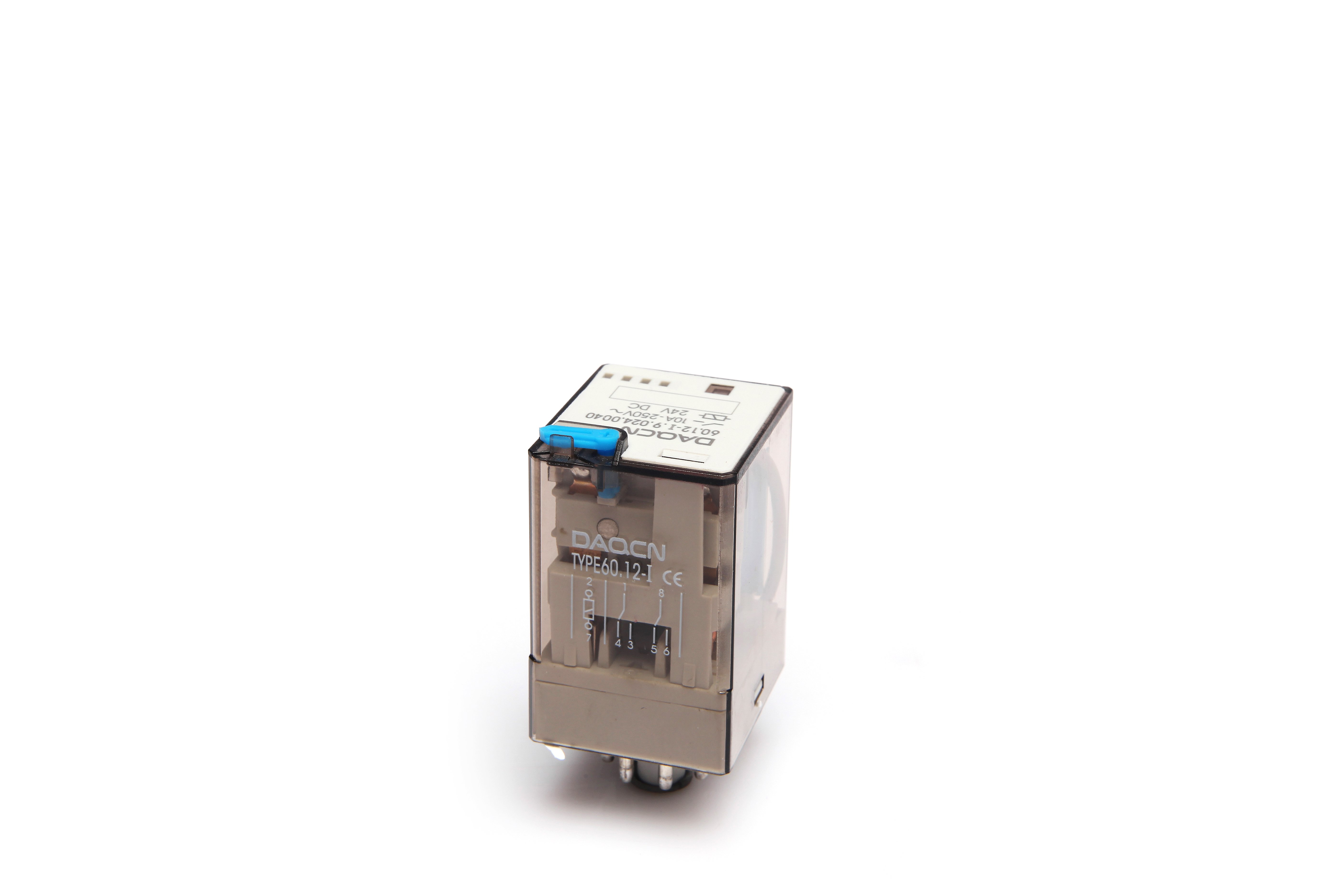
A timer relay is an essential component in industrial automation that manages the precise timing of motor and pump operations. Whether you're running centrifugal pumps, submersible units, or three-phase motors, understanding how a timer relay functions can significantly improve equipment reliability and operational efficiency. This device bridges the gap between electrical control signals and mechanical action, ensuring that motors and pumps start and stop at exactly the right moment, protecting equipment from damage and optimizing energy consumption.
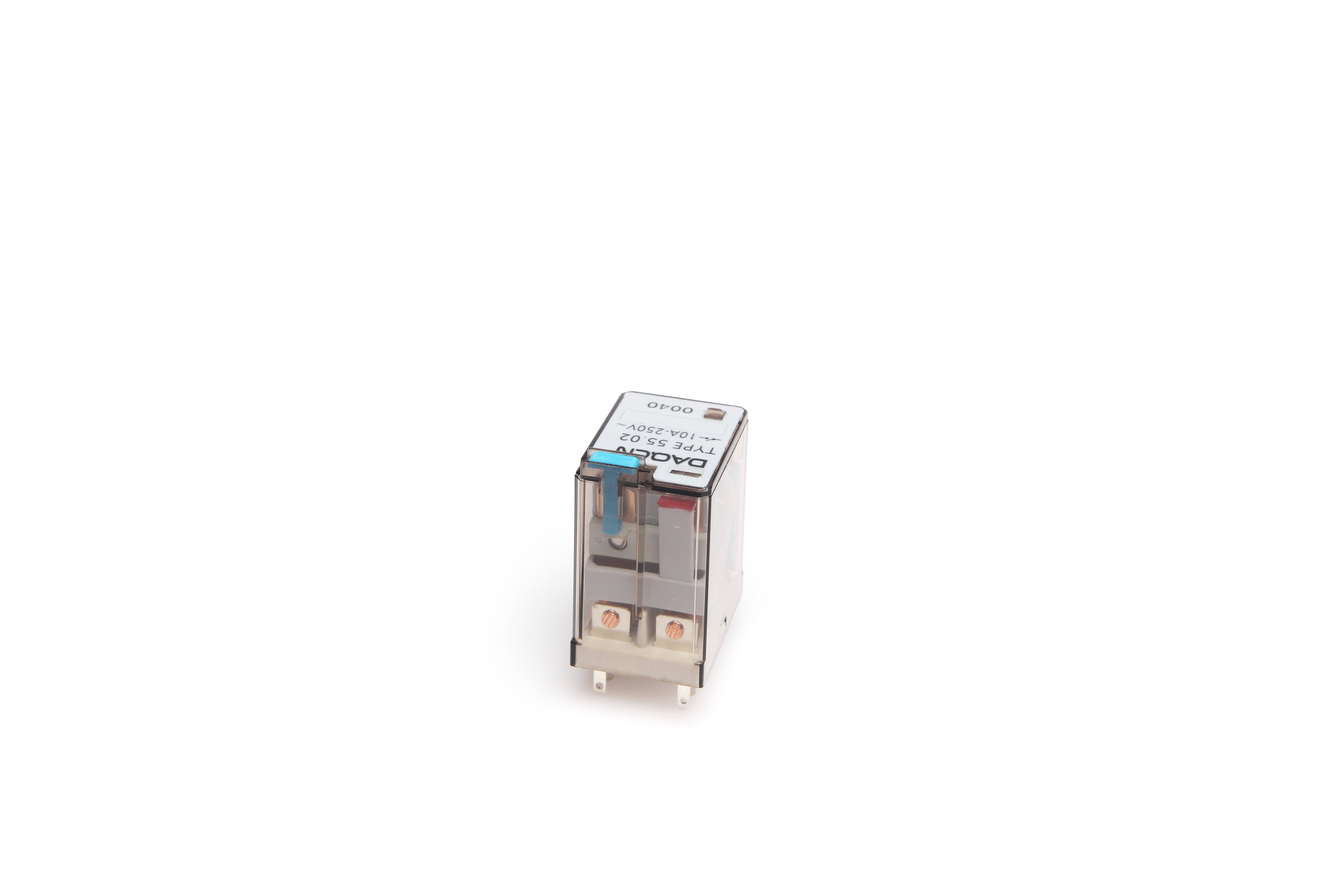
The timer relay operates through electromechanical or solid-state mechanisms that introduce controlled delays into circuit activation. In pump control relay and motor control relay applications, this timing function prevents simultaneous equipment startup, reduces electrical stress, manages cooldown periods, and protects against rapid cycling damage. Industrial facilities depend on these timing solutions to coordinate complex machinery sequences and maintain safe operating parameters.
Core Function of Timer Relay Motor Control
Timing Mechanism and Delay Sequencing
A timer relay motor control system works by receiving an electrical input signal and then delaying the output to connected motors or pumps by a predetermined duration. This delay can range from milliseconds to several minutes, depending on the application requirement. The delay period is typically adjustable, allowing technicians to fine-tune the timer relay motor control for specific operational needs. Common configurations include normally open and normally closed contacts that switch based on elapsed time, enabling both immediate and delayed circuit activation patterns.
Integration with Motor Starting Circuits
In motor control relay configurations, the timing device coordinates with starters, soft starters, or variable frequency drives to manage motor startup sequences. For instance, many industrial processes require staggered motor startup to limit inrush current and prevent voltage sag across facility electrical systems. A motor control relay ensures that secondary motors do not energize until the primary motor has reached stable operating speed, distributing electrical demand evenly and reducing transformer stress.
Pump Control Applications and Sequencing
Pump Control Relay for Sequential Operation
Pump control relay systems frequently employ timer relay technology to manage multi-pump installations where coordinated startup is critical. In water supply systems, HVAC circulation loops, or chemical processing plants, a pump control relay prevents all pumps from starting simultaneously. This staggered activation protects pipe integrity, maintains system pressure stability, and reduces mechanical shock known as water hammer. The timer relay pump control approach also extends pump bearing life and minimizes electrical peak demand charges on facility utility bills.
Cooldown and Restart Protection
Many industrial pump installations require mandatory rest periods between operational cycles to prevent overheating and premature component failure. A timer relay pump control mechanism enforces these mandatory off-periods by blocking restart signals until the preset delay has elapsed. This protective function is particularly important in reciprocating pump systems and positive displacement units where continuous rapid cycling causes seal degradation and internal leakage. The pump control relay essentially acts as a guardian, preventing operator error and automatic system faults from triggering destructive restart sequences.
Practical Implementation and Selection Considerations
Choosing Between Electromechanical and Solid-State Options
Electromechanical timer relay designs offer proven reliability, simple adjustment, and excellent visibility of timing status through mechanical contacts. However, solid-state timer relay motor control versions provide greater accuracy, faster switching speeds, and immunity to vibration. The choice between these technologies depends on your specific motor control relay and pump control relay application requirements, environmental conditions, and maintenance capabilities. Industrial environments with high vibration, extreme temperatures, or frequent adjustment needs often benefit from solid-state construction, while traditional manufacturing settings may prefer the familiarity and serviceability of electromechanical designs.
Timing Range and Adjustment Methods
A timer relay motor control device must offer timing ranges that match your equipment startup needs. Short delays of one to five seconds work well for coordinating adjacent motors, while longer delays of thirty seconds to several minutes protect equipment during extended startup sequences or after power restoration events. Adjustment methods vary between potentiometer-based settings on solid-state models and mechanical dial adjustments on electromechanical units. When selecting a pump control relay or motor control relay, verify that the available adjustment range exceeds your maximum timing requirement and that adjustment resolution allows fine-tuning for your process demands.
FAQ
What is the primary advantage of using a timer relay in motor startup sequences?
The primary advantage is preventing inrush current spikes and voltage sag by staggering motor activation. When multiple motors start simultaneously, combined inrush current can damage electrical infrastructure and disable sensitive equipment. A timer relay motor control system ensures each motor reaches stable speed before the next unit energizes, distributing electrical stress and protecting transformer and utility equipment from premature failure or service interruptions.
How does a pump control relay prevent water hammer damage in piping systems?
A pump control relay manages the rate at which system pressure builds by sequencing pump startup and preventing sudden pressure surges. When pumps start too quickly or simultaneously, fluid momentum creates extreme pressure spikes that stress pipe joints, valves, and connections. A timer relay pump control allows pressure to build gradually across the system, dissipating energy smoothly and protecting against pipe rupture, fitting separation, and valve damage that would otherwise require expensive emergency repairs.
Can a timer relay motor control reduce monthly utility costs?
Yes, coordinated motor control through timer relay technology reduces demand charges by limiting peak electrical consumption at any single moment. Facilities are charged based on their highest electrical demand during billing periods, not just total energy consumption. By using a motor control relay to sequence motor startup rather than allowing simultaneous energization, companies can reduce peak demand by 15 to 30 percent depending on equipment configuration, potentially saving thousands of dollars annually on demand charges while also reducing strain on electrical infrastructure and improving system reliability.