 EN

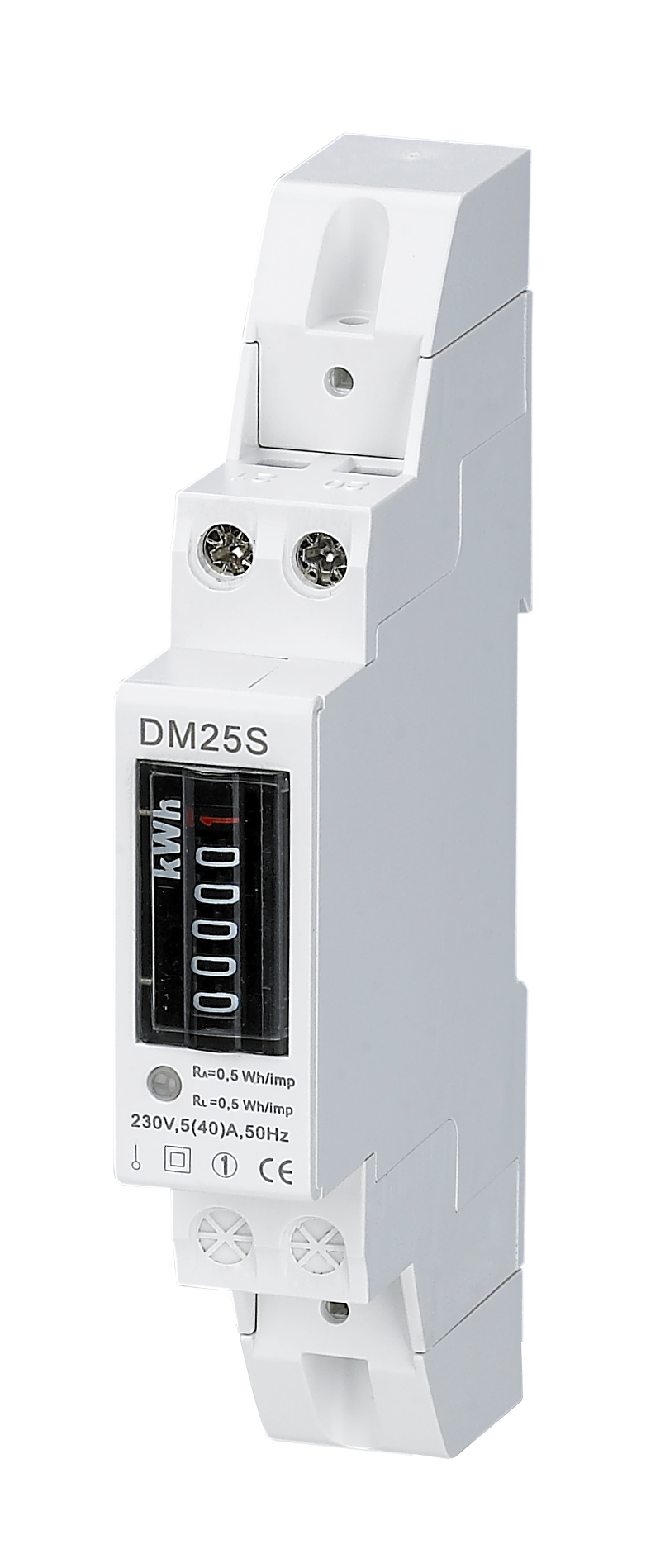
Determining when to replace your old meter system is a critical decision that directly impacts your facility's operational efficiency, safety, and energy management capabilities. An aging relay or outdated meter infrastructure may continue functioning, but it often operates at reduced capacity, lacks modern diagnostic features, and can become a hidden cost drain through inefficiency and maintenance complications. Understanding the right time to transition to a modern relay-based metering system ensures you optimize energy consumption, improve system reliability, and maintain compliance with evolving industry standards.
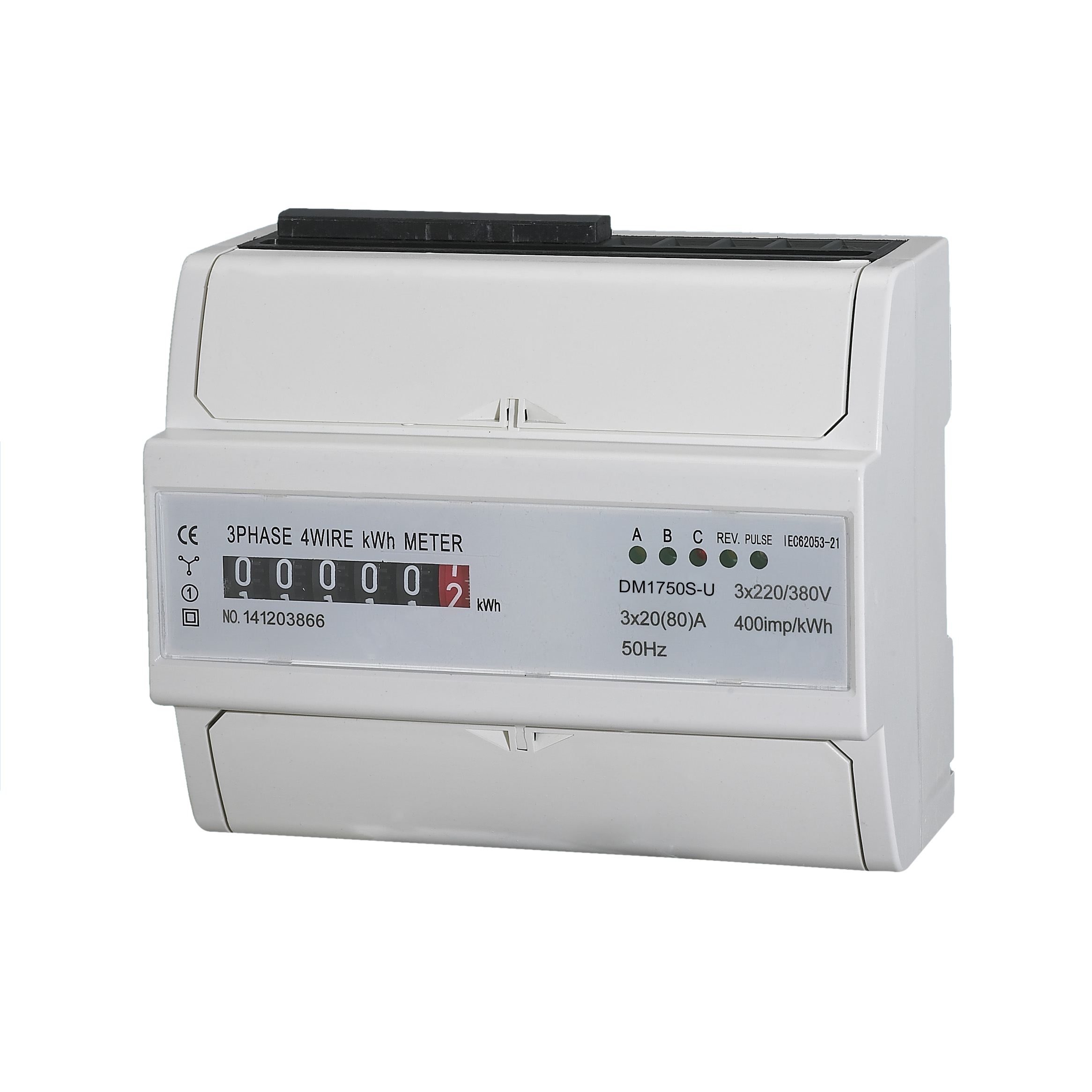
Modern meter systems equipped with advanced relay technology offer substantial advantages over legacy installations. Today's relay-integrated meters provide real-time energy monitoring, predictive maintenance capabilities, and seamless integration with smart grid infrastructure. The transition from an old relay configuration to a contemporary system represents not just a technical upgrade but a strategic investment in operational excellence and long-term cost reduction.
Key Indicators That Your Relay Needs Replacement
Age and Performance Degradation
Meter systems typically have a serviceable lifespan of fifteen to twenty years, depending on environmental conditions and usage intensity. If your relay has been in operation for longer than fifteen years, replacement should be on your planning horizon. As relay components age, their accuracy diminishes, calibration drift increases, and internal contacts may deteriorate, leading to inconsistent readings and potential safety hazards. You may notice your relay responding more slowly to load changes or displaying erratic measurement patterns.
Frequent Maintenance and Repair Cycles
When your relay requires increasingly frequent maintenance, parts become scarce, or repair costs approach fifty percent of a new system's price, replacement becomes economically justified. Legacy relay designs often depend on obsolete components that are difficult to source, and technician expertise for older configurations may be declining in your region. Each breakdown of your relay translates to operational downtime and lost production, making continued reliance on aging infrastructure risky from a business continuity standpoint.
Performance and Compliance Advantages of Modern Relay Systems
Enhanced Accuracy and Real-Time Monitoring
Contemporary relay technology delivers measurement accuracy exceeding 0.5S class standards, compared to older systems that may drift significantly. A modern relay provides instantaneous load profiling, harmonic analysis, and detailed energy consumption breakdowns that enable precise identification of inefficiencies. Real-time relay data integration with your facility management system allows you to detect anomalies immediately rather than discovering problems through inflated utility bills or equipment failures.
Regulatory Compliance and Smart Grid Integration
Many jurisdictions now mandate smart meter functionality, demand response capabilities, and advanced relay communication protocols that older systems cannot support. Installing a compliant relay ensures your facility meets regulatory requirements and positions your infrastructure for future grid modernization initiatives. Your relay investment today protects you from costly retrofitting or forced replacement driven by compliance deadlines rather than operational planning.
Cost-Benefit Analysis of Replacing Your Relay System
Total Cost of Ownership Comparison
While the upfront investment in a new relay installation requires capital expenditure, the calculation should include maintenance costs, energy waste reduction, and potential fines for non-compliance. A modern relay typically reduces energy consumption by five to fifteen percent through better load management and identification of waste. Over a fifteen-year lifecycle, the relay system pays for itself through efficiency gains while simultaneously providing superior visibility into your energy profile and operational patterns.
Downtime Risk and Business Continuity
Your relay's failure could disrupt operations at a critical moment, forcing emergency replacement under time pressure and higher costs. Proactive relay replacement during planned maintenance windows minimizes operational disruption and allows your team to prepare for the transition systematically. By replacing your relay on your schedule rather than reacting to a failure, you maintain control over implementation timing and resource allocation, ensuring minimal impact on production schedules.
FAQ
How long does a relay system typically last before replacement becomes necessary?
A standard relay system typically remains reliable for fifteen to twenty years under normal operating conditions. However, the timeline depends on environmental factors, maintenance history, and technological obsolescence rather than purely mechanical lifespan. If your relay is older than fifteen years or newer models offer significant capability advantages, replacement planning should begin regardless of whether the current relay continues functioning.
What signs indicate my relay is becoming unreliable?
Watch for fluctuating measurements, increasing maintenance frequency, difficulty obtaining replacement parts for your relay, or error codes appearing more often. Temperature sensitivity changes in your relay readings or inconsistency between your relay display and utility bills suggest accuracy drift requiring replacement. Additionally, if your relay lacks communication capabilities that modern systems provide, upgrading becomes strategically important for future-proofing your infrastructure.
Can I retrofit my existing installation or must I replace the entire relay system?
Many modern relay units can be retrofitted into existing installations without complete infrastructure redesign, making partial upgrades feasible in some cases. However, if your relay mounting, wiring, or control systems are significantly outdated, full replacement may be more cost-effective and safer than attempting retrofits. A qualified electrical assessment of your specific relay configuration will determine whether retrofitting makes economic and technical sense for your facility.