 EN
EN

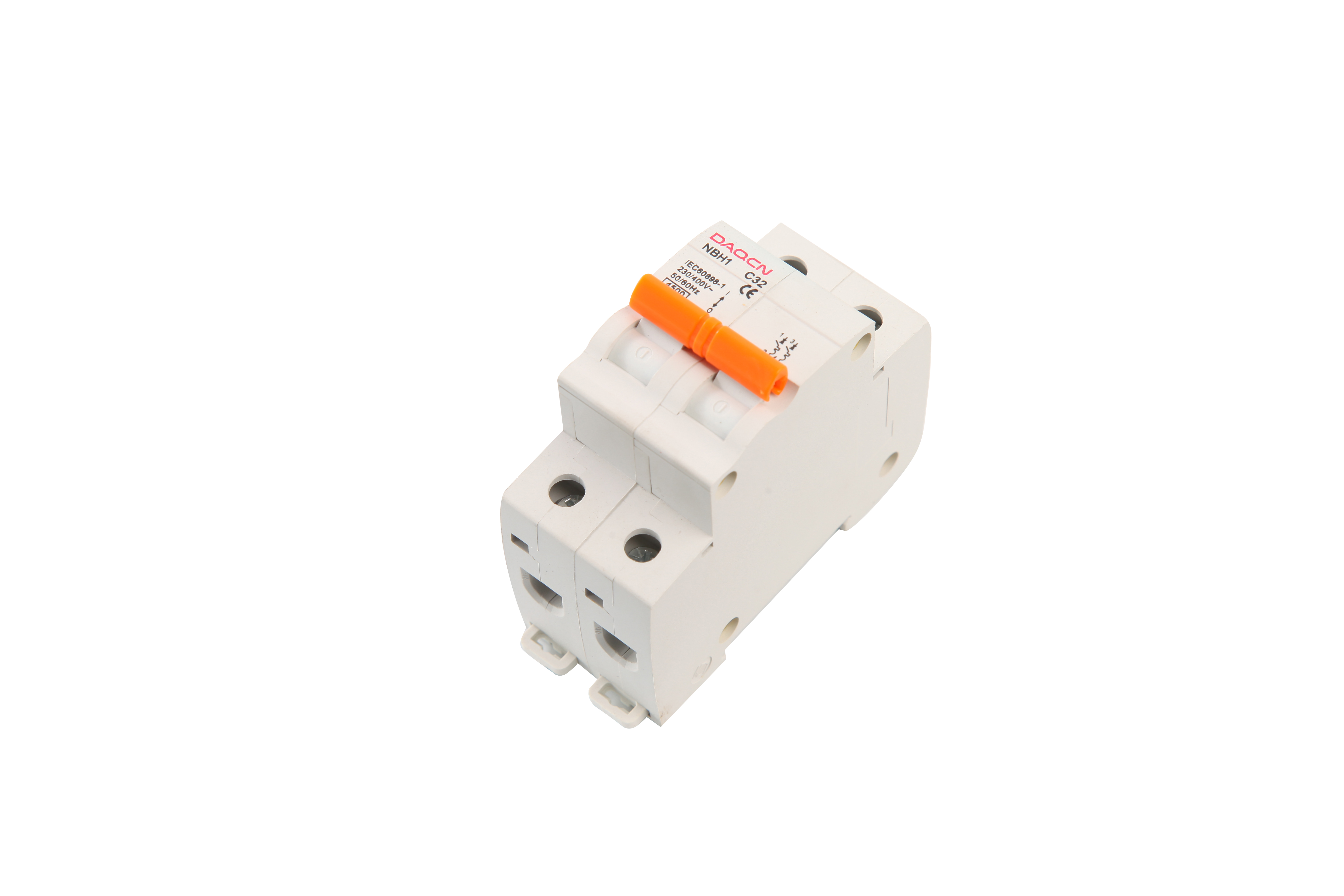
A circuit breaker is one of the most critical safety components in your home's electrical system, yet many homeowners don't fully understand how it functions. This device acts as an automatic switch that interrupts electrical flow whenever dangerous conditions arise, protecting your property and loved ones from electrical hazards. Understanding how a circuit breaker operates will help you appreciate its importance and recognize when professional electrical service may be needed.
The circuit breaker serves as your home's primary defense against electrical fires, shocks, and equipment damage. Every time you flip a switch or plug in an appliance, electricity flows through circuits protected by these essential devices. A circuit breaker constantly monitors electrical current and automatically disconnects power when it detects an overload or fault, acting as a guardian that works silently in the background.
Understanding the Basic Mechanism of Your Circuit Breaker
How Electrical Current Flows Through a Circuit Breaker
Your home's electrical power enters through a main panel where a circuit breaker receives incoming current and distributes it to individual circuits throughout your home. Each circuit breaker is calibrated to handle a specific amperage level, typically ranging from 15 to 50 amps depending on the circuit's purpose. When you turn on a light or use an appliance, electricity flows through the circuit breaker, which continuously monitors the amount of current passing through its internal mechanism. The circuit breaker allows normal electrical flow without interruption, maintaining safe operation of all connected devices and fixtures.
The Internal Components That Make Protection Possible
Inside every circuit breaker lies a bimetallic strip and an electromagnet, two components that work together to detect electrical problems. The bimetallic strip consists of two different metals bonded together that expand and contract at different rates when heated. As electrical current flows through the circuit breaker, it heats this strip slightly during normal operation. However, when excessive current passes through—such as during an overload—the intense heat causes the bimetallic strip to bend rapidly, triggering the mechanical trip mechanism that opens the circuit breaker's contacts. The electromagnet provides an additional safety layer, creating a magnetic force that instantly trips the circuit breaker during short circuits, which are far more dangerous than simple overloads.
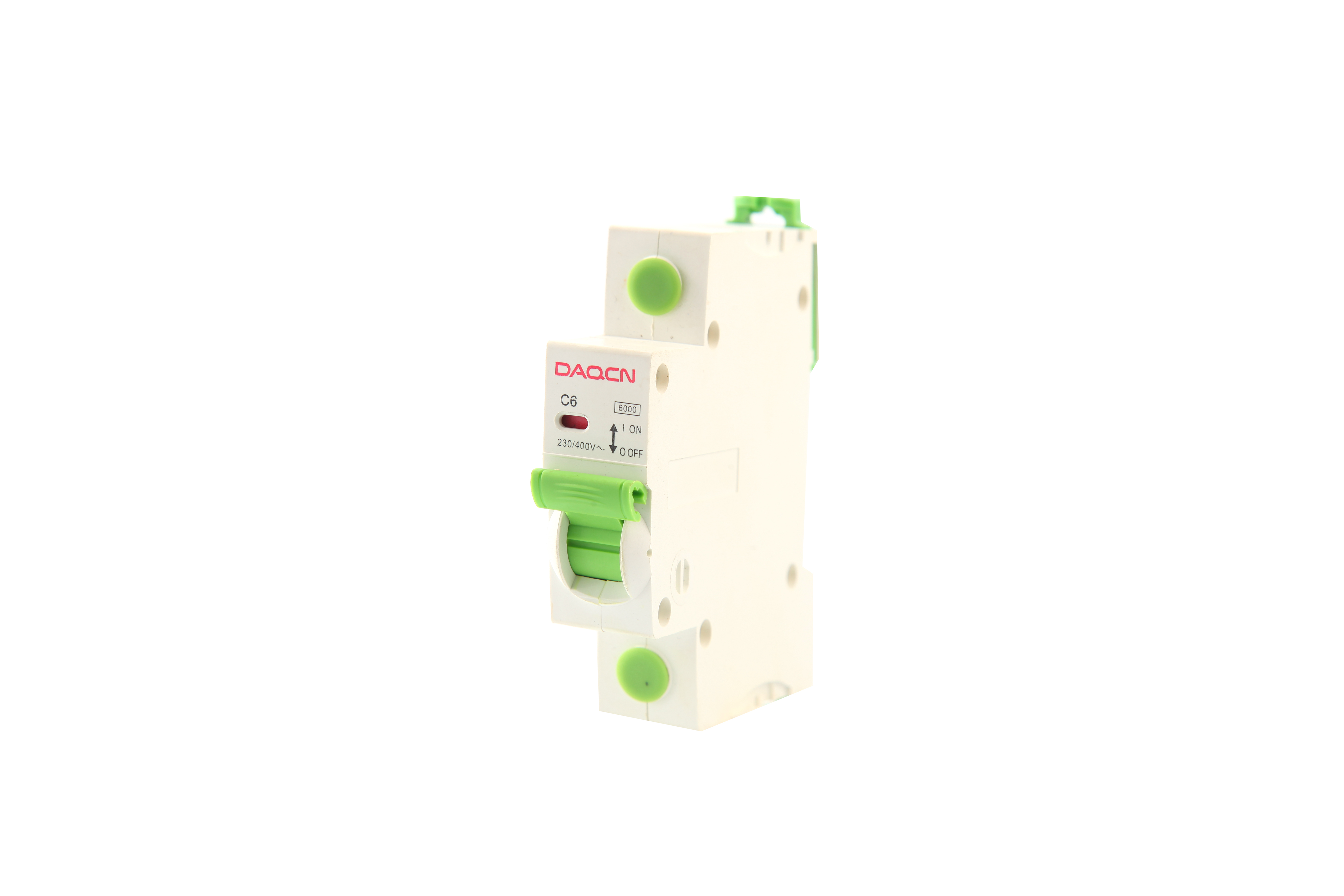
What Happens When a Circuit Breaker Detects a Problem
Overload Detection and Response
An overload occurs when too many devices draw power simultaneously from one circuit, causing current to exceed the circuit breaker's rated capacity. When this happens, the heat generated inside the circuit breaker activates the bimetallic strip, which bends and physically moves a lever that disconnects the circuit. This process takes only a fraction of a second, immediately cutting power to everything on that circuit. A circuit breaker designed for 20 amps will trip when current exceeds this threshold, preventing the wiring from overheating and potentially starting a fire. Once the overload condition ends and you've reduced the electrical demand, you can manually reset the circuit breaker by flipping its switch back to the 'on' position.
Short Circuit Protection and Immediate Shutdown
A short circuit represents a far more serious electrical threat than a simple overload, creating a direct path where electricity bypasses its intended route and flows uncontrolled through wiring or other materials. This situation generates extreme heat nearly instantaneously, which could ignite nearby flammable materials and cause catastrophic fires. Your circuit breaker contains an electromagnet specifically designed to detect this dangerous condition through the massive surge in electrical current. When a short circuit begins, the electromagnet develops such a powerful magnetic field that it instantly forces the circuit breaker's internal mechanism to snap open, disconnecting power in milliseconds before dangerous heat can develop. This near-instantaneous response demonstrates why the circuit breaker is absolutely essential for home safety.
Why Circuit Breaker Protection Matters for Modern Homes
Prevention of Electrical Fires and Property Damage
Electrical fires represent a significant home safety hazard, with faulty wiring and overloaded circuits causing thousands of house fires annually. A properly functioning circuit breaker acts as an automatic fire prevention system, stopping dangerous electrical conditions before they can cause ignition. Without this protection, aging wires, damaged insulation, or accidental short circuits could generate extreme heat within your walls, eventually igniting wood framing, insulation, or other combustible materials. Your circuit breaker continuously monitors every electrical circuit in your home, ensuring that dangerous situations never develop into emergencies. This constant vigilance makes the circuit breaker one of the most cost-effective safety investments in any residential electrical system.
Protection Against Electrical Shock and Equipment Failure
Beyond fire prevention, a circuit breaker protects people from potentially fatal electrical shocks and saves expensive appliances from damage. When faulty wiring or water intrusion creates a path for electricity to reach metal parts of appliances or fixtures, a circuit breaker quickly interrupts power before dangerous current can pass through a person's body. This protection extends to sensitive electronics in your home—computers, televisions, refrigerators, and HVAC systems all benefit from the voltage regulation provided by a properly maintained circuit breaker system. Modern homes with increased electrical demands rely even more heavily on circuit breaker protection, as higher power consumption creates greater risks if systems aren't properly managed. For industrial or specialized applications requiring enhanced protection, advanced options like an circuit breaker with overvoltage protection provide additional safeguards against power surges and fluctuations.
Maintaining Your Home's Circuit Breaker System
Recognizing When Your Circuit Breaker Needs Attention
A circuit breaker that trips frequently suggests underlying electrical problems that require professional evaluation. If a circuit breaker repeatedly trips even after you've reduced the electrical load on that circuit, the device itself may be failing or the circuit may have a fault. Some warning signs include burning smells near the electrical panel, discolored outlets or switch plates, flickering lights, or circuits breaker switches that feel warm to the touch. Never ignore these symptoms, as they often indicate serious electrical issues that could lead to fires or shocks. A licensed electrician can safely diagnose whether the circuit breaker needs replacement or whether the problem lies elsewhere in your electrical system.
When to Upgrade Your Circuit Breaker System
Older homes may have electrical systems designed for much lower power demands than modern households require, making circuit breaker upgrades necessary as your needs evolve. If you frequently experience tripping circuits even after reducing demand, if you're adding major appliances like electric vehicles or air conditioning systems, or if your home exceeds 40 years old without panel updates, a professional assessment becomes essential. A qualified electrician can determine whether your existing circuit breaker capacity remains adequate or whether a complete panel upgrade would better serve your home's electrical needs. Upgrading your circuit breaker system not only improves reliability and convenience but also ensures that your home meets current safety codes and protects against electrical hazards that older systems might not adequately address.
FAQ
What happens inside a circuit breaker when it trips?
When a circuit breaker detects an overload or short circuit, either the bimetallic strip heats and bends to trigger the mechanical switch, or the electromagnet generates a powerful magnetic force that snaps the contacts open. This action happens nearly instantaneously, stopping the flow of dangerous electrical current within milliseconds. After the dangerous condition ends, you can manually reset the circuit breaker by switching it back to the 'on' position.
Can a circuit breaker wear out or fail over time?
Yes, a circuit breaker can deteriorate with age, though modern devices are engineered for reliability over decades of service. Repeated thermal cycling, exposure to excessive heat or moisture, and normal mechanical wear can eventually cause a circuit breaker to fail. If your circuit breaker frequently trips without a clear cause, refuses to reset, or becomes difficult to move, it likely needs professional replacement to maintain your home's electrical safety.
Why does my circuit breaker trip when I use multiple appliances together?
Your circuit breaker trips when combined electrical demand on that circuit exceeds its rated capacity, which is the circuit breaker's normal protective function. For example, running a dishwasher while using an electric oven on the same 20-amp circuit may exceed that circuit breaker's maximum safe load, triggering an automatic shutdown. To resolve this issue, you can distribute high-demand appliances across different circuits or reduce simultaneous usage, or have an electrician evaluate whether your electrical system needs circuit breaker upgrades to support your home's power needs.