 EN
EN

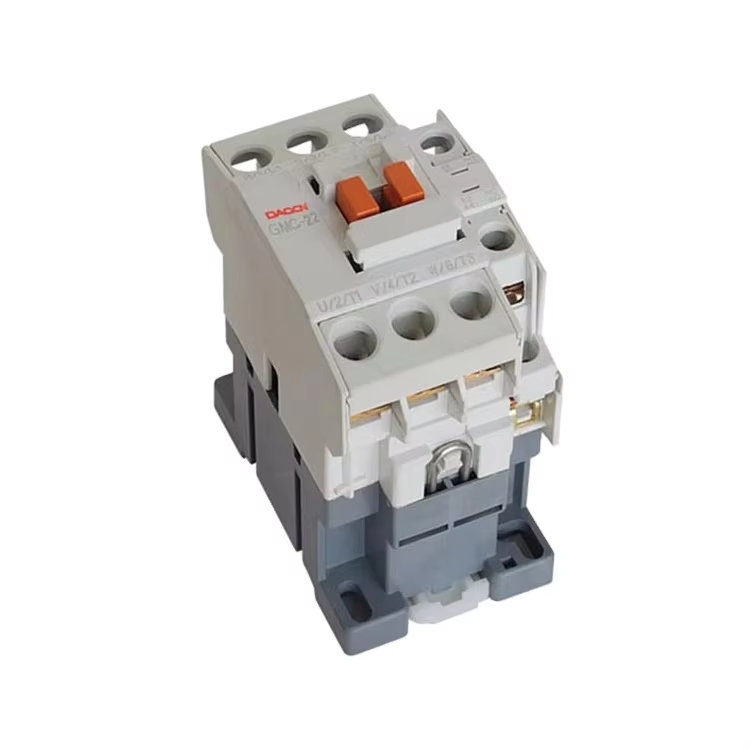
A contactor is an electromechanical switch that plays a critical role in controlling electrical circuits within industrial and commercial systems. At its core, a contactor functions as an automatic switch that opens and closes power circuits in response to control signals, enabling safe and reliable management of electrical loads. Understanding what a contactor does is essential for anyone working with electrical systems, as these devices are fundamental components in motor control, lighting systems, HVAC equipment, and countless other industrial applications. The contactor provides a dependable way to manage high-power circuits without requiring manual intervention, making it indispensable in modern electrical infrastructure.
The primary purpose of a contactor is to switch electrical power on and off under the direction of a low-voltage control circuit. Unlike a simple manual switch, a contactor operates electromagnetically, using a coil that becomes magnetized when energized to pull contacts together or push them apart. This electromagnetic operation makes a contactor uniquely suited for applications requiring frequent switching, remote control capabilities, and integration with automated systems. A contactor handles substantial electrical currents and voltages that would be impractical or unsafe for a human operator to manage directly, thereby protecting both personnel and equipment while ensuring consistent, repeatable operation.
How a Contactor Operates in Power Distribution
Electromagnetic Switching Mechanism
A contactor operates through a straightforward but ingenious electromagnetic mechanism that converts low-voltage control signals into high-power switching actions. When a control signal is applied to the contactor coil, the resulting magnetic field attracts a movable armature, which mechanically closes the main contacts and establishes the power circuit. The moment the control signal is removed, spring tension returns the armature to its rest position, opening the contacts and interrupting the power flow. This contactor design ensures that the control circuit remains completely isolated from the power circuit, providing both safety and operational flexibility. The switching action occurs reliably and predictably thousands of times without operator fatigue or error, which is why a contactor is so valued in industrial environments.
Contact Configuration and Load Capacity
A contactor typically includes multiple sets of contacts configured for specific applications and load requirements. The main power contacts carry the full operational current of the connected equipment, ranging from modest loads to several hundred amperes in industrial-scale installations. Auxiliary contacts on a contactor also provide secondary switching functions, allowing the device to control additional circuits, signal status indicators, or interact with protective relays and control logic. Each contact set within a contactor is rated for specific voltage and current combinations, ensuring that a contactor selection matches the electrical demands of the application. Understanding a contactor's contact configuration is crucial for proper system design and safe operation.
The Role of a Contactor in Motor Control Systems
Starting and Stopping Motor Operations
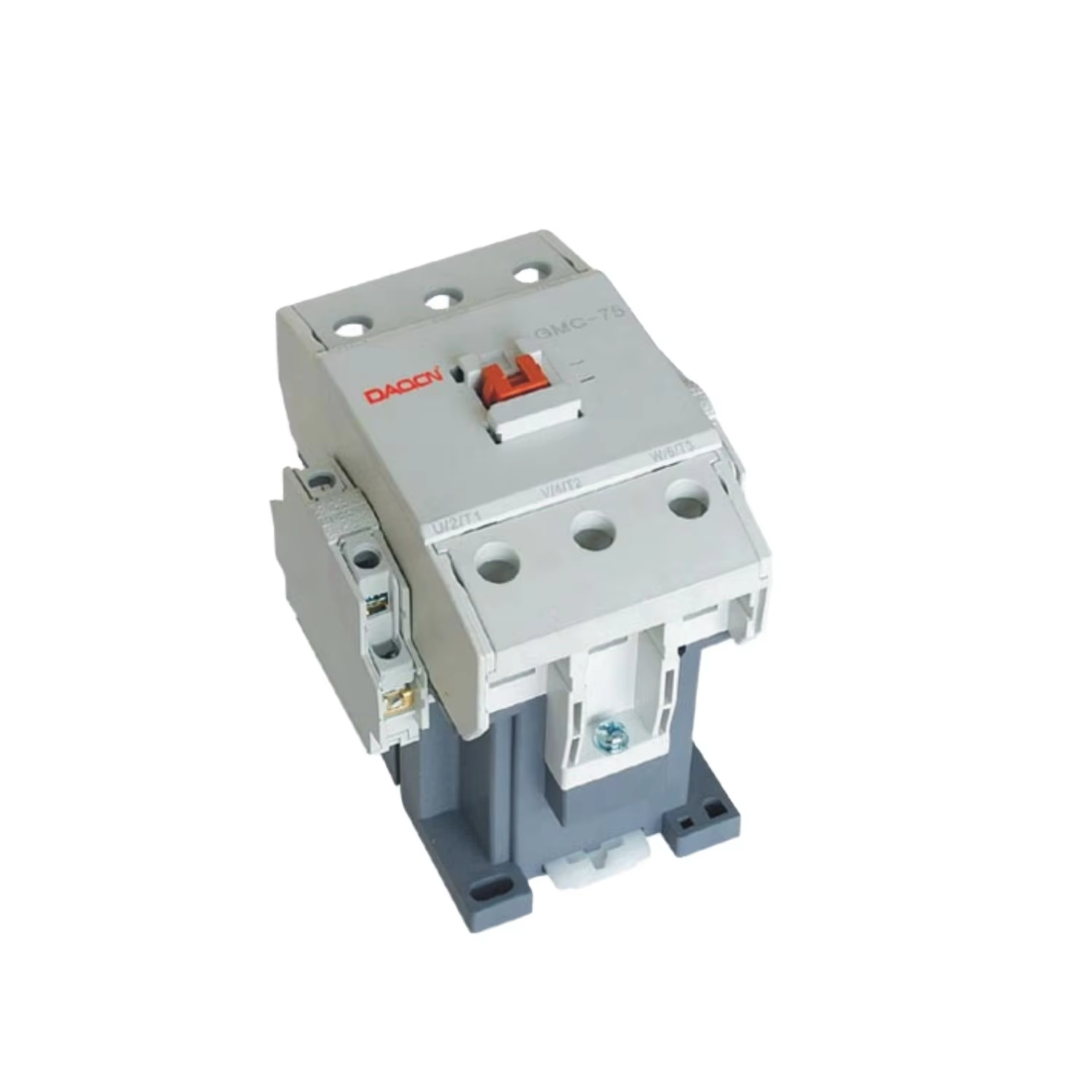
A contactor serves as the primary control element in motor starting circuits, enabling operators to energize and de-energize motors safely and efficiently. In a typical motor control scheme, a contactor responds to start and stop buttons connected to its control coil, allowing a single operator to manage motors ranging from fractional-horsepower devices to multi-megawatt industrial drives. The contactor's ability to handle inrush currents and maintain contact integrity under sustained operation makes it the preferred choice for direct-on-line motor starting and soft-start coordination. A contactor protects the motor from electrical stress by providing controlled power delivery rather than unmanaged line voltage surges. This reliable contactor performance is fundamental to modern factory automation and remote equipment operation.
Protection and Safety Integration
A contactor works in conjunction with protective relays, thermal overload devices, and emergency stop systems to create comprehensive motor protection schemes. The contactor can be deenergized instantly by safety circuits, providing a fast disconnect of power in emergency situations. A contactor's sealed design prevents dust and moisture contamination of the switching surfaces, extending contact life and maintaining reliability in harsh industrial environments. Auxiliary contacts on a contactor enable feedback loops that confirm motor operation, detect faults, and trigger alarm conditions. This integration of a contactor with protective systems ensures both equipment longevity and personnel safety throughout the motor's operational life.
Industrial Applications and Performance Characteristics
Diverse Application Scenarios
A contactor is employed across virtually every industrial sector for applications ranging from simple on-off control to complex multi-circuit coordination. In manufacturing facilities, a contactor manages the power distribution to production equipment, compressors, pumps, and conveyor systems. In building automation, a contactor controls HVAC systems, lighting banks, and water heating equipment. Data centers use a contactor for power distribution to cooling systems and backup power transfer equipment. A contactor's versatility stems from available configurations, coil voltages, contact ratings, and mounting options that accommodate nearly any electrical control requirement. This widespread adoption makes a contactor one of the most recognizable and essential components in electrical engineering.
Operational Reliability and Maintenance
A contactor delivers exceptional reliability when properly selected and maintained, with many industrial installations experiencing service life exceeding ten years. The electromagnetic design of a contactor provides inherent simplicity compared to electronic alternatives, reducing failure modes and enabling quick troubleshooting. Regular contact inspection, coil testing, and mechanical verification ensure a contactor remains responsive and safe throughout its operational life. A contactor's modular design permits replacement of wear components such as contact assemblies without replacing the entire unit, reducing maintenance costs. Predictable a contactor performance and straightforward diagnostics make these devices ideal for critical applications where downtime carries significant financial consequences.
FAQ
What is the main difference between a contactor and a relay?
A contactor and a relay operate on similar electromagnetic principles, but a contactor is specifically designed for switching high-power loads directly, while a relay typically controls lower-power circuits or provides logic functions. A contactor can handle full motor currents and industrial power levels, whereas a relay is used for signaling and control of auxiliary circuits. Both a contactor and a relay use electromagnets to activate switching mechanisms, but a contactor's mechanical structure and contact design accommodate the stress and arcing associated with high-power switching.
How does a contactor differ from a manual switch?
A contactor automates switching through electromagnetic control, eliminating the need for constant human attention, whereas a manual switch requires direct operator intervention. A contactor can be controlled remotely via low-voltage signals, programmable logic controllers, or timing circuits, providing flexibility that a mechanical switch cannot match. A contactor also reduces operator risk by eliminating the need to handle high-voltage circuits manually. The electromagnetic operation of a contactor ensures consistent, repeatable switching action regardless of circuit conditions.
Can a contactor be damaged by switching too frequently?
A contactor is engineered to withstand millions of switching cycles, making it suitable for applications with frequent on-off demands. However, a contactor can experience accelerated wear if subjected to excessive inrush currents, improper load connections, or inadequate maintenance. Arc suppression devices and snubber circuits protect a contactor contacts from damage during switching events. Proper a contactor selection based on the actual duty cycle and load type ensures longevity and reliability in demanding applications.