 EN
EN

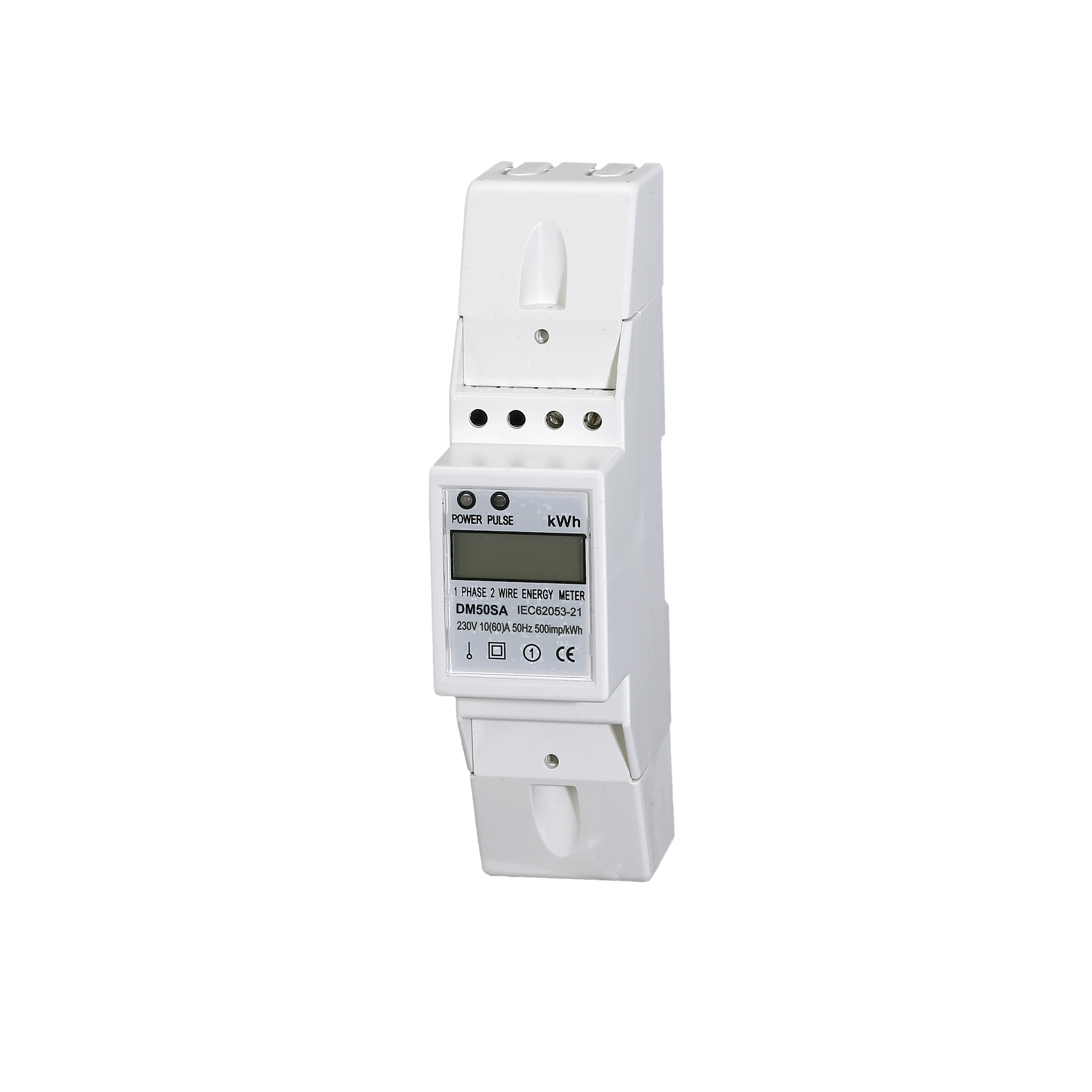
As smart home automation continues to evolve in 2025, the demand for reliable wifi switch devices has surged among homeowners, property managers, and commercial facility operators. Understanding the cost structure of quality wifi switch products is essential for making informed purchasing decisions that balance functionality, safety features, and long-term value. The pricing landscape for wifi switch technology has become increasingly diverse, reflecting variations in manufacturing quality, feature sets, connectivity protocols, and brand positioning. This comprehensive analysis explores the factors that determine wifi switch pricing in 2025, helping buyers navigate the market with confidence and clarity about what constitutes fair value for different use cases and installation requirements.
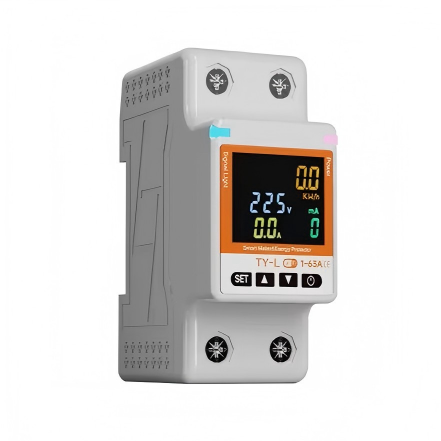
The question of how much a quality wifi switch costs in 2025 cannot be answered with a single price point, as the market encompasses entry-level consumer products, mid-range smart home solutions, and premium industrial-grade devices. Current market data indicates that basic wifi switch units typically range from fifteen to thirty-five dollars, while feature-rich models with energy monitoring, voltage protection, and advanced automation capabilities can command prices between fifty and one hundred twenty dollars. Understanding these price tiers and the corresponding value propositions enables buyers to align their budget with their specific functional requirements, installation complexity, and expected operational lifespan. This pricing analysis examines the technical specifications, safety certifications, warranty coverage, and real-world performance metrics that justify different price points in today's competitive wifi switch marketplace.
Price Range Analysis for WiFi Switch Products in 2025
Entry-Level WiFi Switch Pricing and Features
The entry-level segment of the wifi switch market in 2025 occupies the fifteen to thirty-five dollar price range, targeting budget-conscious consumers seeking basic smart control functionality without advanced features. These economical wifi switch options typically provide fundamental on-off control through smartphone applications, compatibility with major voice assistants, and simple scheduling capabilities. Manufacturers in this price tier often utilize cost-effective materials, standardized circuit designs, and mass production techniques to achieve competitive pricing while maintaining basic safety certifications required for residential electrical installations. Buyers should recognize that entry-level wifi switch products may lack sophisticated energy monitoring, surge protection, or industrial-grade components found in higher-priced alternatives.
Despite their lower price points, many entry-level wifi switch devices deliver satisfactory performance for straightforward residential applications such as lighting control, fan operation, and basic appliance management. The cost savings in this segment come from simplified feature sets, basic plastic enclosures, and limited warranty coverage typically ranging from six months to one year. Installation requirements for entry-level wifi switch products generally assume standard residential wiring configurations and may not accommodate complex three-way switching scenarios or high-current industrial applications. Consumers evaluating this price tier should carefully assess whether the reduced feature set aligns with their immediate needs and whether the cost savings justify potential limitations in durability and expandability.
Mid-Range WiFi Switch Value Proposition
Mid-range wifi switch products, priced between thirty-five and seventy dollars in 2025, represent the sweet spot for many residential and light commercial applications. This price segment incorporates enhanced build quality, expanded feature sets including basic energy monitoring, improved wireless connectivity stability, and more comprehensive compatibility with smart home ecosystems. The additional investment in mid-range wifi switch technology typically delivers tangible benefits such as more robust housing materials, better heat dissipation design, and intermediate-level surge protection that extends device longevity and reduces replacement frequency. Manufacturers targeting this segment often provide extended warranty coverage of one to two years, reflecting greater confidence in component reliability and manufacturing quality control processes.
The value proposition of mid-range wifi switch devices becomes particularly compelling for users implementing whole-home automation systems where consistency, interoperability, and long-term reliability justify the moderate price premium over entry-level alternatives. These products frequently feature dual-band wifi connectivity that reduces network congestion, scheduled automation with more sophisticated rule-based programming, and remote monitoring capabilities that provide usage insights for energy optimization. The pricing in this segment reflects investments in better quality capacitors, relays rated for higher switching cycles, and more refined firmware development that delivers smoother user experiences through mobile applications and voice control integration. For property managers overseeing multiple units or homeowners planning phased smart home deployments, mid-range wifi switch products offer an attractive balance between capability and affordability.
Premium WiFi Switch Specifications and Pricing
Premium wifi switch solutions commanding prices from seventy to one hundred twenty dollars or higher in 2025 target discerning buyers who prioritize advanced functionality, industrial-grade reliability, and comprehensive safety features. This high-end segment incorporates sophisticated energy metering with real-time power consumption analytics, multi-stage voltage protection systems, overcurrent detection, and temperature monitoring capabilities that prevent electrical hazards. The substantial price premium for premium wifi switch devices reflects investments in superior components such as commercial-grade relays rated for hundreds of thousands of switching cycles, advanced microcontrollers enabling complex automation logic, and robust power supply circuits that maintain stable operation across varying electrical conditions. These products typically carry extended warranties of two to five years and often include professional installation support and priority customer service.
The target market for premium-tier wifi switch technology includes commercial facilities requiring certified compliance with stringent electrical codes, smart building implementations demanding integration with building management systems, and residential installations where safety and reliability outweigh cost considerations. Premium wifi switch products frequently feature metal enclosures with superior electromagnetic interference shielding, multiple communication protocol support including Zigbee or Z-Wave in addition to wifi, and local control capabilities that maintain functionality during internet outages. The pricing in this segment also accounts for comprehensive safety certifications from recognized testing laboratories, detailed technical documentation supporting professional electrical installations, and ongoing firmware updates that address security vulnerabilities and expand feature sets. For applications where wifi switch failure could result in significant inconvenience, safety risks, or operational disruptions, the premium pricing reflects genuine value through enhanced reliability and peace of mind.
Key Cost Factors Influencing WiFi Switch Pricing
Manufacturing Quality and Component Selection
Manufacturing quality represents one of the most significant cost determinants in wifi switch pricing, with substantial differences between budget products using minimal-cost components and premium devices incorporating carefully selected, specification-tested parts. The relay mechanism, which performs the actual switching function in a wifi switch, varies dramatically in quality and lifespan depending on manufacturer choices regarding contact materials, coil design, and mechanical construction. Budget-oriented wifi switch products may utilize relays rated for fifty thousand to one hundred thousand cycles, while premium alternatives incorporate commercial-grade components certified for five hundred thousand cycles or more, directly impacting long-term reliability and replacement costs.
Beyond the relay assembly, the quality of power supply components, voltage regulation circuits, and wireless communication modules significantly influences both manufacturing costs and retail pricing for wifi switch devices. Premium manufacturers invest in components with tighter tolerance specifications, temperature-stable operation characteristics, and enhanced electromagnetic compatibility that prevents interference with other household electronics. The printed circuit board quality, solder joint reliability, and conformal coating application all contribute to manufacturing costs that separate economical wifi switch products from their higher-priced counterparts. Buyers should understand that the visible price differences often reflect invisible quality distinctions in component selection that directly determine operational lifespan, safety margins, and failure rates under real-world electrical conditions.
Safety Certifications and Compliance Testing
The extent and rigor of safety certifications directly impact wifi switch pricing, as comprehensive testing by recognized laboratories involves substantial fees and potential redesign costs to achieve compliance. Basic wifi switch products may carry minimal certifications sufficient for legal sale in less regulated markets, while quality devices targeting North American and European markets undergo extensive testing for electrical safety, electromagnetic compatibility, and fire prevention standards. Certifications from organizations such as UL, ETL, CE, and FCC involve detailed design reviews, sample testing under extreme conditions, and ongoing factory audits that manufacturers recover through retail pricing. The cost differential between minimally certified and comprehensively tested wifi switch products can range from five to twenty dollars per unit, representing a significant portion of the final retail price.
Beyond basic safety certifications, premium wifi switch devices may pursue additional credentials such as Energy Star ratings, smart home platform certifications, and specialized industrial compliance designations that further increase development and testing costs. These certification investments provide tangible value through reduced insurance liability, enhanced consumer confidence, and eligibility for professional installation in commercial settings where unlisted products face rejection. The testing processes that support these certifications often reveal design weaknesses that manufacturers must address through engineering modifications, component upgrades, or manufacturing process improvements, all of which contribute to higher production costs reflected in retail pricing. Savvy buyers recognize that certified wifi switch products, while commanding higher prices, deliver genuine value through verified safety performance and reduced risk of electrical hazards or premature failure.
Feature Set and Smart Home Integration
The breadth and sophistication of features integrated into wifi switch products substantially influence pricing, with basic on-off control devices commanding lower prices than multifunctional units offering energy monitoring, scheduling, scene integration, and advanced automation capabilities. The development costs for comprehensive mobile applications, cloud infrastructure supporting remote access, and regular firmware updates represent ongoing expenses that manufacturers must recoup through product pricing. A wifi switch with basic functionality may involve relatively simple firmware and minimal cloud service costs, while feature-rich alternatives require dedicated development teams, secure server infrastructure, and customer support resources that justify higher retail prices.
Integration capabilities with popular smart home ecosystems such as Amazon Alexa, Google Home, Apple HomeKit, and Samsung SmartThings involve licensing fees, compatibility testing, and ongoing maintenance obligations that factor into wifi switch pricing strategies. Products offering native integration with multiple platforms typically command price premiums of ten to twenty-five dollars compared to devices supporting only proprietary control applications. Advanced features such as energy consumption tracking with historical data visualization, geofencing automation, and integration with if-this-then-that logic platforms require sophisticated software development and cloud data processing capabilities that justify incremental pricing. Buyers evaluating wifi switch options should assess whether the feature set aligns with their actual usage patterns and whether the price premium for advanced capabilities delivers proportional value for their specific application requirements.
Value Assessment Beyond Initial Purchase Price
Long-Term Operational Costs and Energy Savings
While the initial purchase price captures immediate attention, the total cost of ownership for wifi switch devices extends significantly beyond the retail price tag to encompass operational expenses, potential energy savings, and replacement frequency over the product lifecycle. Higher-quality wifi switch products with accurate energy monitoring capabilities enable users to identify and eliminate wasteful standby power consumption, phantom loads, and inefficient usage patterns that collectively generate substantial electricity costs over time. A wifi switch that costs forty dollars more initially but reduces household electricity consumption by five percent can deliver net positive returns within two to three years for typical residential applications, making the premium pricing economically rational from a lifecycle perspective.
The reliability differential between budget and premium wifi switch products directly impacts replacement costs, installation labor expenses, and potential damage from device failures under electrical fault conditions. A fifteen-dollar wifi switch requiring replacement every eighteen months due to relay failure or connectivity degradation ultimately proves more expensive than a sixty-dollar alternative providing five years of trouble-free operation. Professional installation costs for wifi switch devices typically range from fifty to one hundred fifty dollars depending on complexity and local labor rates, meaning that premature failure necessitating reinstallation can quickly eclipse any initial savings from choosing economical products. Value-conscious buyers should evaluate wifi switch pricing through a multi-year lens that accounts for expected replacement cycles, energy efficiency benefits, and avoided costs from enhanced reliability when comparing products across different price tiers.
Warranty Coverage and Customer Support Value
The warranty terms and customer support quality accompanying wifi switch products represent hidden value factors that justify price differentials between competing offerings with similar baseline specifications. Budget-oriented wifi switch manufacturers typically provide minimal six-month to one-year warranties with limited customer service resources, placing the burden of troubleshooting and replacement logistics primarily on buyers. Premium wifi switch brands often back their products with two to five-year warranties, responsive technical support through multiple channels, and streamlined replacement processes that minimize downtime and frustration. The economic value of extended warranty coverage becomes particularly significant for installations in hard-to-access locations or applications where wifi switch failure creates substantial inconvenience.
Customer support quality varies dramatically across wifi switch price tiers, with budget products frequently offering only email-based assistance with slow response times, while premium alternatives provide phone support, live chat, detailed installation documentation, and comprehensive troubleshooting resources. The value of responsive customer support becomes evident during installation challenges, compatibility questions, or operational issues that can halt smart home automation implementations. Some premium wifi switch manufacturers also provide regular firmware updates that expand functionality, address security vulnerabilities, and improve compatibility with evolving smart home platforms, representing ongoing value delivery that justifies higher initial pricing. Buyers should factor warranty duration, support accessibility, and update commitment into their value assessment rather than focusing exclusively on upfront purchase price when selecting wifi switch products for important applications.
Installation Complexity and Professional Service Requirements
The installation requirements and professional service dependencies associated with different wifi switch products significantly influence total implementation costs beyond the device purchase price. Basic wifi switch models designed for direct replacement of standard light switches typically support DIY installation by homeowners with fundamental electrical knowledge, avoiding professional service fees. More sophisticated wifi switch devices incorporating circuit breaker functionality, energy metering with CT clamps, or integration with existing home automation systems may require licensed electrician installation to ensure code compliance and proper operation, adding fifty to two hundred dollars per switch location to the total project cost.
The electrical compatibility of wifi switch products with existing wiring configurations impacts installation costs, as some devices require neutral wire connections unavailable in older homes, necessitating rewiring expenses that can exceed the switch cost itself. Premium wifi switch products often provide more flexible wiring compatibility, including models designed for neutral-wire-free installations, reducing the likelihood of costly electrical modifications. The complexity of configuring and integrating wifi switch devices into comprehensive smart home systems also varies substantially, with some products offering intuitive setup procedures suitable for non-technical users while others demand professional configuration services. Buyers planning multiple wifi switch installations should evaluate the cumulative installation and configuration costs across their entire project rather than focusing solely on per-unit device pricing when determining the most cost-effective solution for their specific electrical infrastructure and technical capabilities.
Market Trends Affecting WiFi Switch Pricing in 2025
Supply Chain Dynamics and Component Availability
The global electronics supply chain landscape in 2025 continues to influence wifi switch pricing through semiconductor availability, raw material costs, and manufacturing capacity constraints. The wifi communication chips, microcontrollers, and power management integrated circuits central to wifi switch functionality remain subject to periodic supply shortages that create price volatility and extended lead times. Manufacturers with established supply relationships and component inventory buffers can maintain more stable pricing, while smaller producers facing allocation constraints may implement price increases or extended delivery schedules. The economic impact of these supply dynamics varies across wifi switch price tiers, with premium manufacturers often securing priority access to quality components while budget producers navigate spot market pricing fluctuations.
Raw material costs for copper conductors, plastic enclosure materials, and electronic component substrates fluctuate with global commodity markets, directly impacting wifi switch manufacturing expenses and retail pricing. The trend toward more sustainable and fire-resistant materials in electrical products has introduced incremental costs that manufacturers pass through to consumers, particularly in premium wifi switch segments emphasizing safety and environmental responsibility. Transportation costs and logistics challenges also factor into 2025 wifi switch pricing, with freight expenses and customs duties varying significantly based on manufacturing location and destination markets. Buyers monitoring wifi switch prices should recognize that quarterly price adjustments reflecting supply chain realities represent normal market behavior rather than arbitrary pricing decisions, and that seasonal promotions may offer opportunities for cost savings on planned purchases.
Competitive Landscape and Market Consolidation
The wifi switch market in 2025 features intense competition among established smart home technology companies, specialized electrical component manufacturers, and emerging direct-to-consumer brands, creating pricing pressure across all market segments. The entry of large technology platforms into smart home hardware has introduced price-aggressive options targeting mass market adoption, compressing margins for mid-tier wifi switch manufacturers and forcing differentiation through enhanced features or superior quality. Market consolidation through acquisitions and strategic partnerships has reduced the number of independent wifi switch brands while expanding product portfolios of surviving companies, with mixed impacts on pricing depending on whether consolidation enables cost efficiencies or reduces competitive pressure.
Direct-to-consumer sales models bypassing traditional retail distribution channels have emerged as significant disruptors in wifi switch pricing, enabling manufacturers to offer competitive prices while maintaining healthy margins by eliminating distributor and retailer markups. Online marketplaces have increased price transparency and simplified comparison shopping for wifi switch products, intensifying competition and benefiting consumers through better value propositions. However, the proliferation of unbranded and minimally certified wifi switch products through certain online channels has created quality concerns and complicated the buyer decision process, as exceptionally low prices may indicate substandard safety compliance rather than genuine value. Informed buyers in 2025 balance competitive pricing considerations with verification of seller reputation, product certifications, and warranty support when navigating the crowded wifi switch marketplace.
Technology Evolution and Feature Expectations
Rapid advancement in wireless communication technologies, microcontroller capabilities, and smart home platform maturity has shifted baseline feature expectations for wifi switch products, influencing what constitutes acceptable quality and value at different price points in 2025. Features considered premium differentiators just two years ago, such as voice assistant integration and remote smartphone control, have migrated into standard expectations even for entry-level wifi switch products. This feature inflation pressures manufacturers to continuously enhance product capabilities while maintaining or reducing prices, creating tension between development investments and competitive pricing requirements. The result is a wifi switch market where mid-range 2025 products deliver functionality that commanded premium pricing in previous years, representing genuine value improvement for consumers.
Emerging capabilities such as matter protocol support for enhanced interoperability, edge computing for faster local automation, and artificial intelligence-driven optimization features are beginning to appear in premium wifi switch products, establishing new performance tiers that justify higher pricing for early adopters and demanding applications. The integration of energy management features responding to time-of-use electricity rates and renewable energy generation patterns adds tangible economic value that supports premium pricing for sophisticated wifi switch devices. As these advanced features mature and component costs decline, they will gradually cascade into lower price tiers, continuing the historical pattern of capability migration that benefits consumers through improved value propositions. Buyers evaluating wifi switch pricing in 2025 should consider whether cutting-edge features justify premium pricing for their specific needs or whether proven mature capabilities available at mid-range prices provide optimal value for their application requirements.
FAQ
What is the average price range for a reliable wifi switch in 2025?
Reliable wifi switch products in 2025 typically range from thirty-five to seventy dollars for residential applications, with this mid-range segment offering the best balance of quality, features, and longevity for most users. Entry-level options start around fifteen to thirty dollars but may compromise on build quality and advanced features, while premium industrial-grade wifi switch devices with comprehensive safety features and energy monitoring capabilities can reach one hundred twenty dollars or higher. The optimal price point depends on specific application requirements, desired feature sets, and whether professional installation or DIY implementation is planned.
Do more expensive wifi switch products actually provide better value?
More expensive wifi switch products frequently deliver superior long-term value through enhanced component quality, extended warranty coverage, comprehensive safety certifications, and advanced features that reduce operational costs through energy monitoring and optimization capabilities. The value proposition of premium pricing becomes evident in applications requiring high reliability, industrial-grade performance, or sophisticated integration with comprehensive smart home systems. However, for basic lighting control in standard residential settings, mid-range wifi switch products often provide the optimal balance between capability and cost, while premium pricing may exceed practical value for simple applications with minimal switching frequency or basic automation requirements.
Are budget wifi switch products safe for residential electrical installations?
Budget wifi switch products that carry recognized safety certifications from organizations such as UL, ETL, or CE can be safely installed in residential electrical systems when properly installed according to local electrical codes and manufacturer instructions. The safety concern with very low-priced wifi switch devices centers on products lacking proper certification or using substandard components that may fail under fault conditions, potentially creating fire hazards or electrical shock risks. Buyers should verify that any wifi switch product, regardless of price, displays appropriate safety certification marks and comes from reputable manufacturers with established quality control processes, as the modest cost savings from uncertified products cannot justify the safety risks associated with uncertified electrical devices in home installations.
How do installation costs affect the total price of implementing wifi switch technology?
Installation costs can substantially impact the total implementation expense for wifi switch technology, particularly when professional electrician services are required for complex installations, code compliance, or modifications to existing wiring infrastructure. Professional installation typically ranges from fifty to one hundred fifty dollars per wifi switch location depending on installation complexity, regional labor rates, and whether electrical modifications such as adding neutral wires are necessary. For straightforward replacements of existing switches in standard configurations, many homeowners can complete DIY installations of appropriately designed wifi switch products, eliminating labor costs entirely. When planning wifi switch deployments across multiple locations, buyers should carefully evaluate whether selecting more expensive wifi switch products with flexible wiring compatibility and superior reliability might reduce total project costs by minimizing installation complexity and avoiding premature replacement expenses.
Table of Contents
- Price Range Analysis for WiFi Switch Products in 2025
- Key Cost Factors Influencing WiFi Switch Pricing
- Value Assessment Beyond Initial Purchase Price
- Market Trends Affecting WiFi Switch Pricing in 2025
-
FAQ
- What is the average price range for a reliable wifi switch in 2025?
- Do more expensive wifi switch products actually provide better value?
- Are budget wifi switch products safe for residential electrical installations?
- How do installation costs affect the total price of implementing wifi switch technology?