 EN
EN

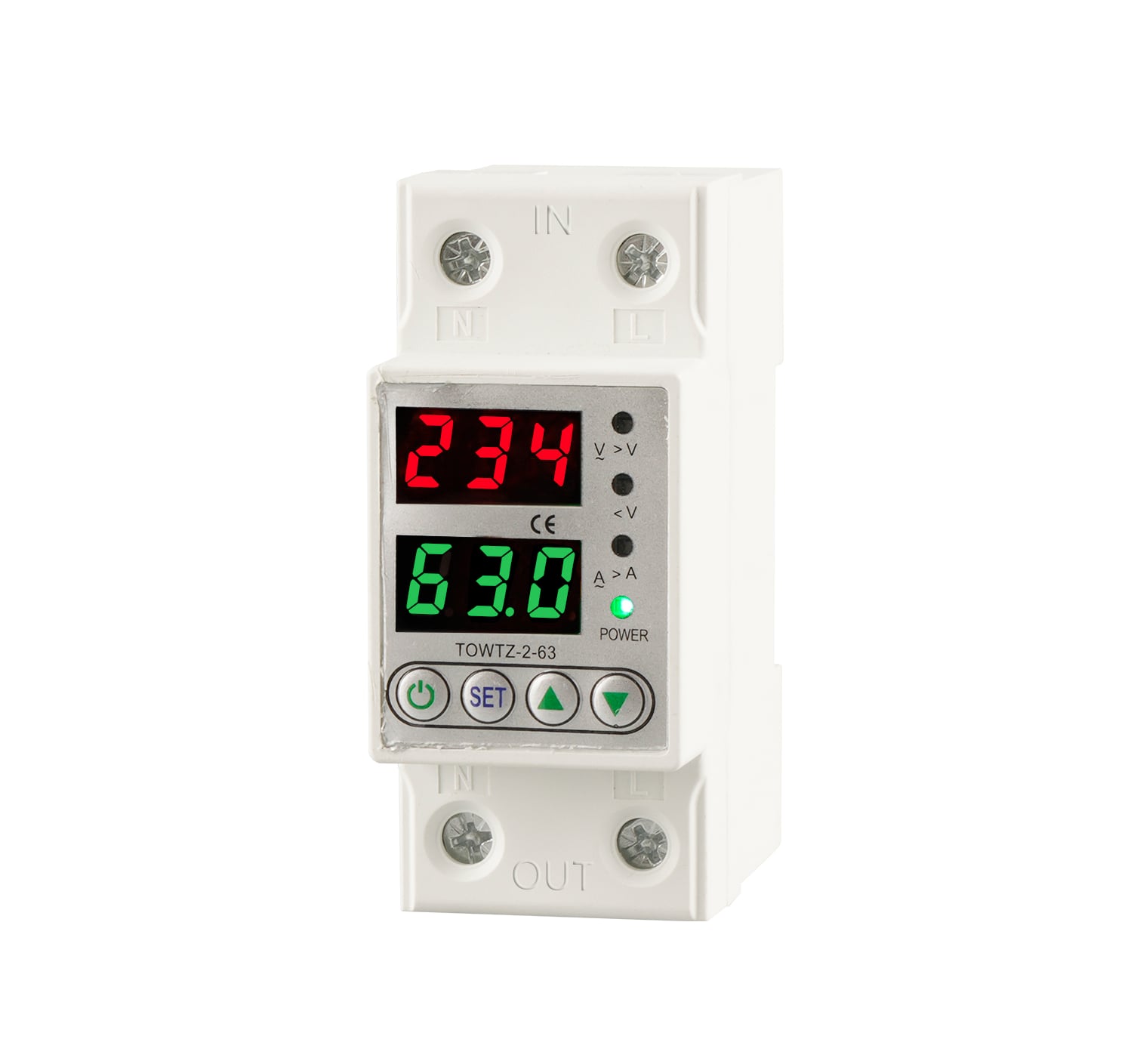
Deciding when to upgrade your home electrical infrastructure with smart technology requires careful consideration of timing, household needs, and technological readiness. A wifi switch represents a significant advancement over traditional mechanical switches, offering remote control capabilities, energy monitoring features, and seamless integration with modern smart home ecosystems. However, not every homeowner needs to rush into this upgrade immediately. Understanding the optimal timing and recognizing the specific triggers that indicate readiness for a wifi switch installation can help you make an informed decision that aligns with your lifestyle requirements, budget considerations, and long-term home automation goals.
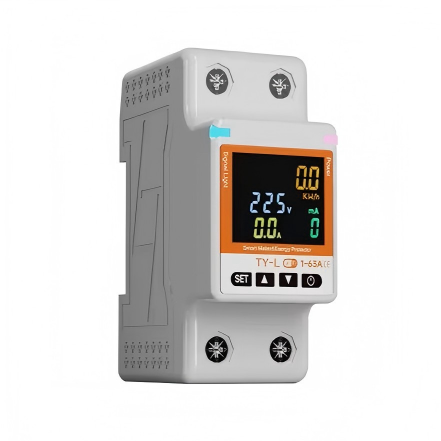
The transition to smart switching technology should align with specific household circumstances rather than following market trends alone. Whether you're dealing with frequent power management challenges, planning a home renovation, experiencing frustration with manual control limitations, or simply seeking greater convenience in your daily routines, there are clear indicators that signal when a wifi switch upgrade becomes genuinely beneficial. This article examines the key decision factors, timing considerations, and practical scenarios that should guide your upgrade decision, helping you determine whether now is the right moment to modernize your home electrical control systems or if waiting might serve your interests better.
Recognizing the Right Timing Signals for WiFi Switch Integration
When Home Renovation Projects Create Natural Upgrade Windows
Home renovation periods represent ideal opportunities to integrate wifi switch technology into your electrical infrastructure. During kitchen remodels, bathroom upgrades, or whole-house renovations, electrical panels are already exposed, wiring is being updated, and contractors are on-site to handle installation complexities. This timing eliminates the need for dedicated installation visits and reduces the overall cost of incorporating smart switching capabilities. When electrical work is already budgeted and scheduled, adding a wifi switch becomes a relatively minor incremental expense compared to retrofitting later when walls are closed and finished.
Planning your wifi switch upgrade during construction or renovation phases also allows for optimal placement decisions and proper circuit design from the outset. Electricians can ensure adequate neutral wire availability, proper load calculations, and strategic positioning that maximizes functionality. This proactive approach prevents the common retrofitting challenges that homeowners face when attempting to install smart switches in completed electrical systems designed decades ago. The renovation window provides flexibility to address infrastructure limitations before they become obstacles to smart home integration.
Additionally, coordinating your wifi switch installation with other smart home upgrades during renovation creates a cohesive automation ecosystem from day one. When you're already investing in smart lighting, automated climate control, or security systems, integrating intelligent switching ensures all components communicate effectively through unified protocols. This synchronized installation approach reduces compatibility issues and establishes a foundation for expanded automation capabilities as your needs evolve over time.
When Energy Management Becomes a Financial Priority
Rising electricity costs often serve as a clear signal that investing in a wifi switch with energy monitoring capabilities makes economic sense. When your monthly utility bills show consistent increases or you're struggling to understand where energy consumption is concentrated, a wifi switch equipped with real-time monitoring features provides the visibility needed to make informed conservation decisions. These devices track power usage patterns, identify energy-intensive appliances, and enable scheduled operation during off-peak rate periods, translating directly into measurable cost savings.
The return on investment calculation becomes particularly favorable when you can quantify current energy waste from devices left in standby mode, inefficient lighting schedules, or appliances running during peak rate hours. A wifi switch allows precise control over these consumption patterns through automated scheduling and remote shutoff capabilities. For households with time-of-use electricity rates, the ability to shift controllable loads to lower-rate periods can generate monthly savings that offset the initial equipment investment within twelve to eighteen months.
Beyond direct cost reduction, the energy data provided by advanced wifi switch systems enables strategic planning for solar installation, battery storage integration, or participation in demand response programs. When you're considering renewable energy investments, having granular consumption data from intelligent switching infrastructure helps size systems appropriately and maximize the financial benefits of distributed energy resources. This timing alignment ensures your smart switching investment serves multiple strategic purposes simultaneously.
Lifestyle Changes That Justify WiFi Switch Adoption
When Remote Management Becomes Essential for Your Daily Routine
Significant lifestyle transitions often create genuine needs for remote electrical control that make wifi switch adoption worthwhile. Professionals who travel frequently for work find substantial value in being able to verify that appliances are powered down, activate lighting to simulate occupancy for security purposes, or respond to alerts about unusual electrical activity while away from home. The peace of mind that comes from remote access and control capabilities justifies the investment when absence from home is a regular occurrence rather than an occasional event.
Families caring for elderly relatives or managing vacation properties experience similar benefits from wifi switch technology. The ability to remotely ensure that heating systems are functioning during cold weather, verify that stoves or irons have been turned off, or maintain lighting schedules that deter break-ins addresses real safety and security concerns. When you're responsible for property management from a distance, the control and monitoring features of a wifi switch transition from convenience features to essential management tools.
Parents with teenagers or young adults living independently for the first time also find value in wifi switch capabilities that allow gentle oversight without intrusive monitoring. The ability to assist with troubleshooting electrical issues remotely, ensure energy-efficient habits are maintained, or respond to questions about appliance operation provides support while respecting privacy boundaries. These life stage transitions create natural timing for adopting technologies that facilitate remote household management.
When Accessibility Needs Make Manual Switches Problematic
Physical mobility challenges or accessibility requirements represent compelling reasons to upgrade to wifi switch technology immediately rather than delaying. For individuals with limited mobility, arthritis, or other conditions that make reaching traditional wall switches difficult, voice-controlled or app-based wifi switch operation eliminates physical barriers to independent living. The investment in smart switching infrastructure directly enhances quality of life and maintains dignity by enabling control without assistance from others.
Aging in place strategies increasingly incorporate wifi switch technology as a foundational element of accessible home design. When you're planning to remain in your current home through retirement years, proactively installing intelligent switching systems prepares your environment for changing physical capabilities. This forward-thinking approach costs less than emergency retrofitting when mobility challenges arise unexpectedly, and it ensures that control systems are already familiar and comfortable rather than requiring learning new interfaces during stressful transitions.
Households with members who have visual impairments also benefit significantly from wifi switch integration with voice assistants and tactile smartphone interfaces. The combination of audible feedback, large-format app controls, and voice command options provides multiple interaction pathways that accommodate various accessibility preferences. When traditional switches pose usability challenges for any household member, the timing for wifi switch adoption becomes immediately relevant rather than aspirational.
Technical Readiness Indicators for WiFi Switch Implementation
When Your Home Network Infrastructure Can Support Smart Devices
The quality and reliability of your existing home network infrastructure significantly influence whether now is the right time to implement wifi switch technology. A robust wireless network with consistent coverage throughout your home, sufficient bandwidth to handle multiple connected devices, and stable internet connectivity forms the essential foundation for reliable smart switching operation. If your current network experiences frequent disconnections, dead zones in coverage areas, or struggles to maintain connections with existing devices, addressing these infrastructure limitations should precede wifi switch adoption.
Upgrading your router to a modern dual-band or mesh networking system often represents a prerequisite step before introducing wifi switch devices that depend on reliable wireless connectivity. When you've recently improved your home networking infrastructure or your current system demonstrates consistent performance across all coverage areas, you've reached a technical readiness threshold that makes wifi switch integration feasible. The investment in reliable networking pays dividends across all smart home devices, not just switching systems, making it a foundational upgrade that enables broader automation capabilities.
Security considerations within your network environment also affect timing decisions for wifi switch deployment. Modern wifi switch systems require secure network protocols, regular firmware updates, and proper network segmentation to prevent vulnerabilities. When you've established strong network security practices, including guest network separation for IoT devices, encrypted connections, and regular password updates, you're technically prepared to safely integrate wifi switch technology without introducing unacceptable security risks to your home network environment.
When Your Electrical System Meets Modern Smart Switch Requirements
The physical characteristics of your home's electrical wiring determine whether wifi switch installation is straightforward or requires significant preparatory work. Homes built or renovated after the 1980s typically include neutral wires in switch boxes, which most wifi switch models require for power. Before committing to an upgrade, having a qualified electrician assess your existing wiring configuration helps identify whether your electrical infrastructure can accommodate wifi switch installation without extensive rewiring or whether alternative solutions like battery-powered switches or smart bulbs might be more appropriate.
Circuit breaker panel capacity and individual circuit load ratings also influence timing for wifi switch adoption. When your electrical panel has available breaker slots for dedicated circuits or your existing circuits can safely accommodate the additional minimal load of wifi switch devices, you've met a key technical prerequisite. Conversely, if your panel is fully loaded or you're experiencing frequent circuit trips with current usage levels, addressing these underlying electrical capacity issues before adding smart switching technology prevents future operational problems and safety concerns.
The age and condition of your existing switches and wiring also provide timing guidance for wifi switch upgrades. When traditional switches show signs of wear, produce unusual sounds, feel warm to the touch, or fail to operate smoothly, replacing them with wifi switch alternatives makes sense from both functionality and safety perspectives. This maintenance-driven replacement timing allows you to upgrade to smart technology while addressing necessary repairs, maximizing the value of your investment by solving multiple problems simultaneously rather than installing new switches only to replace them again with smart versions later.
Financial Considerations That Influence Upgrade Timing
When Budget Availability Aligns With Long-Term Value Realization
The upfront cost of wifi switch technology requires budget planning, but the timing becomes right when you can view the expense as a long-term investment rather than a discretionary purchase. Quality wifi switch systems with comprehensive features including energy monitoring, voltage protection, and circuit breaker functionality represent substantial initial investments compared to traditional mechanical switches. However, when your financial situation allows for investments that generate returns through energy savings, enhanced property value, and improved daily convenience, the timing aligns favorably for making this upgrade.
Seasonal sales periods, manufacturer promotions, and bundled smart home packages often create cost-effective windows for wifi switch adoption. When you can acquire quality wifi switch products at significant discounts during promotional periods, the effective cost per switch decreases substantially, improving the overall return on investment calculation. Monitoring market pricing and timing your purchase to coincide with these promotional opportunities maximizes the value received for your budget allocation while still obtaining reliable, feature-rich products.
The availability of utility company rebates and energy efficiency incentive programs also influences optimal timing for wifi switch investment. Many regional utilities offer financial incentives for installing energy monitoring and management technologies that reduce peak demand or enable participation in demand response programs. When your local utility provider offers such programs, the net cost of wifi switch installation drops significantly, sometimes covering twenty to forty percent of equipment and installation expenses. Researching available incentives before purchasing ensures you capture all available financial support that makes the upgrade more affordable.
When Cost-Benefit Analysis Demonstrates Clear Advantages
Conducting a thorough cost-benefit analysis helps determine whether current conditions justify wifi switch adoption or whether waiting might prove more advantageous. Calculate your projected energy savings based on current consumption patterns, estimated reduction from automated scheduling and remote control, and your local electricity rates. When this analysis shows payback periods of three years or less, the financial case for immediate upgrade becomes compelling. Longer payback periods might suggest waiting until equipment costs decrease further or your usage patterns change to create greater savings potential.
Consider the cumulative value of multiple benefits beyond direct energy savings when evaluating upgrade timing. The convenience factor of voice control and app-based operation, the security enhancement from occupancy simulation and remote monitoring, the property value increase from modern smart home features, and the improved safety from circuit protection capabilities all contribute to total value realization. When you can quantify or reasonably estimate these combined benefits, the upgrade decision often becomes financially justified even when energy savings alone might not generate rapid payback.
The opportunity cost of delaying wifi switch adoption also merits consideration in your timing decision. Every month you postpone the upgrade represents continued energy waste, missed convenience benefits, and foregone security enhancements that the technology provides. When the cumulative value of these ongoing benefits exceeds the marginal benefit of waiting for potentially lower future pricing, acting sooner rather than later maximizes the total value you extract from the investment over your ownership period of the property.
Strategic Implementation Approaches for WiFi Switch Upgrades
When Phased Deployment Makes More Sense Than Whole-House Conversion
Not every household needs to implement wifi switch technology throughout the entire property simultaneously. A phased approach targeting high-value applications first allows you to gain experience with the technology, validate benefits in your specific environment, and spread costs across multiple budget cycles. Starting with frequently used circuits like kitchen appliances, living area lighting, or home office equipment provides immediate daily value while limiting initial investment. This incremental strategy also reduces the learning curve and allows household members to adapt gradually to new control methods.
Prioritizing circuits with the highest energy consumption or safety concerns in your initial wifi switch deployment maximizes return on investment from the first installations. Identifying major load circuits through current monitoring or utility data helps target upgrade efforts where impact will be greatest. When you focus initial deployment on high-value applications, you generate measurable benefits quickly, building confidence and enthusiasm for expanding the system to additional circuits over time as budget permits and as you identify additional applications that would benefit from smart switching capabilities.
The phased approach also provides flexibility to incorporate technological improvements as standards evolve and new features become available. Rather than committing your entire switching infrastructure to current technology generation, gradual deployment allows you to adopt newer wifi switch models with enhanced capabilities for later phases while still utilizing earlier installations that continue functioning effectively. This staged implementation strategy balances immediate benefit realization with flexibility to incorporate future innovations without requiring complete system replacement.
When Professional Installation Versus DIY Approaches Make Sense
The decision between professional installation and self-installation of wifi switch technology significantly affects both timing and total cost. Homeowners with electrical knowledge, proper tools, and comfort working with house wiring may find DIY installation feasible for straightforward single-pole switch replacements in standard configurations. However, complex installations involving three-way switches, high-voltage circuits, or situations requiring neutral wire installation should involve licensed electricians to ensure safety and code compliance. Understanding your own capabilities and the specific requirements of your installation helps determine whether now is the right time to proceed independently or whether waiting until you can budget for professional installation is more appropriate.
Professional installation provides additional value beyond basic switch replacement through comprehensive electrical system assessment, proper load calculation, verification of adequate grounding, and expert troubleshooting of any compatibility issues. When you're uncertain about your electrical system's condition or you're planning multiple wifi switch installations simultaneously, professional installation offers efficiency and reliability that DIY approaches may struggle to match. The timing becomes right for professional installation when you've identified multiple circuits for upgrade and can negotiate favorable rates for bundled installation services rather than paying individual service call fees.
Consider hybrid approaches where professional electricians handle complex primary installations while you manage simpler additions as you expand the system. This strategy provides professional verification of critical safety and compatibility issues during initial deployment while allowing cost savings through self-installation of straightforward additional units later. When you're comfortable with basic electrical work but want expert validation of your approach, having an electrician install and configure the first few wifi switch units while you observe and learn prepares you to handle future expansions independently with confidence.
FAQ
What are the minimum requirements my home must meet before I can install a wifi switch?
Your home needs reliable wireless internet coverage in areas where you plan to install wifi switch devices, since these units depend on consistent network connectivity for remote control and monitoring functions. Most wifi switch models also require a neutral wire in the switch box, which is standard in homes built after 1985 but may be absent in older constructions. Additionally, your circuit breaker panel should have adequate capacity for the circuits you plan to automate, and your smartphone or tablet must be compatible with the manufacturer's control application. Conducting a pre-installation assessment with a qualified electrician helps identify any electrical system upgrades needed before proceeding with wifi switch installation.
How do I know if my current electrical usage patterns justify investing in a wifi switch now?
Review your electricity bills from the past year to identify patterns of high consumption, particularly during peak rate periods if your utility uses time-of-use pricing. If you frequently forget to turn off devices, run appliances during expensive rate periods, or lack visibility into which circuits consume the most power, a wifi switch with energy monitoring provides immediate value. Calculate potential savings by estimating how much consumption you could shift to off-peak hours or eliminate through automated scheduling and remote shutoff capabilities. When projected annual savings exceed twenty-five percent of the equipment and installation cost, you've reached a threshold where investment timing makes financial sense from an energy management perspective alone, before considering additional convenience and security benefits.
Can I upgrade to a wifi switch gradually or should I convert my entire home at once?
Gradual implementation works effectively for most households and often proves more practical than whole-house conversion. Starting with high-priority circuits like those serving major appliances, frequently used lighting, or areas where remote control provides the greatest convenience allows you to validate benefits and build familiarity with the technology before expanding. This phased approach spreads costs across multiple budget periods and lets you incorporate improved wifi switch models in later phases as technology advances. However, ensure all devices you purchase support the same communication protocol and integrate with your chosen smart home platform to maintain system cohesion as you expand. Many homeowners successfully operate hybrid environments with smart switches on some circuits and traditional switches on others for years without significant drawbacks.
What signs indicate my existing switches need replacement and make now the ideal time for upgrading to wifi switch technology?
Physical deterioration of existing switches including loose toggle action, unusual warmth during operation, discoloration around the switch plate, crackling sounds when switching, or intermittent operation all suggest that replacement is advisable from a safety and functionality standpoint. When switches require replacement anyway, upgrading to wifi switch technology makes strategic sense since you're already investing in new components and installation labor. Additionally, if you're experiencing limitations with current manual control such as difficulty reaching switches, frustration with forgetting to turn off devices, or wishing you could control circuits remotely, these functional pain points indicate that the enhanced capabilities of wifi switch technology would provide meaningful improvements to your daily routine, making the current moment appropriate for upgrading rather than simply replacing failed switches with similar manual versions.
Table of Contents
- Recognizing the Right Timing Signals for WiFi Switch Integration
- Lifestyle Changes That Justify WiFi Switch Adoption
- Technical Readiness Indicators for WiFi Switch Implementation
- Financial Considerations That Influence Upgrade Timing
- Strategic Implementation Approaches for WiFi Switch Upgrades
-
FAQ
- What are the minimum requirements my home must meet before I can install a wifi switch?
- How do I know if my current electrical usage patterns justify investing in a wifi switch now?
- Can I upgrade to a wifi switch gradually or should I convert my entire home at once?
- What signs indicate my existing switches need replacement and make now the ideal time for upgrading to wifi switch technology?