 EN
EN

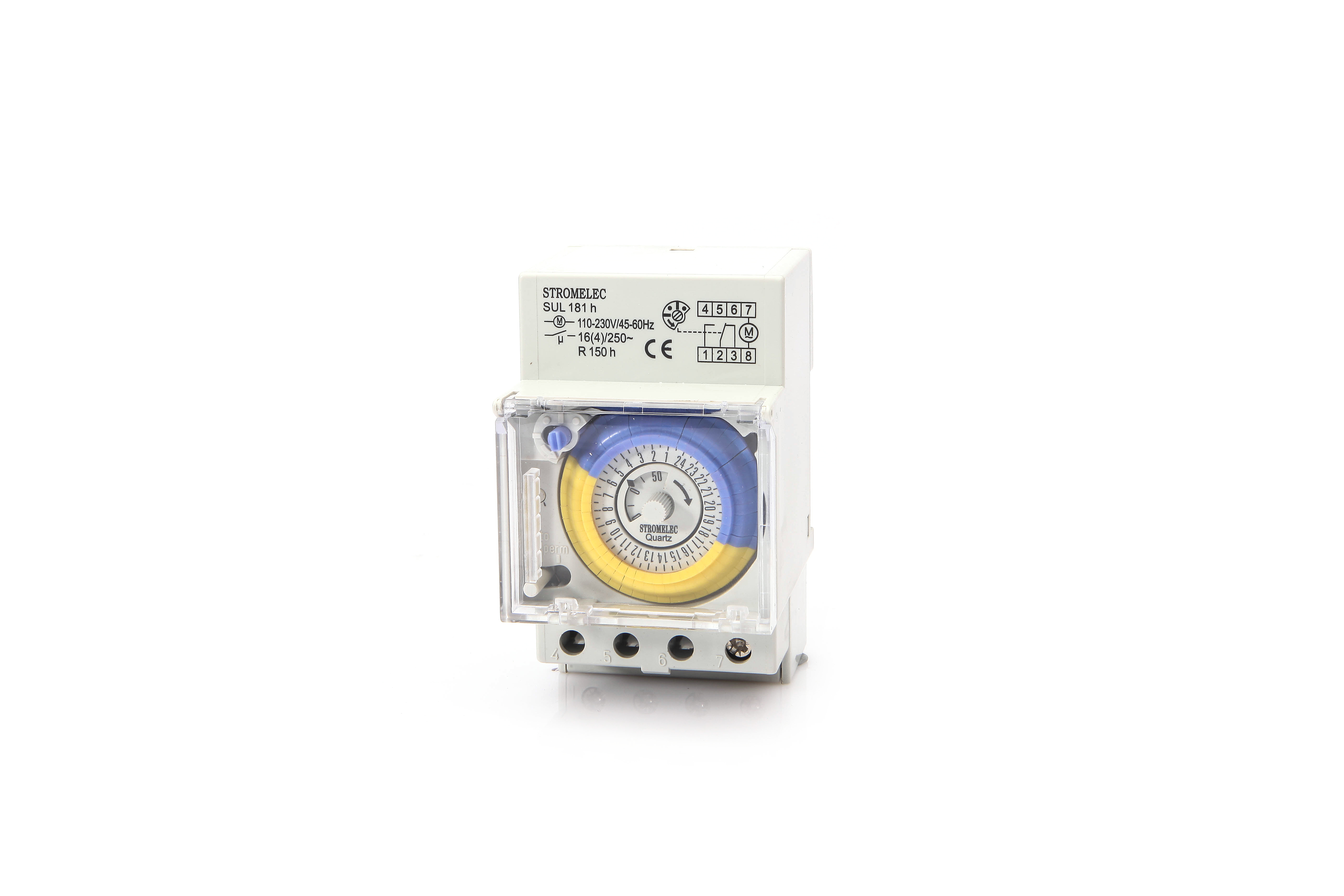
A good digital timer for cooking in 2025 combines precision, durability, and user-friendly design that meets the demands of modern kitchens. Whether you're a professional chef managing multiple dishes simultaneously or a home cook striving for consistent results, the right timer transforms cooking from guesswork into a reliable science. Today's advanced timer technology offers programmable functions, audible alerts with adjustable volumes, and construction that withstands the heat, moisture, and constant use typical in culinary environments. Understanding what distinguishes an exceptional timer from a mediocre one empowers you to make informed decisions that enhance cooking accuracy and kitchen efficiency throughout 2025 and beyond.
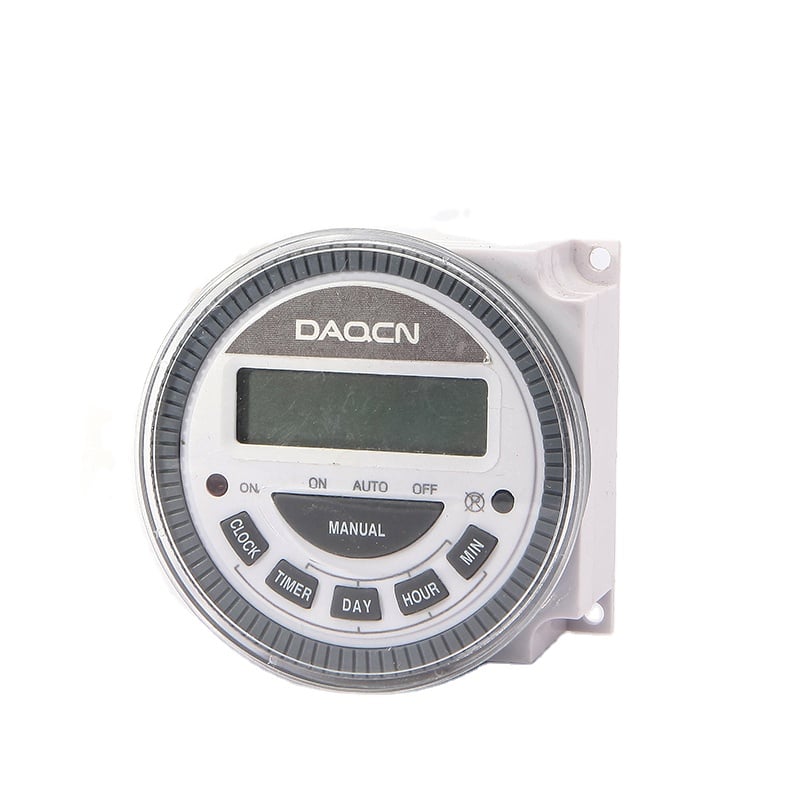
The evolution of cooking timer technology reflects broader shifts in culinary practices and consumer expectations. Modern digital timer devices have moved far beyond simple countdown mechanisms to incorporate features like memory functions, multi-channel timing, and integration with smart kitchen ecosystems. As cooking techniques become more sophisticated and time-sensitive recipes proliferate across global cuisines, the need for reliable, precise timer instruments grows correspondingly. This article examines the essential characteristics that define a superior digital timer for cooking applications in 2025, exploring display clarity, programming flexibility, build quality, power reliability, and practical usability factors that separate professional-grade timer solutions from basic consumer models.
Core Technical Specifications That Define Timer Quality
Timing Accuracy and Resolution Standards
Timing accuracy represents the foundational characteristic of any quality digital timer designed for cooking applications. Professional-grade timer devices maintain accuracy within one second per hour, ensuring that recipes requiring precise timing—such as tempering chocolate, proofing bread dough, or cooking sous vide—deliver consistent results. The resolution of the timer display matters equally, with the best models offering second-by-second countdown visibility rather than minute-only increments. This granular control proves essential when cooking delicate proteins or executing techniques where thirty-second variations affect final texture and flavor. Advanced timer systems incorporate quartz crystal oscillators that minimize drift over extended periods, maintaining reliability even during marathon cooking sessions that span multiple hours.
The programming range of a cooking timer determines its versatility across different culinary applications. Superior timer models in 2025 offer countdown ranges from one second to ninety-nine hours and fifty-nine minutes, accommodating everything from quick blanching operations to lengthy fermentation processes. Multi-stage timer programming allows cooks to set sequential alerts for recipes requiring stepwise attention, such as roasting that demands temperature changes or braising that involves multiple liquid additions. The ability to program and store custom timer sequences eliminates repetitive setup for frequently prepared dishes, streamlining workflow in both commercial and residential kitchens. When evaluating timer specifications, consider whether the device supports both count-up and count-down modes, as certain cooking techniques benefit from tracking elapsed time rather than targeting predetermined endpoints.
Display Technology and Visibility Characteristics
Display readability under diverse kitchen conditions separates excellent timer devices from adequate ones. High-quality cooking timer units feature LED or LCD screens with digit heights exceeding fifteen millimeters, ensuring visibility from across typical kitchen distances even amid steam, smoke, or variable lighting. Backlit displays with adjustable brightness accommodate both dimly lit prep areas and brightly illuminated professional kitchens without causing eye strain or becoming illegible. The contrast ratio between display elements and background proves crucial when viewing the timer from oblique angles while simultaneously managing other cooking tasks. Anti-glare screen coatings prevent reflections from overhead lighting or windows that might obscure critical timing information during crucial cooking moments.
The information architecture displayed on a cooking timer screen significantly impacts usability during hectic kitchen operations. Well-designed timer interfaces show remaining time prominently while providing secondary indicators for programmed settings, battery status, and active channel identification when multiple timers run concurrently. Color-coded displays or segmented screens help differentiate between simultaneous timing operations for cooks managing complex multi-course preparations. Some advanced timer systems incorporate progress bars or visual countdown indicators that provide intuitive at-a-glance status updates without requiring numerical interpretation. The best timer displays balance information density with simplicity, presenting essential data without cluttering the screen with unnecessary indicators that complicate quick comprehension during time-sensitive cooking situations.
Alert System Design and Customization
Alert effectiveness determines whether a timer successfully captures attention amid the ambient noise and activity typical in active kitchens. Premium cooking timer devices generate audible alerts exceeding eighty-five decibels, ensuring detectability even with ventilation systems running, background music playing, or multiple conversations occurring simultaneously. Adjustable volume controls allow users to tailor alert intensity to specific environments, preventing excessive noise in quiet home kitchens while maintaining adequate volume in bustling commercial settings. Multi-tone alert patterns help distinguish between different timer channels when tracking multiple dishes, enabling cooks to identify which preparation requires attention without checking the timer display directly.
Alert duration and repetition patterns affect how reliably a timer prevents overcooking or burning when attention temporarily shifts elsewhere. Quality timer systems offer configurable alert durations ranging from brief single beeps to continuous alarms that persist until manually acknowledged. Interval repetition features reactivate alerts at preset intervals if initial warnings go unheeded, providing backup notifications for situations when cooks step away briefly or become absorbed in other preparations. Vibration alerts complement audible signals in timer models designed for environments where sound-based notifications prove impractical, such as open-plan living spaces where cooking noise might disturb others. The combination of multi-sensory alert options ensures that timer notifications successfully reach users regardless of environmental conditions or situational constraints.
Construction Quality and Environmental Durability
Materials Engineering for Kitchen Conditions
The material composition of a cooking timer directly influences its longevity and reliability in demanding kitchen environments. Professional-grade timer housings utilize high-impact ABS plastic or reinforced polycarbonate that resists cracking when dropped on hard tile or concrete floors common in commercial kitchens. Chemical-resistant surface treatments protect timer exteriors from degradation caused by acidic ingredients, cleaning agents, or cooking oils that inevitably contact devices used in active food preparation areas. Sealed button interfaces with silicone membranes prevent moisture ingress and food particle accumulation that compromise functionality in standard timer models with exposed mechanical switches. The best cooking timer devices feature seamless construction with minimal crevices where bacteria might harbor, supporting sanitation standards essential in professional food service operations.
Thermal management capabilities determine whether a timer maintains accuracy and functionality when positioned near heat sources typical in cooking environments. Quality timer electronics incorporate temperature-compensated components that maintain timing precision across the zero to fifty-degree Celsius range encountered in most kitchen settings. Heat-resistant housing materials prevent warping or discoloration when timer units sit adjacent to stovetops, ovens, or other heat-generating appliances. Adequate ventilation design within the timer enclosure prevents internal heat accumulation that accelerates component degradation and reduces operational lifespan. Some specialized timer models feature detached sensor probes connected via heat-resistant cables, allowing the main display unit to remain in cooler locations while monitoring temperatures in ovens or cooking vessels directly.
Water and Particle Ingress Protection
Ingress protection ratings provide objective measures of how effectively a timer withstands moisture and particulate exposure inherent to cooking environments. Superior cooking timer devices achieve IP54 ratings or higher, indicating protection against dust accumulation and water splashing from any direction without compromising internal electronics. This protection level proves essential given the inevitable exposure to ingredient spills, washing overspray, and condensation that occurs in active kitchens. Gasket-sealed battery compartments prevent corrosion from humidity exposure that otherwise shortens battery life and creates connection reliability issues. Display windows with bonded rather than gapped construction eliminate pathways for steam or liquid penetration that fogs screens or damages display electronics in conventional timer designs.
Cleaning compatibility represents a practical consideration often overlooked when evaluating timer devices for cooking applications. Timer surfaces finished with non-porous, food-grade materials facilitate sanitation using standard kitchen disinfectants without surface degradation or discoloration over time. Smooth exterior contours without recessed areas or textured patterns that trap food residue enable thorough cleaning with simple wiping rather than requiring detailed scrubbing with brushes or tools. Some advanced timer models feature antimicrobial surface treatments that inhibit bacterial growth between cleaning sessions, supporting hygiene standards particularly important in professional food preparation environments. The ability to clean a timer quickly and effectively without special procedures or concerns about moisture damage enhances practical usability throughout the demanding daily routine of active cooking operations.
Programming Flexibility and User Interface Design
Input Methods and Control Accessibility
The control interface design of a cooking timer significantly impacts how efficiently users can program settings while simultaneously managing other kitchen tasks. Premium timer devices feature large, tactile buttons with positive feedback that confirm input registration without requiring visual verification, allowing cooks to adjust settings by touch alone while maintaining visual focus on cooking processes. Button spacing and arrangement follow ergonomic principles that minimize accidental inputs when operating the timer with wet or greasy hands typical during food preparation. Quick-set buttons for common intervals such as five, ten, fifteen, and thirty minutes reduce programming steps for frequently used timer durations, streamlining workflow during repetitive cooking operations.
Programming logic affects how intuitively users can configure timer settings without consulting instruction manuals or fumbling through menu hierarchies. Well-designed timer interfaces employ direct-access programming where dedicated buttons immediately activate specific functions rather than requiring navigation through nested menu systems. Visual feedback during programming, such as flashing digits or confirmation icons, reduces errors by clearly indicating which parameter currently accepts input. Memory functions that recall previously programmed timer sequences eliminate repetitive setup for standard recipes, particularly valuable in commercial kitchens where specific dishes cycle regularly through production. The most sophisticated timer systems offer one-touch operation for stored programs, enabling instant activation of complex multi-stage timing sequences with single button presses.
Multi-Channel Timing Capabilities
The ability to track multiple simultaneous timing operations distinguishes professional-capable timer devices from basic consumer models. Advanced cooking timer systems support two, three, or even four independent timing channels that operate concurrently, enabling cooks to monitor different dishes or cooking stages without requiring multiple separate timer devices. Channel-specific displays with clear labeling prevent confusion about which timer corresponds to which dish, critical when managing complex multi-course preparations with staggered timing requirements. Independent alert systems for each channel, utilizing distinct tones or visual indicators, allow immediate identification of which preparation requires attention when alarms activate during busy service periods.
Channel management features enhance the practical utility of multi-channel timer devices in real cooking workflows. Priority alerts that differentiate between urgent notifications and informational reminders help cooks triage attention appropriately when multiple timer channels activate near-simultaneously. The ability to pause, reset, or adjust individual channels without affecting other active timers provides operational flexibility when cooking plans change or unexpected circumstances require timing modifications. Some advanced timer models incorporate smart algorithms that suggest optimal timing coordination when programming multiple channels, helping users sequence operations efficiently to minimize idle time and ensure components of complex meals finish simultaneously. These sophisticated features transform basic timer functionality into comprehensive cooking workflow management tools that significantly enhance kitchen productivity.
Power Management and Operational Reliability
Battery Technology and Longevity
Power supply reliability determines whether a timer remains dependable throughout extended cooking sessions and between battery replacement intervals. High-quality cooking timer devices utilize efficient microcontroller designs that extract maximum operational duration from standard battery types, with premium models achieving six to twelve months of continuous use from common AA or AAA cells. Low-power display technologies such as LCD screens with reflective polarizers consume minimal current compared to backlit LED displays, extending battery life without sacrificing readability. Automatic power-saving modes that reduce display brightness or deactivate backlighting after preset idle periods further extend operational duration between battery changes.
Battery status indication prevents unexpected power failures during critical cooking operations. Sophisticated timer systems incorporate early low-battery warnings that alert users well before power depletion threatens functionality, providing adequate time to replace cells during planned downtime rather than mid-recipe. Battery level indicators showing remaining charge capacity enable proactive maintenance scheduling, particularly important in commercial kitchens where timer failure might disrupt service operations. Some professional timer models feature dual battery configurations where backup cells automatically activate if primary power fails, ensuring uninterrupted operation during extended cooking processes where timing continuity proves essential for recipe success.
Alternative Power Options and Backup Systems
Hybrid power systems offering both battery and AC adapter operation provide flexibility for different installation scenarios and usage patterns. Timer devices with optional wall adapter capability support permanent countertop installations where power outlets exist nearby, eliminating battery replacement requirements while maintaining battery backup for continued operation during power interruptions. Rechargeable battery integration in advanced timer models combines the convenience of cordless operation with the economy and environmental benefits of eliminating disposable battery consumption. Solar charging capabilities in specialized timer designs support sustainable operation in well-lit kitchen environments, though practical effectiveness depends on consistent exposure to adequate light levels.
Memory retention during power transitions ensures that programmed timer settings and active countdowns survive battery changes or power interruptions without data loss. Capacitor-based memory backup systems maintain critical timer state information for several minutes during battery replacement, allowing users to swap power sources without losing active timing operations or stored program sequences. Non-volatile memory technologies in premium timer devices preserve programmed settings permanently regardless of power status, eliminating the frustration of reconfiguring custom timer programs after every battery change. This reliability proves particularly valuable in commercial settings where timer devices may experience frequent power cycling or battery maintenance during intensive daily use across multiple shifts.
Mounting Options and Installation Versatility
Physical Mounting Configurations
Installation flexibility determines how effectively a cooking timer integrates into diverse kitchen layouts and workflows. Versatile timer designs incorporate multiple mounting options including magnetic backs for attachment to metal surfaces like refrigerators or range hoods, fold-out stands for stable countertop placement, and keyhole slots or hanging loops for wall mounting using hooks or screws. Magnetic mounting proves particularly convenient for repositioning timer devices as needed throughout cooking sessions, while permanent installation via wall mounting suits dedicated cooking stations in professional kitchens. Adjustable viewing angles in timer stands ensure optimal display visibility regardless of mounting location or user height, reducing neck strain during extended cooking sessions.
Footprint optimization allows timer devices to occupy minimal counter space in crowded kitchen environments. Compact timer designs with efficient component layouts deliver full functionality within slim profiles that fit easily among other essential cooking tools without creating clutter. Stackable timer configurations enable vertical organization when multiple timer units serve different cooking zones or preparation areas within a single kitchen. Some innovative timer systems feature modular designs where display units separate from input controls via extending cables, allowing flexible positioning that places displays at eye level for easy viewing while situating control interfaces at convenient hand height for adjustment without reaching or stretching.
Portability and Relocation Considerations
Portability requirements vary depending on cooking styles and kitchen organization preferences. Lightweight timer construction facilitates easy repositioning throughout cooking sessions, allowing cooks to keep timing information visible regardless of which kitchen zone currently demands attention. Cordless battery operation eliminates tether constraints that limit placement options with AC-powered timer alternatives, supporting truly flexible positioning anywhere within the cooking environment. Protective carrying cases or storage solutions help maintain timer condition when devices require transport between locations, particularly relevant for cooking instructors, catering professionals, or culinary enthusiasts who participate in cooking events at various venues.
Stability during portable use ensures that timer devices remain securely positioned despite the vibrations, impacts, and movements typical in active kitchens. Non-slip base pads prevent timer migration across smooth countertop surfaces when nearby activity creates vibrations or when accidentally contacted during hurried movements. Adequate weight distribution and low center-of-gravity design resist tipping when buttons receive forceful presses or when the timer sits on uneven surfaces. Some timer models incorporate clip attachments that secure devices to apron pockets, belt loops, or kitchen towel bars, keeping timing information immediately accessible while maintaining hands-free operation during intensive cooking periods requiring constant multitasking.
FAQ
How accurate should a cooking timer be for professional kitchen use?
Professional cooking applications require timer accuracy within plus or minus one second per hour to ensure consistent results across recipes with precise timing requirements. This accuracy level proves essential for techniques like sous vide cooking, bread proofing, tempering chocolate, and other processes where small timing variations significantly impact final quality. Commercial-grade timer devices typically incorporate quartz crystal oscillators that maintain this precision throughout their operational lifespan, unlike lower-quality consumer models that may drift several seconds per hour and accumulate substantial timing errors during extended cooking sessions.
What protection rating should a kitchen timer have against moisture and spills?
A quality cooking timer should achieve at minimum an IP54 ingress protection rating, indicating complete protection against dust accumulation and resistance to water splashing from any direction. This protection level ensures the timer withstands inevitable exposure to ingredient spills, washing overspray, and steam condensation typical in active cooking environments without suffering internal damage or functionality degradation. Higher ratings such as IP65 or IP67 provide additional security for particularly demanding applications, though they may increase device cost. Proper ingress protection extends timer lifespan significantly compared to unrated models that frequently fail due to moisture-related corrosion or contamination.
How many timing channels do most home cooks actually need?
Most home cooking scenarios benefit from timer devices with two to three independent timing channels, providing adequate capacity to monitor multiple dishes or cooking stages simultaneously without requiring separate timer devices. Single-channel timers suffice only for the simplest cooking patterns involving one dish at a time, while four or more channels typically exceed residential cooking complexity except for ambitious multi-course meal preparation or holiday cooking involving numerous simultaneous dishes. Commercial kitchens generally require four-channel minimum capability to manage typical production volumes, with some high-volume operations benefiting from dedicated timer devices for each cooking station rather than consolidated multi-channel units.
What battery life should I expect from a quality digital cooking timer?
Premium cooking timer devices typically deliver six to twelve months of normal use from standard AA or AAA alkaline batteries, depending on display technology, backlight usage patterns, and alert frequency. LCD-based timers with minimal backlighting achieve the longest battery life, often exceeding twelve months with moderate use, while LED displays with constant illumination may require replacement every three to six months. Rechargeable battery options reduce long-term operating costs and environmental impact, though they necessitate periodic charging discipline. Quality timer designs incorporate low-battery warnings that activate well before power depletion threatens functionality, providing adequate notice for proactive battery replacement during planned downtime rather than unexpected mid-recipe failures.