 EN
EN

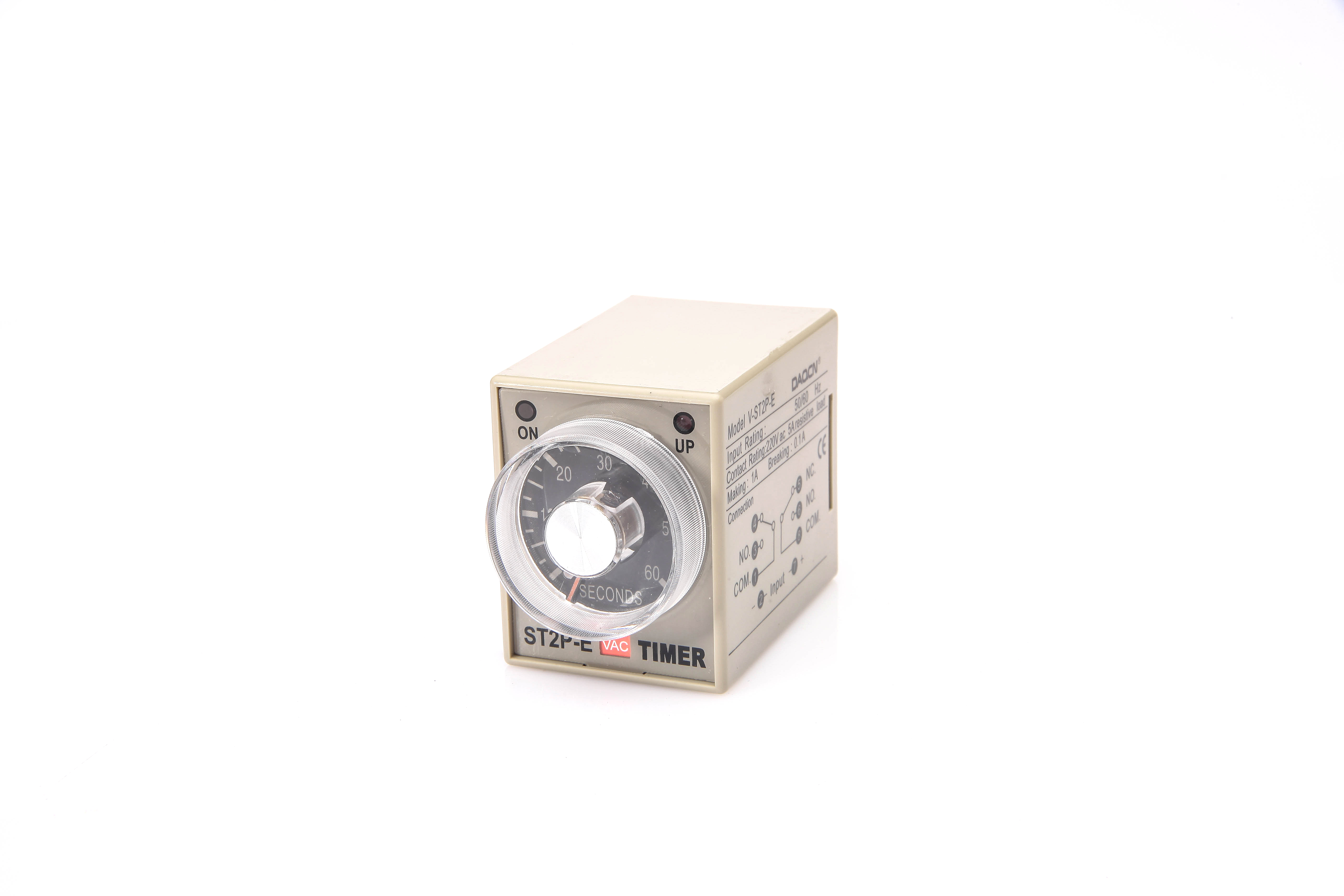
Selecting the appropriate wifi switch for your home setup requires careful consideration of compatibility, functionality, and long-term reliability. Modern smart home ecosystems demand devices that integrate seamlessly with existing infrastructure while providing robust control over electrical circuits. A wifi switch serves as the cornerstone of home automation, enabling remote operation, scheduling, and energy monitoring through wireless connectivity. Understanding the technical specifications, installation requirements, and feature sets available in today's market empowers homeowners to make informed decisions that align with their specific automation goals and household electrical configurations.
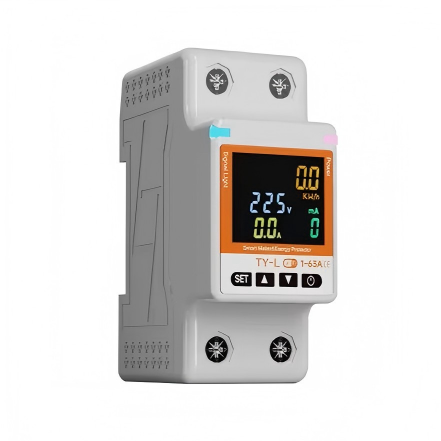
The decision-making process extends beyond simple on-off functionality, encompassing critical factors such as load capacity, network security protocols, smart platform compatibility, and safety certifications. Whether upgrading a single room or implementing whole-home automation, the right wifi switch selection directly impacts system performance, energy efficiency, and user experience. This comprehensive guide examines the essential evaluation criteria, technical considerations, and practical selection strategies that ensure optimal integration within diverse residential electrical environments and smart home architectures.
Understanding WiFi Switch Technology and Core Capabilities
Wireless Communication Standards and Network Integration
A wifi switch operates by connecting directly to your home wireless network, typically using the 2.4GHz frequency band for maximum range and penetration through walls and floors. This frequency selection proves critical because 5GHz networks, while faster, often struggle with signal strength in residential environments with multiple barriers. The device must maintain stable connectivity to execute commands reliably, making network compatibility assessment your first technical checkpoint. Most modern wifi switch units support IEEE 802.11 b/g/n standards, ensuring broad router compatibility across various manufacturers and network configurations.
Network security features embedded within the wifi switch determine how safely your electrical control system operates within your home network ecosystem. Look for devices supporting WPA2 or WPA3 encryption protocols, which protect communication between the switch and your router from unauthorized access. Some advanced units implement additional security layers including device-level authentication and encrypted cloud communication channels. The wifi switch should also support secure firmware updates to address potential vulnerabilities discovered after installation, maintaining long-term security integrity without requiring physical hardware replacement.
Integration capabilities with home networking equipment vary significantly across wifi switch models. Dual-band routers may require configuration adjustments to ensure the switch connects to the appropriate frequency band. Router compatibility extends to mesh network systems, where the wifi switch must handle seamless transitions between access points without disconnecting. Understanding your current network topology and future expansion plans helps identify switches with robust network management features, including automatic reconnection after power outages and stable performance in congested wireless environments with multiple connected devices.
Smart Platform Ecosystem Compatibility
Platform compatibility determines which voice assistants, mobile applications, and automation routines can control your wifi switch. Major ecosystems include Amazon Alexa, Google Assistant, Apple HomeKit, and dedicated platforms like Tuya Smart or SmartThings. A wifi switch supporting multiple platforms provides flexibility if you transition between ecosystems or operate a mixed-platform household. Verify that the switch manufacturer maintains active application development and cloud service infrastructure, as discontinued support renders advanced features inoperable even when basic electrical functionality remains intact.
Native application features define your daily interaction experience with the wifi switch. Essential capabilities include remote on-off control, scheduling with multiple time-based rules, timer functions, and real-time status monitoring. Advanced applications offer energy consumption tracking, usage statistics, historical data analysis, and integration with third-party services through IFTTT or similar automation platforms. The mobile interface should provide intuitive navigation, responsive controls, and reliable notifications for status changes or system alerts, ensuring practical usability for all household members regardless of technical expertise.
Cloud dependency versus local control represents a fundamental architectural decision affecting long-term reliability and privacy. Some wifi switch models require constant cloud connectivity for all operations, while others maintain local network control with cloud features as optional enhancements. Local control ensures continued operation during internet outages but may limit remote access from outside your home network. Evaluate your priorities regarding privacy, reliability during connectivity disruptions, and the necessity of remote access from external locations when traveling or away from home for extended periods.
Electrical Specifications and Installation Requirements
Load Capacity and Circuit Compatibility
The electrical load rating of your wifi switch must exceed the maximum current draw of all connected devices by an adequate safety margin. Standard residential switches typically handle 10 to 16 amperes at 120 or 240 volts, but verification against your specific circuit requirements prevents overload conditions. Calculate total load by summing the wattage of all devices controlled by the switch and dividing by your line voltage to determine amperage requirements. Include a 20 percent safety buffer to accommodate inrush currents during device startup and to prevent operating the switch at maximum capacity continuously.
Inductive loads from motors, transformers, and fluorescent lighting fixtures demand special consideration when selecting a wifi switch. These devices generate reactive power that can damage switches rated only for resistive loads like incandescent bulbs or heating elements. Check manufacturer specifications for motor load ratings, often expressed separately from resistive load capacities. A wifi switch controlling ceiling fans, air conditioning units, or appliances with compressors requires explicit compatibility certification to ensure reliable operation and prevent premature failure from excessive switching stress.
Voltage compatibility varies by region and existing electrical infrastructure. North American installations typically operate at 120V single-phase, while many European and Asian markets use 220-240V systems. Some wifi switch models offer universal voltage support spanning 100-240V, providing flexibility for international households or when replacing switches in buildings with varied electrical configurations. Verify phase requirements as well, particularly for high-power circuits where three-phase configurations may exist, though residential applications predominantly use single-phase power distribution.
Physical Installation Considerations and Wiring Configurations
Physical dimensions and back-box depth requirements determine whether a wifi switch fits within existing electrical boxes without modification. Smart switches contain wireless communication modules, relays, and power supplies that occupy more space than traditional mechanical switches. Measure your current switch box depth and compare against manufacturer specifications, noting that metal boxes may require additional wireless signal considerations. Older homes with shallow boxes may necessitate box replacement or selection of compact wifi switch designs specifically engineered for retrofit applications.
Wiring configuration compatibility represents a critical selection factor, particularly regarding neutral wire availability. Most wifi switch models require a neutral wire connection to power the wireless communication circuitry continuously, even when the controlled circuit is switched off. Older homes often lack neutral wires at switch locations, having only line and load conductors. If neutral wires are unavailable, seek specialized wifi switch designs that operate without neutral connections, though these typically cost more and may offer reduced feature sets due to power consumption constraints.
Multi-way switching scenarios where multiple switches control a single light circuit require specific wifi switch capabilities. Traditional three-way and four-way switch configurations use traveler wires that may not translate directly to smart switch installations. Some wifi switch systems offer companion switches that communicate wirelessly rather than through physical wiring, simplifying installation in multi-location control scenarios. Alternatively, certain models support direct replacement of existing three-way switches while maintaining compatibility with standard mechanical switches at secondary locations through intelligent load sensing.
Safety Features and Certification Standards
Overcurrent and Overvoltage Protection Mechanisms
Integrated safety features distinguish quality wifi switch products from basic market offerings. Overcurrent protection automatically disconnects the circuit when current flow exceeds safe thresholds, preventing wire overheating and fire hazards. This protection should activate faster than standard circuit breakers to provide an additional safety layer for connected devices. Advanced wifi switch models incorporate adjustable overcurrent thresholds allowing customization based on specific load characteristics, with notifications sent to your mobile device when protective shutdowns occur.
Overvoltage protection safeguards both the wifi switch itself and downstream equipment from voltage spikes caused by lightning strikes, grid fluctuations, or inductive load switching. Metal oxide varistors or similar surge suppression components within the switch clamp excessive voltages to safe levels, extending the service life of connected electronics. The energy absorption capacity, measured in joules, indicates how much surge energy the protection can handle before degradation. Higher-quality wifi switch units offer multi-stage protection with status indicators warning when surge protection components require replacement.
Thermal management prevents wifi switch failure from excessive heat buildup during high-load operation or in poorly ventilated installations. Quality designs incorporate thermal shutdown circuits that disconnect power if internal temperatures exceed safe operating ranges. Heat dissipation through proper component spacing, heat sinks, and thermal interface materials extends operational lifespan and maintains reliable performance. When evaluating a wifi switch, consider the ambient temperature range specifications, especially for installations in attics, outdoor enclosures, or other challenging thermal environments.
Regulatory Compliance and Safety Certifications
Electrical safety certifications verify that a wifi switch meets rigorous testing standards for construction quality, electrical isolation, and failure mode safety. In North America, UL or ETL listings indicate compliance with safety standards for electrical devices installed in residential and commercial buildings. European markets require CE marking with specific directives for electromagnetic compatibility and low voltage safety. Other regional certifications include CCC for China, PSE for Japan, and various national standards ensuring minimum safety performance.
Wireless certifications demonstrate proper radio frequency performance and interference management. FCC certification in the United States confirms that the wifi switch operates within authorized frequency bands without causing harmful interference to other devices. Similar certifications exist globally, including IC approval in Canada and various regional wireless authority approvals. These certifications protect both your investment and your home network by ensuring the wifi switch communicates reliably without disrupting other wireless devices or experiencing interference from neighboring networks.
Fire safety ratings such as UL 94 flammability classifications indicate the self-extinguishing properties of plastic enclosures and internal components. Higher ratings like V-0 demonstrate superior fire resistance where materials self-extinguish within seconds of ignition source removal. This specification proves particularly important for enclosed installations where fire propagation could occur undetected. Material quality extends to contact reliability, with silver alloy or gold-plated contacts providing superior conductivity and corrosion resistance compared to base metal alternatives.
Advanced Functionality and Energy Management
Energy Monitoring and Consumption Analytics
Energy monitoring transforms a basic wifi switch into a powerful home energy management tool. Built-in current and voltage sensors provide real-time power consumption data, enabling identification of energy-intensive devices and optimization of usage patterns. The measurement accuracy, typically within 1-5 percent, determines reliability for precise consumption tracking and cost calculation. Historical data storage allows trend analysis over days, weeks, or months, revealing opportunities for energy conservation through behavioral changes or equipment upgrades.
Cost calculation features within the wifi switch application translate energy consumption into monetary values based on your local electricity rates. Setting accurate rate information, including time-of-use variations if applicable, provides meaningful financial feedback that motivates energy-conscious behavior. Some advanced systems generate reports highlighting peak consumption periods, standby power waste, and comparative analysis between different circuits or time periods. This transparency empowers data-driven decisions about appliance usage, replacement timing, and overall household energy strategy.
Integration with whole-home energy management systems extends wifi switch capabilities beyond individual circuit control. When combined with solar inverters, battery storage systems, or smart thermostats, the switch becomes part of a coordinated energy optimization network. Load shedding capabilities allow automatic disconnection of non-essential circuits during peak demand periods or when renewable generation falls short, reducing utility costs and supporting grid stability. These advanced integrations require wifi switch models with open APIs or explicit compatibility with energy management platforms.
Automation Capabilities and Scene Programming
Scheduling functionality represents the foundational automation feature in any wifi switch, enabling programmed on-off cycles aligned with daily routines. Basic schedulers support multiple events per day with weekly patterns, while advanced implementations offer astronomical clock features that adjust timing based on local sunrise and sunset times. This capability proves invaluable for security lighting that appears occupied during travel, garden irrigation systems operating during optimal times, or any application requiring consistent temporal patterns without manual intervention.
Scene programming allows simultaneous control of multiple wifi switch devices through single commands or triggers. Creating scenes like "good morning," "leaving home," or "movie time" consolidates multiple device actions into one-touch activation, simplifying complex automation sequences. The number of scenes supported and devices per scene varies significantly across wifi switch ecosystems, with premium systems offering virtually unlimited flexibility. Cross-platform scene execution through voice commands further enhances convenience, enabling hands-free automation control during activities where manual interaction proves impractical.
Conditional automation based on triggers from other smart home devices creates responsive environments that adapt to circumstances without explicit commands. A wifi switch might turn on exhaust fans when humidity sensors detect excessive moisture, activate outdoor lighting when security cameras detect motion, or adjust heating elements based on temperature readings. These if-then relationships require wifi switch integration with automation platforms supporting complex rule creation, either through native application features or third-party services. The sophistication of available trigger conditions and response actions defines the true intelligence level of your smart home implementation.
Long-Term Reliability and Practical Considerations
Build Quality and Component Longevity
Relay type and switching mechanism durability directly affect wifi switch service life under regular use. Mechanical relays using physical contacts offer higher current capacity and lower on-resistance but have finite switching cycle ratings, typically 100,000 to 1,000,000 operations depending on load type. Solid-state relays eliminate mechanical wear, providing virtually unlimited switching cycles but generating more heat and imposing voltage drop penalties. Hybrid designs combine mechanical relay efficiency with solid-state control for optimal longevity and performance across diverse load types.
Power supply quality within the wifi switch determines stability during voltage fluctuations and long-term component reliability. Switch-mode power supplies efficiently convert line voltage to logic levels for microcontrollers and wireless modules while minimizing heat generation. Capacitor quality proves critical, with low-ESR electrolytic or solid polymer capacitors offering superior performance and extended lifespans compared to standard electrolytic types. Quality power supply design includes adequate filtering to prevent electrical noise from disrupting wireless communication or creating interference with sensitive electronics.
Environmental resistance specifications indicate suitability for challenging installation locations. Humidity resistance prevents corrosion and electrical leakage in bathrooms, laundries, or outdoor covered areas. Temperature range specifications ensure reliable operation in attics, garages, or other spaces experiencing extreme seasonal variations. Some wifi switch models feature conformal coating on circuit boards, providing additional protection against moisture, dust, and chemical exposure. Matching environmental specifications to installation conditions prevents premature failure and maintains consistent performance throughout expected service life.
Manufacturer Support and Ecosystem Stability
Manufacturer reputation and market presence indicate likely long-term support for firmware updates, security patches, and cloud service continuity. Established companies with diverse product portfolios demonstrate greater stability than single-product startups vulnerable to market shifts. Research the manufacturer's update history for existing products, noting frequency of feature additions, security response times, and support duration for older models. A wifi switch from a manufacturer committed to long-term support maintains functionality and security far beyond initial purchase, protecting your automation investment.
Warranty terms and customer service accessibility provide insight into manufacturer confidence and user support commitment. Standard warranties covering manufacturing defects typically span one to three years, while premium brands may offer extended coverage. Evaluate the warranty claim process, replacement product availability, and responsiveness to technical support inquiries. Community forums and user reviews reveal real-world experiences with reliability issues, manufacturer responsiveness, and long-term satisfaction that marketing materials may not disclose.
Future-proofing through open standards and interoperability protocols extends wifi switch utility as smart home technology evolves. Matter protocol support, for instance, enables cross-platform compatibility and reduces dependence on proprietary ecosystems. Zigbee or Z-Wave integration alongside WiFi connectivity provides fallback options if wireless network issues arise or if you transition to hub-based systems. Firmware updateability ensures the wifi switch can adapt to new features, security standards, and platform integrations without hardware replacement, maximizing return on investment over extended operational lifespans.
FAQ
What electrical qualifications are required to install a wifi switch safely?
While many wifi switch installations appear straightforward, working with line voltage electrical systems carries inherent risks requiring proper knowledge and precautions. Basic electrical understanding including circuit identification, wire gauge requirements, and proper connection techniques forms the minimum foundation. However, local electrical codes often mandate licensed electrician involvement for permanent installations, particularly in jurisdictions with strict compliance enforcement. Even experienced DIY enthusiasts should verify power disconnection with non-contact voltage testers before touching any wires, and consult a qualified electrician when encountering unfamiliar wiring configurations, inadequate grounding, or aluminum wiring systems requiring special handling.
Can a wifi switch operate reliably without constant internet connectivity?
The operational dependency on internet connectivity varies significantly across wifi switch architectures and feature sets. Most modern designs maintain local network functionality during internet outages, preserving control through mobile applications on the same WiFi network and executing pre-programmed schedules stored in device memory. However, remote access from outside your home network, voice assistant integration through cloud services, and real-time notifications to external devices all require active internet connections. Some wifi switch models implement local hub communication or direct device-to-device protocols that maintain automation functionality independent of cloud services, providing greater reliability in areas with unstable internet service or for users prioritizing privacy and local control over remote convenience features.
How does a wifi switch affect overall home network performance and security?
Each wifi switch consumes a portion of available wireless network bandwidth and router connection capacity, though the impact remains minimal under normal operation. Typical data transmission involves small command packets and occasional status updates rather than continuous streaming, resulting in negligible bandwidth consumption compared to video streaming or large file transfers. However, network security considerations prove more substantial, as each connected device represents a potential vulnerability if poorly secured. Quality wifi switch products implement encryption, secure authentication, and regular firmware updates addressing discovered vulnerabilities. Users should isolate smart home devices on separate VLANs or guest networks when possible, use strong unique passwords, enable two-factor authentication where available, and regularly update firmware to maintain security posture against evolving threats targeting home automation systems.
What distinguishes a premium wifi switch from budget alternatives in practical use?
Premium wifi switch products typically deliver superior reliability through higher-quality components, more rigorous testing, and better thermal management extending operational lifespan. Advanced features like precise energy monitoring, sophisticated scheduling with astronomical clock functions, and multi-platform compatibility distinguish higher-tier offerings from basic models providing only simple on-off control. Build quality differences manifest in contact materials resisting corrosion, relay designs handling inductive loads without degradation, and robust wireless modules maintaining stable connections in challenging RF environments. Customer support quality, firmware update frequency, security responsiveness, and warranty terms also separate premium manufacturers from budget competitors. While basic wifi switch units serve simple applications adequately, demanding installations with high switching frequencies, challenging environmental conditions, or integration requirements within sophisticated automation systems justify premium product investment through reduced failure rates, enhanced capabilities, and longer effective service lives.
Table of Contents
- Understanding WiFi Switch Technology and Core Capabilities
- Electrical Specifications and Installation Requirements
- Safety Features and Certification Standards
- Advanced Functionality and Energy Management
- Long-Term Reliability and Practical Considerations
-
FAQ
- What electrical qualifications are required to install a wifi switch safely?
- Can a wifi switch operate reliably without constant internet connectivity?
- How does a wifi switch affect overall home network performance and security?
- What distinguishes a premium wifi switch from budget alternatives in practical use?