 EN

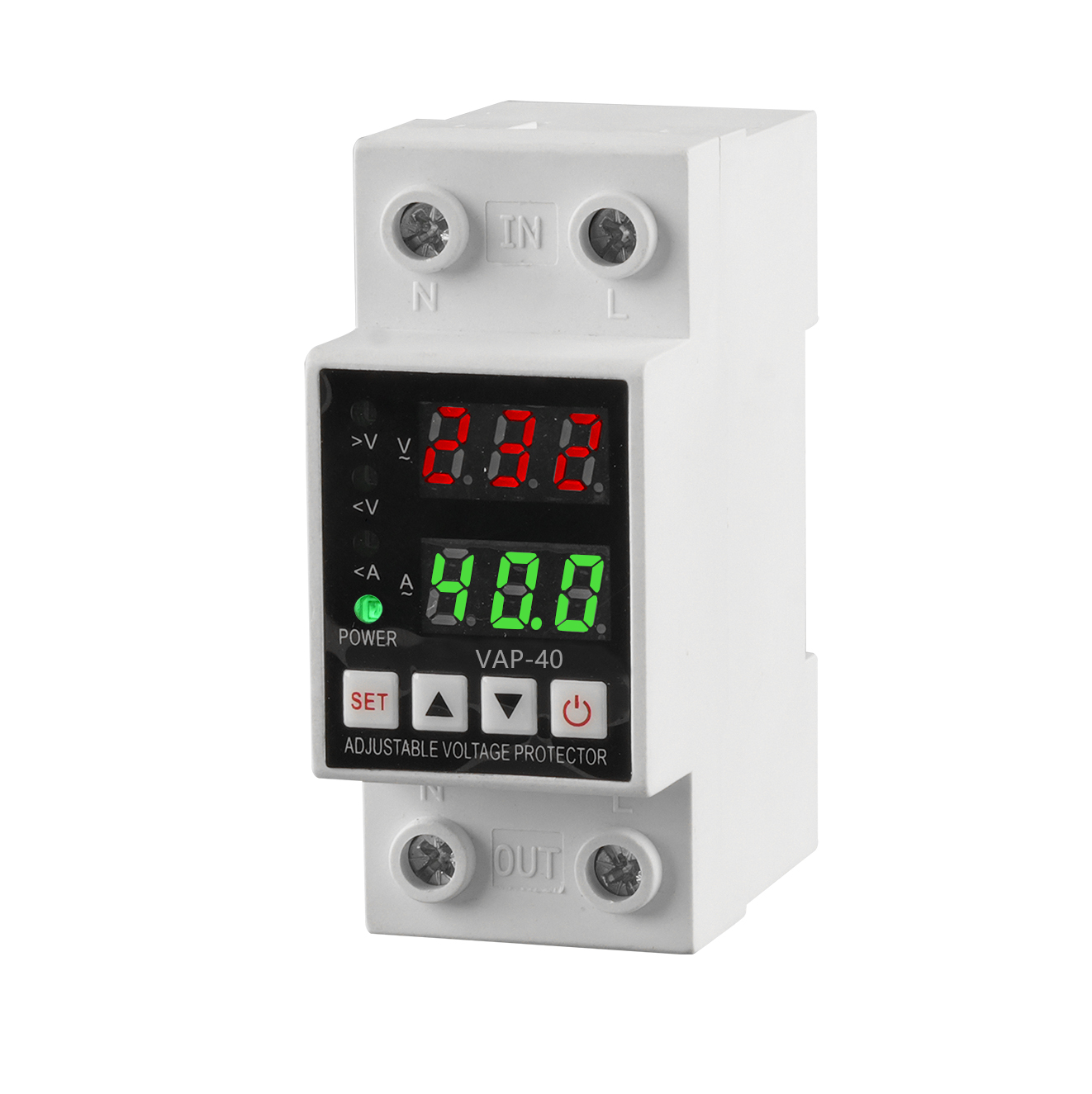
Selecting the correct circuit breaker is one of the most critical decisions in electrical system design and maintenance. Whether you are building a new installation, upgrading an existing system, or replacing a faulty circuit breaker, understanding how to choose the right circuit breaker ensures your electrical infrastructure remains safe, efficient, and compliant with regulatory standards. A poorly chosen circuit breaker can lead to inadequate protection, system failures, or safety hazards that endanger equipment and personnel. This guide walks you through the essential factors that determine which circuit breaker best fits your specific needs.
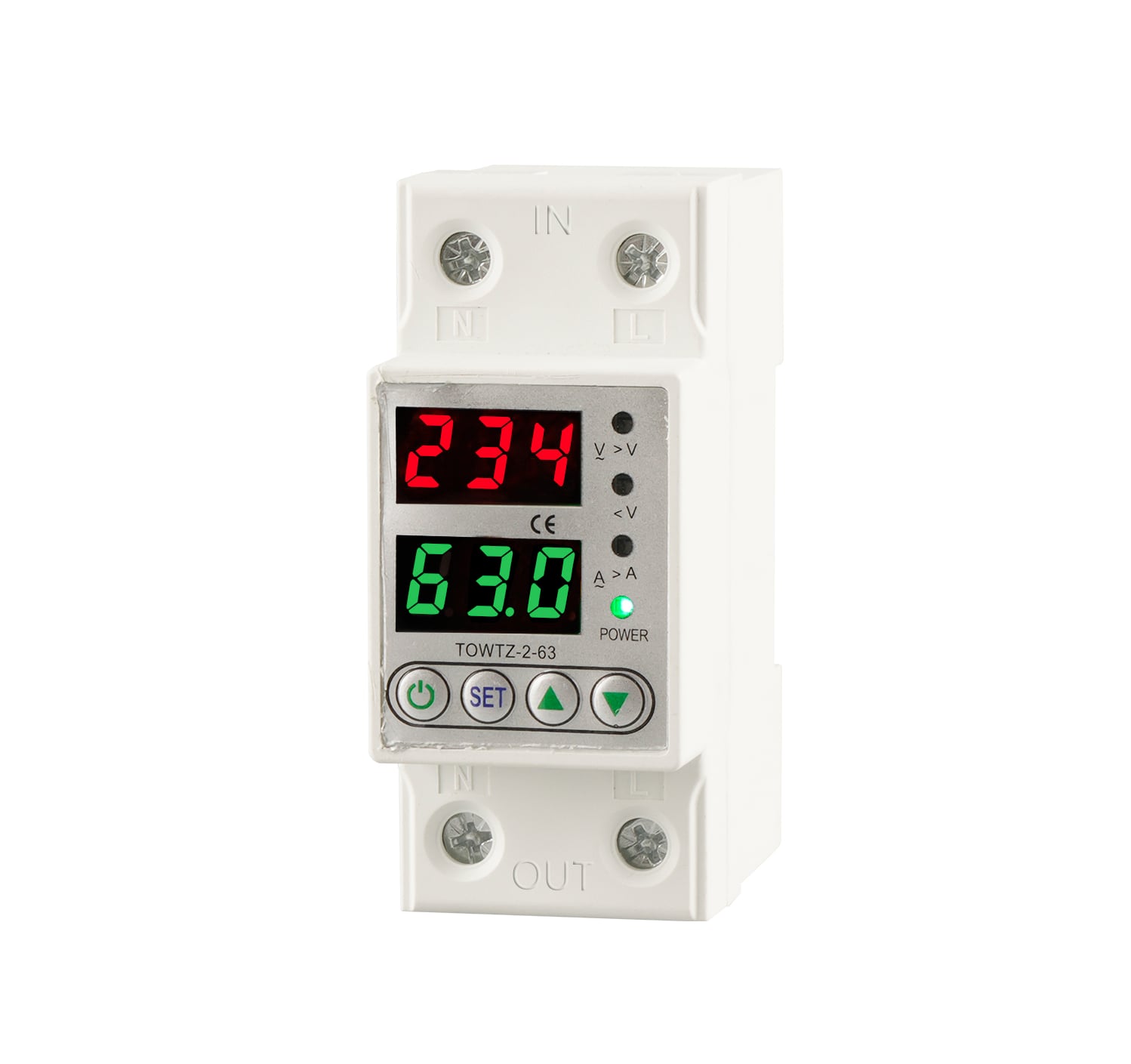
A circuit breaker serves as the backbone of electrical protection, automatically disconnecting power when current exceeds safe levels. The process of choosing the right circuit breaker involves evaluating your system's voltage requirements, amperage demands, load characteristics, environmental conditions, and application type. Each of these factors directly influences whether a circuit breaker will operate reliably or fail when you need it most. Taking time to assess these parameters before installation prevents costly mistakes and ensures your electrical system performs as intended.
Understanding Your Electrical System Requirements
Determining Your Voltage and Amperage Needs
The foundation of selecting a circuit breaker begins with accurately identifying your system's voltage and amperage specifications. Your circuit breaker must match the voltage of your electrical supply, whether that is single-phase 120V, 240V, or three-phase systems. Amperage rating is equally critical, as the circuit breaker must be sized to handle your maximum expected load while remaining below the wire gauge capacity. Undersizing a circuit breaker means it will trip too frequently and disrupt operations, while oversizing it provides inadequate protection for wiring and connected equipment. Consult your electrical plans, equipment specifications, and a licensed electrician to confirm the exact voltage and amperage your circuit breaker needs to support.
Assessing Your Load Profile and Application Type
Different applications demand different circuit breaker characteristics. Residential applications typically require smaller amperage ratings and straightforward overload protection, whereas industrial environments often involve motor starting currents, transformer inrush, or harmonic distortion that necessitates a more specialized circuit breaker. Commercial installations may include data centers, manufacturing equipment, or HVAC systems, each with distinct inrush current profiles and protection needs. Understanding whether your circuit breaker will protect lighting circuits, motor-driven equipment, heating loads, or sensitive electronic devices helps you select one designed for that specific duty. The circuit breaker you choose must match both the steady-state operating current and the transient characteristics of your particular application.
Key Technical Specifications and Ratings
Evaluating Trip Characteristics and Curve Types
Circuit breakers are designed with different trip characteristics, commonly designated as Type A, Type B, Type C, Type D, and Type K curves. These curves define how quickly the circuit breaker responds to overcurrent. Type B and C curves are standard for most general-purpose applications, offering moderate delay before tripping at higher overcurrents. Type D curves are used for applications with high inrush currents, such as transformers or motor-driven systems where momentary current spikes must not cause unwanted disconnection. Selecting the correct curve ensures your circuit breaker tolerates legitimate transient current without sacrificing protection for genuine faults. The curve rating of your circuit breaker directly impacts its compatibility with your load type.
Considering Breaking Capacity and Short-Circuit Rating
Breaking capacity, often called interrupting rating or short-circuit rating, indicates the maximum short-circuit current a circuit breaker can safely interrupt without damage. This specification is critical because insufficient breaking capacity can cause a circuit breaker to fail catastrophically during a fault, potentially creating fire, arc flash, or equipment damage. Your installation location determines the available short-circuit current, which you must compare against the circuit breaker breaking capacity. Industrial facilities near utility substations and systems with heavy three-phase loads may have fault currents exceeding 10,000 amperes, requiring a high-capacity circuit breaker. Conversely, small residential circuits may have lower available fault currents that allow smaller breaking capacity ratings. Always verify that your chosen circuit breaker's breaking capacity meets or exceeds your system's maximum available short-circuit current.
Operational Considerations and Environmental Factors
Addressing Environmental Conditions and Installation Location
The environment where your circuit breaker operates significantly influences its performance and longevity. Temperature extremes, humidity, vibration, and presence of corrosive or conductive contaminants all affect circuit breaker reliability. A circuit breaker installed in an outdoor enclosure experiences temperature swings that can affect its calibration and trip characteristics, whereas one in a climate-controlled panel room remains stable. Facilities near coastal regions or chemical plants may require circuits with enhanced corrosion resistance or special sealing. High-vibration environments such as manufacturing plants can loosen mechanical components within a circuit breaker, necessitating equipment rated for that duty. Before finalizing your choice, verify that your circuit breaker is rated for the specific environmental conditions it will encounter throughout its service life.
Integrating Safety Features and Monitoring Capabilities
Modern circuit breakers offer advanced protective features beyond basic overload and short-circuit protection. Ground fault protection, surge suppression, and over-voltage protection are increasingly common in industrial and commercial applications. A circuit breaker with integrated over-voltage protection safeguards connected equipment from transient spikes caused by utility disturbances or internal faults. Some applications benefit from arc fault detection or selective coordination with upstream devices to improve system reliability. Additionally, smart circuit breakers with communication capabilities allow remote monitoring, diagnostics, and load management through industrial control systems. When evaluating options for your installation, consider whether these enhanced features justify the additional investment and whether they align with your operational goals. The right circuit breaker balances protective capability with the specific safety requirements of your environment.
FAQ
What size circuit breaker do I need for my home?
For residential installations, the circuit breaker size depends on the wire gauge and the intended load. Most household circuits use 15-amp or 20-amp circuit breaker ratings for general outlets and lighting, while larger appliances like ovens or air conditioners require 30-amp, 40-amp, or even 50-amp circuit breaker protection. Your electrical code and local inspector can confirm the correct circuit breaker rating for each circuit. Never oversized a circuit breaker beyond what your wiring can safely handle, as this defeats the protective purpose of the circuit breaker.
Can I use a larger circuit breaker to prevent nuisance tripping?
No, using a larger circuit breaker than recommended is dangerous and violates electrical codes. If your circuit breaker trips frequently, the issue is usually an overloaded circuit, loose connections, or a faulty circuit breaker requiring replacement. The correct solution is to identify the root cause, not to bypass protection by installing an oversized circuit breaker. An oversized circuit breaker can allow dangerous overcurrent to flow through undersized wiring, creating a fire hazard. Always consult a licensed electrician before making changes to circuit breaker ratings.
How often should I replace a circuit breaker?
A properly maintained circuit breaker typically lasts 15 to 40 years, depending on environmental conditions and usage patterns. However, if your circuit breaker trips repeatedly, fails to reset, or shows signs of damage or discoloration, replacement may be necessary sooner. Industrial environments with frequent fault events or high ambient temperatures may cause a circuit breaker to degrade faster than in benign conditions. Regular inspection by a qualified electrician helps identify circuit breaker deterioration before failure occurs. Preventive replacement of aging circuit breakers in critical systems reduces the risk of unplanned downtime.