 EN

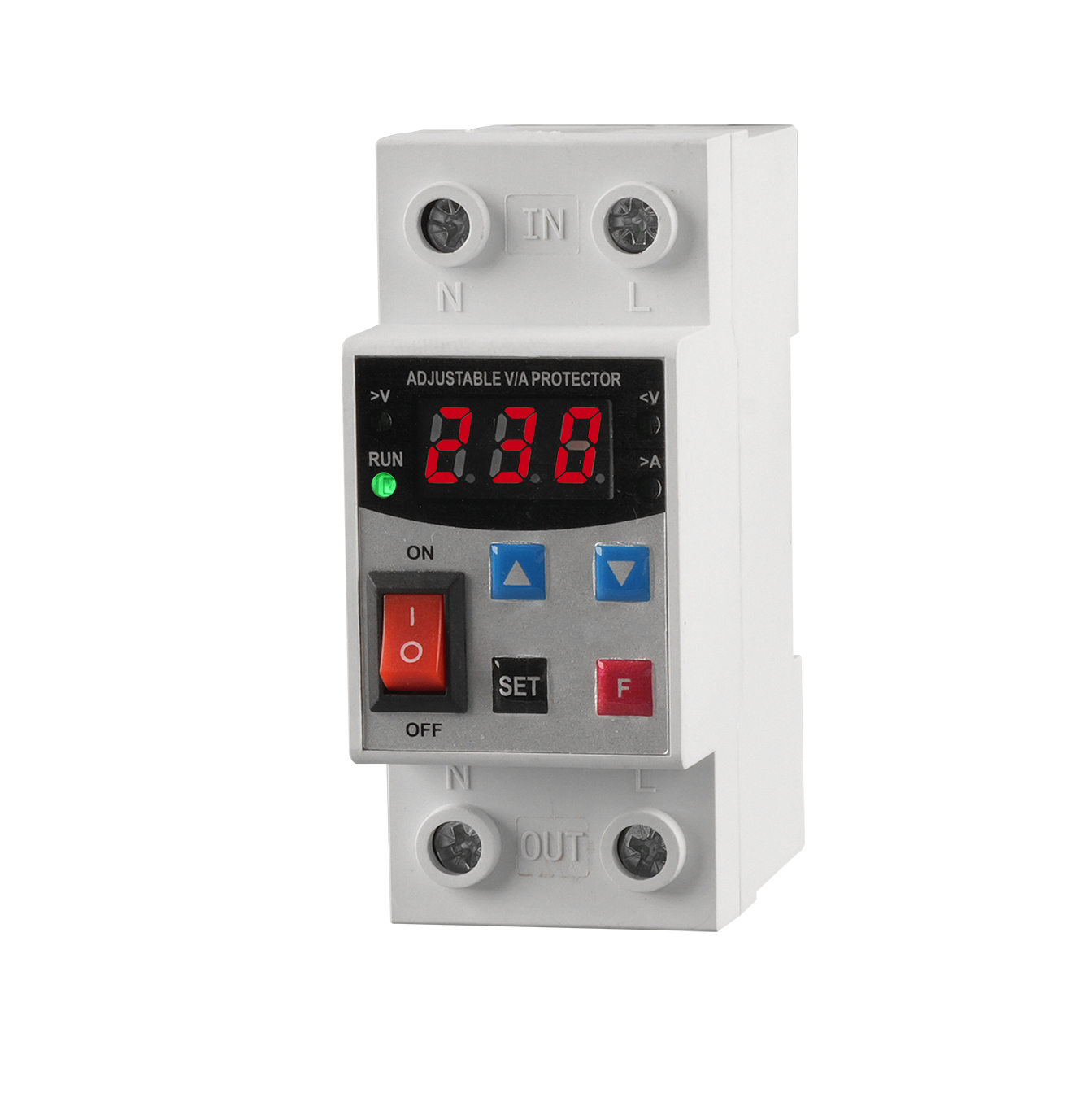
Selecting the right circuit breaker is one of the most critical decisions in electrical system design. Every industrial facility, commercial building, and residential property depends on proper electrical protection, and the circuit breaker type you choose directly impacts safety, reliability, and operational efficiency. The wrong selection can lead to equipment damage, downtime, or even safety hazards. Understanding the distinctions between circuit breaker categories helps engineers, contractors, and facility managers make informed decisions aligned with their specific project requirements and environmental conditions.
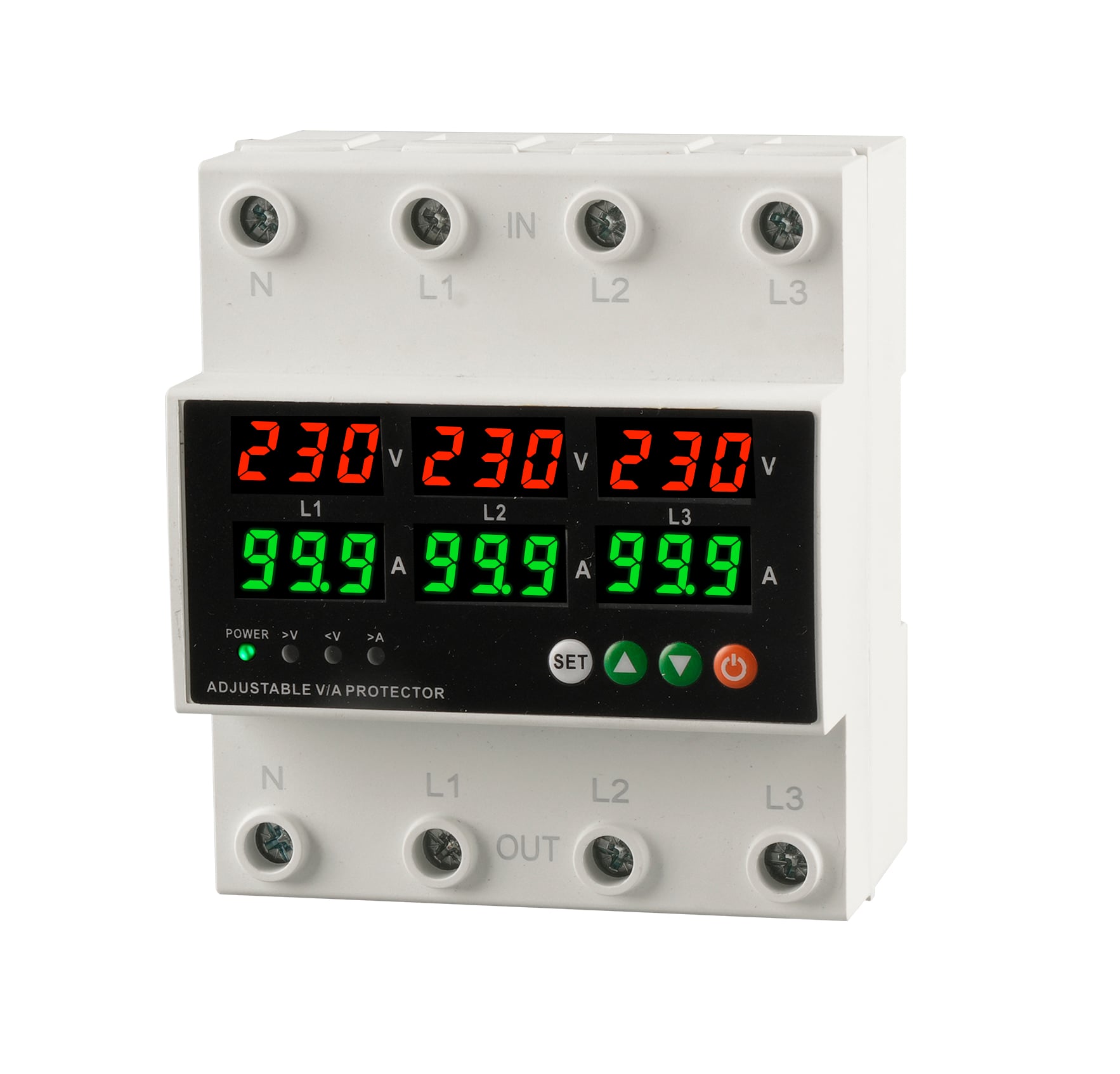
A circuit breaker functions as an automated safety switch that interrupts electrical flow when it detects overcurrent, short circuits, or ground faults. However, different circuit breaker types are engineered for distinct voltage ranges, load profiles, and operating environments. Thermal-magnetic circuit breakers suit general industrial applications, while high-voltage circuit breakers handle power distribution networks. Residual current circuit breakers protect against leakage currents and electrocution risks. By evaluating your project's voltage class, current capacity needs, environmental factors, and regulatory compliance requirements, you can confidently select a circuit breaker that delivers optimal performance and protection.
Understanding Circuit Breaker Type Categories
Low-Voltage Circuit Breaker Applications
Low-voltage circuit breaker units operate at voltages below 1000 volts AC or 1500 volts DC and represent the most common circuit breaker type found in residential, commercial, and light industrial settings. This circuit breaker type includes miniature circuit breakers (MCBs), molded case circuit breakers (MCCBs), and air circuit breakers. MCBs protect individual circuits in homes and offices, handling currents typically up to 125 amperes. MCCBs serve larger commercial and industrial loads, rated from 100 to 2500 amperes. Choosing the correct low-voltage circuit breaker type depends on your load characteristics, whether you need ground fault protection, and the specific electrical code compliance required in your jurisdiction.
Medium and High-Voltage Circuit Breaker Selection
Medium-voltage circuit breaker equipment operates between 1000 and 35,000 volts and is essential for industrial power distribution, utility substations, and large manufacturing facilities. High-voltage circuit breaker technology handles voltages exceeding 35,000 volts and is used exclusively in utility transmission and distribution networks. This circuit breaker type requires sophisticated arc extinction mechanisms, often using vacuum, SF6 gas, or oil insulation. The distinction between these two circuit breaker categories is critical: selecting a medium-voltage circuit breaker when high-voltage equipment is needed creates serious safety and operational failures. Conversely, oversizing to high-voltage specifications when medium-voltage circuit breaker performance suffices wastes capital and complicates maintenance.
Key Performance Characteristics by Circuit Breaker Type
Thermal-Magnetic and Electronic Trip Units
Traditional thermal-magnetic circuit breaker designs use a bimetallic strip that bends under excessive heat to trigger a mechanical latch, combined with a magnetic coil that provides instantaneous response to short circuits. This circuit breaker type is robust, cost-effective, and requires no external power supply. Electronic trip unit circuit breaker variants incorporate digital logic to measure current more precisely, allowing adjustable time-current characteristics and advanced diagnostics. An electronic circuit breaker type provides better selectivity in coordinated protection schemes and can reduce nuisance trips. The choice between thermal-magnetic circuit breaker versus electronic circuit breaker type depends on your tolerance for false trips, need for diagnostics, and budget constraints.
Residual Current Protection and Special Circuit Breaker Types
Residual current circuit breakers (RCCBs) and residual current devices (RCDs) form a specialized circuit breaker type category designed to detect imbalances between line and neutral currents, protecting against ground faults and electrocution. This circuit breaker type is now mandatory in many electrical codes for wet areas, outdoor circuits, and portable equipment. Combination units called RCBO circuit breaker products integrate both residual current and overcurrent protection in one compact module. Selective circuit breaker types coordinate protection across multiple levels, preventing entire facility shutdowns from faults on downstream circuits. Understanding which circuit breaker type provides the protection level your project requires—standard overcurrent, ground fault detection, or arc fault protection—is fundamental to system safety and code compliance.
Application Context and Circuit Breaker Type Selection Criteria
Industrial Environment Considerations for Circuit Breaker Type
Industrial environments introduce demands that fundamentally shape which circuit breaker type delivers acceptable performance. High-temperature manufacturing spaces require a circuit breaker type rated for elevated ambient conditions. Corrosive atmospheres in chemical plants necessitate circuit breaker type enclosures with enhanced corrosion resistance. Vibration-intensive facilities benefit from a circuit breaker type featuring mechanical locking mechanisms that prevent nuisance trips. Motor-starting circuits demand a circuit breaker type with selective coordination characteristics that allow inrush currents without nuisance operation. Arc flash hazards in utility-scale electrical systems mandate a circuit breaker type equipped with arc reduction maintenance switches and superior current limitation. Evaluating your specific industrial conditions ensures that the circuit breaker type you select maintains reliability under your actual operating environment rather than theoretical worst-case scenarios.
Regulatory and Code Compliance in Circuit Breaker Type Selection
Electrical codes and standards worldwide specify which circuit breaker type is acceptable for different applications and voltage classes. The National Electrical Code (NEC) in North America requires specific circuit breaker type features in dwelling units, commercial buildings, and industrial facilities. International standards such as IEC 61009 define requirements for RCD-type circuit breaker protection. Arc fault circuit interrupter (AFCI) circuit breaker types are mandated in many jurisdictions for bedroom and living area circuits to prevent electrical fires. Your project's location, building classification, and intended use dictate which circuit breaker type meets legal requirements. Consulting with your electrical inspector or a qualified engineer early in design ensures that your selected circuit breaker type satisfies all applicable codes, avoiding costly redesigns and project delays.
Practical Decision Framework for Circuit Breaker Type
Load Analysis and Circuit Breaker Type Sizing
Accurately sizing your circuit breaker type begins with detailed load analysis. Calculate the maximum sustained current your circuit will carry, then select a circuit breaker type rated at or slightly above that value. For motor circuits, the circuit breaker type must accommodate the motor inrush current without nuisance tripping. For utility feeds, your circuit breaker type rating should match or slightly exceed the utility's available fault current capability. Undersizing your circuit breaker type creates nuisance trips and system instability; oversizing sacrifices protection against actual faults. Working backwards from your load profile, electrical code requirements, and coordination scheme ensures that your selected circuit breaker type provides the precise protection your application demands.
Maintenance and Long-Term Circuit Breaker Type Performance
The circuit breaker type you select today will require periodic inspection, testing, and potential maintenance throughout its operational life. Modern electronic circuit breaker type units provide detailed fault logs that assist diagnostics. Older thermal-magnetic circuit breaker type designs offer simplicity but provide no diagnostics beyond visual inspection. Spare parts availability and service support vary widely by circuit breaker type and manufacturer. Standardizing on a circuit breaker type across your facility simplifies staff training and spare inventory management. Consider whether your facility has technical expertise to maintain advanced circuit breaker type variants or whether a simpler, more standardized circuit breaker type better suits your operational capacity and long-term cost profile.
FAQ
What is the main difference between thermal-magnetic and electronic circuit breaker types?
Thermal-magnetic circuit breaker designs use bimetallic strips and magnetic coils to detect overcurrent conditions, providing reliable protection without external power. Electronic circuit breaker models use digital sensors and processors to measure current precisely, enabling adjustable time-current curves, remote communication, and detailed diagnostics. An electronic circuit breaker type offers superior selectivity and advanced features, while the thermal-magnetic circuit breaker type excels in cost-effectiveness and simplicity.
How do I choose between a low-voltage and medium-voltage circuit breaker type?
Your facility's voltage distribution determines this choice. If your electrical system operates at less than 1000 volts AC, you need a low-voltage circuit breaker type such as MCBs or MCCBs. For distribution voltages between 1000 and 35,000 volts, a medium-voltage circuit breaker type is required. Utility substations and transmission facilities require high-voltage circuit breaker types. Consulting your facility's one-line diagram and electrical design documents will clarify which circuit breaker type voltage class applies.
Are AFCI and GFCI circuit breaker types the same thing?
No, these circuit breaker types provide different protections. GFCI circuit breaker types detect ground faults and imbalances between line and neutral currents, protecting against electrocution. AFCI circuit breaker types detect electrical arcs that indicate loose connections or damaged insulation, preventing electrical fires. Modern codes often require both protections in specific locations, which may mean installing AFCI circuit breaker types on some circuits and GFCI circuit breaker types on others, or using combination units.