 EN

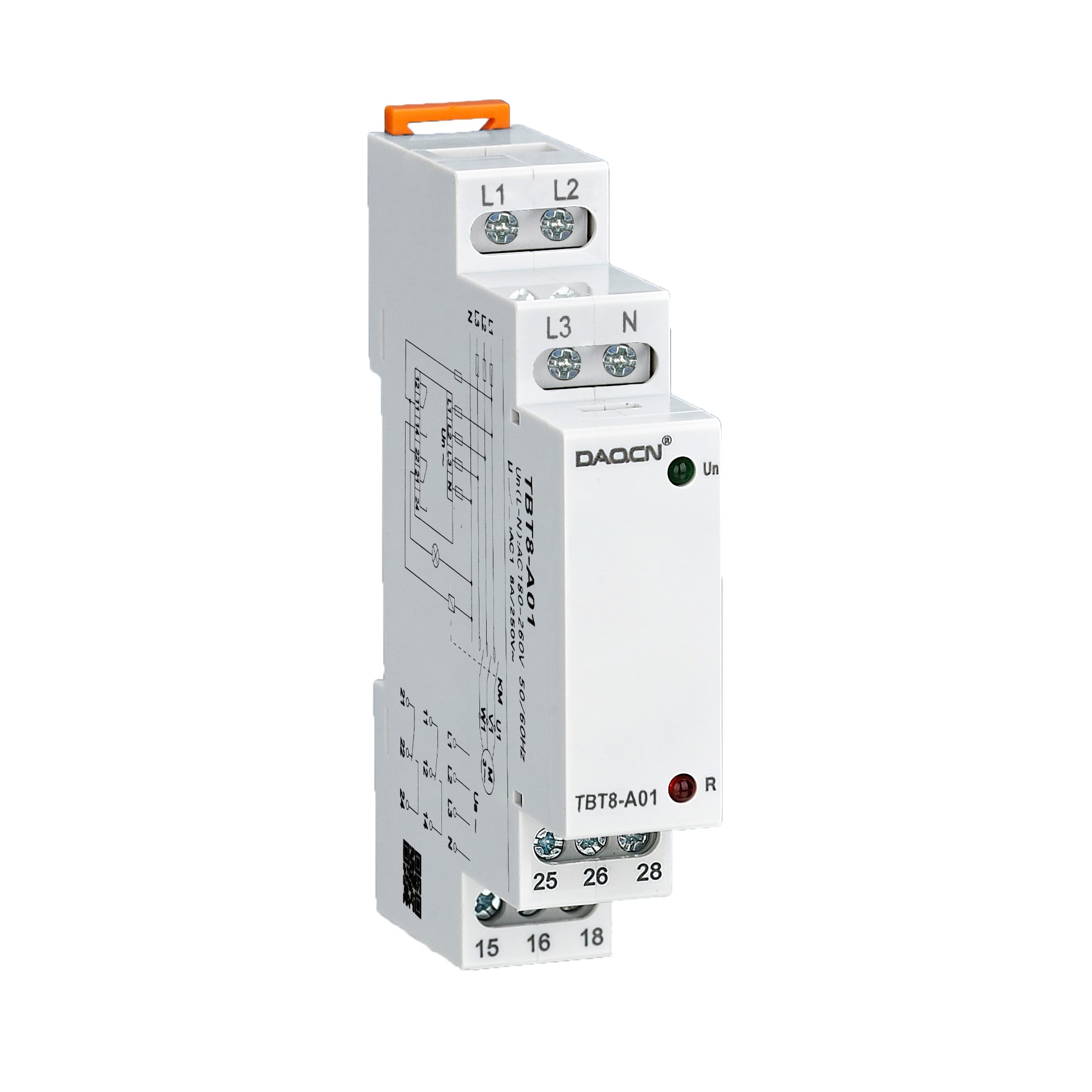
Finding the right circuit breaker for your electrical installation has never been more important than in 2025. As industrial infrastructure evolves and residential electrical demands increase, sourcing a quality circuit breaker requires understanding where to look, what specifications matter, and which suppliers deliver reliability. Whether you manage a commercial facility, oversee industrial operations, or handle residential electrical projects, knowing where to buy a circuit breaker with confidence directly impacts your system's safety and longevity.
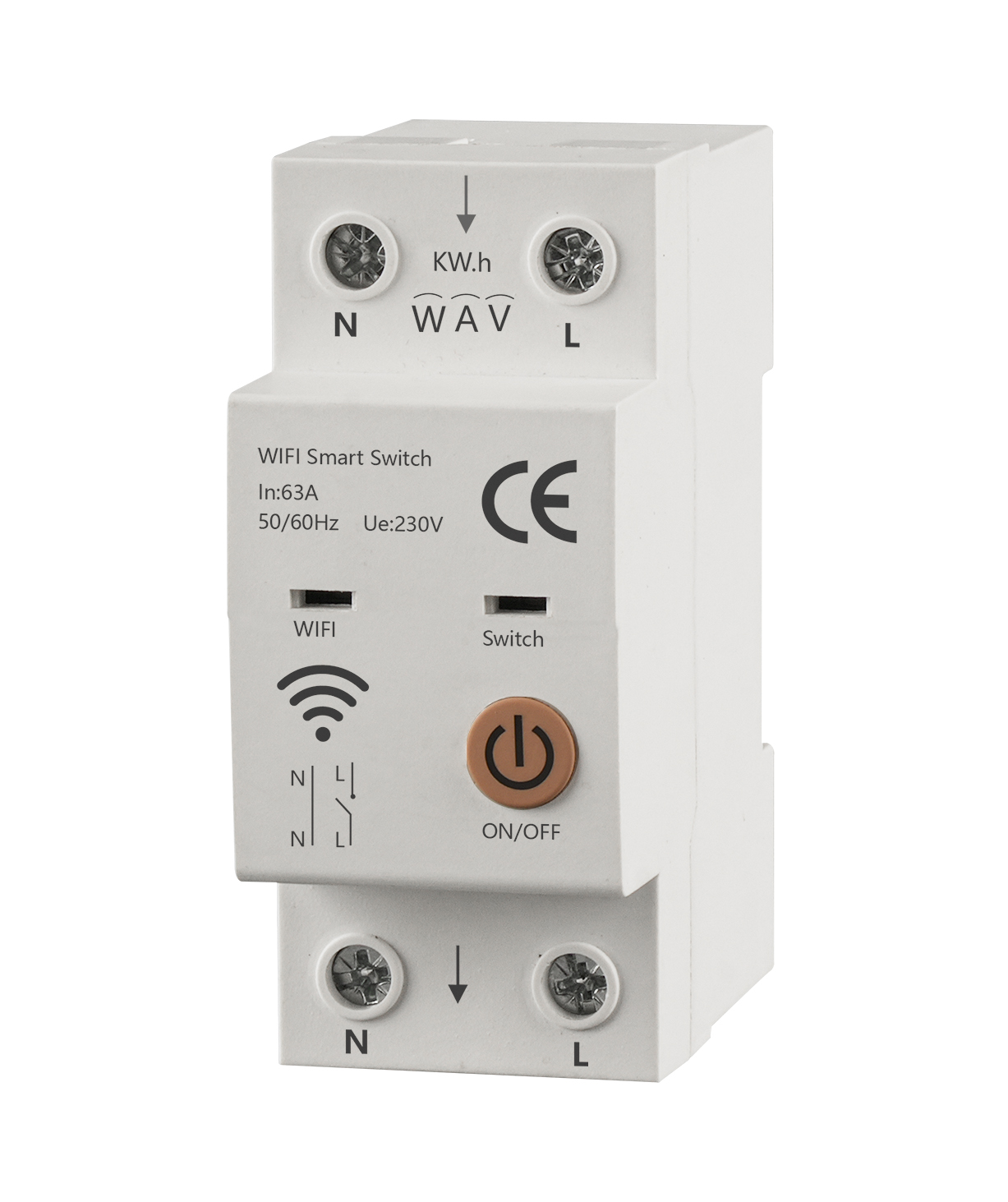
The market for electrical protection equipment has expanded considerably, offering multiple purchasing avenues ranging from traditional distributors to online retailers and specialized manufacturers. Each channel presents distinct advantages, pricing models, and warranty structures that directly influence your decision. Understanding these options empowers you to select not just any circuit breaker, but one that matches your technical requirements, budget constraints, and timeline expectations.
Understanding Circuit Breaker Sourcing Channels
Traditional Electrical Distributors and Their Role
Established electrical distributors remain a cornerstone for businesses seeking a circuit breaker with verified credentials and immediate availability. These distributors typically stock multiple brands, amperage ratings, and voltage specifications, allowing you to compare options directly. A circuit breaker purchased from a recognized distributor includes documented specifications, warranty certificates, and technical support. Many distributors provide consultative services, helping you select the appropriate circuit breaker model based on your load calculations and system requirements. Their established relationships with manufacturers ensure that each circuit breaker meets industry standards and certification requirements.
Online Retailers and E-Commerce Platforms
Digital retail channels have transformed how companies purchase electrical components, including sourcing a circuit breaker. Online platforms offer convenience, competitive pricing, and access to both mainstream and specialized circuit breaker models. However, purchasing a circuit breaker online requires verification of seller credibility, product authenticity, and return policies. Reputable e-commerce sites provide detailed product datasheets, specification sheets, and customer reviews that inform your circuit breaker selection. The advantage of buying a circuit breaker through established online channels includes transparent pricing, delivery tracking, and customer protection guarantees that reduce procurement risk.
Critical Specifications When Selecting Your Circuit Breaker
Voltage Rating and Amperage Requirements
Every circuit breaker must match your electrical system's voltage and amperage specifications precisely. When choosing a circuit breaker, verify whether you need single-phase or three-phase protection, and confirm the voltage rating aligns with your installation, typically 120V, 240V, or 277V for commercial systems. The amperage rating of your circuit breaker directly determines the maximum current it handles before triggering protection. A circuit breaker rated for 63 amperes, for example, provides appropriate protection for medium-load circuits in residential and light commercial applications. Mismatching a circuit breaker's rating to your actual load creates serious safety risks, making specification verification essential before finalizing any purchase.
Protection Features and Standards Compliance
Modern circuit breaker designs incorporate advanced protection features including thermal overload detection, magnetic trip mechanisms, and increasingly, surge protection capabilities. When evaluating a circuit breaker, confirm it meets relevant safety standards such as UL 489, IEC 60898, or equivalent certifications in your region. Over-voltage protection, now common in quality circuit breaker installations, safeguards connected equipment from electrical spikes that can cause equipment failure or fire hazards. The circuit breaker you select should include clear documentation of its protection range, trip time specifications, and surge handling capacity. These features distinguish a basic circuit breaker from a comprehensive electrical protection solution designed for modern facility demands.
Evaluating Supplier Reliability and Warranty
Manufacturer Reputation and Certification Status
Your circuit breaker source should demonstrate established manufacturing credentials and compliance with international safety protocols. Reputable manufacturers maintain transparent quality assurance processes, readily providing certification documents for their circuit breaker products. Before purchasing a circuit breaker, verify the manufacturer's liability insurance, product recall history, and technical support availability. Established circuit breaker manufacturers invest in research and development, ensuring their products incorporate the latest protection technologies and efficiency improvements. This commitment to quality directly translates to a circuit breaker that performs reliably throughout its operational lifespan, minimizing unexpected failures or safety incidents.
Warranty Terms and After-Sales Support
A substantial warranty period reflects confidence in a circuit breaker's durability and performance consistency. Quality circuit breaker suppliers typically offer three to five-year warranties covering manufacturing defects, materials, and workmanship. Your circuit breaker warranty should clearly specify what failures are covered, claim procedures, and replacement timelines. Superior after-sales support includes technical hotlines, replacement components availability, and installation guidance. When selecting where to buy a circuit breaker, prioritize suppliers offering transparent warranty documentation and responsive customer service. These safeguards ensure that if your circuit breaker experiences unexpected issues, prompt resolution minimizes system downtime and associated business interruption costs.
Making Your Final Circuit Breaker Purchase Decision
Comparing Price, Quality, and Lead Times
Cost optimization requires balancing competitive pricing against circuit breaker quality, availability, and service support. While purchasing a circuit breaker at the lowest available price might seem economical initially, selecting a substandard unit risks equipment damage, safety hazards, and costly emergency replacements. Lead time considerations become critical for time-sensitive projects, where a circuit breaker with fast delivery capabilities prevents project delays. Obtain quotes from multiple suppliers for your specific circuit breaker requirements, comparing not just unit price but also shipping costs, volume discounts, and payment terms. This comprehensive comparison ensures your circuit breaker investment delivers genuine value rather than exposing your facility to reliability risks.
Verification and Documentation Before Purchase
Confirm all technical specifications match your requirements before finalizing any circuit breaker order. Request product datasheets, certification documents, and performance test results directly from your circuit breaker supplier. Verify the circuit breaker serial number and batch codes align with manufacturer records, protecting against counterfeit products that increasingly appear in unvetted channels. Document all purchase details including specification confirmation, pricing agreements, and warranty terms in writing. Your circuit breaker documentation should include the manufacturer's technical support contact information and troubleshooting guides. This preparation ensures smooth installation and future maintenance of your circuit breaker system.
FAQ
What makes a quality circuit breaker different from standard options?
A quality circuit breaker incorporates advanced protection features, precision calibration, and materials engineered for extended reliable operation under demanding electrical conditions. Superior circuit breaker designs include enhanced surge protection, faster response times, and wider operational temperature ranges compared to basic models. Quality circuit breaker manufacturers invest in rigorous testing protocols, ensuring each unit meets certification requirements and performs consistently across thousands of operational cycles.
Can I buy a circuit breaker directly from manufacturers instead of distributors?
Many circuit breaker manufacturers accept direct orders, particularly for large-volume purchases or specialized configurations. Direct purchase from a circuit breaker manufacturer may offer pricing advantages and customization options unavailable through standard distribution channels. However, verify that a circuit breaker purchased directly includes the same warranties, technical documentation, and installation support as distributor-sourced units. Direct relationships work best for established businesses with clear specifications and consistent ordering patterns.
How do I verify that a circuit breaker is authentic and not counterfeit?
Authentic circuit breaker products include clear manufacturer branding, legible labeling with ratings and certification marks, and serial numbers traceable through manufacturer databases. Request your circuit breaker supplier provide batch documentation and certificate of conformance proving product authenticity. Counterfeit circuit breaker units often display poor print quality, missing certification marks, or inconsistent labeling compared to genuine products. When in doubt about a circuit breaker's legitimacy, contact the manufacturer directly with the serial number and batch code for verification.