 EN

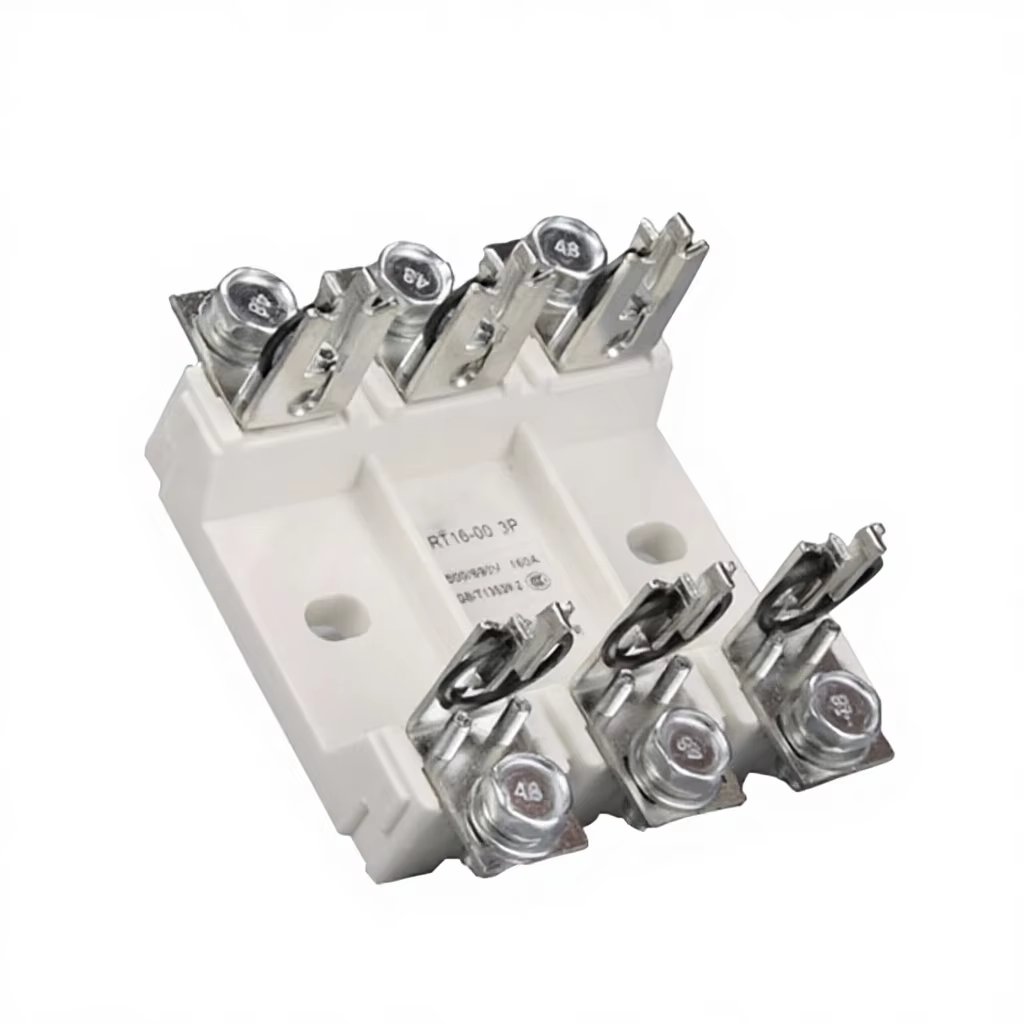
When selecting protective components for electrical circuits, the choice between a ceramic fuse and traditional glass alternatives significantly impacts system reliability and safety. A ceramic fuse represents a modern advancement in circuit protection technology, offering superior performance characteristics that make it the preferred choice across industrial, automotive, and commercial applications. Understanding why a ceramic fuse delivers better results requires examining the fundamental differences in material composition, thermal performance, and operational reliability between these two fuse types.
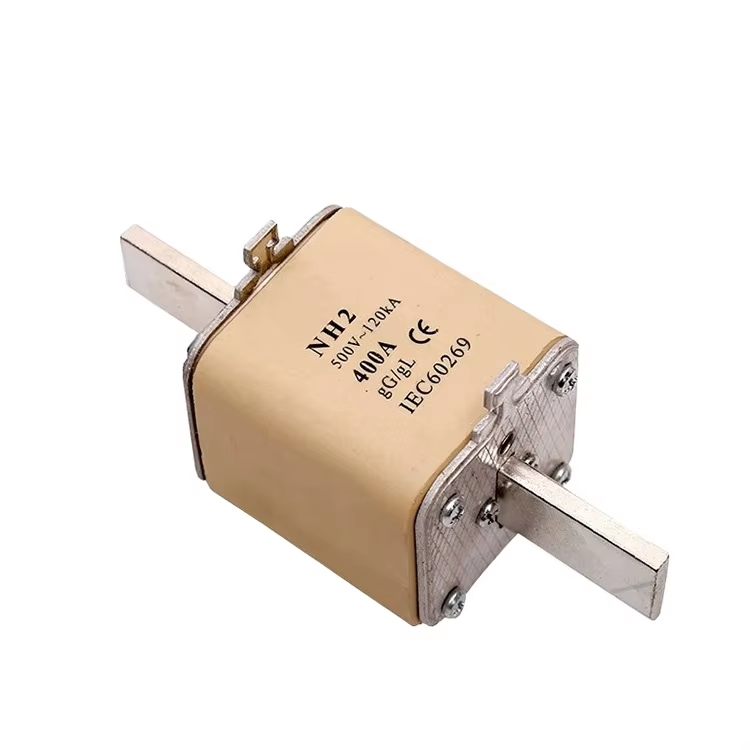
The engineering advantages of a ceramic fuse have become increasingly evident as industrial electrical demands grow more complex and unforgiving. Modern manufacturing environments, renewable energy systems, and advanced power distribution networks require fuse solutions that can withstand extreme conditions while maintaining consistent protection. This article explores the technical superiority of ceramic fuses compared to glass fuses, examining material properties, operational benefits, safety considerations, and real-world application scenarios that demonstrate why a ceramic fuse has become the standard in professional electrical design.
Material Composition and Physical Advantages
Structural Integrity of Ceramic Fuse Technology
A ceramic fuse is constructed from high-purity ceramic materials that provide exceptional mechanical strength and thermal stability compared to fragile glass housings. The ceramic material used in a ceramic fuse can withstand substantially higher mechanical stress, vibration resistance, and thermal cycling without degradation. Where glass fuses are prone to cracking from thermal shock or physical impact, a ceramic fuse maintains structural integrity across extreme temperature fluctuations typical in industrial environments. This fundamental material advantage means a ceramic fuse delivers consistent performance throughout its operational life, whereas glass fuses may develop micro-fractures that compromise their protective capabilities over time.
Heat Dissipation and Thermal Performance
The thermal properties of a ceramic fuse far exceed those of glass alternatives, enabling superior heat dissipation during normal operation and fault conditions. A ceramic fuse can safely operate at much higher ambient temperatures without losing effectiveness, making it ideal for equipment located in hot climates or thermally demanding environments. The material composition of a ceramic fuse allows heat to distribute more evenly throughout the device, preventing hot spots that could trigger premature failure. Glass fuses, by contrast, concentrate heat inefficiently and can experience thermal stress that weakens the glass structure. This thermal advantage means a ceramic fuse maintains reliable protection even in harsh industrial conditions where glass counterparts would deteriorate rapidly.
Performance Under Fault Conditions
Arc Suppression and Safety Mechanisms
When electrical faults occur, the response of a ceramic fuse differs dramatically from glass fuses in ways that significantly enhance system safety. A ceramic fuse uses advanced arc-quenching materials embedded within the ceramic body to rapidly extinguish electrical arcs that develop during overcurrent events. The ceramic matrix in a ceramic fuse can absorb and neutralize arc energy without rupturing or creating dangerous projectile fragments. Glass fuses lack these advanced quenching mechanisms and often fail violently, potentially scattering glass shards and allowing dangerous arcs to persist longer than necessary. This superior fault-handling capability makes a ceramic fuse the safer choice for protecting valuable equipment and ensuring personnel safety in industrial settings.
Predictable Failure Characteristics
A ceramic fuse exhibits highly predictable failure behavior when exposed to overcurrent conditions, providing engineers with reliable protection margins. The calibration precision of a ceramic fuse allows manufacturers to control exactly when the fusible element melts, ensuring consistent response times across entire production batches. This standardized performance of a ceramic fuse enables system designers to create circuits with confidence, knowing protective responses will occur exactly as specified. Glass fuses demonstrate greater variability in rupture characteristics due to inherent material inconsistencies and thermal limitations. The superior predictability of a ceramic fuse translates directly into more dependable circuit protection and reduced risk of cascading failures in complex electrical systems.
Industrial Applications and Reliability Requirements
Automotive and Transportation Systems
Modern vehicles depend heavily on reliable electrical protection, making a ceramic fuse the standard choice across automotive manufacturers worldwide. A ceramic fuse can withstand vibration, thermal cycling, and moisture exposure that would quickly degrade glass alternatives in automotive environments. High-current applications in electric vehicles and advanced powertrains specifically require the robust characteristics of a ceramic fuse to ensure continuous protection throughout the vehicle's operational life. The automotive industry's adoption of a ceramic fuse reflects hard-earned lessons about reliability requirements in safety-critical applications where fuse failure could trigger catastrophic consequences.
Industrial and Power Distribution Applications
Heavy industrial equipment and power distribution systems leverage a ceramic fuse to manage extreme current levels and rapid fault responses. A ceramic fuse can handle the demanding duty cycles found in manufacturing plants, renewable energy facilities, and electrical substations where conventional glass fuses would prove inadequate. The extended lifespan and superior reliability of a ceramic fuse reduce maintenance costs and minimize unplanned downtime in industrial operations. System designers specify a ceramic fuse for critical protection points because the technology delivers the consistent performance that industrial processes demand. The economic benefits of using a ceramic fuse extend beyond initial procurement to encompass lower failure rates, reduced replacement frequency, and enhanced system uptime across industrial applications.
Comparative Testing and Performance Metrics
Electrical Performance Standards
Standardized testing protocols consistently demonstrate the superior electrical performance of a ceramic fuse compared to glass alternatives across all measurable parameters. A ceramic fuse exhibits faster response times to overcurrent conditions, protecting downstream components more effectively. The insulation resistance of a ceramic fuse remains stable over extended operating periods, whereas glass fuses often show degradation in electrical properties. A ceramic fuse typically maintains its protective characteristics across a wider temperature operating range, from below-zero cold environments to extreme heat conditions. These quantifiable performance advantages confirm that a ceramic fuse represents the more technically advanced solution for contemporary electrical protection requirements.
Long-Term Reliability and Service Life
Extended field testing demonstrates that a ceramic fuse maintains consistent performance characteristics throughout its entire service life, while glass fuses show measurable degradation over time. A ceramic fuse can reliably function for decades without requiring replacement in standby applications, providing permanent protection. The stability of a ceramic fuse under repeated thermal cycling ensures consistent performance in climate-controlled facilities and in outdoor installations. Glass fuses, particularly in tropical or extreme temperature environments, show accelerated degradation and increasing failure rates as they age. Organizations that have switched from glass fuses to a ceramic fuse technology report significantly lower failure rates and substantial improvements in system reliability metrics.
FAQ
Why should I choose a ceramic fuse over traditional glass fuses?
A ceramic fuse delivers superior durability, better thermal management, improved arc suppression, and longer operational life compared to glass fuses. The material composition of a ceramic fuse enables it to withstand extreme conditions, thermal cycling, mechanical vibration, and fault stresses that would quickly degrade glass alternatives. A ceramic fuse also provides more predictable failure characteristics and enhanced safety performance, making it the standard choice for industrial, automotive, and mission-critical applications.
Are ceramic fuses compatible with existing electrical systems?
A ceramic fuse typically maintains the same physical dimensions and electrical ratings as equivalent glass fuses, enabling straightforward replacement in most existing systems. Many facilities have successfully upgraded from glass fuses to a ceramic fuse design without requiring system modifications. However, engineers should always verify that a ceramic fuse meets the specific electrical specifications and environmental requirements of their particular application before implementation.
What cost considerations apply when upgrading to ceramic fuses?
While a ceramic fuse may have slightly higher upfront procurement costs than glass alternatives, the total cost of ownership typically favors ceramic technology due to extended service life, lower replacement frequency, and reduced maintenance requirements. Organizations implementing a ceramic fuse across their facilities often recover their investment through decreased downtime, fewer emergency replacements, and improved system reliability that prevents costly equipment damage from fuse failures.