 EN
EN

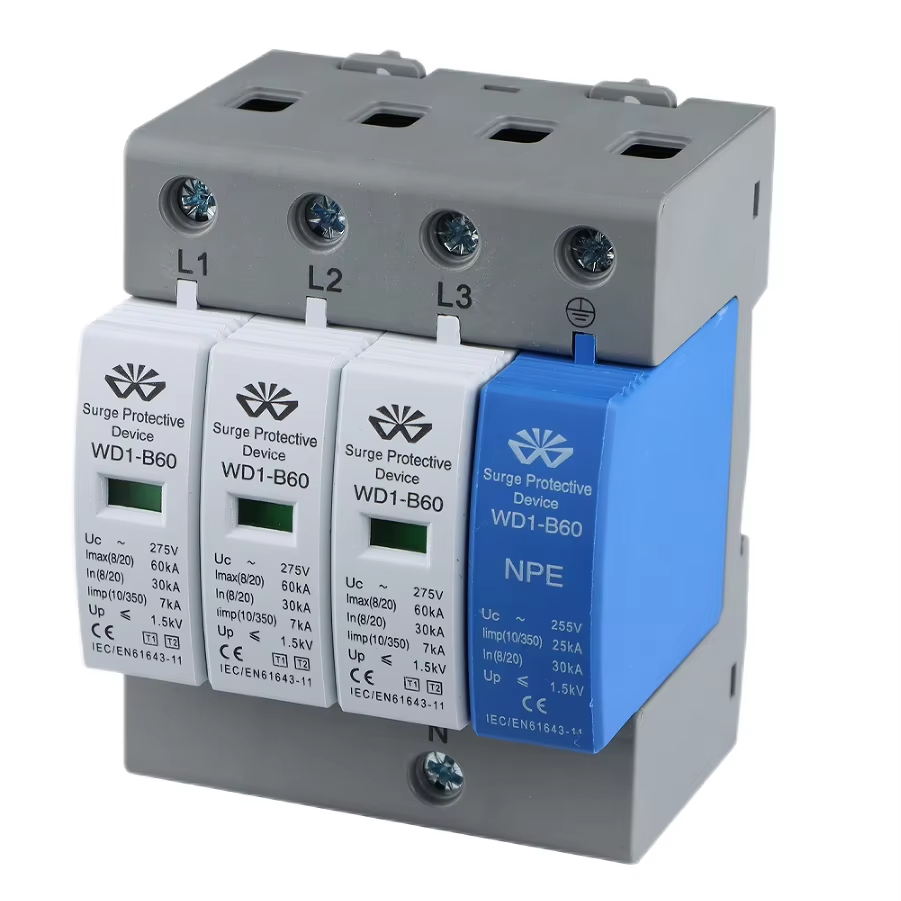
SPD stands for Surge Protective Device, and understanding what SPD is can make a significant difference in how you manage electrical safety in everyday environments. Whether you are at home, in an office, or operating an industrial facility, SPD plays a critical role in protecting your electrical systems from sudden voltage spikes. These spikes, often caused by lightning, grid switching, or heavy machinery, can silently damage appliances, interrupt workflows, and in severe cases, cause fires. SPD is your first line of defense against these invisible threats.
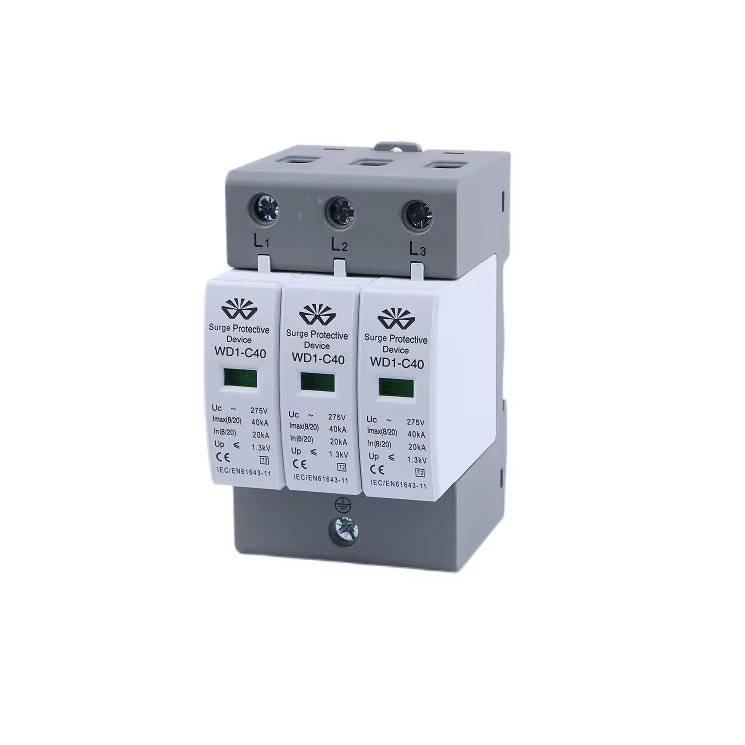
The daily impact of SPD is far more concrete than most people realize. Every time a thunderstorm passes through your area, or when a large motor starts and stops nearby, transient overvoltages travel through your wiring. Without SPD in place, those voltage surges reach your connected devices without any barrier. With SPD installed correctly, those surges are diverted and absorbed before they cause harm. This article explains what SPD is, how it functions within real-world electrical systems, and how SPD directly shapes the safety and reliability of your daily activities.
Understanding the Core Function of SPD
How SPD Responds to Voltage Surges
At its core, SPD works by detecting abnormal voltage levels and diverting excess energy away from connected circuits. When voltage rises beyond a safe threshold, SPD activates instantly, channeling the surge to the grounding system rather than allowing it to reach sensitive devices. This response happens in microseconds, which is why SPD is essential rather than optional in modern electrical installations. Without SPD, that excess energy would travel through your circuits and into every connected device on that line.
SPD devices are typically rated by their clamping voltage, response time, and maximum surge current capacity. A properly selected SPD matches the requirements of the installation, whether that is a residential panel, a commercial switchboard, or an industrial control cabinet. The effectiveness of SPD depends not only on the device itself but also on correct installation, including proper grounding and positioning in the circuit. SPD that is poorly installed may still fail to protect the load it is meant to serve.
Categories of SPD and Their Applications
SPD is classified into three main types based on where it is installed in an electrical system. Type 1 SPD is installed at the main service entrance and handles large surges from direct lightning strikes. Type 2 SPD is installed at distribution boards and is the most common form used in residential and commercial buildings. Type 3 SPD is installed closest to the equipment itself, providing a final layer of protection for sensitive electronics. Many professional installations use all three types in coordination to achieve layered SPD protection throughout a facility.
How SPD Affects Daily Activities at Home and Work
SPD and Household Appliance Safety
In a typical home, SPD protects refrigerators, air conditioners, washing machines, televisions, computers, and smart home systems. A single surge event without SPD can permanently damage a refrigerator compressor or destroy a smart TV's internal circuits. These are not rare events. Studies on electrical damage claims consistently show that transient surges are among the leading causes of appliance failure. Having SPD installed at the main distribution board dramatically reduces this risk and extends the working life of household equipment.
Beyond direct appliance damage, SPD also protects data. Many households now store important files, photos, and financial records on home computers and network storage devices. A surge without SPD protection can corrupt drives and erase data permanently. SPD does not just save money on hardware replacement; it also safeguards information that cannot easily be replaced. The daily peace of mind that comes from knowing your home has SPD coverage is a practical and measurable benefit.
SPD in Commercial and Industrial Environments
In commercial settings, SPD protects point-of-sale systems, server racks, communication networks, and lighting control systems. A business that loses its server to a surge event without SPD may face hours or days of downtime, lost transactions, and recovery costs far exceeding the cost of installing SPD in the first place. For any business that depends on continuous electrical operation, SPD is a risk management tool, not merely an accessory.
Industrial environments bring even higher stakes. Programmable logic controllers, variable frequency drives, sensors, and automated machinery all rely on stable voltage. SPD keeps these systems functioning within safe parameters. Without SPD, a single transient event on a production line can halt operations, corrupt machine programs, or require expensive component replacements. SPD reduces unplanned downtime and supports the consistency that modern manufacturing depends on. Investing in SPD at the industrial level directly protects production output and operational continuity.
Selecting and Maintaining SPD for Long-Term Reliability
Key Factors in Choosing the Right SPD
Choosing the correct spd requires understanding the specific electrical environment it will serve. Key selection factors include the nominal voltage of the system, the expected maximum surge current, and the protection level needed for the connected equipment. SPD with a lower clamping voltage provides tighter protection, which is ideal for sensitive electronics. SPD with a higher surge current rating is better suited for locations with frequent lightning activity or heavy industrial loads nearby.
Compliance with international standards such as IEC 61643 and UL 1449 ensures that an SPD has been independently tested and verified. Using a certified SPD is important not only for effectiveness but also for insurance and regulatory compliance. In many regions, electrical codes now require SPD installation in new construction as a baseline safety measure. Consulting a qualified electrician when selecting and installing SPD ensures that the device is matched correctly to the installation and that it performs as expected under real conditions.
Maintenance and Monitoring of SPD Over Time
SPD devices degrade over time, especially after absorbing multiple surge events. Most modern SPD units include a status indicator, often a visual window or LED, that signals when the SPD has reached the end of its service life and needs replacement. Ignoring this signal means operating without effective protection even though the SPD device is still physically present. Regular inspection of SPD units is part of responsible electrical maintenance in both residential and commercial settings.
Intelligent SPD models now offer remote monitoring capabilities, alerting facility managers when SPD status changes or when a significant surge event has occurred. This added visibility helps maintenance teams respond proactively rather than discovering failures after the fact. Keeping SPD in reliable condition is an ongoing responsibility, and treating SPD maintenance as a routine task rather than a one-time installation decision ensures continuous protection throughout the life of the electrical system.
FAQ
What does SPD stand for and what does it do?
SPD stands for Surge Protective Device. It protects electrical systems and connected equipment by detecting and diverting transient voltage surges, preventing excess energy from reaching and damaging sensitive devices or circuits.
Is SPD necessary for homes, or only for industrial use?
SPD is highly recommended for both residential and industrial use. At home, SPD protects appliances, electronics, and data. In industrial environments, SPD protects control systems and machinery. Both settings are exposed to voltage surges and benefit significantly from SPD installation.
How often does SPD need to be replaced?
SPD does not have a fixed replacement schedule, as its lifespan depends on how many surges it has absorbed. Most SPD units include a status indicator that shows when the device is no longer functioning effectively. Checking this indicator regularly ensures continuous protection from SPD.