 EN
EN

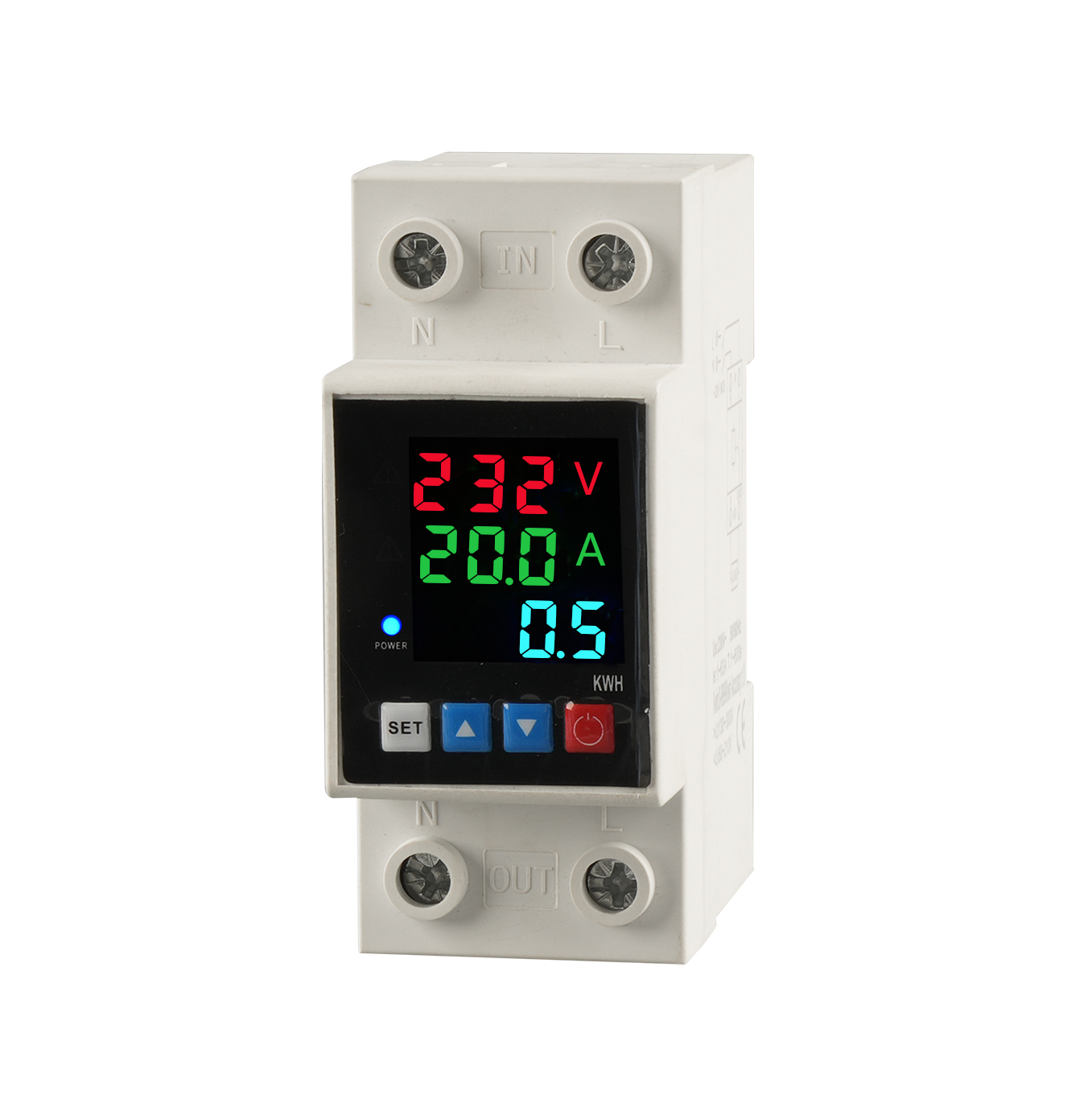
A voltage protector is one of the most essential safety components in any electrical system. Whether you are managing a commercial facility, running an industrial production line, or maintaining critical infrastructure, understanding how a voltage protector functions can mean the difference between safe operation and costly equipment failure. Voltage fluctuations occur more frequently than most operators realize, and their effects can be immediate or accumulate over time to silently damage motors, drives, PLCs, and other sensitive devices.
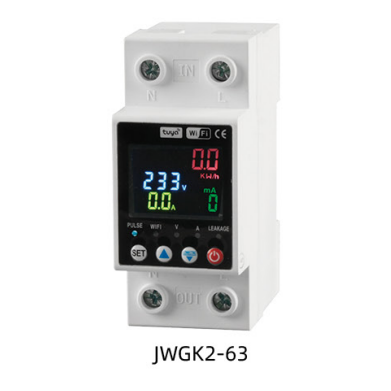
The core function of a voltage protector is to monitor the incoming supply voltage continuously and disconnect the protected circuit whenever a dangerous deviation is detected. This response happens automatically and in real time, allowing the voltage protector to act before harm is done. In this article, we will break down exactly how a voltage protector works inside an electrical system, what internal mechanisms drive its decisions, and why proper configuration of a voltage protector is critical to effective protection.
The Internal Mechanism of a Voltage Protector
Voltage Sensing and Reference Comparison
At the heart of every voltage protector is a sensing circuit that reads the live voltage from the supply line. This sensing circuit feeds the measured value into a comparator, which checks it against preset threshold values. The voltage protector compares the incoming voltage to both an upper limit and a lower limit. If the measured value exceeds the upper threshold, the voltage protector identifies an overvoltage condition. If it falls below the lower threshold, the voltage protector registers an undervoltage event. This dual-direction monitoring makes the voltage protector effective against a wide range of supply abnormalities.
Modern versions of the voltage protector use electronic comparators or microprocessor-based logic to perform this comparison with high accuracy. The precision of the sensing circuit directly determines how reliably the voltage protector can distinguish between a normal transient fluctuation and a genuine fault condition. Industrial-grade models of the voltage protector often allow operators to fine-tune both the upper and lower trip thresholds to match the exact tolerance range of the connected equipment.
Trip Signal and Output Relay Action
Once the voltage protector detects a threshold breach, it generates a trip signal. This signal activates the internal output relay of the voltage protector, which opens the contact and interrupts the power path to the load. The speed at which the voltage protector triggers this relay is typically measured in milliseconds, making the response fast enough to prevent most damage. Some models of the voltage protector also include an adjustable time delay before tripping, which helps avoid nuisance disconnections caused by brief, harmless spikes that self-correct quickly.
The output relay of the voltage protector can be wired in series with a contactor or circuit breaker, allowing it to control higher-current loads indirectly. This design makes the voltage protector suitable for protecting large motors and industrial machinery where direct relay switching would not handle the full load current. The relay contact of the voltage protector returns to its closed position only after the supply voltage stabilizes within the acceptable range and, where applicable, after a programmed recovery delay has elapsed.
How the Voltage Protector Responds to Real System Conditions
Overvoltage Detection and Load Disconnection
Overvoltage is one of the most damaging conditions that a voltage protector is designed to handle. When supply voltage rises above the rated maximum, insulation in motors and transformers degrades faster, electronic components can fail instantly, and thermal stress builds up across the entire load. The voltage protector continuously monitors for this condition and reacts the moment the upper threshold is crossed. By disconnecting the load quickly, the voltage protector prevents insulation breakdown, component burnout, and premature equipment aging.
In industrial settings, overvoltage events are often caused by sudden load shedding on the utility side, tap changer errors in transformers, or faults in the distribution network. The voltage protector operates independently of these upstream causes and simply responds to the measured voltage value at its input terminals. This independence makes the voltage protector a reliable last line of defense even when the root cause of the fault is unknown or external.
Undervoltage Detection and Equipment Safety
Undervoltage is equally hazardous and is where the voltage protector provides another layer of critical protection. When supply voltage drops below the rated minimum, motors draw excessive current to maintain torque, which leads to overheating and winding damage. Control circuits may also behave erratically under low voltage, creating safety risks and production errors. The voltage protector monitors for these conditions and trips the output relay to disconnect the affected equipment before thermal or operational damage occurs.
A voltage protector configured for undervoltage detection is particularly valuable in facilities with long cable runs, weak grid infrastructure, or frequent heavy load startups. The voltage protector allows operators to set a lower trip threshold that reflects the minimum operating voltage of the most sensitive device in the system. This targeted configuration ensures the voltage protector acts precisely when protection is needed without causing unnecessary interruptions during normal, stable operation.
Proper Configuration and Deployment of a Voltage Protector
Setting Thresholds for Specific Equipment
The effectiveness of any voltage protector depends heavily on how its trip thresholds are configured. Operators should consult the nameplate data and technical specifications of the connected equipment to determine the allowable voltage range. The voltage protector should be set with the upper trip point slightly below the equipment's maximum rated voltage and the lower trip point slightly above the minimum. This configuration gives the voltage protector enough sensitivity to protect the equipment while tolerating normal supply variation without triggering false trips.
Many industrial voltage protector models offer both fixed and adjustable threshold settings. Adjustable models of the voltage protector give maintenance engineers the flexibility to tune protection parameters as system conditions change over time. When deploying a voltage protector in a new installation, it is good practice to monitor supply voltage over several days and use the observed range to calibrate the voltage protector thresholds accurately.
Integration into Control Panels and Safety Circuits
A voltage protector is typically installed in the main control panel, upstream of the loads it is protecting. Its output relay contacts are wired into the control circuit so that a trip from the voltage protector interrupts the coil power of the main contactor, effectively cutting off power to the entire load group. This integration means the voltage protector becomes part of the system's overall safety logic rather than operating in isolation. In more advanced setups, the voltage protector output can also connect to a SCADA system or alarm relay to notify operators of voltage fault events remotely.
Regular testing of the voltage protector is also essential to confirm that its sensing and tripping functions remain accurate over time. Calibration drift, relay contact wear, or loose wiring can all reduce the reliability of the voltage protector. A structured maintenance schedule that includes simulated voltage fault tests helps verify that the voltage protector will perform correctly when a real fault occurs.
FAQ
What types of faults does a voltage protector detect?
A voltage protector is designed to detect both overvoltage and undervoltage conditions. When the supply exceeds the upper threshold, the voltage protector trips to prevent insulation and component damage. When the supply drops below the lower threshold, the voltage protector disconnects the load to avoid motor overheating and control circuit malfunction. Some models of the voltage protector also respond to phase loss or phase imbalance in three-phase systems.
How fast does a voltage protector respond to a fault?
The response time of a voltage protector depends on its design and any configured time delay settings. Most electronic voltage protector models respond within milliseconds of detecting a threshold breach. Where an intentional time delay is configured, the voltage protector will wait for the set duration before tripping to avoid reacting to brief transients. This balance between speed and stability is one of the key advantages of using an adjustable voltage protector in industrial applications.
Can a voltage protector reset automatically after a fault clears?
Yes, many models of the voltage protector support automatic reset once the supply voltage returns to the acceptable range. The voltage protector monitors the supply continuously, and after a programmed recovery delay, it allows the output relay to close and restore power to the load. However, in critical applications, manual reset configurations are preferred so that an operator can inspect the system before the voltage protector allows power to be restored. Always review the voltage protector specifications to confirm which reset mode is supported.