 EN
EN

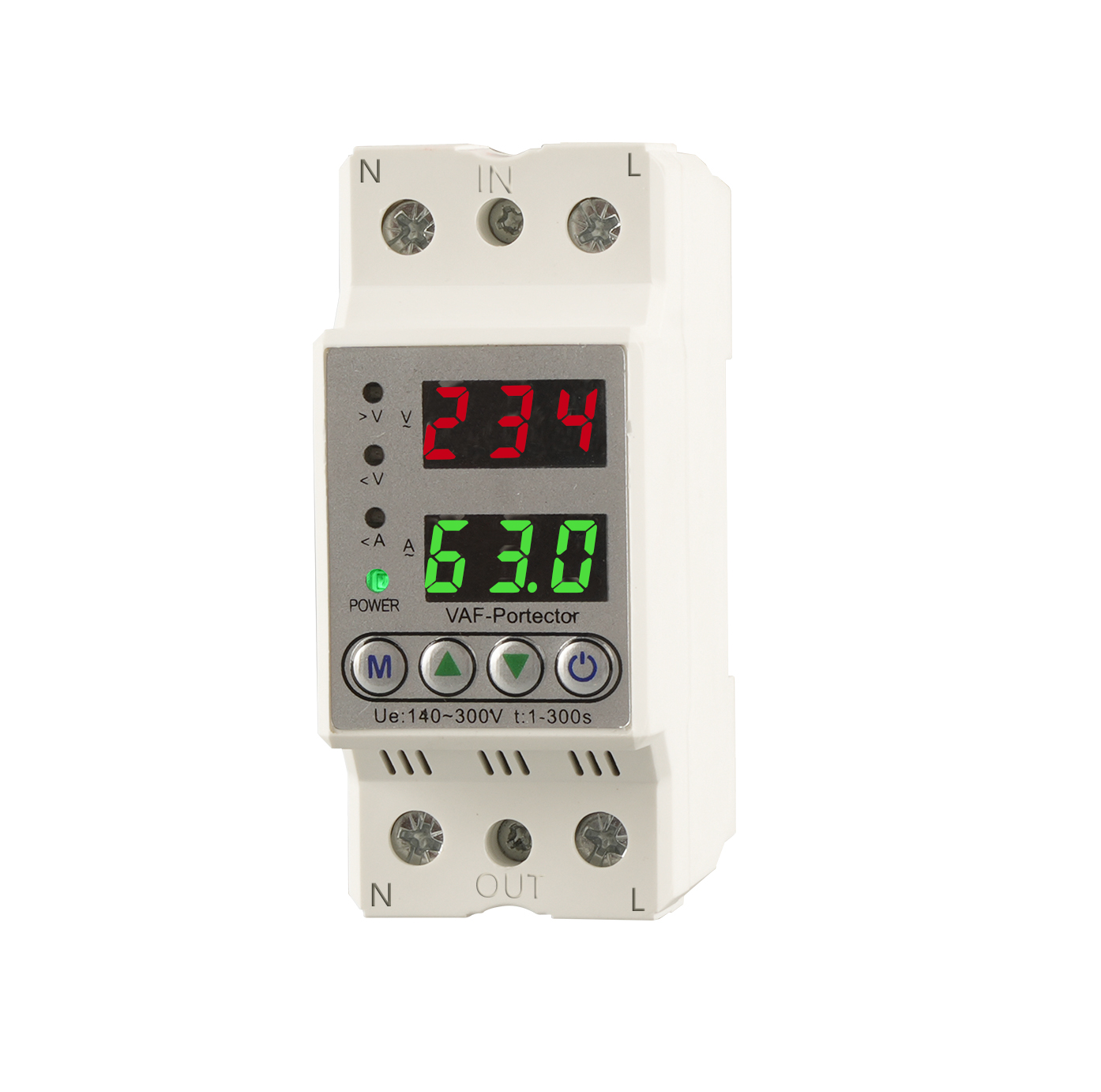
Every home depends on a stable electrical supply, but the reality is that voltage irregularities are far more common than most homeowners realize. A voltage protector is a device designed to shield your household appliances and electrical systems from the damaging effects of over-voltage and under-voltage conditions. Knowing when to install one is not just a matter of convenience — it is a practical decision that can save you from costly appliance failures and electrical hazards.
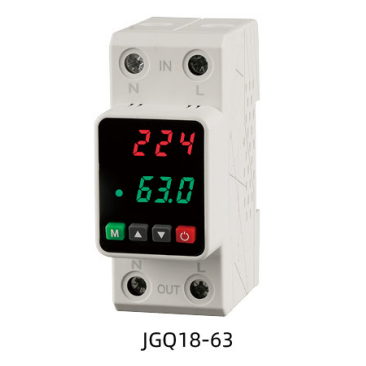
A voltage protector works by monitoring the incoming electrical supply and cutting power when the voltage rises above or drops below a safe operating range. Once the supply stabilizes, the voltage protector restores power automatically. Understanding the right moment to install one requires looking at your home environment, your appliances, and the reliability of your local power grid. This article walks you through the key timing signals and situations that call for immediate installation of a voltage protector.
Signs Your Home Needs a Voltage Protector Now
Frequent Appliance Failures and Unexplained Malfunctions
One of the clearest signals that your home needs a voltage protector is a pattern of unexplained appliance damage. If your refrigerator, washing machine, air conditioner, or television breaks down more frequently than expected, unstable voltage may be the root cause. Each time voltage spikes or drops beyond safe limits, internal components in your appliances absorb that stress. Over time, this leads to premature failure. Installing a voltage protector before the next appliance burns out is the most cost-effective response. A voltage protector eliminates this ongoing damage cycle by preventing dangerous electrical conditions from ever reaching your devices.
Visible Voltage Symptoms in Your Home
You should also consider installing a voltage protector when you notice physical warning signs in your home. These include lights that flicker or dim suddenly, humming sounds from electrical outlets or panels, appliances that restart on their own, or circuit breakers that trip without obvious cause. These symptoms suggest that voltage levels in your supply are inconsistent. A voltage protector responds to these exact conditions by acting as a gatekeeper between the incoming supply and your connected equipment. The moment these symptoms appear, installation of a voltage protector should be treated as urgent rather than optional.
Life Events and Home Situations That Trigger Installation
Moving Into a New Home or a Newly Built Property
Installing a voltage protector when you first move into a new home is one of the smartest preventive steps you can take. New homes, especially in developing residential areas, may be connected to grids that are still under load testing or that serve multiple high-demand properties on the same circuit. You may not know the voltage history of the supply at that address. A voltage protector installed at the point of entry protects all appliances from day one. This is also the ideal time to install a voltage protector because you are setting up appliances fresh, giving every device long-term protection before any damage can occur.
Adding High-Value or Sensitive Appliances
Another critical trigger for installing a voltage protector is when you add expensive or electrically sensitive equipment to your home. Smart TVs, home theater systems, inverter air conditioners, medical devices such as CPAP machines, and modern variable-speed appliances all rely on sensitive electronics that are highly vulnerable to voltage fluctuations. The moment you introduce any such device into your home, a voltage protector becomes a necessary companion. Without one, even a brief voltage surge lasting milliseconds can destroy the internal power boards of these devices. A voltage protector acts as an intelligent buffer that keeps your investment safe at every moment of operation.
Environmental and Grid-Based Conditions That Demand a Voltage Protector
Living in Areas with Unstable Power Supply
If you live in a region where power outages, load shedding, or voltage instability are routine, installing a voltage protector is not a choice — it is a necessity. Areas with aging electrical infrastructure, rural grid connections, or high seasonal demand are particularly prone to voltage swings. When power returns after an outage, the initial surge can be powerful enough to damage appliances that were left on standby. A voltage protector handles this by delaying power restoration until the voltage has stabilized to a safe level. Anyone in a location with unreliable grid power should install a voltage protector as a permanent fixture, not a temporary measure.
Storm Seasons and High Lightning Risk Periods
Storm seasons bring elevated risk of voltage surges caused by lightning strikes on nearby power lines. Even without a direct strike, a nearby lightning event can send a powerful voltage spike through the grid and into your home. This type of surge is fast, intense, and capable of destroying multiple appliances simultaneously. Installing a voltage protector before storm season begins is a straightforward preventive step. A voltage protector designed for residential use can detect and respond to surge events within milliseconds, disconnecting the load before the dangerous energy reaches your appliances. Homeowners in tropical or storm-prone regions should treat pre-season installation of a voltage protector as an annual habit.
FAQ
Can I install a voltage protector myself, or do I need an electrician?
Plug-in type voltage protectors for individual appliances can typically be installed without professional help. However, whole-home voltage protector units that connect to your distribution board should always be installed by a licensed electrician to ensure proper wiring, safe load ratings, and compliance with local electrical codes.
How do I know if my current voltage levels are dangerous?
You can use a simple plug-in voltage meter or a multimeter to check the supply voltage at your wall outlets. Standard residential voltage is typically 220V to 240V in most countries. If readings consistently fall outside this range, or if you observe sudden drops or spikes, your home would benefit from a voltage protector immediately.
Does a voltage protector work during a power outage?
A voltage protector itself does not provide backup power during an outage — that is the role of an uninterruptible power supply or generator. However, a voltage protector plays a critical role when power is restored after an outage, by holding off reconnection until the returning voltage stabilizes, protecting your appliances from the initial surge that often accompanies power restoration.