 EN
EN

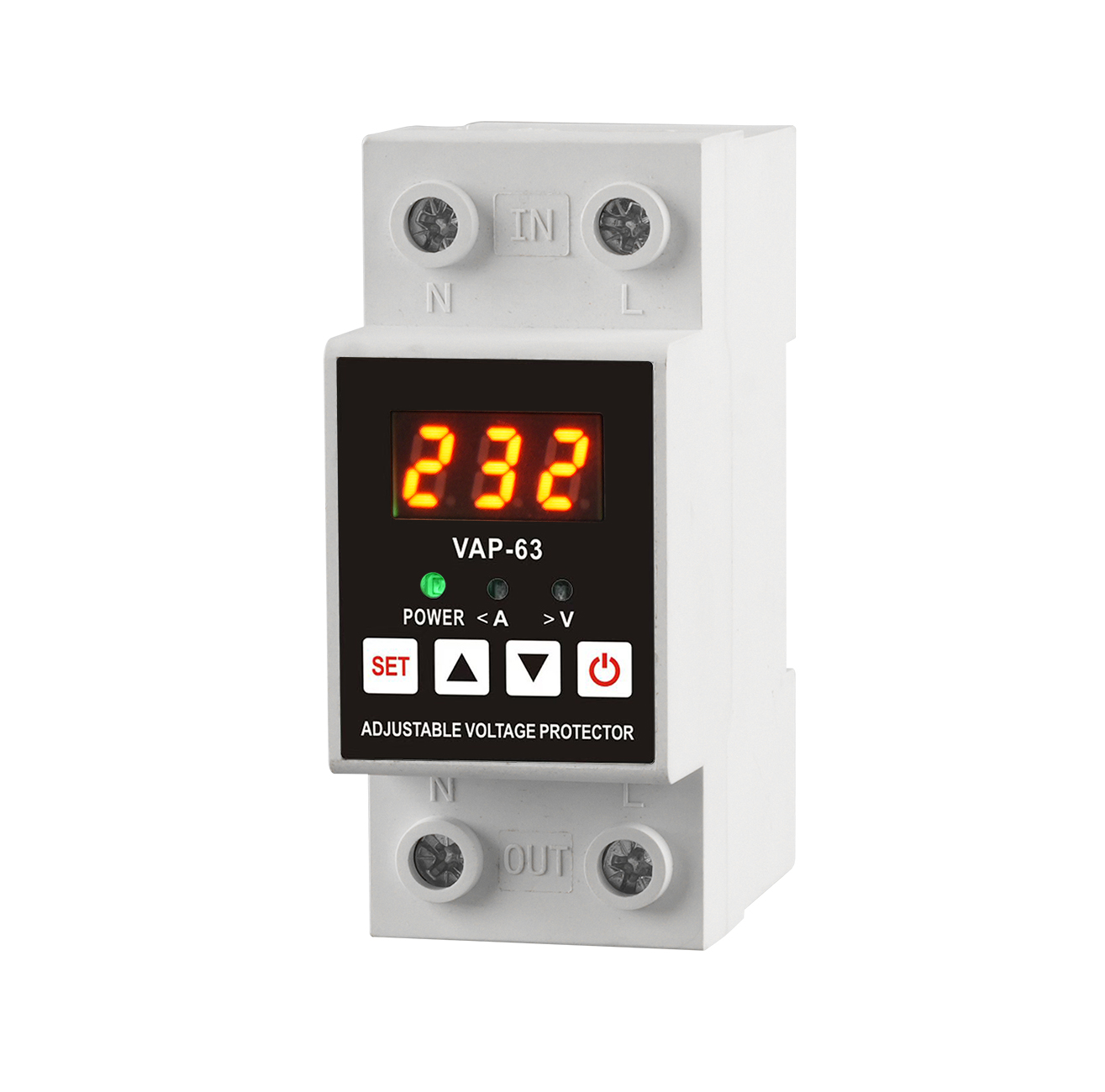
A voltage protector is an electrical device designed to monitor supply voltage levels and automatically disconnect a load or circuit whenever the voltage rises above or falls below a safe operating threshold. In industrial and commercial environments, unstable power supply is one of the most common and costly causes of equipment damage, production downtime, and safety incidents. Understanding what a voltage protector does and why it matters is essential for anyone responsible for facility management, equipment maintenance, or power system design.
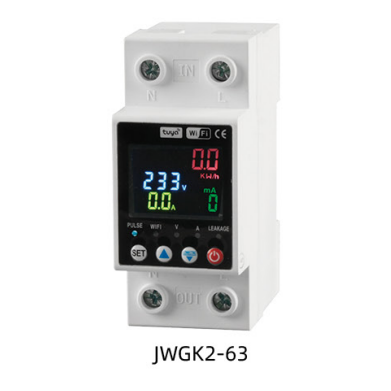
Every electrical system is vulnerable to voltage disturbances, whether from utility grid fluctuations, sudden load changes, or fault conditions on the supply network. A properly selected voltage protector acts as the first line of defense, isolating sensitive machinery and systems before any harmful voltage condition can cause irreversible damage. This article explains exactly what a voltage protector is, how it functions, and why deploying one is a sound operational and financial decision for any facility running critical electrical equipment.
What a Voltage Protector Is and How It Works
Core Function and Operating Principle
A voltage protector continuously samples the incoming supply voltage and compares it against programmable upper and lower set points. When the measured voltage exceeds the over-voltage threshold or drops below the under-voltage threshold, the voltage protector triggers a relay output that opens the controlled circuit, cutting power to the connected load. This action happens within milliseconds, which is fast enough to prevent most types of electrical damage. Once voltage returns to the normal operating range and a pre-set time delay has elapsed, the voltage protector can automatically restore power or wait for a manual reset, depending on how the unit is configured.
Modern industrial-grade voltage protector devices include adjustable set points, meaning engineers can fine-tune both the trip thresholds and the time delay to suit the specific tolerance requirements of each piece of equipment. This flexibility makes the voltage protector suitable for a wide range of applications, from protecting motors and compressors to safeguarding sensitive control panels, HVAC systems, and automated production lines. The voltage protector essentially translates a raw electrical condition into a protective action without requiring human intervention.
Key Components Inside a Voltage Protector
A typical voltage protector contains a sensing circuit that measures real-time voltage, a comparator that evaluates the measured value against the set thresholds, a timer module that introduces the configurable delay, and an output relay that physically opens or closes the circuit. Higher-specification voltage protector models also include LED status indicators, fault memory, and wide input voltage compatibility for use on both single-phase and three-phase systems. These features help maintenance teams quickly identify when a voltage protector has operated and what type of voltage event triggered it, making fault diagnosis faster and more accurate.
Why Voltage Fluctuations Are a Serious Industrial Risk
The Hidden Cost of Voltage Instability
Voltage fluctuations are far more common than most facility operators realize. Utility supply variations, power factor corrections, sudden motor starts, transformer tap changes, and external grid disturbances can all cause voltage to spike or sag unpredictably. Without a voltage protector in place, this variability reaches connected equipment directly. Over-voltage conditions cause insulation breakdown, overheating of motor windings, premature failure of capacitors and control boards, and in extreme cases, electrical fires. Under-voltage conditions force motors to draw excessive current to maintain output torque, causing thermal stress and shortening equipment service life significantly.
The financial impact is substantial. Replacing a burned-out industrial motor or a damaged programmable logic controller can cost tens of thousands of dollars, and that figure does not include lost production time, repair labor, or the cascading effects of unplanned shutdowns. A single voltage protector, by comparison, is a low-cost component that pays for itself the first time it prevents a voltage-related failure. Facilities that operate without a voltage protector on critical circuits are effectively accepting an unmanaged risk that can be eliminated with straightforward protective measures.
Industries Where a Voltage Protector Is Especially Critical
Manufacturing plants, food processing facilities, water treatment stations, HVAC-heavy commercial buildings, and agricultural operations all rely on continuous, reliable electrical equipment. In these settings, the voltage protector is not optional — it is a core component of any responsible power management strategy. Pump stations, for example, are particularly vulnerable to under-voltage because low-voltage operation causes pump motors to overheat rapidly. Cold storage facilities depend on compressors running within tight electrical tolerances, and a voltage protector ensures that any supply deviation results in a safe, controlled shutdown rather than a damaging run-through. Every environment where equipment downtime translates directly into product loss or safety risk is an environment where a voltage protector delivers clear, measurable value.
How to Choose and Apply a Voltage Protector Correctly
Matching Voltage Protector Specifications to Your System
Selecting the right voltage protector starts with understanding the nominal voltage of your system, the acceptable voltage band for the equipment you are protecting, and the current or power rating of the load. A voltage protector specified for single-phase 230V operation cannot directly protect a three-phase 400V industrial drive, so matching the input voltage range is critical. Equally important is the relay contact rating of the voltage protector, which must be sufficient to handle the load current without contact wear or arcing. For high-power loads, the voltage protector output relay typically controls a contactor rather than switching the load directly, providing a clean and durable switching solution.
Configuring Set Points and Time Delays for Reliable Protection
Once the correct voltage protector is installed, proper configuration of the trip thresholds is essential. Setting the over-voltage trip point too close to the nominal value will cause nuisance tripping during minor fluctuations, while setting it too high defeats the purpose of having a voltage protector at all. A common industrial practice is to set the over-voltage threshold at 10 to 15 percent above nominal and the under-voltage threshold at 10 to 15 percent below nominal, though these values should always be verified against the equipment manufacturer's specifications. The reconnection time delay on the voltage protector should be long enough to allow the supply to stabilize before power is restored, preventing rapid cycling that could itself cause equipment stress. Careful configuration transforms the voltage protector from a passive device into a precisely calibrated guardian of your electrical assets.
FAQ
What is the difference between a voltage protector and a surge protector?
A surge protector is designed to absorb or clamp very brief, high-energy voltage spikes, typically lasting microseconds. A voltage protector, on the other hand, monitors sustained over-voltage and under-voltage conditions that may last from fractions of a second to several minutes. Both devices serve important but different protective roles, and many industrial applications benefit from using both in combination. The voltage protector handles persistent supply deviations while the surge protector addresses instantaneous transients.
Can a voltage protector be used on both single-phase and three-phase systems?
Yes, voltage protector models are available for both single-phase and three-phase applications. Three-phase voltage protector units also typically include phase-loss and phase-sequence protection, which are additional failure modes relevant to three-phase motor loads. When selecting a voltage protector for a three-phase system, it is important to choose a unit specifically rated for three-phase monitoring rather than adapting a single-phase model, as three-phase voltage conditions require independent monitoring of each phase.
How often should a voltage protector be tested or inspected?
A voltage protector should be included in your regular preventive maintenance schedule. Most industrial maintenance programs recommend functional testing of protective relay devices at least once per year, or more frequently in harsh environments where dust, moisture, or temperature extremes may affect relay performance. Testing involves simulating an out-of-range voltage condition and confirming that the voltage protector trips and resets correctly within its specified parameters. Keeping a maintenance log for each voltage protector unit helps track performance history and supports compliance with electrical safety standards.