
Hyrje në Integritetin e Matjes së Energjisë
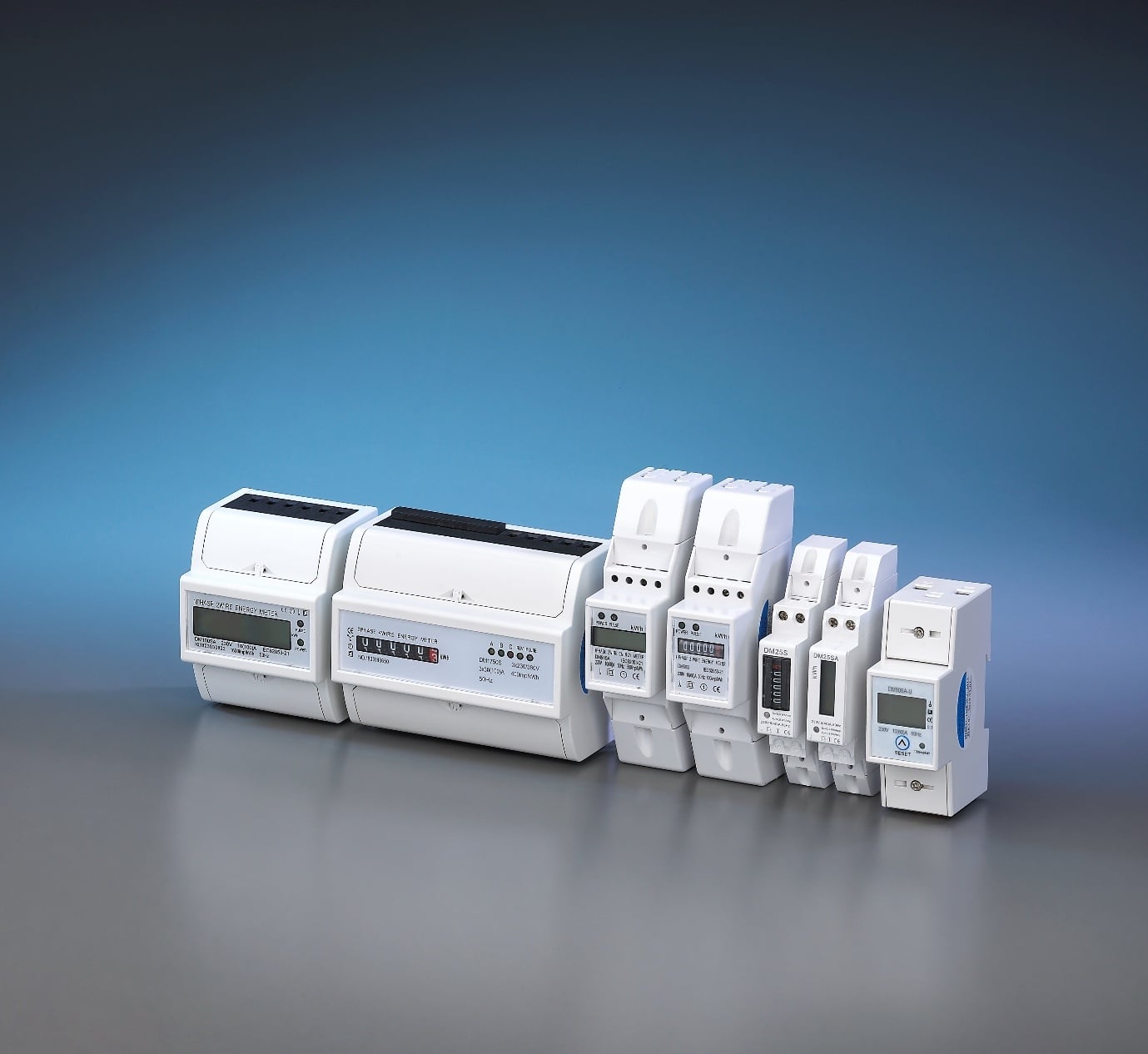
Në objektet industriale moderne, konsumi i energjisë përfaqëson një nga shpenzimet operative më të mëdha. Monitorimi i saktë i këtij burimi nuk është vetëm çështje përgjegjësie mjedisore; ai ndikon drejtpërdrejt në planifikimin financiar dhe në fitabilitetin e korporatës. Meterat industriale të energjisë shërbejnë si kasierët e sistemeve të energjisë, duke regjistruar megavat-orët me pritshmërinë e saktësisë absolute. Ato përdoren, si për fakturimin e ndarjes së hapësirave të qiraturuara, ashtu edhe për shpërndarjen e shpenzimeve departamentale ose për verifikimin e faturave të furnizuesve të energjisë; këto metera duhet të ruajnë saktësinë e tyre të lartë për vite të tëra operimi vazhdim. Megjithatë, si çdo pajisje elektronike e saktë, meterat e energjisë janë të nënshtruara degradimit nga faktorët ambientalë, pengesave elektrike dhe moshësimit të komponentëve, gjë që mund të çojë në zhvendosje të matjeve. Për drejtuesit e blerjeve B2B dhe për menaxherët e mirëmbajtjes së objekteve, krijimi i një programi të plotë parandalues të mirëmbajtjes është thelbësor për të parandaluar gabime të kostoshme në fakturim dhe për të identifikuar probleme para se ato të ndikojnë në rezultatin final. Ky udhëzues ofron një pasqyrë teknike të hollësishme se si të kryhen këto kontrollime të rëndësishme dhe se si të sigurohet integriteti i gjatëkohëshëm i matjeve.
Pyetje: Si të kryhet një kontroll i mirëmbajtjes paraprake në meterat e energjisë për të siguruar saktësinë e vazhdueshme të faturimit?
Përgjigje:
Për të kryer një kontroll të mirëmbajtjes paraprake të plotë në meterat industriale të energjisë, ekipet e mirëmbajtjes duhet të ndjekin një protokoll të strukturuar me shumë hapa. Ky proces fillon me inspeksione vizuale për të identifikuar dëmtimet fizike ose shenjat e ngrohjes së tepërt, pasuesit nga ngushtimi mekanik i terminaleve për të parandaluar gabimet e matjes të shkaktuara nga rezistenca. Më pas, teknikët duhet të verifikojnë hyrjet e tensionit dhe të rrymës duke përdorur metre referencë me saktësi të lartë, të kontrollojnë gjendjen e transformatorëve të rrymës (CT) dhe transformatorëve të potencialit (PT) për saturim ose probleme me lidhjet, dhe të inspektojnë bus-et e komunikimit për gabime në transmetimin e të dhënave. Në fund, verifikimi i standardizuar i zhvendosjes dhe kontrollimet softuerike diagnostike duhet të kryhen çdo vit për të garantuar që kalibrimi i brendshëm i metrit mbetet brenda klases së tij të përcaktuar të saktësisë.
Protokol i Hap-pas-Hapi i Mirëmbajtjes Paraprake të Meterave të Energjisë
Kryerja e një cikli të suksesshëm mirëmbajtje parandaluese kërkon vëmendje të hollësishme. Më poshtë është analiza teknike e hapave të mirëmbajtjes:
Menaxhimi i Kalibrimit dhe i Devijimit me Kohen
Të gjitha komponentët elektronikë, veçanërisht diodat e tensionit referues dhe çipet e konvertuesit analog-digjital (ADC), pësojnë një moshëzim natyral me kalimin e kohës. Ky moshëzim shkakton devijim të kalibrimit, ku tregimet e matësit ndahen ngadalë nga vërteta absolute. Për të luftuar këtë, matësit industrialë standard (zakonisht Klasa 0.5S ose Klasa 0.2S) duhet të nënshtrohen testimit të plotë të kalibrimit çdo dy deri në tri vjet.
Kalibrimi duhet të kryhet nga një laborator i akredituar ose në vend me një standard portativ të kalibrimit të sertifikuar. Mëndafshi i matjes është i nënshtruar disa ngarkesave testimi që variojnë nga dhjetë përqind deri në njëqind përqind të kapacitetit të tij të shënuar, si në faktorin e fuqisë njësi ashtu edhe në atë të mbrapshtë. Nëse gabimi i matur i tejkalon pragun e lejuar për klasën e tij të saktësisë, mëndafshi i matjes duhet të rikalibrohet ose të zëvendësohet.
Mbajtja e regjistrimeve të hollësishme të këtyre testimeve është e thelbësishme për oficerët e blerjes B2B dhe për mbajtjen e conformitetit. Në rast konflikti të faturës me furnizuesin e energjisë ose me tenant-in, këto logjet e mirëmbajtjes dhe të kalibrimit shërbejnë si provë ligjore e mbrojtshme e saktësisë së faturimit të sistemit tuaj.
Zgjedhja e infrastrukturës së besueshme të matjes
Megjithëse mirëmbajtja parandaluese është e rëndësishme, besueshmëria bazë e sistemit tuaj të matjes varet shumë nga cilësia e pajisjeve të zgjedhura gjatë fazës së blerjes. Meterat me cilësi më të ulët mund të kursen në kostot fillestare, por shpesh vuajnë nga stabiliteti i dobët termik, pjesët e brendshme me cilësi të ulët dhe zhvendosja e shpejtë e kalibrimi, duke kërkuar mirëmbajtje dhe zëvendësim më të shpeshtë.
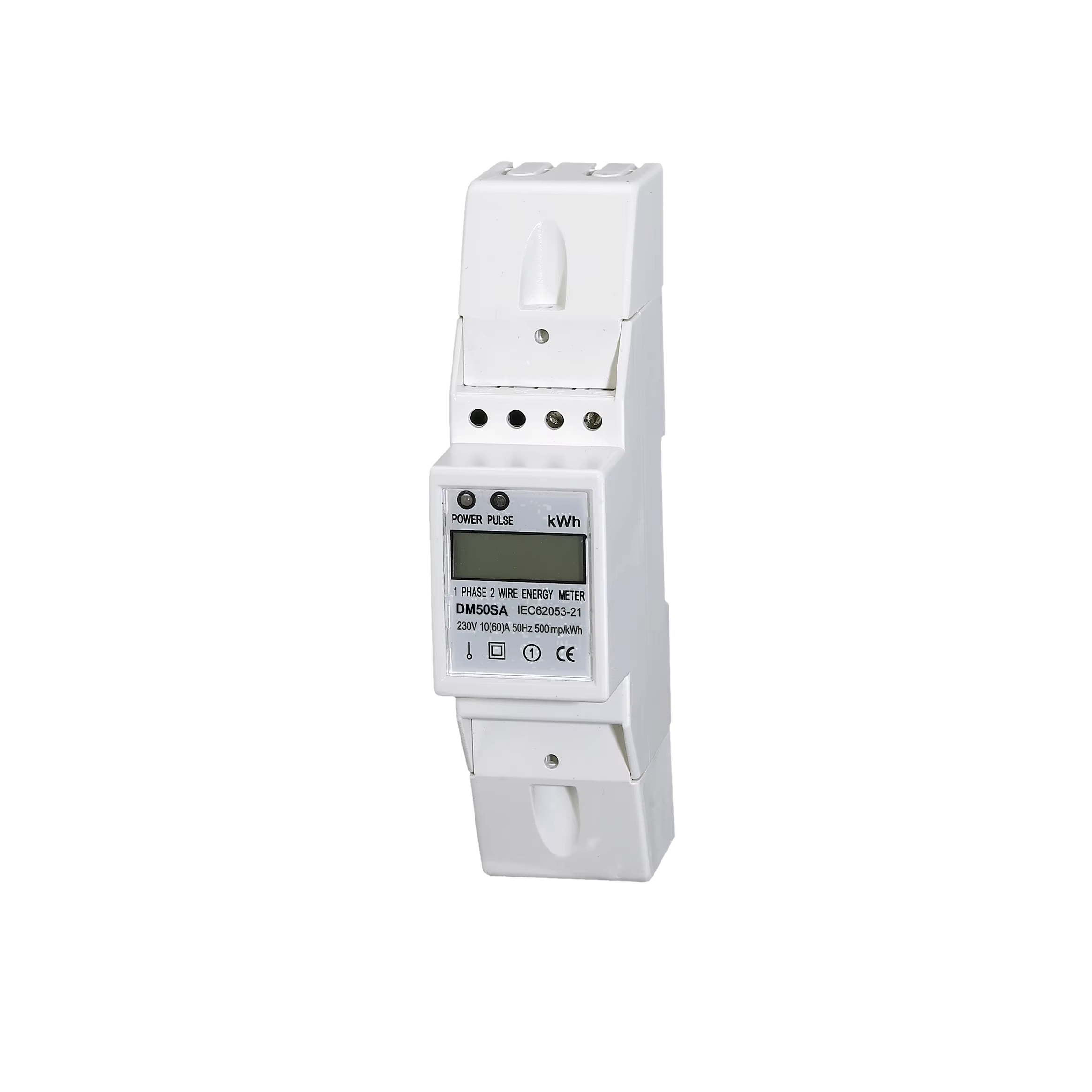
Në DAQCN, ne dizajnojmë dhe prodhojmë meter digjitalë industriale për energji dhe analizatorë fuqie që janë projektuar për stabilitet të gjatë kohësh në mjedise industriale të ashpër. Meterat tona përdorin ADC-të me precizion të lartë të cilësisë së lartë dhe referencat e tensionit të kompensuara sipas temperaturës për të minimizuar zhvendosjen termike në një gamë të gjerë temperaturash. Meterat e DAQCN janë certifikuar sipas standardeve globale të saktsisë, përfshirë IEC 62053-22 Klasa 0.5S dhe Klasa 0.2S, duke siguruar që ju merrni besueshmërinë e matjeve të nivelit të furnizuesve të energjisë që nga dita e parë.
Për më tepër, dizajnet tona përfshijnë blloqe të fortë me terminale me vrimë për skrua me aftësi të lartë për bartjen e rrymës, duke zvogëluar rrezikun e nxehtësimit të terminaleve, dhe filtra digjitale të avancuara për të parandaluar distorionin harmonik që mund të sjellë gabime në llogaritjet e faturave.
Përfundimi dhe Planifikimi i Mirëmbajtjes
Ruajtja e saktësisë së faturimit në një kompleks industrial të madh kërkon një qasje proaktive dhe strukturore. Duke zbatuar një plan të rregullt të mirëmbajtjes parandaluese që përfshin kontrollimet vizuale, verifikimin e momentit të skruarjes së terminaleve, inspektimin e CT/PT dhe kalibrimin profesional periodik, menaxherët e objektit mund të mbrojnë operacionet e tyre financiare nga gabimet e matjeve. Investimi në pajisje të mësurit të lartë cilësie dhe të qëndrueshme nga prodhues të respektuar si DAQCN është baza e kësaj strategjie, duke siguruar që regjistrat tuaj të energjisë të mbeten të saktë dhe të besueshëm për vite të tjera.
Zbuloni relét, kohësmatësit, matësit e energjisë dhe çelësat inteligjent WiFi të certifikuar me CE/TUV nga DAQUAN për automatizim industrial. Fabrikë ISO9001 në Wenzhou, 30 km larg aeroportit, OEM/ODM global.
Nr. 172, Avenida Xinguang, Zona Industriale Xinguang, Qyteti Liushi
Të drejtat e rezervuara © 2026 WENZHOU DAQUAN ELECTRIC CO.,LTD POLITIKA E PRIVATËSISË
 EN
EN
 Lajme të nxehta